Spain offers so much variety for curious travelers. It is a country that has been conquered, liberated, rebuilt, and shaped by different civilizations over thousands of years, and today every region tells its own story through architecture, landscapes, traditions, and food. It is one of the reasons I never get tired of exploring it. One weekend takes me to a charming white village, another to an ancient Roman theatre, and sometimes to places I had never even heard of until they unexpectedly appeared on my Google search.
One of my digital notes is filled with places I want to visit in Spain, and somehow that list keeps growing much faster than I can actually travel. I don’t mind that at all. Having such a list keeps me curious, motivated, and always looking forward to the next little adventure. Every time I cross one destination off, I usually add two or three new ones.
One of those places was Castillo de Monda Hotel in Andalucia Spain.
We stopped there on our way home after visiting the Cheese Market in Coín.Since Coín and Monda are practically neighbors, combining both into one day trip made perfect sense. While searching for castles nearby, Google suggested Castillo de Monda, and although the photos looked beautiful,I deliberately avoided reading too much about the place. Over the years I have learned that traveling becomes much more enjoyable when I don’t create high expectations beforehand. It allows me to experience a place through my own eyes rather than comparing it with someone else’s impressions.
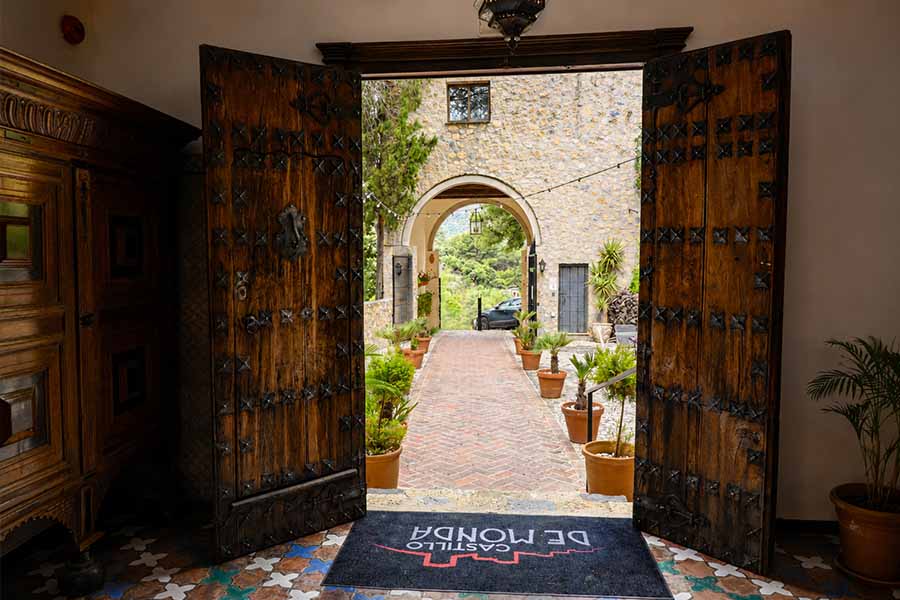
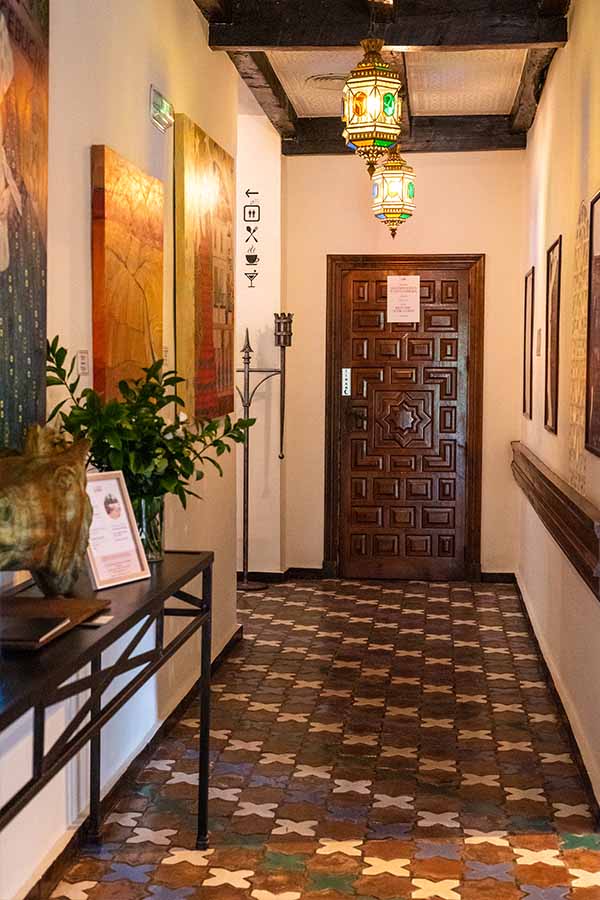
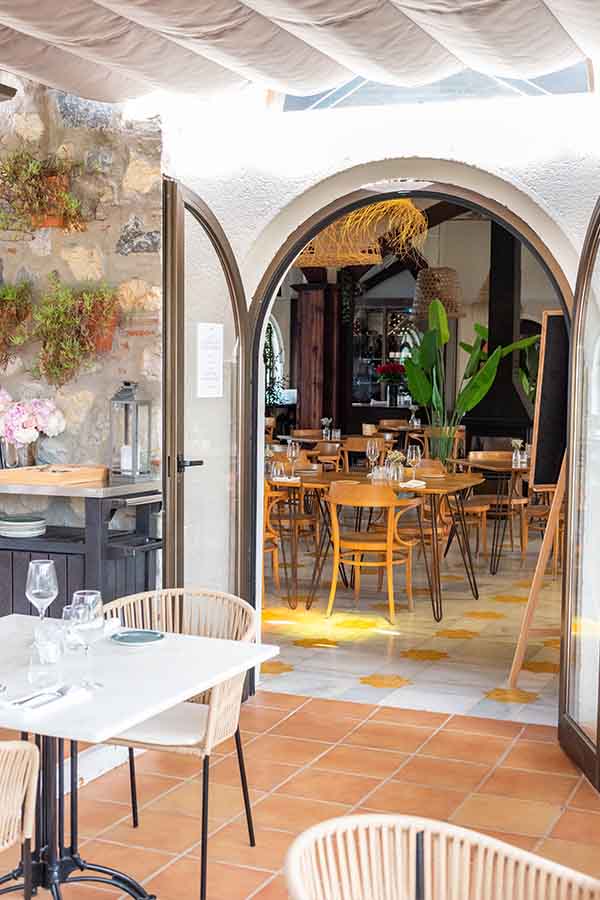
Walking through the entrance of Castillo de Monda, I immediately felt that quiet excitement that only certain places create. It was because everything around me felt harmonious. The atmosphere seemed to invite visitors to slow down, look around, and notice all the beautiful details that together create a memorable hotel space
Interior Design Inspiration from Castillo de Monda in Spain
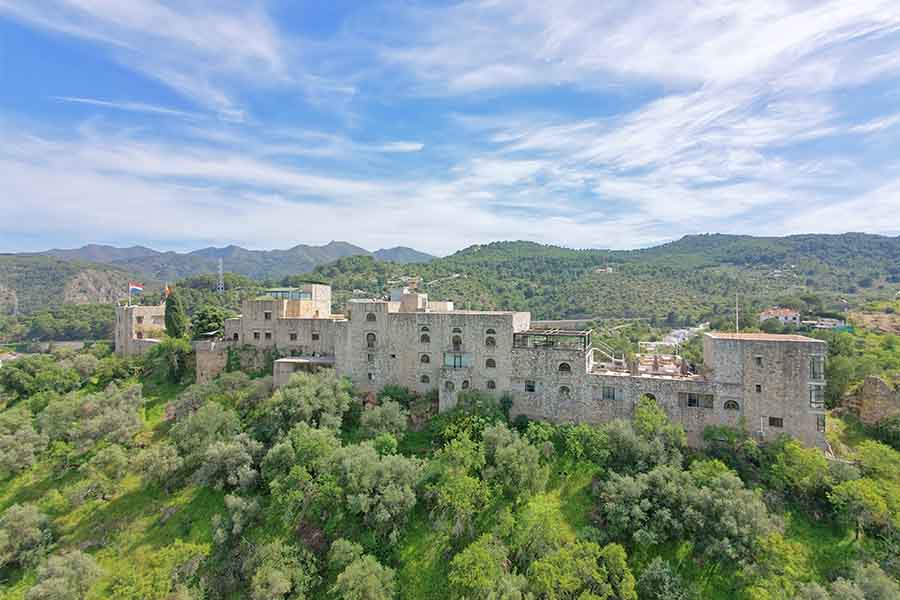
This hotel is for people who appreciate history, beautiful interior design, and that nostalgic feeling of stepping into another era while still enjoying the comfort of modern travel. The experience begins long before you reach the reception desk. As you slowly drive uphill along the narrow winding road leading to the castle, the surrounding scenery gradually changes, and with every turn you begin leaving everyday life behind.
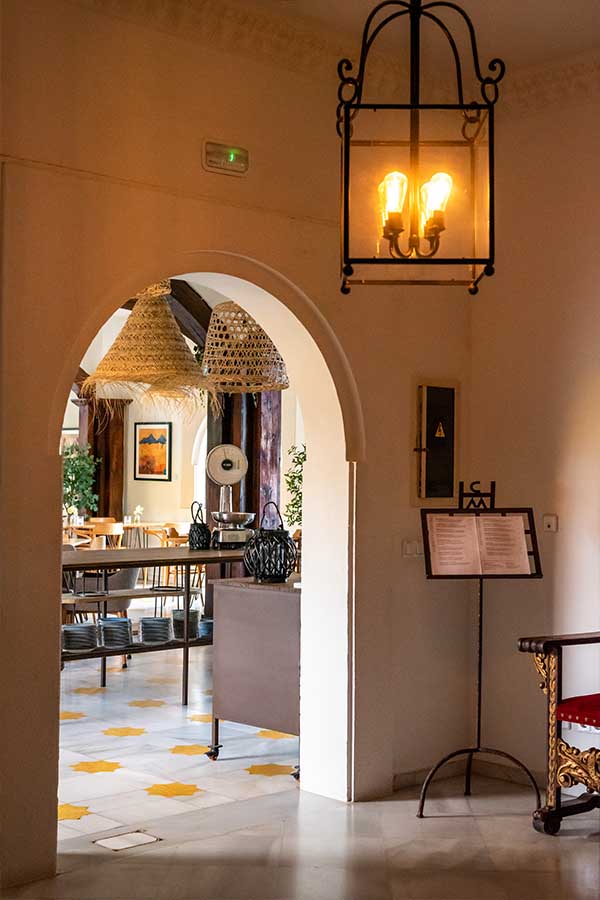
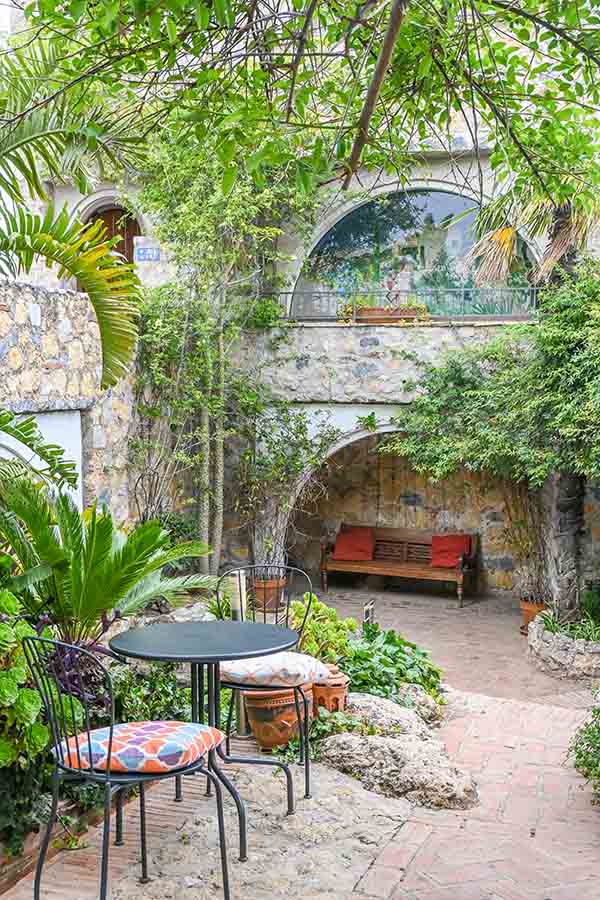
Walking along the cobblestone path and passing beneath the stone archway, you enter a small courtyard that opens onto the hotel lobby. The soft lighting immediately creates a warm atmosphere, almost as if you have stepped into the pages of a historical novel where you are the long-awaited guest.
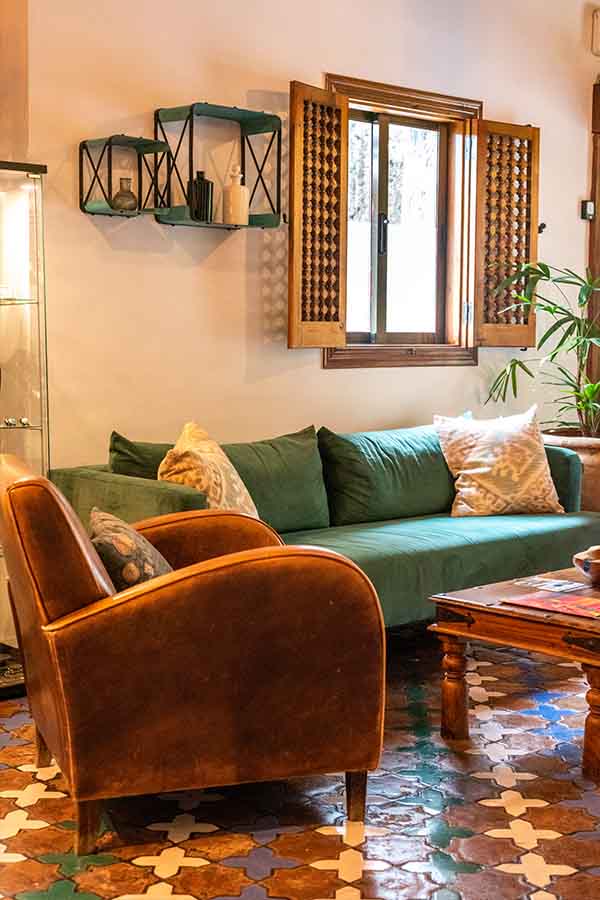
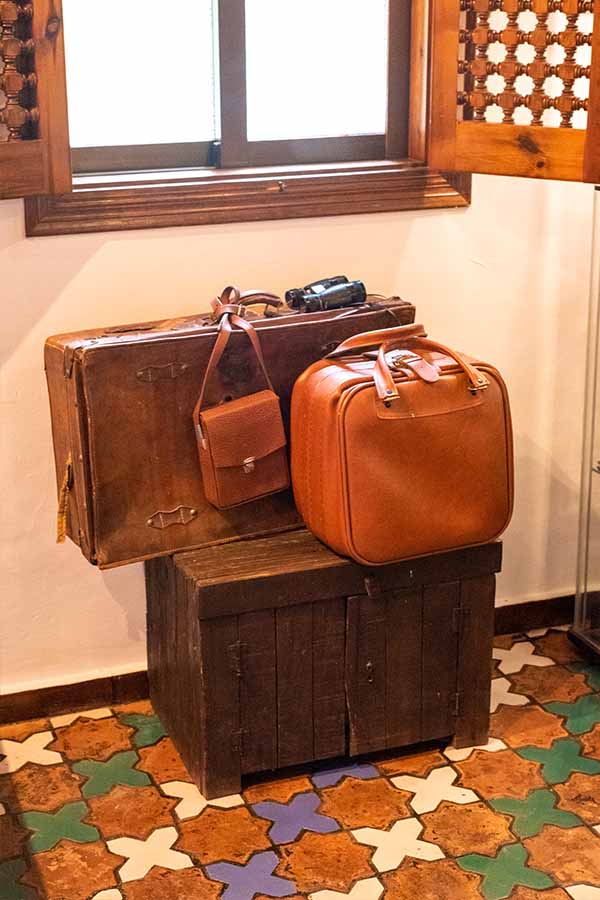
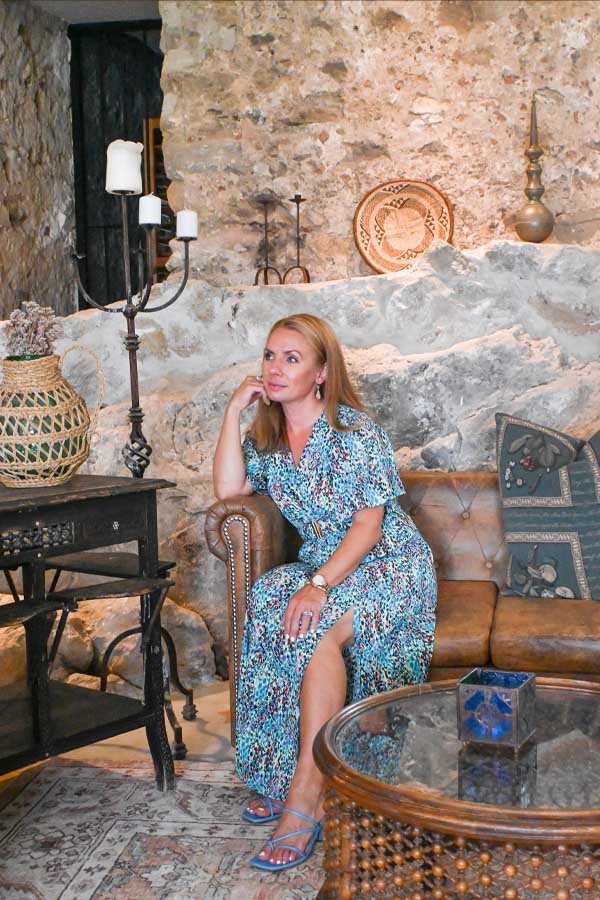
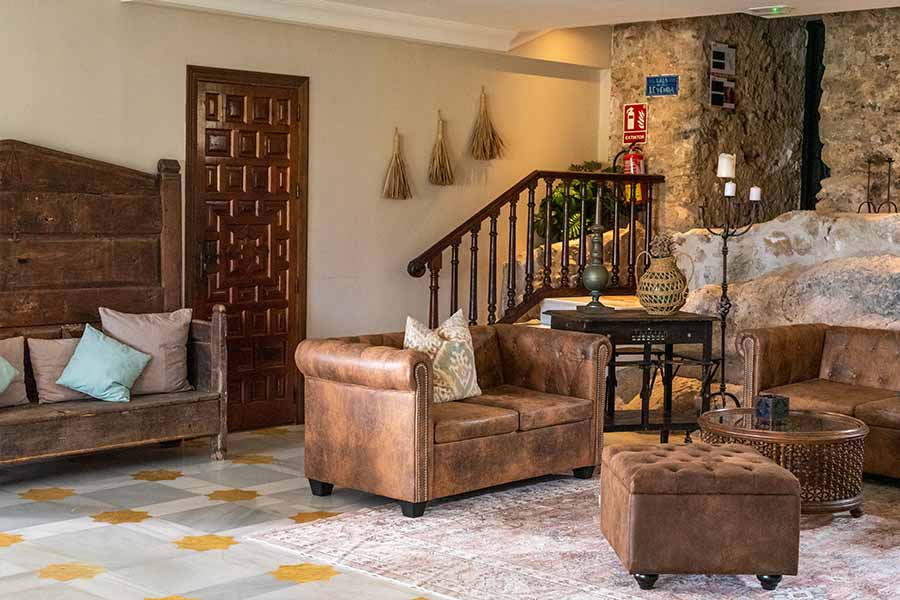
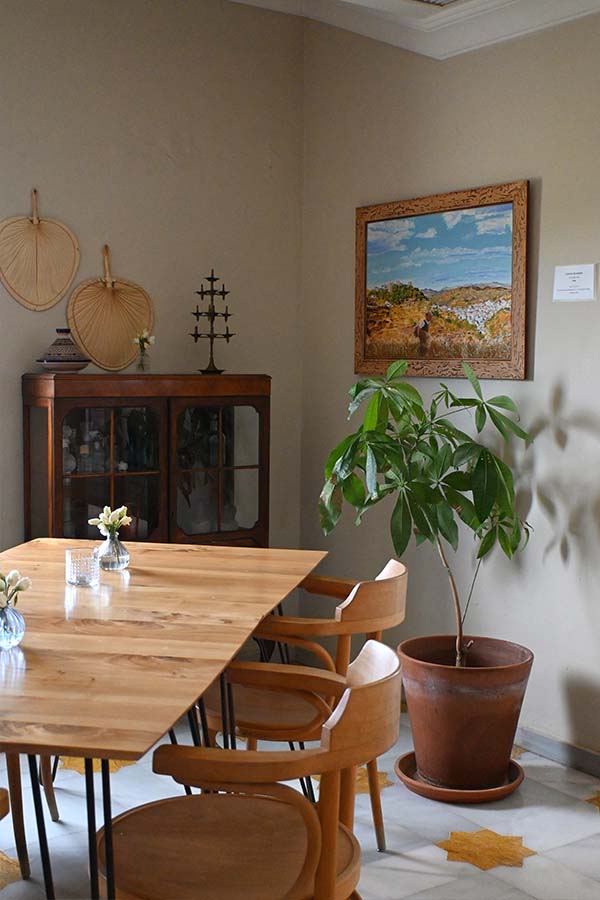
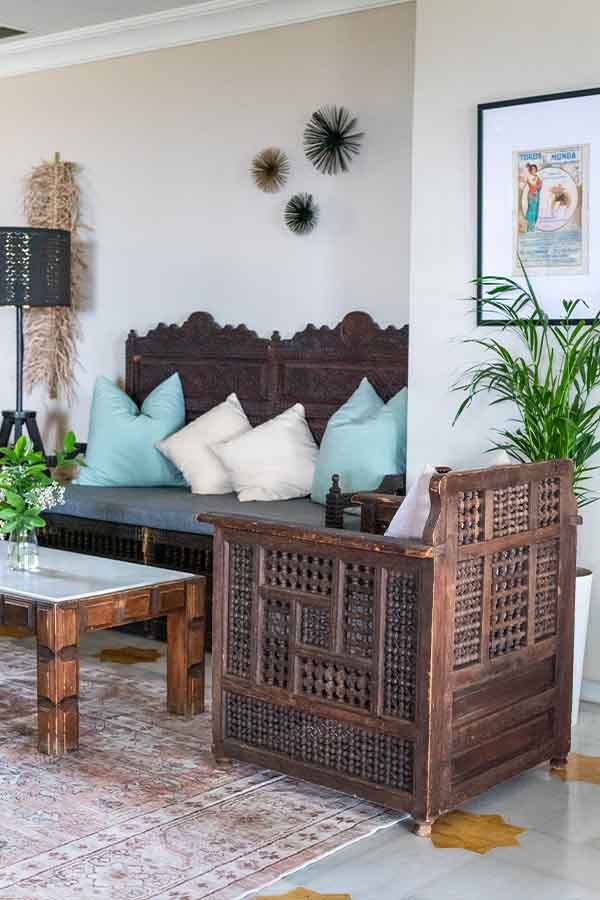
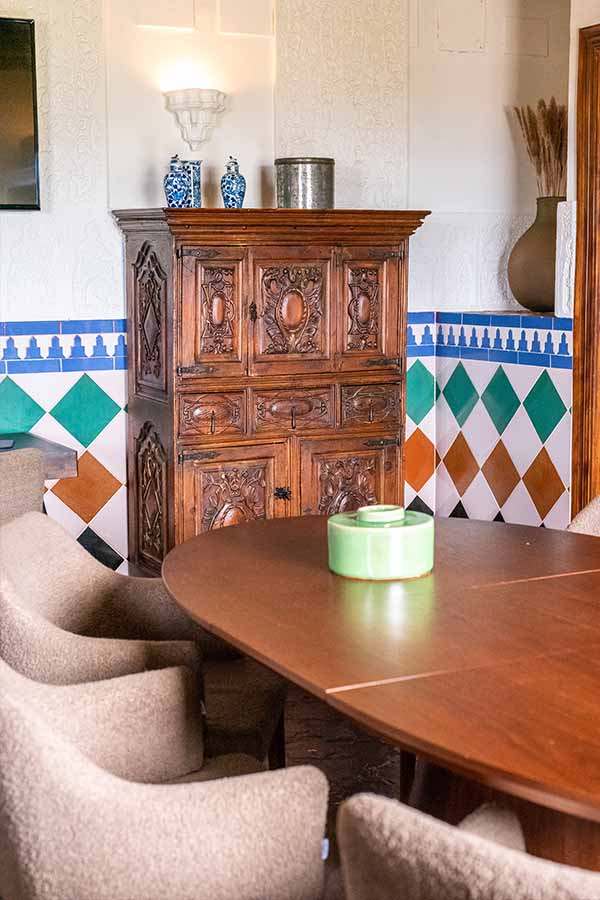
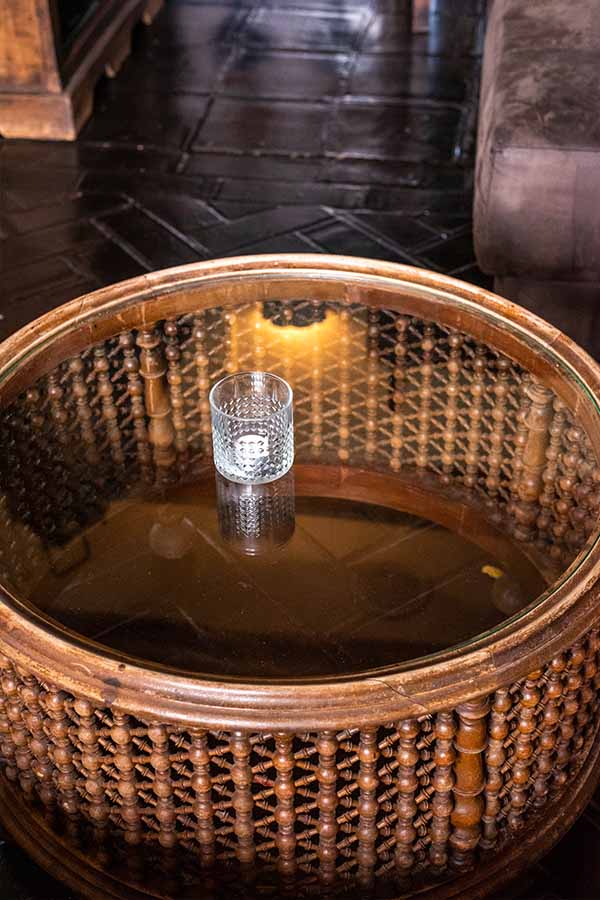
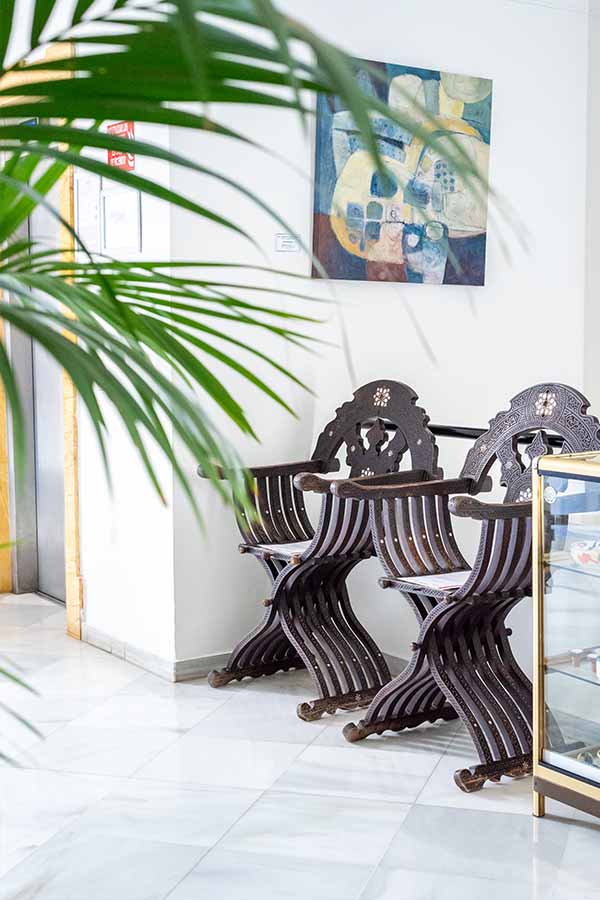
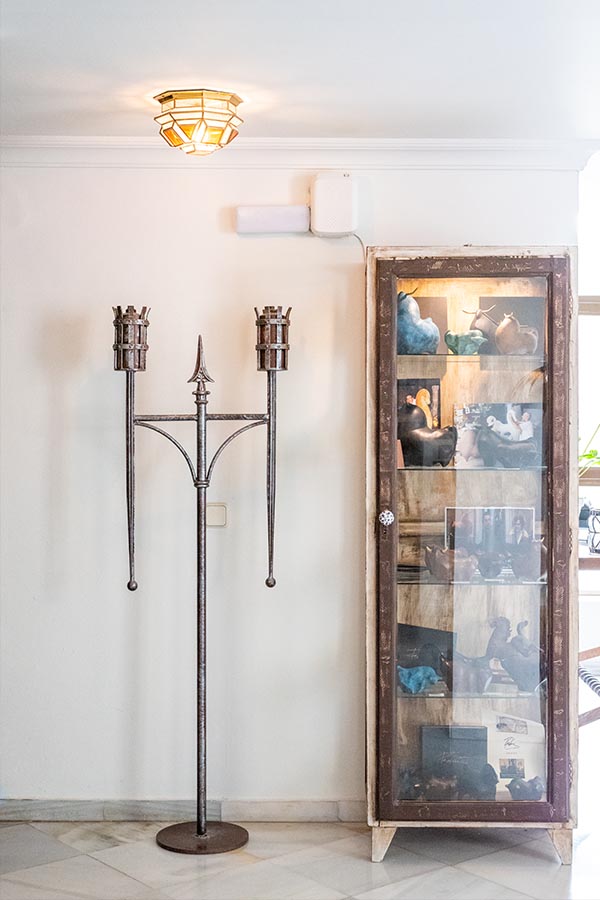
The first impression stays with you much longer than those first few minutes after entering. A beautifully aged leather chairs, vintage suitcases that seem to have traveled through decades of history, heavy wooden tables, paintings with a historical character, and carefully selected decorative objects displayed behind antique glass cabinets all blend together so naturally that you almost forget you are standing inside a hotel. Every detail feels thoughtfully chosen, every texture complements another, and together they create an atmosphere that quietly draws you in before you even begin exploring the rest of the building.
Warm greetings from the staff complete that first impression perfectly. There is something about Spanish hospitality that always feels genuine, and here it becomes another beautiful part of the overall experience.
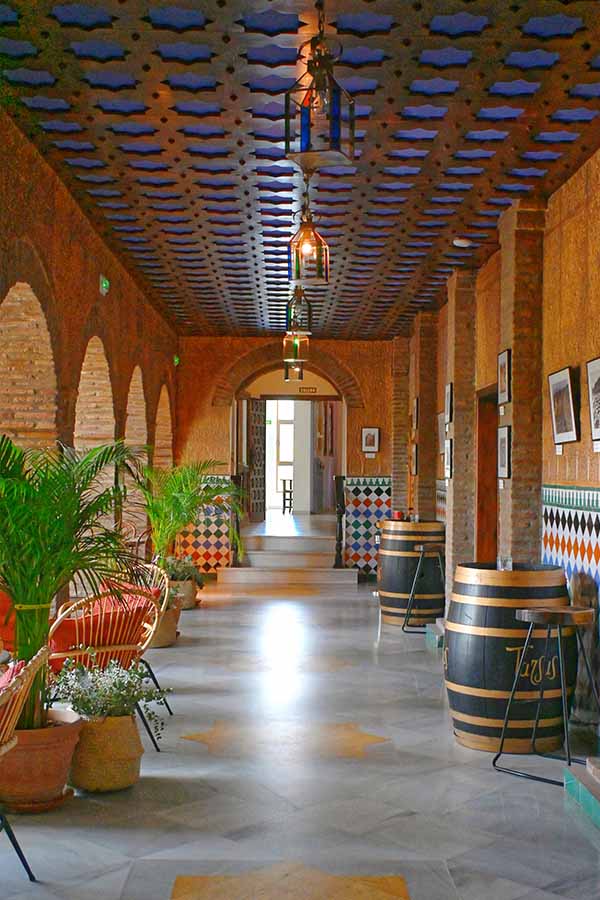
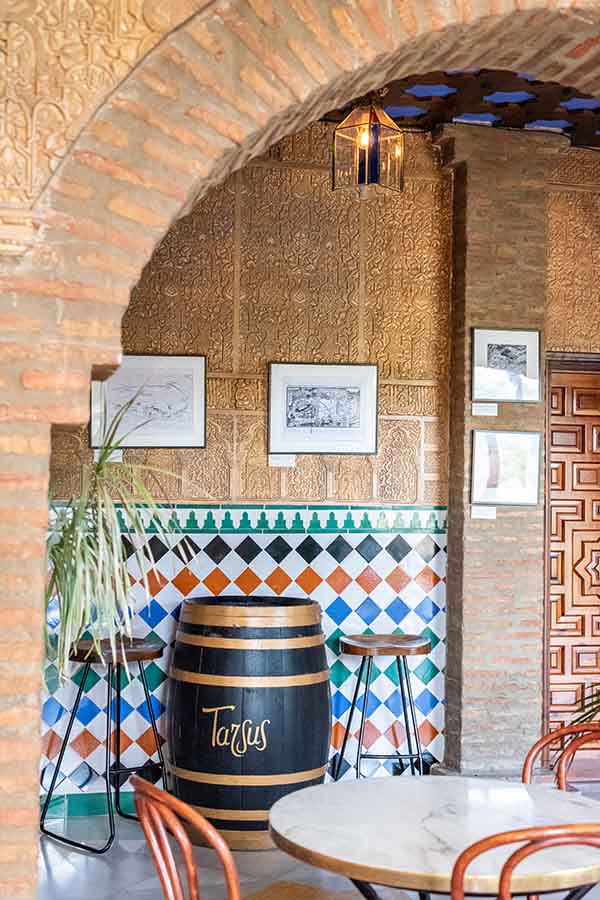
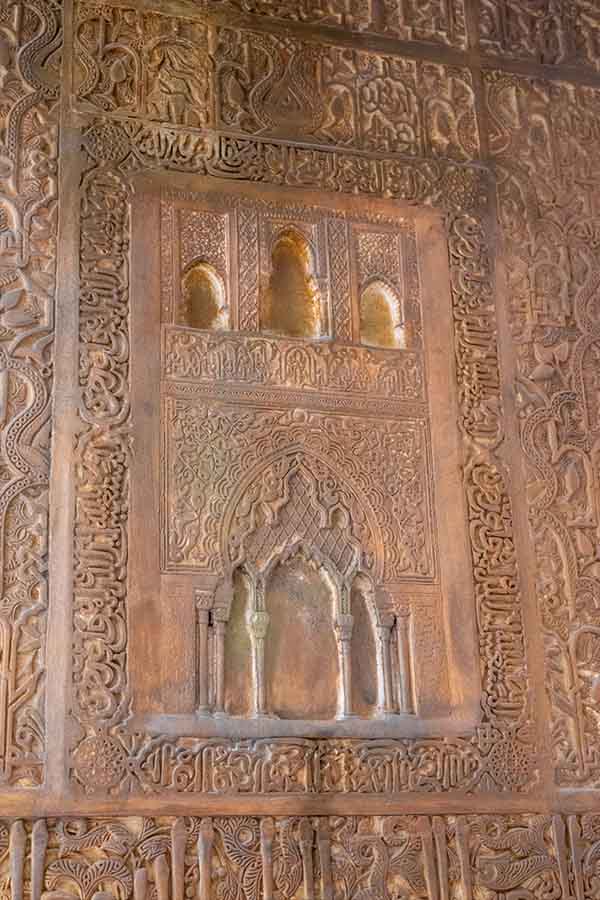
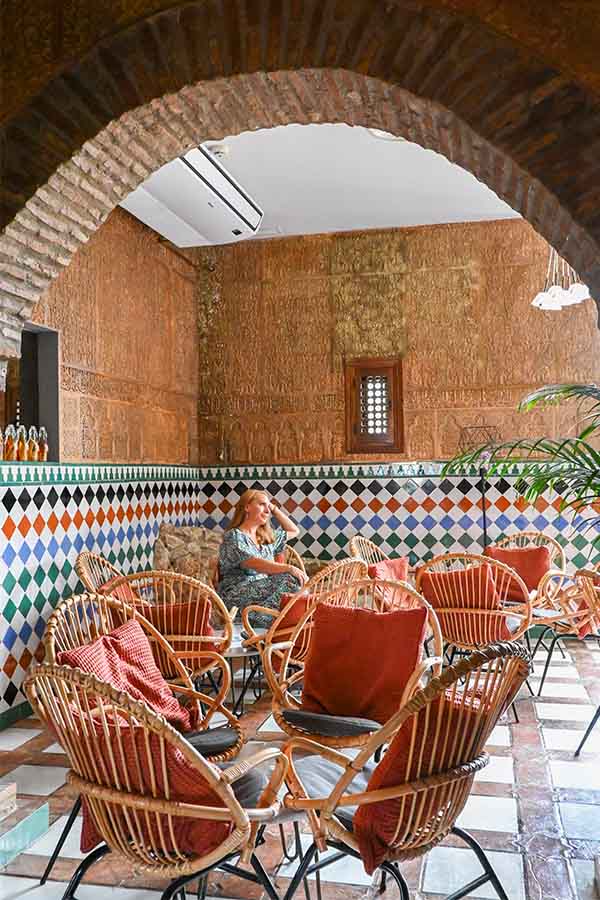
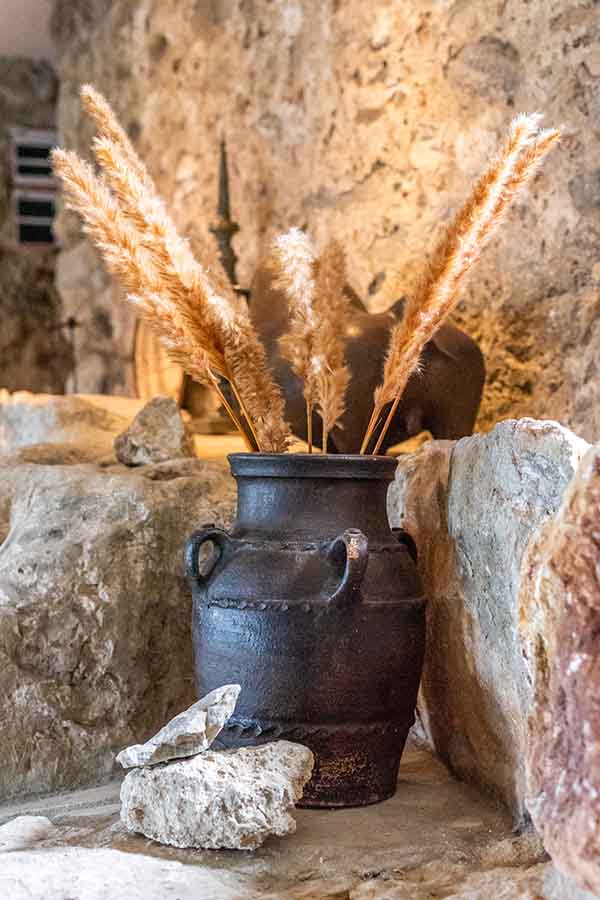
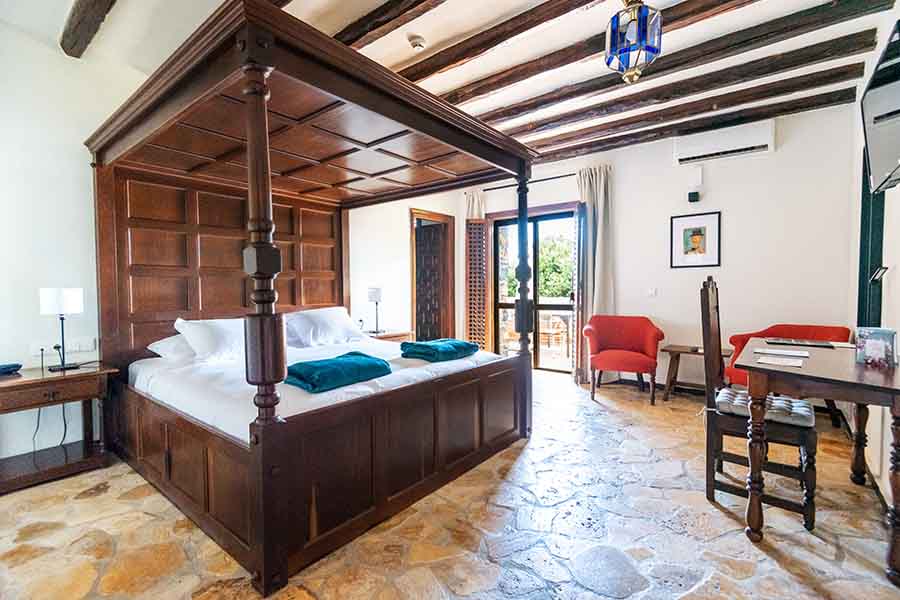
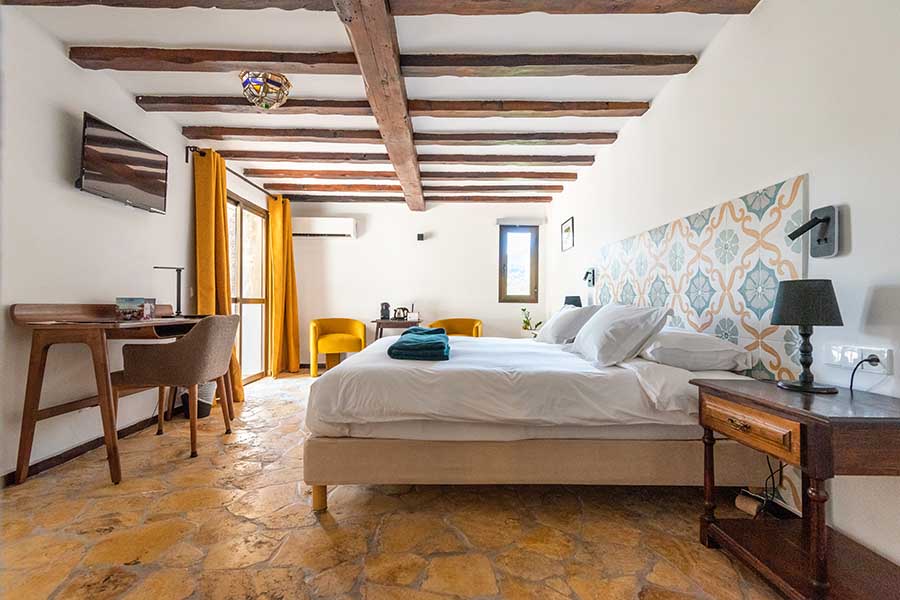
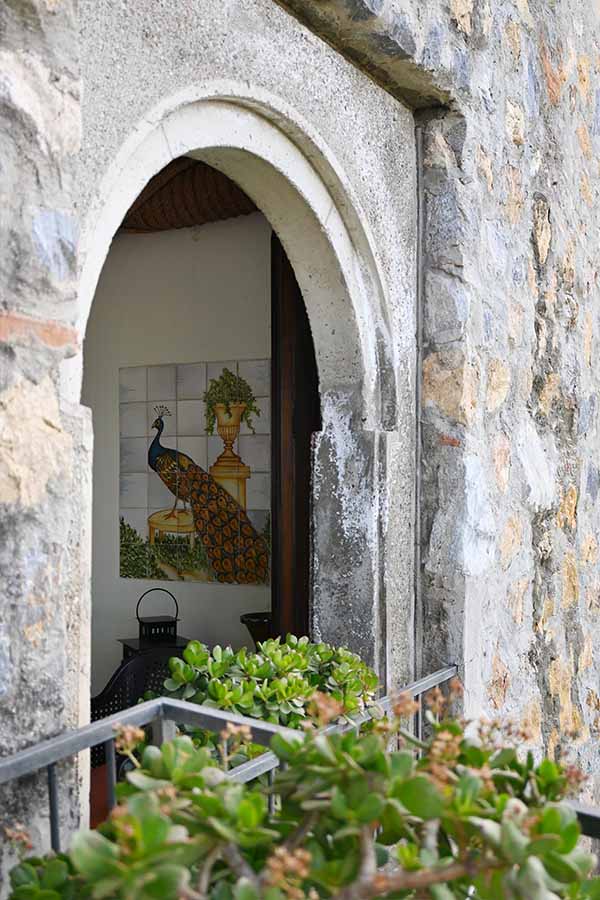
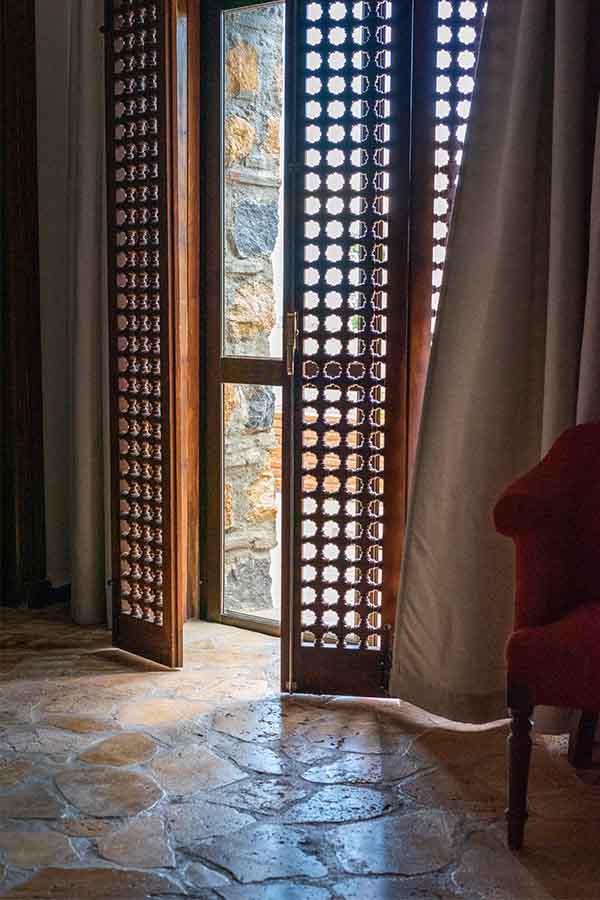
One of the first things that caught my attention throughout the hotel was the expressive stonework. The textured stone walls are part of the architecture and also become one of the strongest elements of the Mediterranean interior design, adding warmth, character, and authenticity to every room. Looking at them, it is impossible not to imagine another life that once existed inside these walls, when the castle served a completely different purpose and witnessed stories far removed from today’s peaceful atmosphere.
Light, which is one of the most important elements of any interior design, has also been handled beautifully. In some spaces, bright Andalusian sunlight pours through deeply recessed windows, while in others the lighting is intentionally softer, creating cozy corners that invite you to slow down, sit for a while, and simply enjoy the surroundings. Those thick stone walls framing the windows remind you how seriously buildings were constructed centuries ago. Everything feels solid, protective, and built to last. People certainly built differently back then.
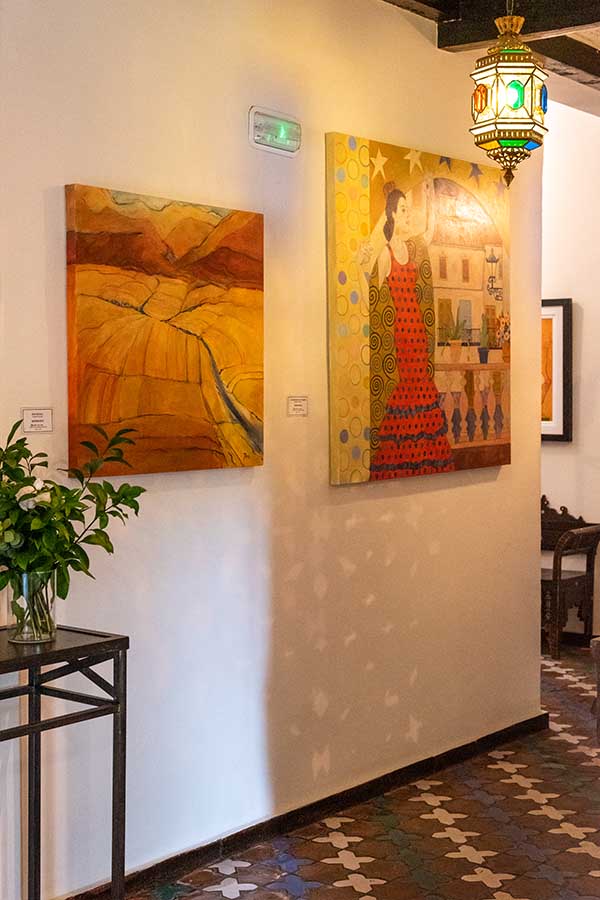
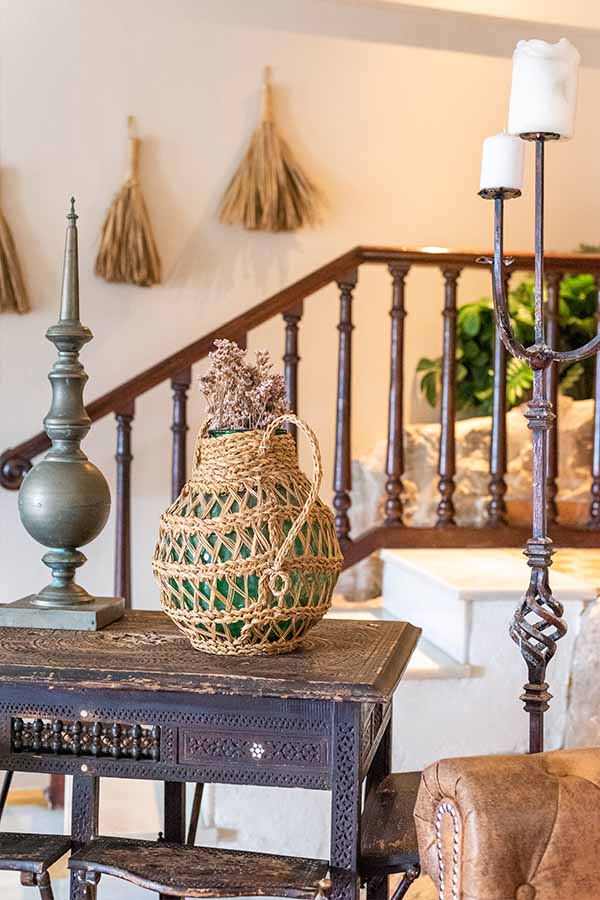
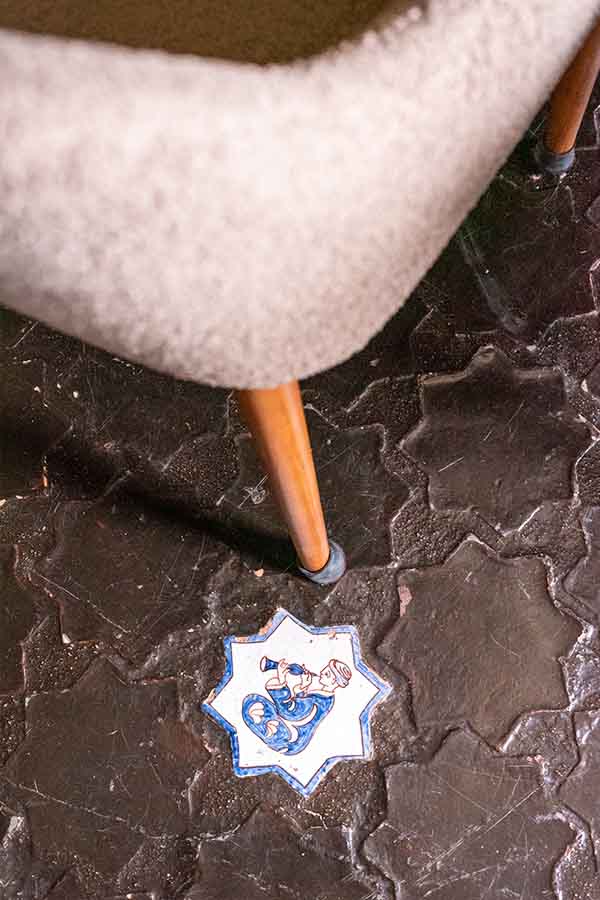
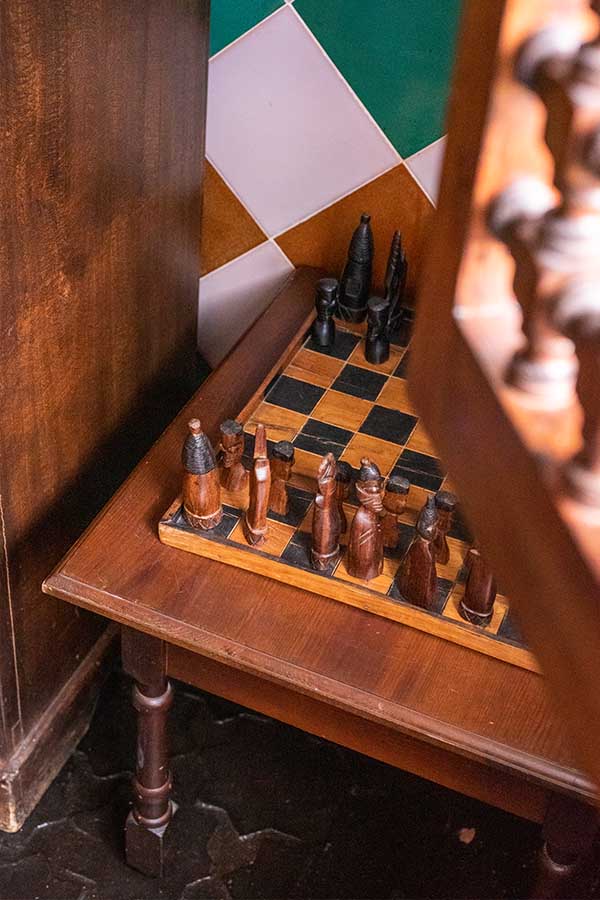
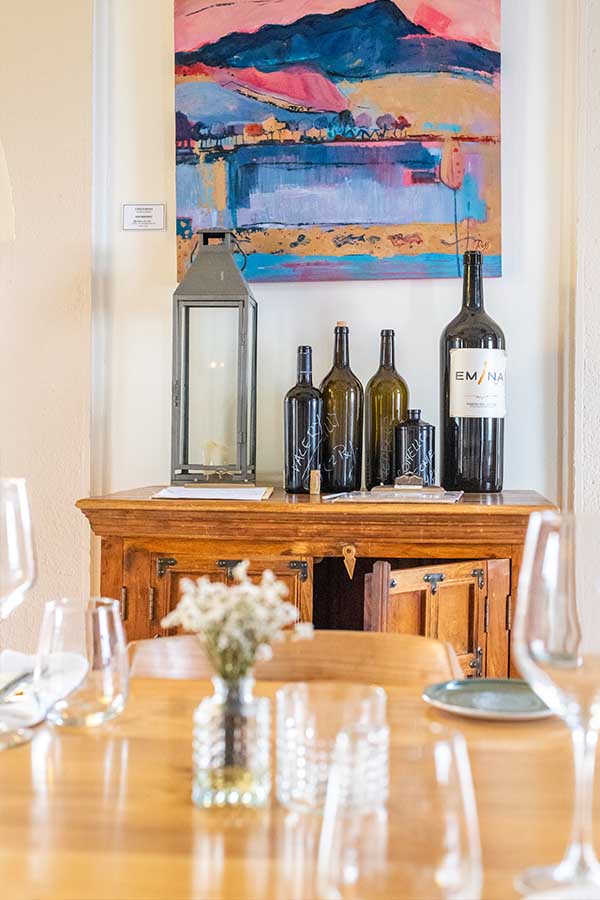
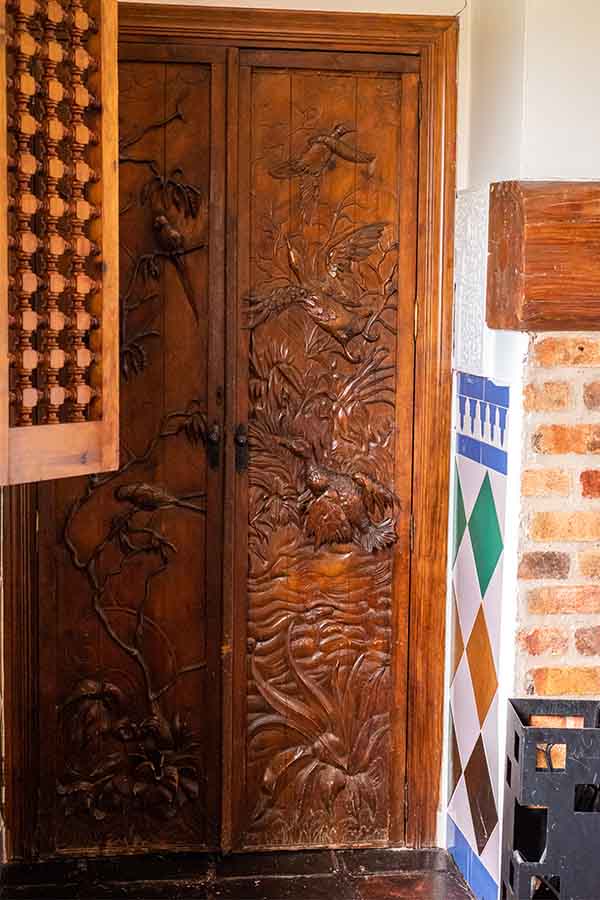
As someone who loves photography, I naturally found myself paying just as much attention to the decorative details as to the architecture itself. Beautiful wall decor is thoughtfully integrated throughout the hotel without ever overwhelming the space. Paintings, old mirrors, books published in different decades, glass and wooden vases, dried flower arrangements, ceramics, and carefully selected furniture all work together to create interiors that feel rich in historyyet surprisingly calm. Heavy wooden pieces are beautifully balanced by delicate glass decorations, while the dried flowers soften the stronger architectural elements, creating a lovely contrast between strength and elegance.
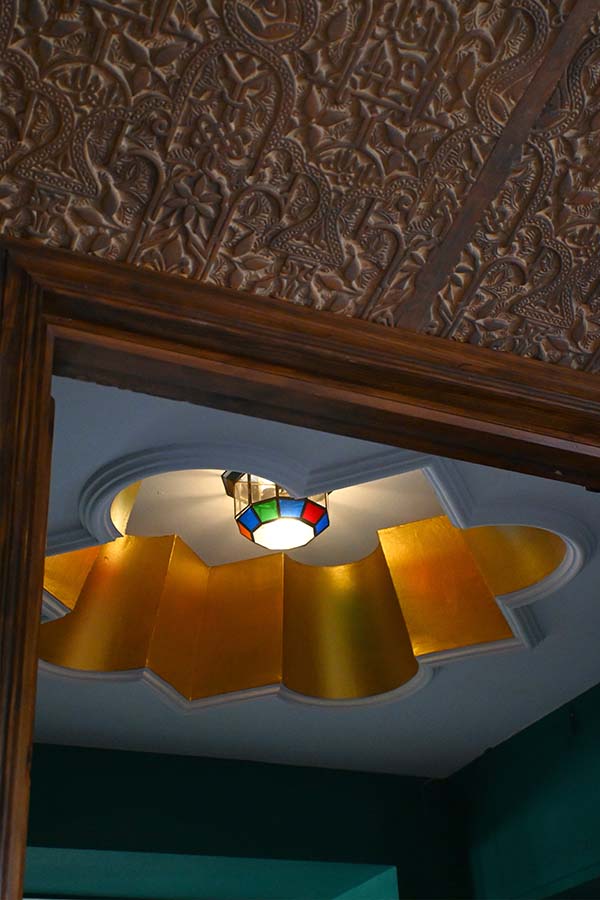
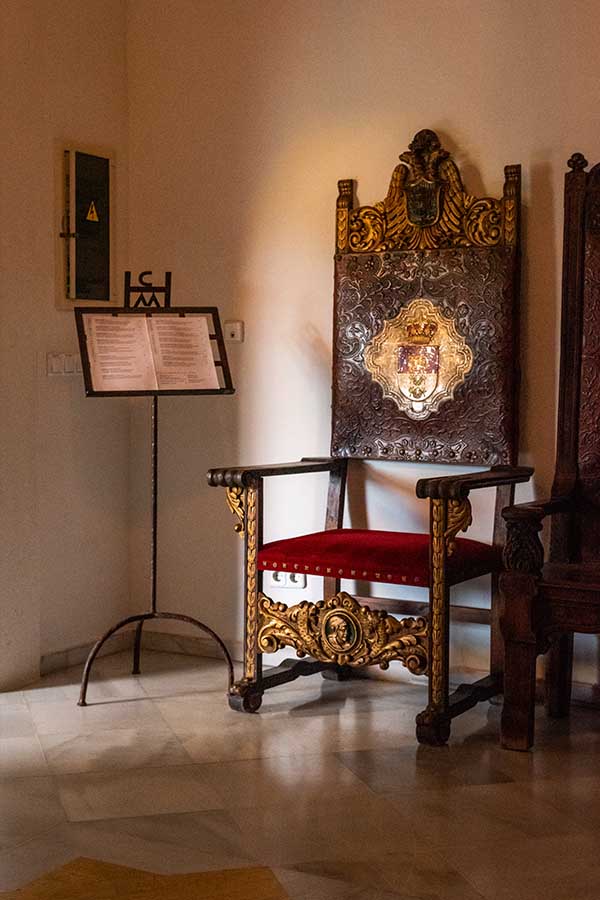
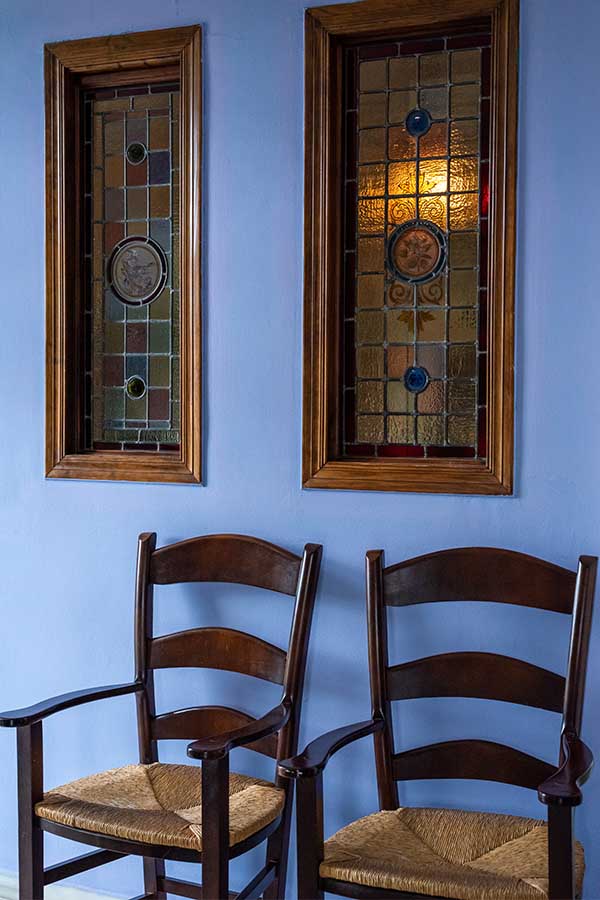
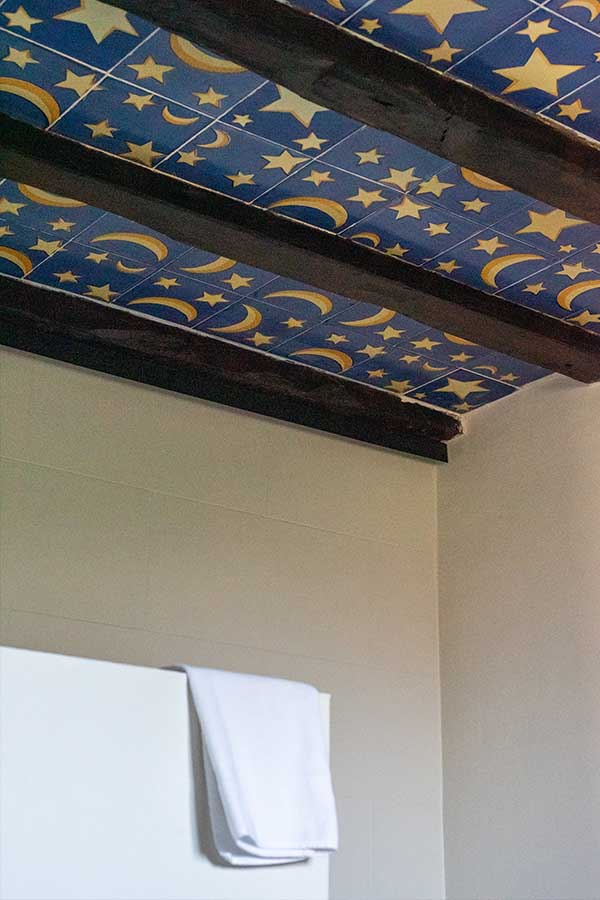
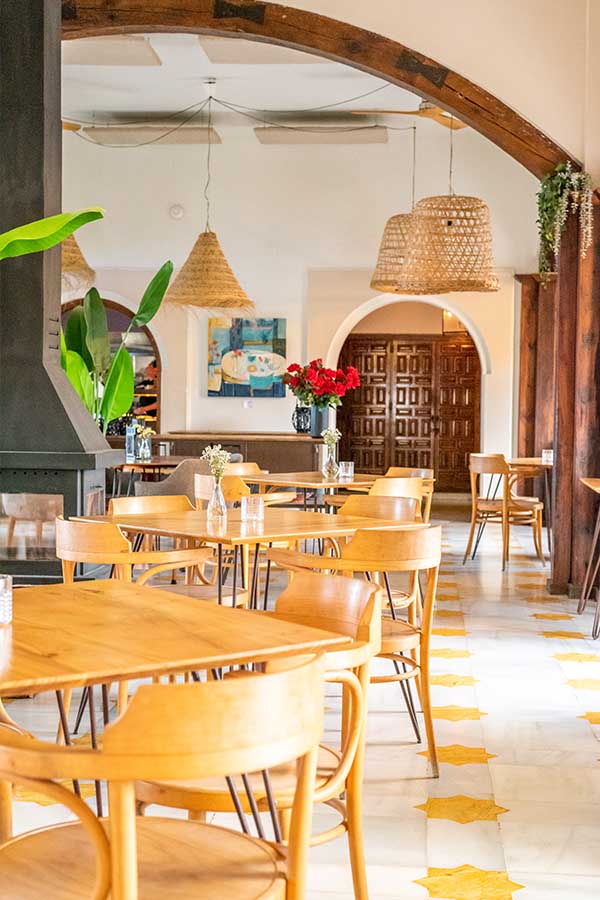
The ceilings deserve special attention as well. Large chandeliers combined with warm earthy tones naturally draw your eyes upward, adding another layer of depth to the hotel’s interiors without distracting from the architecture itself. Even the chairs look as though they could tell stories from another century, making it easy to imagine noble families gathering here many years ago.
For anyone looking for interior design inspiration, Castillo de Monda hotel offers countless beautiful examples of how timeless interiors are created. It reminds us that memorable spaces are rarely filled with expensive furniture alone. Instead, they are built through thoughtful combinations of natural materials, carefully chosen decorative objects, beautiful lighting, and a respect for history that gives every room its own personality.
Walking through this spanish hotel, I kept mentally collecting little interior decorating ideas that could easily work in an ordinary home. Mixing natural stone with warm wood, combining antique furniture with modern comfort, decorating with books, ceramics, dried flowers, and vintage trunks, allowing architectural features to become part of the decoration. All these small decorating ideas create interiors that feel welcoming, lived in, and full of character.
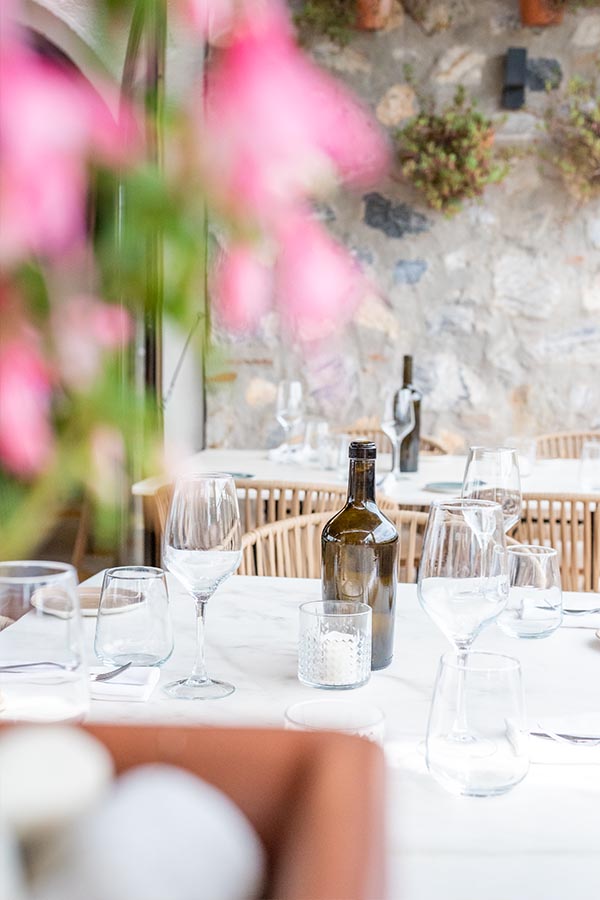
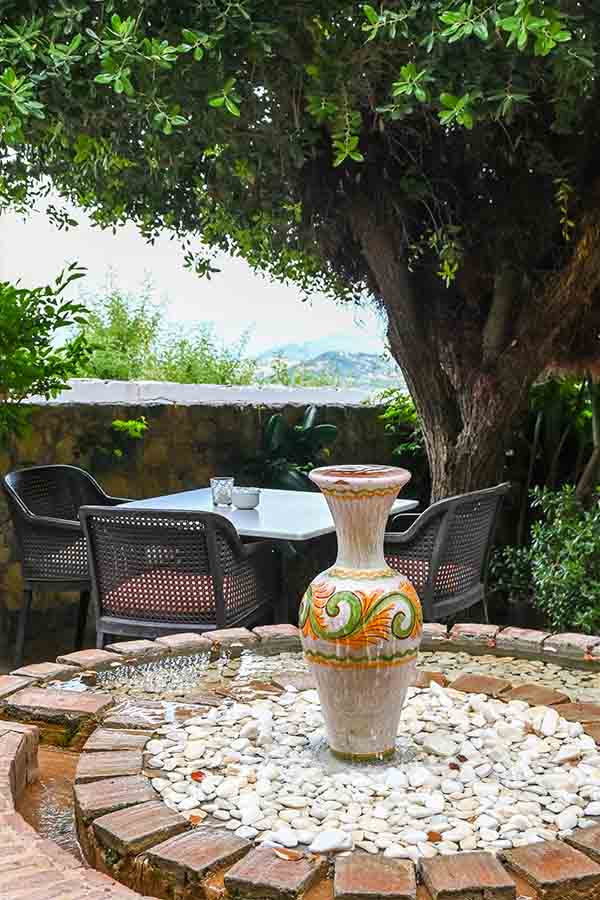
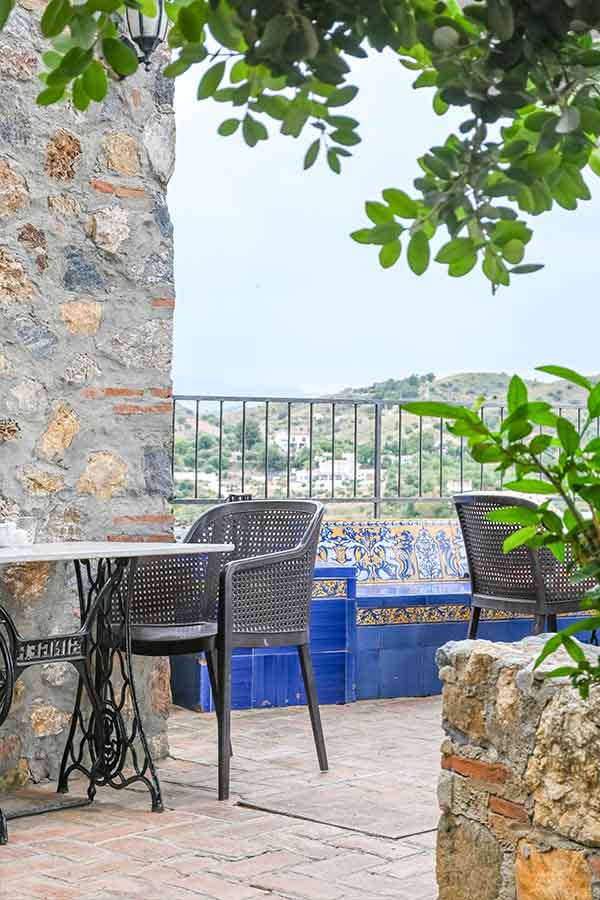
The outdoor spaces continue exactly the same atmosphere. Terraces invite you to enjoy breakfast overlooking the Andalusian hills or sit down for a romantic dinner after sunset, while the swimming pool offers welcome relief during hot summer afternoons. Everything encourages you to slow down, enjoy the moment, and appreciate the peaceful surroundings.
Creating interiors like these probably takes years, because nothing feels rushed or accidental. Every object seems to have found its place naturally over time, every material complements another, and every room tells the same story in a slightly different way. It is this attention to detail that makes Castillo de Monda Hotel much more than simply a beautiful hotel. It becomes a place that continues inspiring you long after your visit has ended.
The History Behind Castillo de Monda Hotel
One of the things I appreciated most about Castillo de Monda was that it doesn’t try to hide its history behind perfectly polished walls. Throughout the hotel there are old photos, historical drawings, archaeological information, and descriptions explaining how the castle evolved over the centuries. I found myself stopping more than once to read them because they completely changed the way I looked at the building around me.
The original Castillo de Monda was built more than six hundred years ago, and although much of what you see today has been carefully restored and adapted into a hotel, many original elements have been preserved and incorporated into the design. Walking through its corridors, terraces, and gardens, you are often standing next to walls and towers that have witnessed centuries of Andalusian history.
The castle has survived far more than the passing of time. After the War of Granada and the Morisco revolts during the 15th and 16th centuries, parts of its defensive walls were destroyed. Later came centuries of abandonment, harsh weather, and even the removal of stones by local people who reused them to build houses and agricultural terraces. Looking at the castle today, it is almost difficult to imagine that for a long time it stood as little more than romantic ruins overlooking the village.
One detail I found particularly fascinating was learning that the builders originally worked with whatever the mountain offered them. Large natural rock formations were incorporated directly into the fortification, becoming part of the castle itself. Even today, some of those original stone foundations remain visible beneath parts of the hotel, quietly reminding visitors that this was once a military stronghold rather than a peaceful retreat.
The reconstruction of Castillo de Monda only began in the 1970s. Old photos displayed inside the hotel show a dramatically different place: collapsed walls, isolated towers, and ruins sitting on top of the rocky hill before restoration work started. Earlier, in 1969, architect Francisco Prieto-Moreno,the same renowned architect who worked on the restoration of the Alhambra and the Alcazabas of Málaga and Almería, designed an ambitious restoration project inspired by Nasrid architecture. Only part of that vision was eventually completed, but it helped shape the castle you can experience today.
As you walk around the hotel, you’ll also discover that history still hides beneath your feet. Archaeologists uncovered thousands of ceramic fragments around the castle, everyday objects that reveal how people once cooked, ate, and lived here centuries ago. Even an incomplete engraving carved into the entrance of the south tower has survived. Its exact meaning remains unknown, although historians believe it may have served as a protective symbol.
Perhaps that is what impressed me most. Castillo de Monda doesn’t feel like a modern hotel decorated to resemble an old castle. It feels like a historic castle that has simply learned how to welcome modern travelers without forgetting the hundreds of years that came before them. And somehow, knowing its story makes every stone wall, wooden beam, and carefully chosen decorative detail feel even more meaningful.
I originally came to Monda because I wanted to visit another castle in Spain. I left with something much more valuable than another destination crossed off my travel list. I left inspired by beautiful hotel interior design, thoughtful wall decor, timeless Mediterranean interior design, and the realization that the most memorable interiorsare the ones that make you feel something the moment you walk through the door.
If you appreciate history, architecture, photography, or simply enjoy discovering places with soul, I highly recommend adding Castillo de Monda to your Spain itinerary. Some places impress you while you are there. Others quietly stay with you long after you have returned home. Castillo de Monda became one of those places for me.
Hotel Castillo de Monda address: Calle Castillo 29110 Monda, Màlaga
All images in this article were taken by Elena Sullivan, ArsVie Photo Studio and are protected by copyright. If you are interested in using any of the them, please contact me for permission. Thank you for understanding!
Add elegance to your space with beautiful wall art prints
I specialize in interior design photography that captures the beauty and character of your home or business. Plus, I can write an engaging article about your place and share it on my blog to help you reach a wider audience.
Hi, there! I’m Elena Sullivan, a fine art photographer, and creative adventurer. My first joyful experimentation with a camera extended into a passionate relationship where harmony represents a constant flow of elegant devotion. I follow my intuition and curiosity in search of eternal connections in nature, then use my camera to reveal it and share it with you! Every of my photo is curated with love and artistic excellence.