5 Things I Wish I Knew Before Relocating and Moving Abroad
Most people think relocation is about choosing a new country. I think relocation is about choosing a completely different everyday life. Everyone talks about how exciting it is to move abroad. They talk about beautiful cities, better weather and food, new opportunities, and starting over. What people don’t talk about nearly enough is what happens after the excitement wears off and real life begins.
I’ve relocated four times in my life, most recently to Costa del Sol in Spain. Along the way I’ve met many people who have also relocated, and I’ve realized that while every story is different, many of the challenges are similar. Today I’d like to share five things that I think many people don’t really consider before deciding to relocate to another city or another country. Because relocation isn’t for everyone. And that’s perfectly okay.
5 Things I Wish I Knew Before Relocating and Moving Abroad
1. Romanticizing Relocation
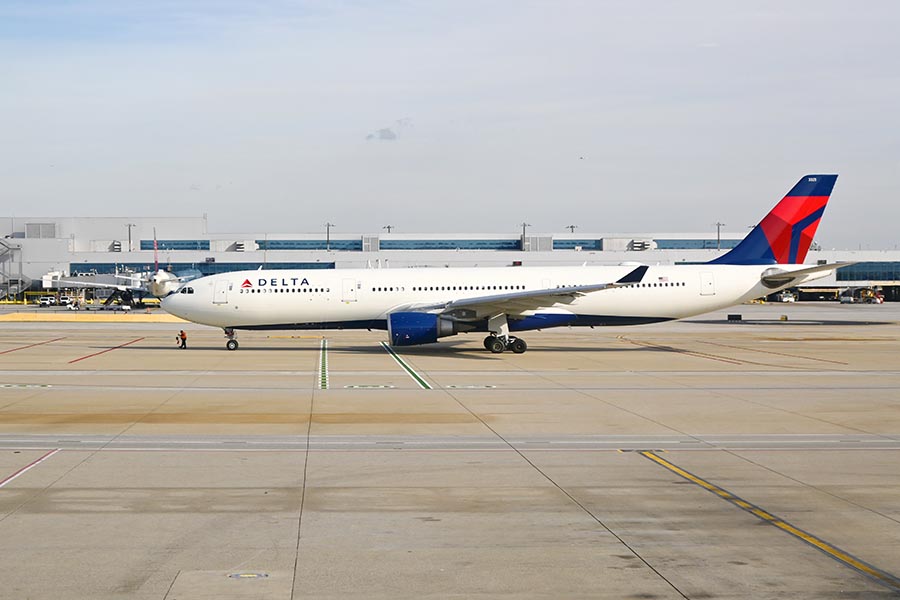
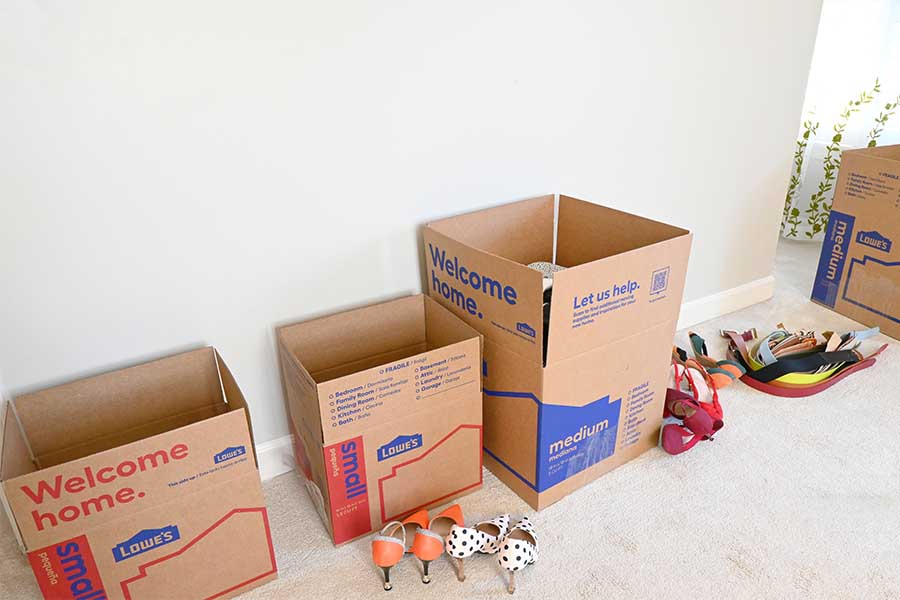
The biggest mistake people make before relocating is falling in love with an imaginary version of their future life. Relocation is often romanticized because we picture how exciting, beautiful, and fulfilling life will be once we arrive. But if there’s one part of relocation that truly deserves to be romanticized, it’s actually the move itself: the preparations, packing your life into boxes, saying goodbye, traveling, and the feeling of constantly being in motion. There really is something exciting about that stage.
Before social media, relocation was mostly seen as a practical decision, something that many had to do. Today we have unlimited access to information about almost every country in the world, making moving abroad feel far more attainable. We see beautiful places, inspiring lifestyles, and exciting new beginnings, so naturally relocation starts to feel like an adventure. And in many ways it is.
What social media rarely shows is everything that comes after: the paperwork, opening bank accounts, learning how the healthcare system works, figuring out where to shop, getting a drivers’ license and dealing with dozens of small everyday challenges. As your departure date gets closer, excitement naturally builds, often masking the fear and uncertainty of leaving everything familiar behind. The same thing happens during your first months in a new country, when every day brings something new to discover.
But eventually that excitement fades. The romantic version of relocation disappears, and what remains is everyday life. You still have to solve problems, adapt, and slowly build a new normal. So before you decide to relocate, ask yourself one simple question: Am I ready for that part too?
Love watching videos?
Watch this video about relocation
Just click the play button.
2. If you’re someone who depends on having a large circle of friends
Once the excitement of relocation begins to settle, another challenge gradually appears, and I think it’s one many people underestimate. If you have a close circle of friends and you’re used to seeing them regularly, relocation can be much harder than you expect.
Building a new social circle takes time. Sometimes two or three years, sometimes even longer. I’ve met people who moved to another country and eventually returned home, not because they disliked the country, but because they never managed to build a community where they truly felt comfortable and accepted. When you relocate, it’s important to understand one thing from the beginning: nobody is waiting for you there. That may sound harsh, but it’s simply reality. People who already live there have their own friends, routines, and lives. Most of them aren’t actively looking to expand their social circle. You’re the one who’s looking.
I don’t say this to discourage you. I say it because understanding this helps set realistic expectations. You’ll have to introduce yourself, make the first move, accept invitations, and sometimes even deal with rejection. In my experience, one of the easiest places to start is the expat community. You’ll already have one thing in common: you’ve all gone through the experience of moving to the same country, and that’s often enough to start a conversation and build new friendships.
3. “I’ll learn the language once I get there.”
Language isn’t what makes the first year hard. It’s everything you can’t do because you don’t yet speak the language.
If you’re starting from scratch, or even with a small vocabulary, it will probably take two or three years before you can comfortably hold a natural conversation in your new language. When I moved to Cancún, Mexico, it took me around three years before I truly felt comfortable speaking Spanish. And that’s despite the fact that I had to use the language regularly for work because I had a photography business there. So, if you’ve already made the decision to relocate, start learning the language before you move. It will make those first months much less overwhelming. And by the way, language is something you can keep learning for the rest of your life. Even after years of living in a country, you’ll still discover new words, new expressions, and new ways people communicate. And I think it’s one of the most rewarding parts of living abroad.

4. Loving a country isn’t enough.
Sometimes we’re simply craving something new: a different culture, architecture, food, or pace of life. And there’s nothing wrong with that. But if what you’re really looking for is novelty, maybe a long trip is enough.
Because relocation isn’t a vacation. It’s moving your entire life to another city or country where, instead of having breakfast served to you while staying at a fancy hotel, you’re figuring out where to buy groceries and making breakfast yourself. A big move will give you new experiences, fresh perspectives, and memories you’ll probably never forget. But it also brings uncertainty, frustration, and moments when you’ll question whether you made the right decision.
There’s a saying that no matter where you go, you take yourself with you. I think there’s a lot of truth in that. Relocation changes your address, but it doesn’t automatically change you. It won’t solve personal problems, erase old habits, or make you a different person. If anything, living in a new country often forces you to get to know yourself even better because everything familiar has disappeared. So if there’s a country you absolutely love, ask yourself this question: Do I really want to build my life there, or do I simply enjoy spending time there?
5. If you’re not ready to adapt, relocation probably isn’t for you.
There’s one mindset that has helped me through every relocation: Assume everything will be different. And when something isn’t, treat it as a pleasant surprise.
If you move to another country, even something as ordinary as grocery shopping becomes completely different. During your first months you’ll probably spend two or three times longer in the supermarket because almost everything is unfamiliar: the products, the brands, the packaging, and often the language. It takes months before you naturally know what you like, where to find it, and what becomes part of your regular routine. It may not sound like a big deal, but when almost every daily task requires extra time and mental energy, it becomes surprisingly exhausting.
People rarely talk about this side of relocation because it’s not glamorous. It’s not the kind of thing you post on Instagram. But these hundreds of small adjustments are what eventually become your everyday life. Technology has made the process much easier. During our first six months in Spain, I would sometimes spend an hour and a half in Mercadona just choosing groceries. Almost every product was unfamiliar, and I wanted to understand what I was buying. Google AI became one of my favorite tools because I could simply take a photo of a product and instantly learn what it was and how people used it. Little things like that made adapting much easier.
At the end of the day, relocation is a long process of adaptation. The more willing you are to embrace the differences instead of constantly comparing them to what you’re used to, the easier that process becomes.
So, is relocation for everyone? Probably not. But neither is staying in the same place just because it’s familiar. Relocation is simply a choice. Like every big decision in life, it comes with trade-offs. There are things you’ll gain, and there are things you’ll lose. The important thing is to understand both before you make that decision.
If you’re already living abroad, I’d love to know what surprised you the most after moving. And if you’re thinking about relocating, tell me where you’re planning to go and what’s motivating your decision.
All images in this article were taken by Elena Sullivan, ArsVie Photo Studio and are protected by copyright. If you are interested in using any of the them, please contact me for permission. Thank you for understanding!
Where Do You Belong

Where in the World Would you feel most yourself? Find out which country matches your inner rhythm.

Elena Sullivan
Hi, there! I’m Elena Sullivan, a fine art photographer, and creative adventurer. My first joyful experimentation with a camera extended into a passionate relationship where harmony represents a constant flow of elegant devotion. I follow my intuition and curiosity in search of eternal connections in nature, then use my camera to reveal it and share it with you! Every of my photo is curated with love and artistic excellence.