• Home
  • About
  • Exhibitions
  • Shop
  • Gallery
  • Publications
  • Speaking
  • Blog
    • Main Blog Page
    • Interior Design
    • Style & Beauty
    • Art & Entertainment
    • Nostalgic & Vintage
    • Travel
    • Museums & Galleries
    • Food & Dining
    • Personal Stories
    • Guest Post
  • Contact
0

Fine Art photography, fine art photo prints, canvas, wall art, macro photography, Spain

Fine art photo prints or giclee prints are high-quality prints made with special pigment-based inks and acid-free paper. Unlike other types of prints, they don’t use chemicals or light-sensitive materials. Instead, they are created with a high-resolution printer that produces clear, detailed images.

Giclee prints on fine art paper are made to last a long time. They won’t fade, crack, or turn yellow, which is why museums and galleries often choose them. You can print photo on different materials, like matte photo paper, watercolor paper, or canvas. This makes them look beautiful and feel unique, perfect for preserving art or photography.

unique gifts for ladies fine art print
Giclee print "The Daisy Echo" printed on the fine art paper
artistic unique gift for her

What is a Fine Art Paper?

The term fine art paper refers to a high-quality, specially designed paper used for printing artwork or photos. It is called fine art paper because it meets the high standards required for preserving and displaying fine art pieces. This paper is typically:

  1. Archival-Grade: Made to last for decades without fading, yellowing, or deteriorating, ensuring the artwork remains vibrant and intact over time.
  2. Made from Premium Materials: Often crafted from 100% cotton or other natural fibers, it is free from acids and chemicals that could harm the artwork.
  3. Optimized for Art Printing: It has a texture, weight, and finish (like matte or slightly textured surfaces) that enhance the visual appeal of prints, making them look like traditional paintings or drawings.

In short, fine art paper is called so because it provides the quality and durability needed to honor and preserve photo artwork, making it suitable for museums, galleries, and collectors.

canson bfk rives
Canson BFK Rives Fine Art Paper
hannamule fine art paper
Photo Rag Hahnemuhle
innova fabriano fine art paper
Innova Fabriano Printmaking Rag

What makes a good fine art photo print?

The quality of the paper used in fine art photo prints is just as important as the print itself. Here’s what makes good fine art paper:

Acid-Free Paper:

Acid-free paper is designed to last. It has a neutral pH (around 7), meaning it won’t become acidic over time, which can cause yellowing or deterioration. This is achieved using alkaline technology, often with calcium carbonate, to protect the paper from environmental factors. Many acid-free papers are made from 100% cotton, are free of harsh chemicals, and have low metallic content. Metallic elements (not to confuse with metal photo prints), however, can enhance dimension and depth in prints.

Storage Matters:

Proper storage is crucial for maintaining fine art prints. Avoid exposure to sunlight, UV light, and moisture, as these can fade or damage the artwork.

Archival Inks:

Archival inks are high-quality and intended to produce photo prints that last for years. While the term “archival” doesn’t guarantee longevity, combining these inks with high-quality acid-free paper ensures durability and vibrancy.

Together, the right paper and ink create fine art photo prints that resist aging and maintain their beauty, whether finished with a glossy shine or a matte texture.

flower arrangement painted
fine art paper giclee comparison
Photo paper (below) in comparison with the fine art paper (above)
fine art paper giclee and photography paper
Photo paper (below) in comparison with the fine art paper (above)

What is a Giclee Print?

A giclee print is a high-quality digital reproduction of an artwork, created using inkjet printing technology. The term “giclee” comes from the French word “gicler,” meaning “to spray,” referring to the way ink is sprayed onto the paper.

Giclee prints use pigment-based inks and archival-quality paper or canvas, making them highly durable and resistant to fading. This printing method produces vibrant, detailed prints that closely resemble the original artwork (painting or photograph), capturing subtle color variations and fine details. Giclee prints on fine art paper or canvas are often used for reproducing artwork in limited editions because of their high quality and longevity.

fine art photo print giclee paper
EXPLORE THIS PRINT
fine art photo papers prints
EXPLORE THIS PRINT

What is the difference between fine art print and giclee print?

The terms fine art print and giclee print are often used interchangeably, but there is a key difference in how they are produced and the materials used:

  1. Giclee Print:

    • Printing Method: A type of fine art print created using high-quality inkjet printing technology.
    • Materials: Uses pigment-based inks and archival-quality paper or canvas.
    • Details: Known for its superior detail and vibrant color reproduction. Giclee prints can capture subtle color shifts and fine textures of the original artwork.
    • Durability: Giclee prints are fade-resistant and long-lasting when produced with archival inks and paper.
  2. Fine Art Print:

    • General Term: A broader term that refers to any high-quality print made using professional methods, including lithography, screen printing, and giclee.
    • Printing Methods: Fine art prints can be made with various methods (e.g., woodcut, etching, or digital giclee), depending on the desired effect and medium.
    • Materials: Generally uses high-quality, acid-free paper or canvas to ensure longevity.
    • Durability: Fine art prints, including giclee prints, are designed to last and resist fading or yellowing over time.

In summary, while all giclee prints are fine art prints, not all fine art prints are giclee prints.

Giclee is a specific type of fine art print created using inkjet technology, often praised for its vivid colors and exceptional detail.

nature inspired fine art photo prints
fine art giclee paper

What Are the Major Types of Fine Art Paper?

There are several major types of fine art paper used for prints, each with its own unique qualities that enhance the appearance and durability of the artwork. The most common types include:

  1. Cotton Rag Paper:
    • Made from 100% cotton fibers, this paper is highly durable, acid-free, and archival-quality.
    • It has a soft, textured surface that is ideal for fine art prints, giving them a natural, organic feel.
    • Cotton rag paper is often preferred for reproducing paintings or works that need a high-end, luxurious finish.
  2. Watercolor Paper:
    • Specifically designed to mimic the texture of traditional watercolor paintings.
    • It has a rough or cold-pressed texture, providing a unique, tactile feel.
    • Often made from cotton, this paper enhances the depth of colors and is popular for reproducing artwork that was originally painted with watercolors.
  3. Baryta Paper:
    • Baryta paper has a smooth, glossy finish and is often used for black-and-white or high-contrast prints.
    • It is coated with a layer of barium sulfate, giving it a smooth surface that enhances image sharpness and contrast.
    • Commonly used for photographic fine art prints.
  4. Matte Paper:
    • This paper has a smooth, non-reflective surface that gives prints a more subtle, subdued look.
    • Matte paper is perfect for prints where vibrant colors or glossy finishes are not desired.
    • It has a softer texture compared to other types of fine art paper and is often used for artistic reproductions that need a more traditional, understated appearance.
  5. Silk or Satin Paper:
    • This paper has a subtle, lustrous finish that offers a balanced look between matte and glossy.
    • It provides rich color reproduction and a smooth feel but with a slight sheen that makes the colors pop.

Each type of fine art paper is chosen based on the desired effect, texture, and longevity needed for the print. The right paper can enhance the quality and visual appeal of a fine art print, making it suitable for different artistic styles and preferences.

canson bfk rives
Canson BFK Rives Fine Art Paper
hannamule fine art paper
Photo Rag Hahnemuhle
innova fabriano fine art paper
Innova Fabriano Printmaking Rag

Giclee photo prints on fine art paper by Elena Sullivan

Giclee photo prints I offer are created on high-quality papers:

  • Hot Press Rag (310 g, cotton, smooth)
  • Velvet Fine Art (315 g, cotton, velvet)

These premium, cotton-based papers provide a smooth, luxurious finish for Hot Press Rag and a soft, velvety texture for Velvet Fine Art, both enhancing the vibrant details and depth of the prints while ensuring long-lasting durability.

fine art giclee paper
EXPLORE THIS PRINT
flower print fine art paper
EXPLORE THIS PRINT

How to take care of a giclee print made on a fine art paper?

Taking care of a giclee print made on fine art paper is essential to preserve its quality and longevity. Here are some tips to keep your print looking beautiful for years:

  1. Frame It Properly:
    • Use UV-protective glass or acrylic to shield the print from harmful sunlight and UV rays.
    • Ensure the print is framed with acid-free materials (e.g., matting and backing board) to avoid damage from acidic materials.
  2. Avoid Direct Sunlight:
    • Keep your giclee print out of direct sunlight to prevent fading over time. UV rays can cause colors to deteriorate, even with archival inks.
  3. Store in a Controlled Environment:
    • Store prints in a cool, dry place with consistent temperature and humidity. Extreme conditions can lead to warping, fading, or damage to the paper.
  4. Handle with Care:
    • Always handle the print with dry hands or wear cotton gloves to prevent oils or dirt from transferring onto the surface.
    • If moving the large photo print, avoid touching the surface to prevent smudging.
  5. Avoid Moisture:
    • Keep prints away from areas with high humidity, such as bathrooms or kitchens. Moisture can cause mold, mildew, or warping.
  6. Clean Gently:
    • If the print needs cleaning, use a soft, dry cloth to gently remove dust. Avoid using cleaning products or water, as they may damage the print.
  7. Use Proper Storage for Unframed Prints:
    • If your giclee print is not framed, store it flat in a protective sleeve or tube, ensuring the print is not rolled too tightly.

By following these simple steps, you can ensure that your giclee print on fine art paper maintains its beauty and quality for many years.

giclee photo prints
EXPLORE THIS PRINT
giclee prints
EXPLORE THIS PRINT

Words that inspire me

Don’t be pushed around by the fears in your mind. Be led by the dreams in your heart.

– Roy T. Bennett

READ MY STORY

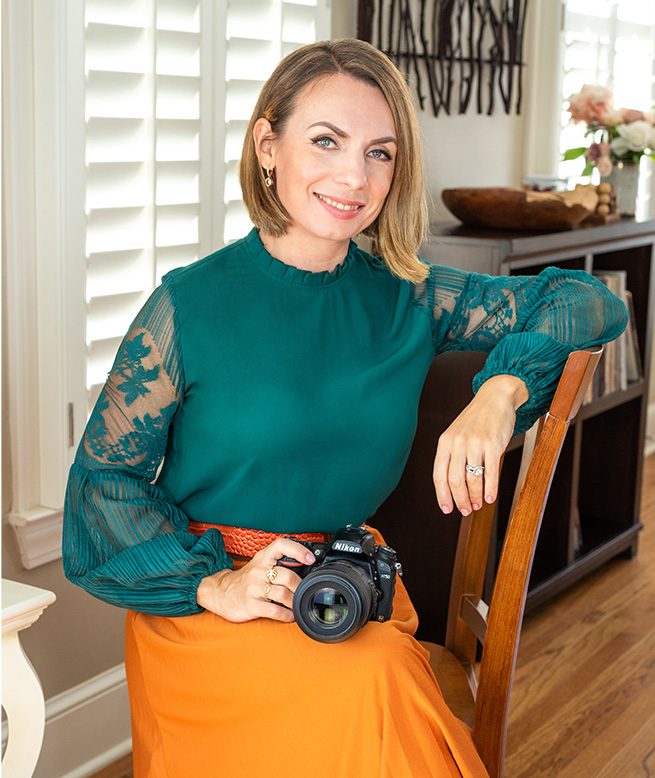
Elena Sullivan

elena sullivan macro photographer

How to Order My Giclee Photo Prints on Fine Art Paper

Ordering your giclee photo prints on fine art paper is easy! Just follow these simple steps to add stunning artwork to your space:

  1. Visit the SHOP Page:
    • Go to the SHOP page on my website to explore the collection of available photo prints.
  2. Choose Your Favorite Photo:
    • Browse through the photo prints and select the one that speaks to you and complements your decor.
  3. Select the Size:
    • Pick the size that works best for your space, whether you’re looking for a bold centerpiece or a smaller accent piece.
  4. Choose the Print Medium:
    • Decide between giclee print on fine art paper or other options to customize your artwork final look and feel.
  5. Review the Final Price:
    • Once you’ve made your selections, the total price will be shown for your convenience.
  6. Add to Cart:
    • Ready to purchase? Click Add to Cart. You can continue browsing for more prints or head to checkout.
  7. Complete Your Purchase:
    • When you’re ready to finalize, choose your preferred secure payment method:
      • WooPayments
      • Google Pay
  8. Finalize Your Order:
    • Follow the steps to complete your purchase, and your high-quality giclee print on fine art paper will be on its way to you!

Transform your space with art that brings beauty and inspiration to every room!

Visit my photo printS shop

  • Peony Dreams III
    • Select options This product has multiple variants. The options may be chosen on the product page

    Peony Dreams III

    $89.00 – $1,199.00Price range: $89.00 through $1,199.00
  • Peony Dreams II
    • Select options This product has multiple variants. The options may be chosen on the product page

    Peony Dreams II

    $89.00 – $1,199.00Price range: $89.00 through $1,199.00
  • Peony Dreams I
    • Select options This product has multiple variants. The options may be chosen on the product page

    Peony Dreams I

    $89.00 – $1,199.00Price range: $89.00 through $1,199.00
VIEW MORE

Ready to receive postcards of inspiration?

Get ready to be inspired! Subscribe to my newsletter for exclusive updates, captivating images, and behind-the-scenes stories. Join me on this creative journey!

Sign me up!

Follow Along With Me

Food in Paris feels like art made edible. Even if you don't speak a single word of French, you somehow understand it. You may struggle to pronounce the name of a pastry displayed behind the glass, but somehow that awkward feeling quickly disappears because beauty has a language of its own.

Standing in front of those beautifully arranged displays, filled with glossy éclairs, delicate fruit tarts, airy meringues, buttery croissants, silky creams, and desserts that almost seem too elegant to eat, you slowly realize that you don't actually need to read the labels. Everything important has already been communicated through texture, shape, and presentation.

It's a feast long before the first bite. The longer you stand there, the more difficult the decision becomes, because choosing just one suddenly feels like an almost unreasonable expectation. Your imagination has already tasted three different desserts before you've even reached the counter. And then... The brain arrives. That wonderfully rational part of us whose full-time job seems to be protecting us from making irresponsible decisions.

It quietly begins reminding us about calories, sugar, healthy eating, and every nutrition expert’s advice we've ever heard. Suddenly, somewhere between the raspberry tart and the chocolate éclair, an internal debate begins.

"Do you really need dessert?"

"Maybe just coffee?

"Remember everything you've learned about healthy eating."

Why does that conversation always seem to happen at exactly the wrong moment?

Because if there is one place in the world where food deserves to be enjoyed without endless negotiations with yourself, it might just be Paris.

Some moments simply deserve to be enjoyed for exactly what they are. And perhaps that's why I have absolutely no interest in counting calories while standing in front of a Parisian pâtisserie.

The calories certainly exist.

The emotional weight doesn't have to.

Because I would much rather remember the incredible croissant I ate in a little neighborhood café than spend years remembering how disciplined I was for saying no. Those memories last far longer.

#travel #paris #france #food #foodphotography
Food in Paris feels like art made edible. Even if you don't speak a single word of French, you somehow understand it. You may struggle to pronounce the name of a pastry displayed behind the glass, but somehow that awkward feeling quickly disappears because beauty has a language of its own.

Standing in front of those beautifully arranged displays, filled with glossy éclairs, delicate fruit tarts, airy meringues, buttery croissants, silky creams, and desserts that almost seem too elegant to eat, you slowly realize that you don't actually need to read the labels. Everything important has already been communicated through texture, shape, and presentation.

It's a feast long before the first bite. The longer you stand there, the more difficult the decision becomes, because choosing just one suddenly feels like an almost unreasonable expectation. Your imagination has already tasted three different desserts before you've even reached the counter. And then... The brain arrives. That wonderfully rational part of us whose full-time job seems to be protecting us from making irresponsible decisions.

It quietly begins reminding us about calories, sugar, healthy eating, and every nutrition expert’s advice we've ever heard. Suddenly, somewhere between the raspberry tart and the chocolate éclair, an internal debate begins.

"Do you really need dessert?"

"Maybe just coffee?

"Remember everything you've learned about healthy eating."

Why does that conversation always seem to happen at exactly the wrong moment?

Because if there is one place in the world where food deserves to be enjoyed without endless negotiations with yourself, it might just be Paris.

Some moments simply deserve to be enjoyed for exactly what they are. And perhaps that's why I have absolutely no interest in counting calories while standing in front of a Parisian pâtisserie.

The calories certainly exist.

The emotional weight doesn't have to.

Because I would much rather remember the incredible croissant I ate in a little neighborhood café than spend years remembering how disciplined I was for saying no. Those memories last far longer.

#travel #paris #france #food #foodphotography
Food in Paris feels like art made edible. Even if you don't speak a single word of French, you somehow understand it. You may struggle to pronounce the name of a pastry displayed behind the glass, but somehow that awkward feeling quickly disappears because beauty has a language of its own.

Standing in front of those beautifully arranged displays, filled with glossy éclairs, delicate fruit tarts, airy meringues, buttery croissants, silky creams, and desserts that almost seem too elegant to eat, you slowly realize that you don't actually need to read the labels. Everything important has already been communicated through texture, shape, and presentation.

It's a feast long before the first bite. The longer you stand there, the more difficult the decision becomes, because choosing just one suddenly feels like an almost unreasonable expectation. Your imagination has already tasted three different desserts before you've even reached the counter. And then... The brain arrives. That wonderfully rational part of us whose full-time job seems to be protecting us from making irresponsible decisions.

It quietly begins reminding us about calories, sugar, healthy eating, and every nutrition expert’s advice we've ever heard. Suddenly, somewhere between the raspberry tart and the chocolate éclair, an internal debate begins.

"Do you really need dessert?"

"Maybe just coffee?

"Remember everything you've learned about healthy eating."

Why does that conversation always seem to happen at exactly the wrong moment?

Because if there is one place in the world where food deserves to be enjoyed without endless negotiations with yourself, it might just be Paris.

Some moments simply deserve to be enjoyed for exactly what they are. And perhaps that's why I have absolutely no interest in counting calories while standing in front of a Parisian pâtisserie.

The calories certainly exist.

The emotional weight doesn't have to.

Because I would much rather remember the incredible croissant I ate in a little neighborhood café than spend years remembering how disciplined I was for saying no. Those memories last far longer.

#travel #paris #france #food #foodphotography
Food in Paris feels like art made edible. Even if you don't speak a single word of French, you somehow understand it. You may struggle to pronounce the name of a pastry displayed behind the glass, but somehow that awkward feeling quickly disappears because beauty has a language of its own.

Standing in front of those beautifully arranged displays, filled with glossy éclairs, delicate fruit tarts, airy meringues, buttery croissants, silky creams, and desserts that almost seem too elegant to eat, you slowly realize that you don't actually need to read the labels. Everything important has already been communicated through texture, shape, and presentation.

It's a feast long before the first bite. The longer you stand there, the more difficult the decision becomes, because choosing just one suddenly feels like an almost unreasonable expectation. Your imagination has already tasted three different desserts before you've even reached the counter. And then... The brain arrives. That wonderfully rational part of us whose full-time job seems to be protecting us from making irresponsible decisions.

It quietly begins reminding us about calories, sugar, healthy eating, and every nutrition expert’s advice we've ever heard. Suddenly, somewhere between the raspberry tart and the chocolate éclair, an internal debate begins.

"Do you really need dessert?"

"Maybe just coffee?

"Remember everything you've learned about healthy eating."

Why does that conversation always seem to happen at exactly the wrong moment?

Because if there is one place in the world where food deserves to be enjoyed without endless negotiations with yourself, it might just be Paris.

Some moments simply deserve to be enjoyed for exactly what they are. And perhaps that's why I have absolutely no interest in counting calories while standing in front of a Parisian pâtisserie.

The calories certainly exist.

The emotional weight doesn't have to.

Because I would much rather remember the incredible croissant I ate in a little neighborhood café than spend years remembering how disciplined I was for saying no. Those memories last far longer.

#travel #paris #france #food #foodphotography
Food in Paris feels like art made edible. Even if you don't speak a single word of French, you somehow understand it. You may struggle to pronounce the name of a pastry displayed behind the glass, but somehow that awkward feeling quickly disappears because beauty has a language of its own.

Standing in front of those beautifully arranged displays, filled with glossy éclairs, delicate fruit tarts, airy meringues, buttery croissants, silky creams, and desserts that almost seem too elegant to eat, you slowly realize that you don't actually need to read the labels. Everything important has already been communicated through texture, shape, and presentation.

It's a feast long before the first bite. The longer you stand there, the more difficult the decision becomes, because choosing just one suddenly feels like an almost unreasonable expectation. Your imagination has already tasted three different desserts before you've even reached the counter. And then... The brain arrives. That wonderfully rational part of us whose full-time job seems to be protecting us from making irresponsible decisions.

It quietly begins reminding us about calories, sugar, healthy eating, and every nutrition expert’s advice we've ever heard. Suddenly, somewhere between the raspberry tart and the chocolate éclair, an internal debate begins.

"Do you really need dessert?"

"Maybe just coffee?

"Remember everything you've learned about healthy eating."

Why does that conversation always seem to happen at exactly the wrong moment?

Because if there is one place in the world where food deserves to be enjoyed without endless negotiations with yourself, it might just be Paris.

Some moments simply deserve to be enjoyed for exactly what they are. And perhaps that's why I have absolutely no interest in counting calories while standing in front of a Parisian pâtisserie.

The calories certainly exist.

The emotional weight doesn't have to.

Because I would much rather remember the incredible croissant I ate in a little neighborhood café than spend years remembering how disciplined I was for saying no. Those memories last far longer.

#travel #paris #france #food #foodphotography
Food in Paris feels like art made edible. Even if you don't speak a single word of French, you somehow understand it. You may struggle to pronounce the name of a pastry displayed behind the glass, but somehow that awkward feeling quickly disappears because beauty has a language of its own.

Standing in front of those beautifully arranged displays, filled with glossy éclairs, delicate fruit tarts, airy meringues, buttery croissants, silky creams, and desserts that almost seem too elegant to eat, you slowly realize that you don't actually need to read the labels. Everything important has already been communicated through texture, shape, and presentation.

It's a feast long before the first bite. The longer you stand there, the more difficult the decision becomes, because choosing just one suddenly feels like an almost unreasonable expectation. Your imagination has already tasted three different desserts before you've even reached the counter. And then... The brain arrives. That wonderfully rational part of us whose full-time job seems to be protecting us from making irresponsible decisions.

It quietly begins reminding us about calories, sugar, healthy eating, and every nutrition expert’s advice we've ever heard. Suddenly, somewhere between the raspberry tart and the chocolate éclair, an internal debate begins.

"Do you really need dessert?"

"Maybe just coffee?

"Remember everything you've learned about healthy eating."

Why does that conversation always seem to happen at exactly the wrong moment?

Because if there is one place in the world where food deserves to be enjoyed without endless negotiations with yourself, it might just be Paris.

Some moments simply deserve to be enjoyed for exactly what they are. And perhaps that's why I have absolutely no interest in counting calories while standing in front of a Parisian pâtisserie.

The calories certainly exist.

The emotional weight doesn't have to.

Because I would much rather remember the incredible croissant I ate in a little neighborhood café than spend years remembering how disciplined I was for saying no. Those memories last far longer.

#travel #paris #france #food #foodphotography
Food in Paris feels like art made edible. Even if you don't speak a single word of French, you somehow understand it. You may struggle to pronounce the name of a pastry displayed behind the glass, but somehow that awkward feeling quickly disappears because beauty has a language of its own.

Standing in front of those beautifully arranged displays, filled with glossy éclairs, delicate fruit tarts, airy meringues, buttery croissants, silky creams, and desserts that almost seem too elegant to eat, you slowly realize that you don't actually need to read the labels. Everything important has already been communicated through texture, shape, and presentation.

It's a feast long before the first bite. The longer you stand there, the more difficult the decision becomes, because choosing just one suddenly feels like an almost unreasonable expectation. Your imagination has already tasted three different desserts before you've even reached the counter. And then... The brain arrives. That wonderfully rational part of us whose full-time job seems to be protecting us from making irresponsible decisions.

It quietly begins reminding us about calories, sugar, healthy eating, and every nutrition expert’s advice we've ever heard. Suddenly, somewhere between the raspberry tart and the chocolate éclair, an internal debate begins.

"Do you really need dessert?"

"Maybe just coffee?

"Remember everything you've learned about healthy eating."

Why does that conversation always seem to happen at exactly the wrong moment?

Because if there is one place in the world where food deserves to be enjoyed without endless negotiations with yourself, it might just be Paris.

Some moments simply deserve to be enjoyed for exactly what they are. And perhaps that's why I have absolutely no interest in counting calories while standing in front of a Parisian pâtisserie.

The calories certainly exist.

The emotional weight doesn't have to.

Because I would much rather remember the incredible croissant I ate in a little neighborhood café than spend years remembering how disciplined I was for saying no. Those memories last far longer.

#travel #paris #france #food #foodphotography
Food in Paris feels like art made edible. Even if you don't speak a single word of French, you somehow understand it. You may struggle to pronounce the name of a pastry displayed behind the glass, but somehow that awkward feeling quickly disappears because beauty has a language of its own.

Standing in front of those beautifully arranged displays, filled with glossy éclairs, delicate fruit tarts, airy meringues, buttery croissants, silky creams, and desserts that almost seem too elegant to eat, you slowly realize that you don't actually need to read the labels. Everything important has already been communicated through texture, shape, and presentation.

It's a feast long before the first bite. The longer you stand there, the more difficult the decision becomes, because choosing just one suddenly feels like an almost unreasonable expectation. Your imagination has already tasted three different desserts before you've even reached the counter. And then... The brain arrives. That wonderfully rational part of us whose full-time job seems to be protecting us from making irresponsible decisions.

It quietly begins reminding us about calories, sugar, healthy eating, and every nutrition expert’s advice we've ever heard. Suddenly, somewhere between the raspberry tart and the chocolate éclair, an internal debate begins.

"Do you really need dessert?"

"Maybe just coffee?

"Remember everything you've learned about healthy eating."

Why does that conversation always seem to happen at exactly the wrong moment?

Because if there is one place in the world where food deserves to be enjoyed without endless negotiations with yourself, it might just be Paris.

Some moments simply deserve to be enjoyed for exactly what they are. And perhaps that's why I have absolutely no interest in counting calories while standing in front of a Parisian pâtisserie.

The calories certainly exist.

The emotional weight doesn't have to.

Because I would much rather remember the incredible croissant I ate in a little neighborhood café than spend years remembering how disciplined I was for saying no. Those memories last far longer.

#travel #paris #france #food #foodphotography
Food in Paris feels like art made edible. Even if you don't speak a single word of French, you somehow understand it. You may struggle to pronounce the name of a pastry displayed behind the glass, but somehow that awkward feeling quickly disappears because beauty has a language of its own.

Standing in front of those beautifully arranged displays, filled with glossy éclairs, delicate fruit tarts, airy meringues, buttery croissants, silky creams, and desserts that almost seem too elegant to eat, you slowly realize that you don't actually need to read the labels. Everything important has already been communicated through texture, shape, and presentation.

It's a feast long before the first bite. The longer you stand there, the more difficult the decision becomes, because choosing just one suddenly feels like an almost unreasonable expectation. Your imagination has already tasted three different desserts before you've even reached the counter. And then... The brain arrives. That wonderfully rational part of us whose full-time job seems to be protecting us from making irresponsible decisions.

It quietly begins reminding us about calories, sugar, healthy eating, and every nutrition expert’s advice we've ever heard. Suddenly, somewhere between the raspberry tart and the chocolate éclair, an internal debate begins.

"Do you really need dessert?"

"Maybe just coffee?

"Remember everything you've learned about healthy eating."

Why does that conversation always seem to happen at exactly the wrong moment?

Because if there is one place in the world where food deserves to be enjoyed without endless negotiations with yourself, it might just be Paris.

Some moments simply deserve to be enjoyed for exactly what they are. And perhaps that's why I have absolutely no interest in counting calories while standing in front of a Parisian pâtisserie.

The calories certainly exist.

The emotional weight doesn't have to.

Because I would much rather remember the incredible croissant I ate in a little neighborhood café than spend years remembering how disciplined I was for saying no. Those memories last far longer.

#travel #paris #france #food #foodphotography
Food in Paris feels like art made edible. Even if you don't speak a single word of French, you somehow understand it. You may struggle to pronounce the name of a pastry displayed behind the glass, but somehow that awkward feeling quickly disappears because beauty has a language of its own.

Standing in front of those beautifully arranged displays, filled with glossy éclairs, delicate fruit tarts, airy meringues, buttery croissants, silky creams, and desserts that almost seem too elegant to eat, you slowly realize that you don't actually need to read the labels. Everything important has already been communicated through texture, shape, and presentation.

It's a feast long before the first bite. The longer you stand there, the more difficult the decision becomes, because choosing just one suddenly feels like an almost unreasonable expectation. Your imagination has already tasted three different desserts before you've even reached the counter. And then... The brain arrives. That wonderfully rational part of us whose full-time job seems to be protecting us from making irresponsible decisions.

It quietly begins reminding us about calories, sugar, healthy eating, and every nutrition expert’s advice we've ever heard. Suddenly, somewhere between the raspberry tart and the chocolate éclair, an internal debate begins.

"Do you really need dessert?"

"Maybe just coffee?

"Remember everything you've learned about healthy eating."

Why does that conversation always seem to happen at exactly the wrong moment?

Because if there is one place in the world where food deserves to be enjoyed without endless negotiations with yourself, it might just be Paris.

Some moments simply deserve to be enjoyed for exactly what they are. And perhaps that's why I have absolutely no interest in counting calories while standing in front of a Parisian pâtisserie.

The calories certainly exist.

The emotional weight doesn't have to.

Because I would much rather remember the incredible croissant I ate in a little neighborhood café than spend years remembering how disciplined I was for saying no. Those memories last far longer.

#travel #paris #france #food #foodphotography
•
Follow
Food in Paris feels like art made edible. Even if you don't speak a single word of French, you somehow understand it. You may struggle to pronounce the name of a pastry displayed behind the glass, but somehow that awkward feeling quickly disappears because beauty has a language of its own. Standing in front of those beautifully arranged displays, filled with glossy éclairs, delicate fruit tarts, airy meringues, buttery croissants, silky creams, and desserts that almost seem too elegant to eat, you slowly realize that you don't actually need to read the labels. Everything important has already been communicated through texture, shape, and presentation. It's a feast long before the first bite. The longer you stand there, the more difficult the decision becomes, because choosing just one suddenly feels like an almost unreasonable expectation. Your imagination has already tasted three different desserts before you've even reached the counter. And then... The brain arrives. That wonderfully rational part of us whose full-time job seems to be protecting us from making irresponsible decisions. It quietly begins reminding us about calories, sugar, healthy eating, and every nutrition expert’s advice we've ever heard. Suddenly, somewhere between the raspberry tart and the chocolate éclair, an internal debate begins. "Do you really need dessert?" "Maybe just coffee? "Remember everything you've learned about healthy eating." Why does that conversation always seem to happen at exactly the wrong moment? Because if there is one place in the world where food deserves to be enjoyed without endless negotiations with yourself, it might just be Paris. Some moments simply deserve to be enjoyed for exactly what they are. And perhaps that's why I have absolutely no interest in counting calories while standing in front of a Parisian pâtisserie. The calories certainly exist. The emotional weight doesn't have to. Because I would much rather remember the incredible croissant I ate in a little neighborhood café than spend years remembering how disciplined I was for saying no. Those memories last far longer. #travel #paris #france #food #foodphotography
6 days ago
View on Instagram |
1/5
La Feria de Málaga #malaga #spain #travel
•
Follow
La Feria de Málaga #malaga #spain #travel
1 week ago
View on Instagram |
2/5
More of Féria de Malaga #spain #malaga #feriademalaga
•
Follow
More of Féria de Malaga #spain #malaga #feriademalaga
1 week ago
View on Instagram |
3/5
La Feria de Málaga #malaga #spain
•
Follow
La Feria de Málaga #malaga #spain
2 weeks ago
View on Instagram |
4/5
Almáchar is another little white village tucked away in the hills of La Axarquía, and another place we discovered while exploring the famous Ruta de la Pasa.

Like Moclinejo, this is a village where you quickly realize that the landscape and the local way of life are closely connected to grapes and raisins. Moscatel grapes have been cultivated here for generations, with the traditional production of raisins becoming an important part of the local economy and identity.

Walking through Almáchar, you get that feeling of a place that has grown organically around its landscape - whitewashed houses, narrow streets, steep little corners, and views opening toward the vineyards and hills around the village.

Almáchar also has a small Museo de la Pasa, housed in a traditional two-story home, where you can see the tools and everyday objects connected to the old raisin-making tradition.

Another small corner of Andalusia that reminded me how much there is to discover once you leave the more obvious tourist routes.

#travelphotographer #spain #whitevillage #travelphoto #andalucia
Almáchar is another little white village tucked away in the hills of La Axarquía, and another place we discovered while exploring the famous Ruta de la Pasa.

Like Moclinejo, this is a village where you quickly realize that the landscape and the local way of life are closely connected to grapes and raisins. Moscatel grapes have been cultivated here for generations, with the traditional production of raisins becoming an important part of the local economy and identity.

Walking through Almáchar, you get that feeling of a place that has grown organically around its landscape - whitewashed houses, narrow streets, steep little corners, and views opening toward the vineyards and hills around the village.

Almáchar also has a small Museo de la Pasa, housed in a traditional two-story home, where you can see the tools and everyday objects connected to the old raisin-making tradition.

Another small corner of Andalusia that reminded me how much there is to discover once you leave the more obvious tourist routes.

#travelphotographer #spain #whitevillage #travelphoto #andalucia
Almáchar is another little white village tucked away in the hills of La Axarquía, and another place we discovered while exploring the famous Ruta de la Pasa.

Like Moclinejo, this is a village where you quickly realize that the landscape and the local way of life are closely connected to grapes and raisins. Moscatel grapes have been cultivated here for generations, with the traditional production of raisins becoming an important part of the local economy and identity.

Walking through Almáchar, you get that feeling of a place that has grown organically around its landscape - whitewashed houses, narrow streets, steep little corners, and views opening toward the vineyards and hills around the village.

Almáchar also has a small Museo de la Pasa, housed in a traditional two-story home, where you can see the tools and everyday objects connected to the old raisin-making tradition.

Another small corner of Andalusia that reminded me how much there is to discover once you leave the more obvious tourist routes.

#travelphotographer #spain #whitevillage #travelphoto #andalucia
Almáchar is another little white village tucked away in the hills of La Axarquía, and another place we discovered while exploring the famous Ruta de la Pasa.

Like Moclinejo, this is a village where you quickly realize that the landscape and the local way of life are closely connected to grapes and raisins. Moscatel grapes have been cultivated here for generations, with the traditional production of raisins becoming an important part of the local economy and identity.

Walking through Almáchar, you get that feeling of a place that has grown organically around its landscape - whitewashed houses, narrow streets, steep little corners, and views opening toward the vineyards and hills around the village.

Almáchar also has a small Museo de la Pasa, housed in a traditional two-story home, where you can see the tools and everyday objects connected to the old raisin-making tradition.

Another small corner of Andalusia that reminded me how much there is to discover once you leave the more obvious tourist routes.

#travelphotographer #spain #whitevillage #travelphoto #andalucia
Almáchar is another little white village tucked away in the hills of La Axarquía, and another place we discovered while exploring the famous Ruta de la Pasa.

Like Moclinejo, this is a village where you quickly realize that the landscape and the local way of life are closely connected to grapes and raisins. Moscatel grapes have been cultivated here for generations, with the traditional production of raisins becoming an important part of the local economy and identity.

Walking through Almáchar, you get that feeling of a place that has grown organically around its landscape - whitewashed houses, narrow streets, steep little corners, and views opening toward the vineyards and hills around the village.

Almáchar also has a small Museo de la Pasa, housed in a traditional two-story home, where you can see the tools and everyday objects connected to the old raisin-making tradition.

Another small corner of Andalusia that reminded me how much there is to discover once you leave the more obvious tourist routes.

#travelphotographer #spain #whitevillage #travelphoto #andalucia
Almáchar is another little white village tucked away in the hills of La Axarquía, and another place we discovered while exploring the famous Ruta de la Pasa.

Like Moclinejo, this is a village where you quickly realize that the landscape and the local way of life are closely connected to grapes and raisins. Moscatel grapes have been cultivated here for generations, with the traditional production of raisins becoming an important part of the local economy and identity.

Walking through Almáchar, you get that feeling of a place that has grown organically around its landscape - whitewashed houses, narrow streets, steep little corners, and views opening toward the vineyards and hills around the village.

Almáchar also has a small Museo de la Pasa, housed in a traditional two-story home, where you can see the tools and everyday objects connected to the old raisin-making tradition.

Another small corner of Andalusia that reminded me how much there is to discover once you leave the more obvious tourist routes.

#travelphotographer #spain #whitevillage #travelphoto #andalucia
Almáchar is another little white village tucked away in the hills of La Axarquía, and another place we discovered while exploring the famous Ruta de la Pasa.

Like Moclinejo, this is a village where you quickly realize that the landscape and the local way of life are closely connected to grapes and raisins. Moscatel grapes have been cultivated here for generations, with the traditional production of raisins becoming an important part of the local economy and identity.

Walking through Almáchar, you get that feeling of a place that has grown organically around its landscape - whitewashed houses, narrow streets, steep little corners, and views opening toward the vineyards and hills around the village.

Almáchar also has a small Museo de la Pasa, housed in a traditional two-story home, where you can see the tools and everyday objects connected to the old raisin-making tradition.

Another small corner of Andalusia that reminded me how much there is to discover once you leave the more obvious tourist routes.

#travelphotographer #spain #whitevillage #travelphoto #andalucia
Almáchar is another little white village tucked away in the hills of La Axarquía, and another place we discovered while exploring the famous Ruta de la Pasa.

Like Moclinejo, this is a village where you quickly realize that the landscape and the local way of life are closely connected to grapes and raisins. Moscatel grapes have been cultivated here for generations, with the traditional production of raisins becoming an important part of the local economy and identity.

Walking through Almáchar, you get that feeling of a place that has grown organically around its landscape - whitewashed houses, narrow streets, steep little corners, and views opening toward the vineyards and hills around the village.

Almáchar also has a small Museo de la Pasa, housed in a traditional two-story home, where you can see the tools and everyday objects connected to the old raisin-making tradition.

Another small corner of Andalusia that reminded me how much there is to discover once you leave the more obvious tourist routes.

#travelphotographer #spain #whitevillage #travelphoto #andalucia
Almáchar is another little white village tucked away in the hills of La Axarquía, and another place we discovered while exploring the famous Ruta de la Pasa.

Like Moclinejo, this is a village where you quickly realize that the landscape and the local way of life are closely connected to grapes and raisins. Moscatel grapes have been cultivated here for generations, with the traditional production of raisins becoming an important part of the local economy and identity.

Walking through Almáchar, you get that feeling of a place that has grown organically around its landscape - whitewashed houses, narrow streets, steep little corners, and views opening toward the vineyards and hills around the village.

Almáchar also has a small Museo de la Pasa, housed in a traditional two-story home, where you can see the tools and everyday objects connected to the old raisin-making tradition.

Another small corner of Andalusia that reminded me how much there is to discover once you leave the more obvious tourist routes.

#travelphotographer #spain #whitevillage #travelphoto #andalucia
Almáchar is another little white village tucked away in the hills of La Axarquía, and another place we discovered while exploring the famous Ruta de la Pasa.

Like Moclinejo, this is a village where you quickly realize that the landscape and the local way of life are closely connected to grapes and raisins. Moscatel grapes have been cultivated here for generations, with the traditional production of raisins becoming an important part of the local economy and identity.

Walking through Almáchar, you get that feeling of a place that has grown organically around its landscape - whitewashed houses, narrow streets, steep little corners, and views opening toward the vineyards and hills around the village.

Almáchar also has a small Museo de la Pasa, housed in a traditional two-story home, where you can see the tools and everyday objects connected to the old raisin-making tradition.

Another small corner of Andalusia that reminded me how much there is to discover once you leave the more obvious tourist routes.

#travelphotographer #spain #whitevillage #travelphoto #andalucia
•
Follow
Almáchar is another little white village tucked away in the hills of La Axarquía, and another place we discovered while exploring the famous Ruta de la Pasa. Like Moclinejo, this is a village where you quickly realize that the landscape and the local way of life are closely connected to grapes and raisins. Moscatel grapes have been cultivated here for generations, with the traditional production of raisins becoming an important part of the local economy and identity. Walking through Almáchar, you get that feeling of a place that has grown organically around its landscape - whitewashed houses, narrow streets, steep little corners, and views opening toward the vineyards and hills around the village. Almáchar also has a small Museo de la Pasa, housed in a traditional two-story home, where you can see the tools and everyday objects connected to the old raisin-making tradition. Another small corner of Andalusia that reminded me how much there is to discover once you leave the more obvious tourist routes. #travelphotographer #spain #whitevillage #travelphoto #andalucia
2 weeks ago
View on Instagram |
5/5
@elenasullivanphotographer
  • Home
  • About
  • Gallery
  • Blog
  • Privacy Policy
  • Terms and Conditions
  • Shipping Info
  • Return Policy
  • Photo Classes
  • Contact

Copyright © 2026 Elena Sullivan Fine Art Photography. All Rights Reserved. Site Powered by Pix & Hue.