Often, when I start writing about Spain, I nostalgically try to draw parallels with my first solo travel experience in Spain in 2013, which I wrote about in my article “How traveling solo with a one-way ticket changed my life?” Now it is 2026, and it feels like solo travel for women has become both easier and more complicated. Easier because technology has developed so much, giving us more options for getting around. But at the same time, having so many options can make choosing more complicated or at least take much more time. On my first trip to Madrid, I used public transport, including metro. When I traveled solo to Barcelona, Seville and Valencia, I chose the same way of getting around. It was easy and straightforward. The first time, of course, I spent a little longer standing in front of the ticket machine, trying to figure out how to buy a metro card. Learning to do something for the first time and becoming more confident as you go is also part of the experience of solo female travel.
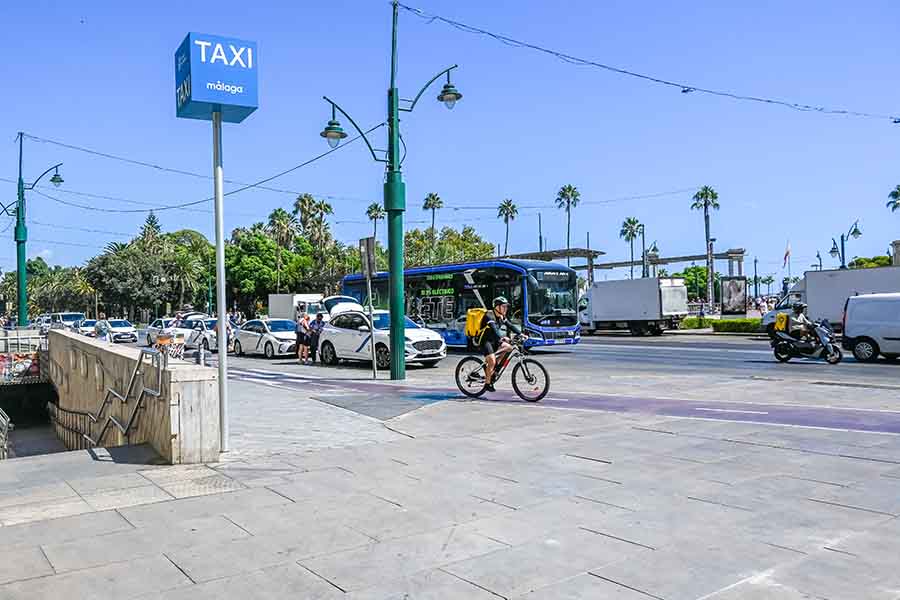
When my husband and I moved to Spain in 2025, (details I shared in this article “Moving to Spain from the United States. Our NLV Visa Journey to Costa del Sol”) new options were added to ways of getting around each city in Spain, including Uber and Bolt. Both apps entered the Spanish market after my solo travels around Spain. And I am pretty sure that if I were traveling around Spain alone again today, I would use these apps quite a lot. They are convenient and available in many Spanish cities, although not everywhere. For example, in Ronda, an unusually beautiful town about an hour from Marbella and around two hours from Málaga, these apps do not operate. In that case, your options are limited to public transport or taxis, which are usually found at designated taxi ranks marked with the appropriate signs.
Choosing how to move around is also an important part of planning the best solo destinations to visit in Spain. (BTW check out this article “Best Solo Travel Destinations in Spain for Women”) Some places are incredibly easy to explore by train or public transport, while others are much more convenient with a car or taxi. In the next section, I’ll look in more detail at the different options for getting around Spain and what I think works best for women traveling solo.
Best Ways to Move Around Spain for Women Traveling Solo
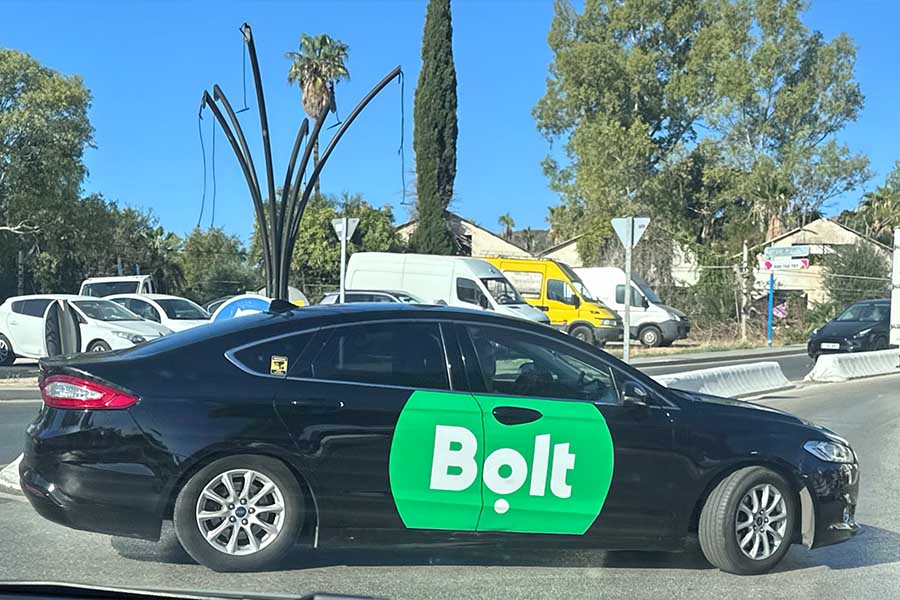
Today, in 2026, I would risk saying that most people around the world have heard of Uber. In Spain, the app is also widely used, together with its competitor, Bolt.
For women traveling solo from the United States, Uber might feel more familiar, simply because it is so widely used there. One thing that surprised me the first time I used it in Spain was ordering an Uber and seeing a car arrive with a Bolt logo. There is no need to worry, many drivers work with both apps. When this happened to me for the first time, I asked my friendly driver about it, and he explained how it works.
In general, I have found both apps very convenient and easy to use. Just keep in mind is that during rush hour, and especially during the busy tourist season in July and August, waiting times can be a little longer than usual, so it is worth planning some extra time.
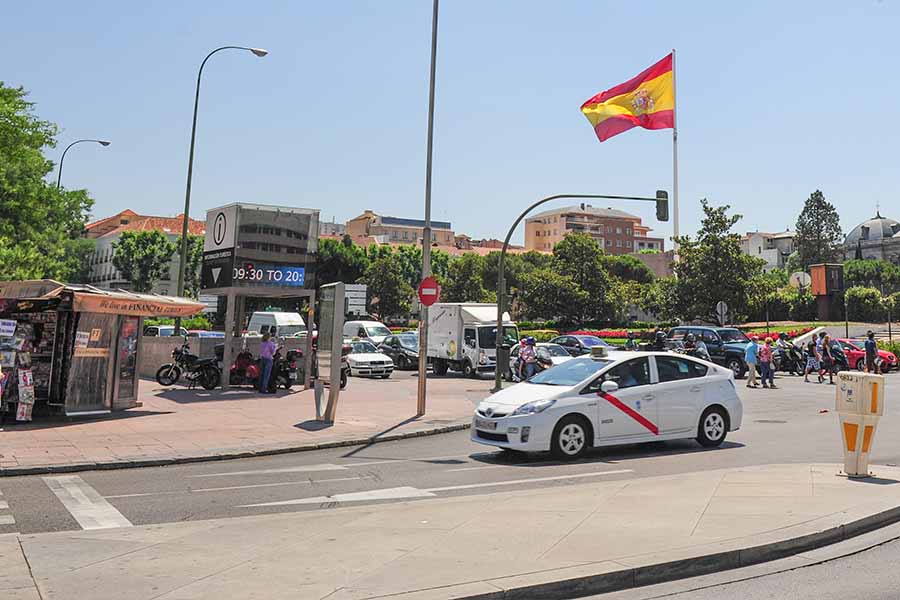
Also, keep in mind that Uber and Bolt are not available in every Spanish city, particularly in smaller towns away from the main tourist centres. When these apps are not available, the easiest option is usually a local taxi. Taxis can normally be found at designated taxi ranks, and you can usually pay either by card or in cash.
Metro
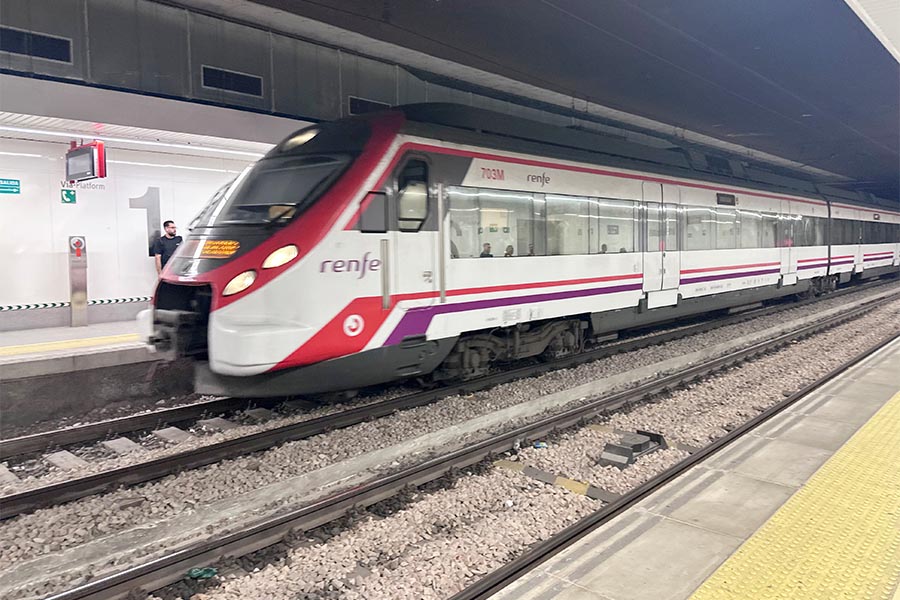
The metro is available in many of Spain’s larger cities, including Madrid, Barcelona, Valencia, Bilbao, Seville, Alicante, Málaga, Palma de Mallorca and Granada. Prices vary from city to city, but the system is generally quite similar. You can usually choose between single tickets and multi-ride or travel passes, which can be a good option if you are staying in a city for a week or more and plan to use public transport frequently.
I live in Torremolinos, near Málaga, and often use the metro myself. I find it very convenient, fast and safe, especially for solo female travel.If you are planning to travel solo around Spain, the metro can be one of the easiest ways to move around without having to worry about driving or parking.
For a more comfortable and predictable journey, I recommend checking the train times before heading to the station. The only time you may have to wait is if your train has just left. The usual interval can be around 10–15 minutes, depending on the city and line. If you would rather avoid waiting, simply check the official metro website for the city you are visiting and look at the timetable before you leave.
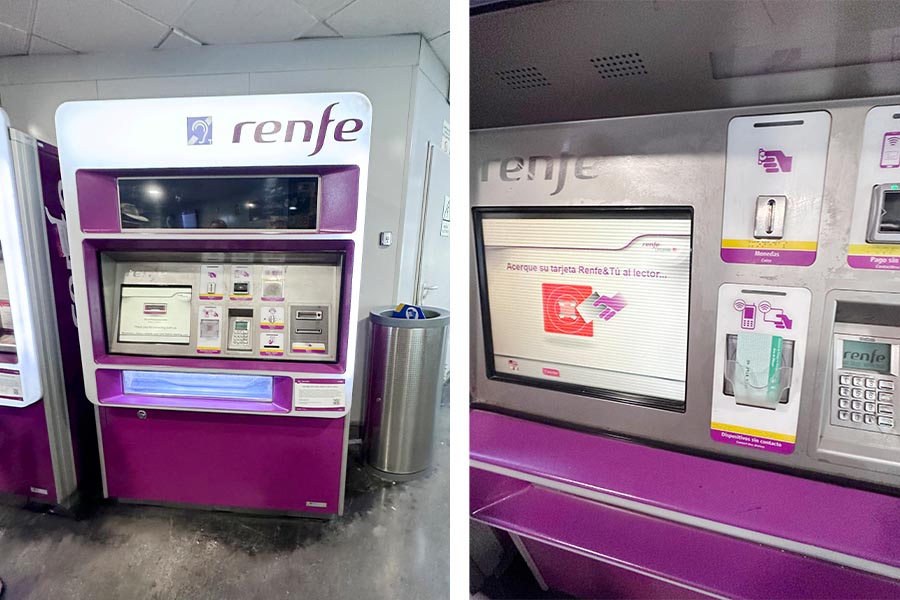
Buying a metro ticket is easy and you can pay by cash or card
Public Transport
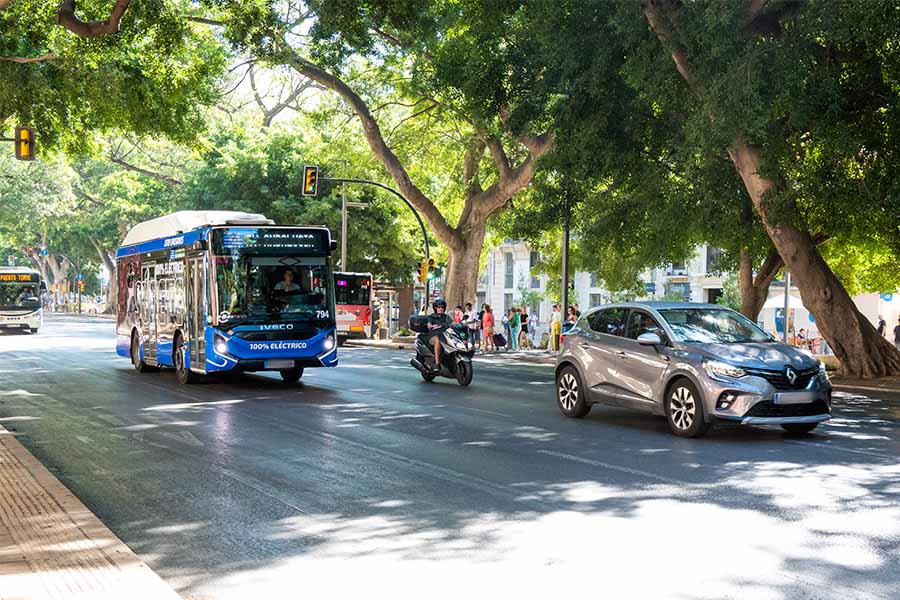
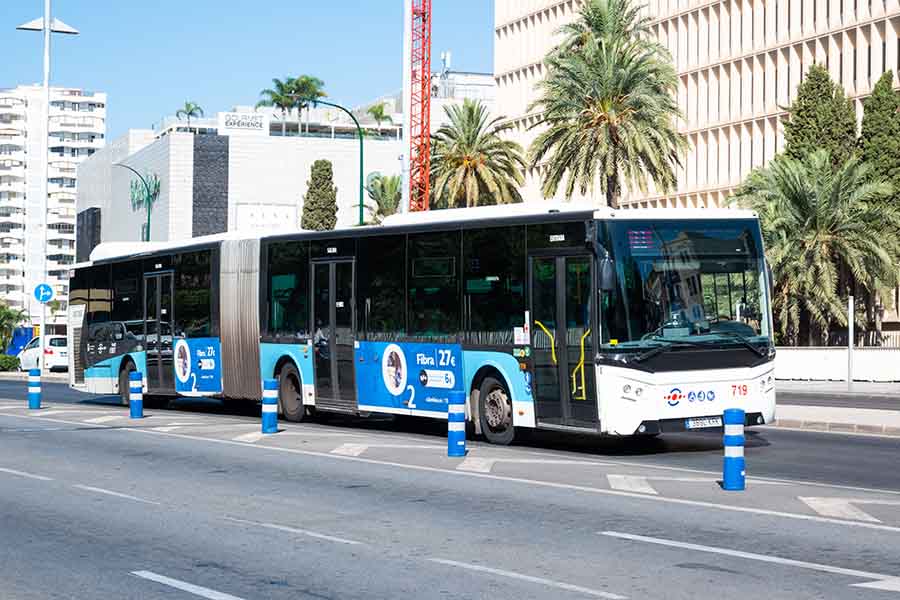
Public transport is a very convenient way to travel around Spain, especially in larger cities such as Madrid, Barcelona, Seville and Valencia. Along the Costa del Sol, the public transport network is also quite well developed, and you can use buses to move around the cities as well as between different towns.
When it comes to travelling along the Costa del Sol, buses operated by Avanza connect many of the coastal towns. Most cities have a main bus station where many routes begin, although buses often make stops in different areas before joining the main A-7 highway towards their destination.
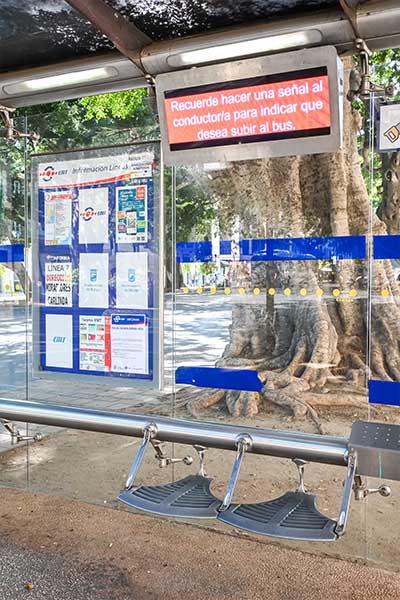
Local buses also run regularly within the cities. Payment is usually made when you get on the bus, so as with any solo travel, I recommend keeping a small amount of cash with you. Depending on the city and route, card payment may also be available, but I would not rely on it completely. The buses usually have route maps and a screen or display showing the next stop, so pay attention if you are travelling somewhere for the first time and do not want to miss your stop. I also find it helpful to follow the route on Google Maps or Apple Maps, especially when using a bus route for the first time. Each bus stop has a timetable, and from my experience, buses generally arrive quite close to the scheduled time. For solo female travel,I find buses a simple and affordable way to explore Spain, especially when you want to move around without renting a car.
If you are planning your trip in advance and want to learn more about public transport in Málaga and along the Costa del Sol, it is worth checking the official website of the Consorcio de Transporte Metropolitano del Área de Málaga. You can find information about routes, timetables and transport options before your trip.
Local Taxi
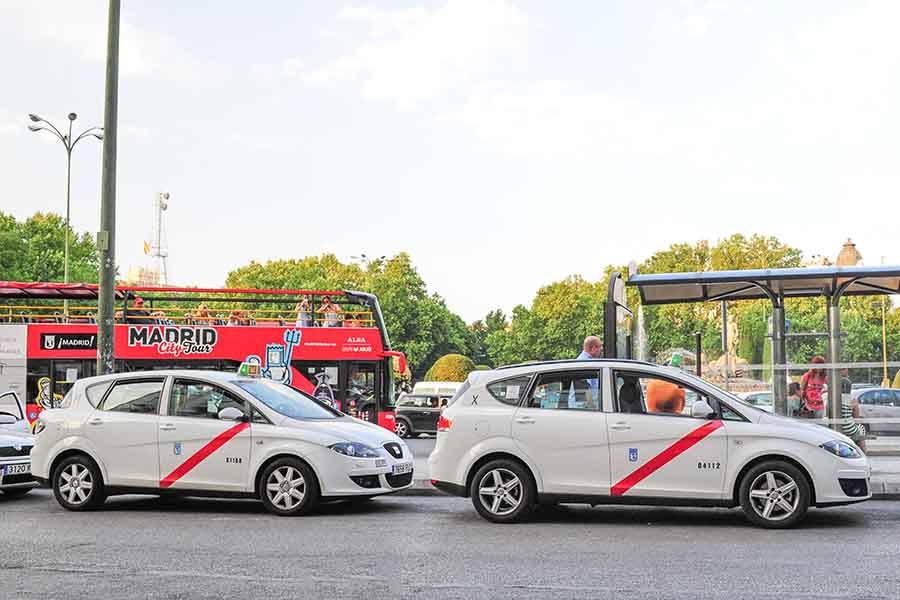
Taxis can be especially useful in Spain when you are travelling at night, carrying luggage, or heading somewhere that isn’t well connected by public transport. In most Spanish cities, there are designated taxi ranks where you can easily find a car, or you can request one through the PideTaxi app, which operates exclusively in Spain and connects passengers with regulated local taxis in more than 120 cities and towns across the country. You can usually pay for your taxi either by card or in cash. Taking a local taxi is one of those small conveniences that can make a female solo trip feel much easier, especially at the end of a long day when you simply want to get back to your hotel without thinking too much about the journey.
Renting a Car
When we moved to Spain, we decided to rent a car for two weeks so that we could get used to our new surroundings and explore the area more easily. We used a company called “HARO Rent a Car,” and overall, the whole process, from booking online to returning the keys, was very smooth. We contacted the company by email and received confirmation with the date and time when we needed to come to their office. On the day, we arrived, signed the agreement, collected the car and were on our way. The whole process took no more than 30 minutes.
Having a car definitely gives you more freedom and comfort, especially when you want to explore places that are difficult to reach by public transport. Though, I didn’t feel that comfortable at all first couple of month driving in Spain. The narrow roads and small parking spaces meant that I was constantly paying attention and driving with more tension than usual.
One thing to consider when renting a car in Spain is if you want a manual or automatic car. If you are used to driving an automatic, especially if you are coming from the United States, make sure to book it in advance. Automatic cars can be more limited and sometimes more expensive than manual ones. If you are planning a longer road trip, also check your route for toll roads. Some of the main highways in Spain are toll-free, but there are still some peajes (toll roads), so it is worth knowing in advance if you will need to pay along the way. At the toll booths, you can usually pay either by cash or card, and the cost can range from around €3 to €10, depending on the road and distance. If you decide to rent a car in Spain, keep parking in mind. In many towns and cities, finding a free parking space can be challenging, and sometimes you may find yourself driving around for quite a while before finding somewhere to leave the car. This was one of those many things I had to get used to when we first arrived in Spain.
Bikes and Scooters
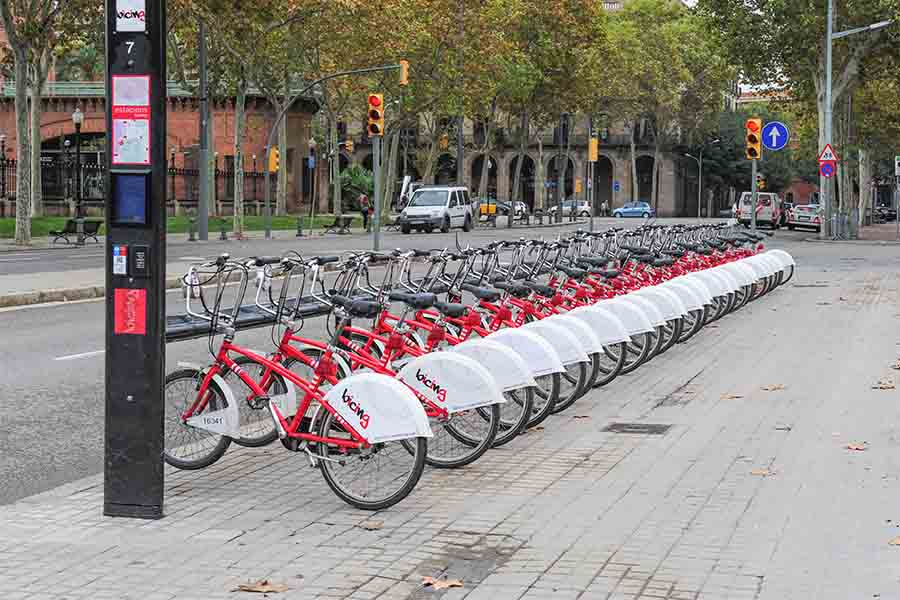
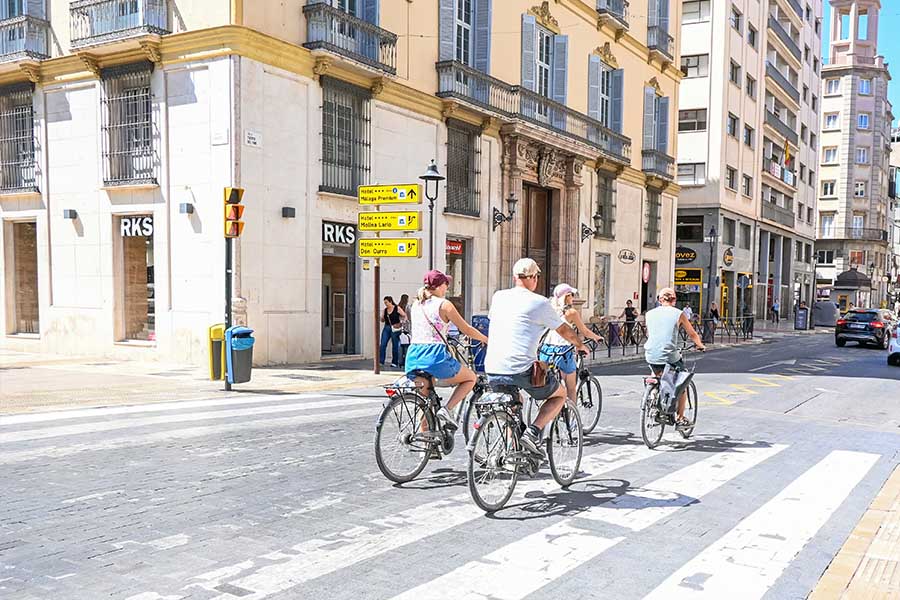
Bikes and scooters are another popular way to get around Spain, and they can give you a little more independence during your solo trip. With a bike, you can easily reach places that might be less convenient to get to by car or public transport, while also enjoying the city at your own pace.
In larger Spanish cities, there are plenty of bike rental stations, which makes renting a bike quite easy. In Barcelona and Madrid, as well as in many parts of Málaga, there are also dedicated bike lanes, so cycling around the city can be a comfortable option.
If you are one of those solo travellers who enjoys getting around by bike, there are several rental apps you can have on your phone. BiciMAD in Madrid, SEVICI in Seville, and RideMovi, which operates in several cities across Spain, are just a few examples.
Scooters can be just as convenient, but there are a few things worth knowing before you rent one. Electric scooters are subject to local traffic rules, and in many places you can’t ride them on sidewalks or pedestrian areas. Parking is another thing to keep in mind, as you generally can’t simply leave the scooter anywhere you want. Each city has its own rules, and some have designated areas where shared scooters must be parked.
As you can see, getting around Spain is relatively easy, thanks to the well-developed public transport system and the availability of modern apps for booking taxis and rides. Before we bought a car here, we often used either Uber or public transport. Which one we chose depended mostly on how quickly we needed to get somewhere and how far away our destination was.
Now that we have a car, I still often choose the metro when I need to go to Málaga or to one of the towns in the direction of Fuengirola. During the busy tourist season, taking the metro can actually be faster, and it also solves one of my biggest concerns – parking. When I take the metro, I simply don’t have to think about where I am going to leave the car. If comfort is your priority, there are several ride-hailing apps available, and sometimes the easiest choice is simply to order a car and enjoy the journey without worrying about traffic, parking or changing transport.
All images in this article were taken by Elena Sullivan, ArsVie Photo Studio and are protected by copyright. If you are interested in using any of the them, please contact me for permission. Thank you for understanding!
Spain Relocation Quiz
Dreaming of living in Spain? Discover which part of the country fits your rhythm, values, and lifestyle.
Hi, there! I’m Elena Sullivan, a fine art photographer, and creative adventurer. My first joyful experimentation with a camera extended into a passionate relationship where harmony represents a constant flow of elegant devotion. I follow my intuition and curiosity in search of eternal connections in nature, then use my camera to reveal it and share it with you! Every of my photo is curated with love and artistic excellence.