Today, when we travel to famous cities (Paris, London, Madrid, Malga, Rome, Athens, etc.), we often follow recommendations that we find through Instagram bloggers or Pinterest and visit places that are constantly promoted on the internet. We already have a kind of ready-made travel plan: arrive at the famous location, take a beautiful photo, upload it, and let everyone know where you are. There is nothing wrong with this. I also take photos when I travel, and I understand how nice it is to share a moment with other people. At the same time, I have started noticing that sometimes sharing the experience with followers can become more important than trying to understand the place itself. We see what is happening now, take a picture of it, and move on. The past often stays somewhere behind us.
Living in the present is important, of course, but I think that looking into the past can make travel much more interesting.
This is what I like about vintage travel and historical travel. When we choose places to visit with history, we can experience a destination in a different way and discover things that may not be part of the usual tourist route. It can give a place another layer and leave you with something to think about later, perhaps when you are sitting with a glass of wine or a cup of hot chocolate and remembering the trip.
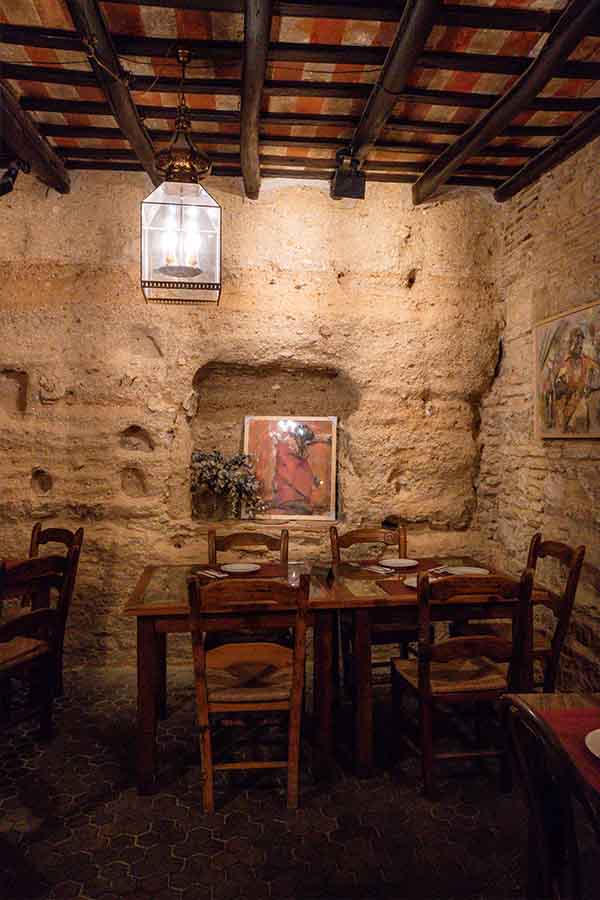
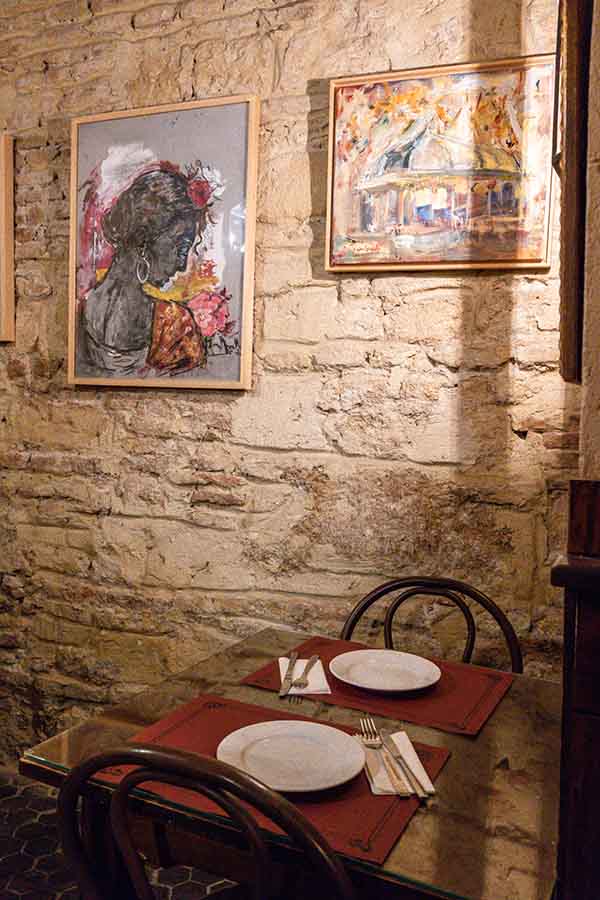
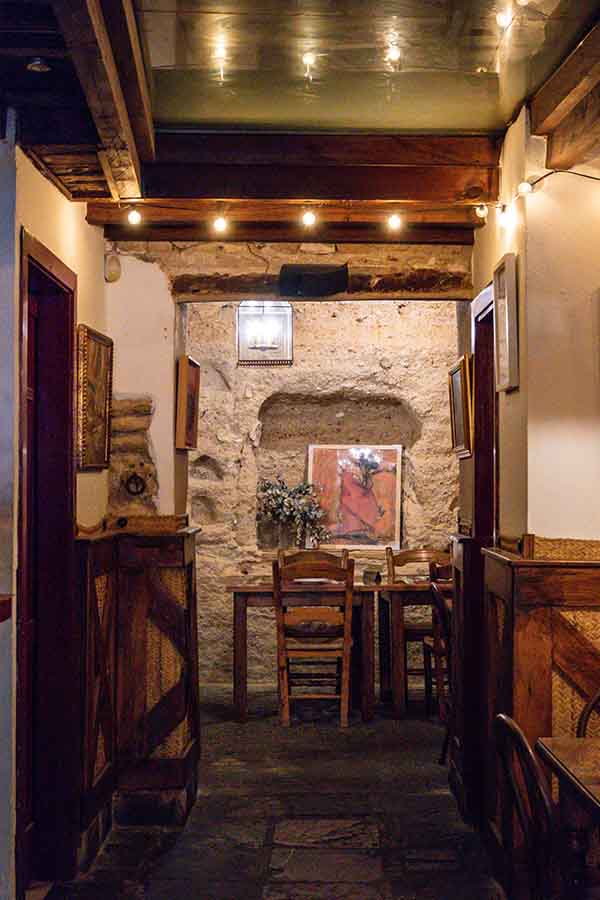
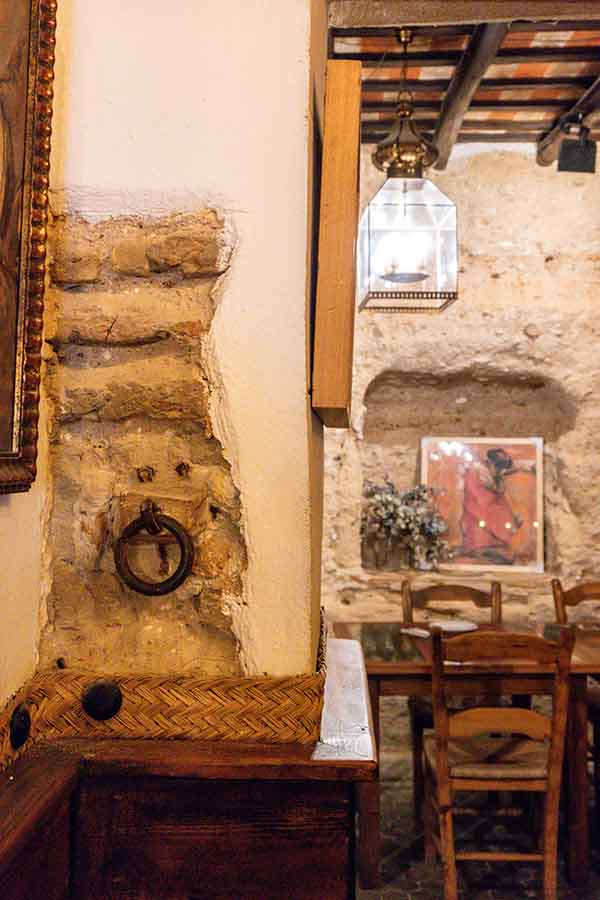
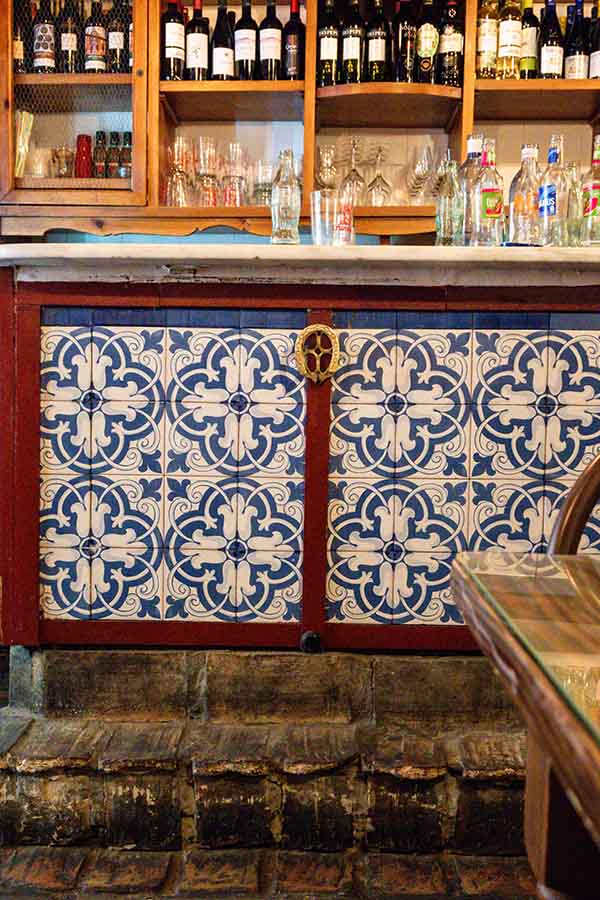
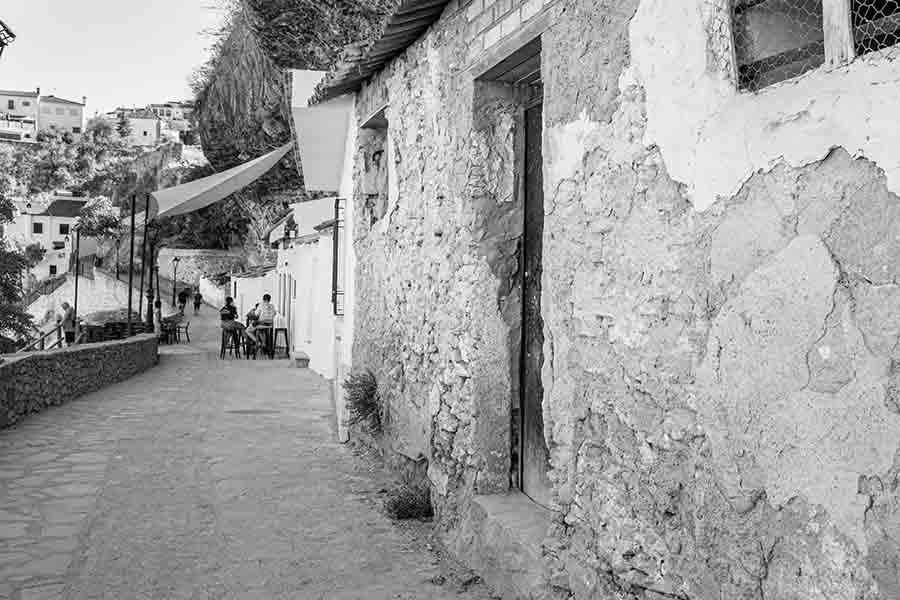
A bar in cetral area of Jerez de la Frontera, Spain
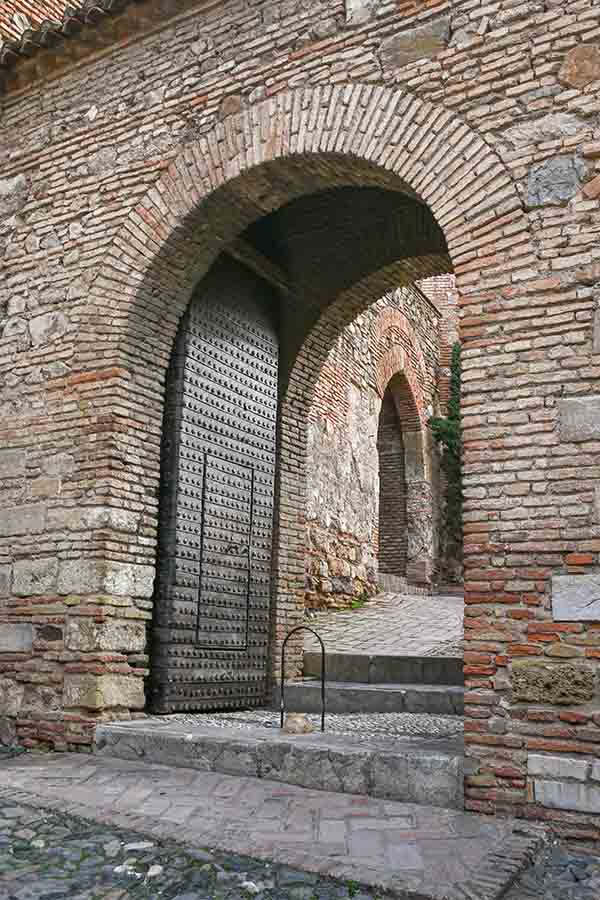
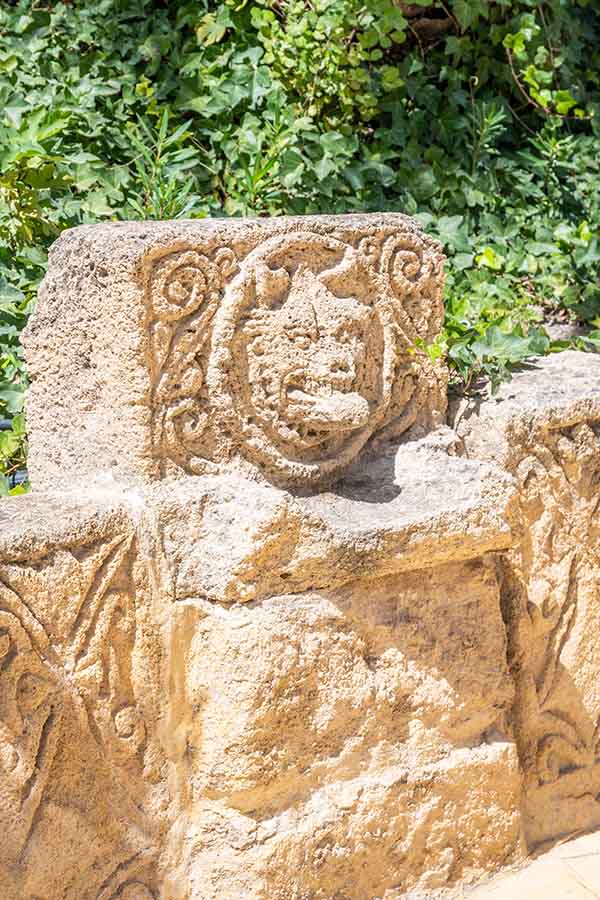
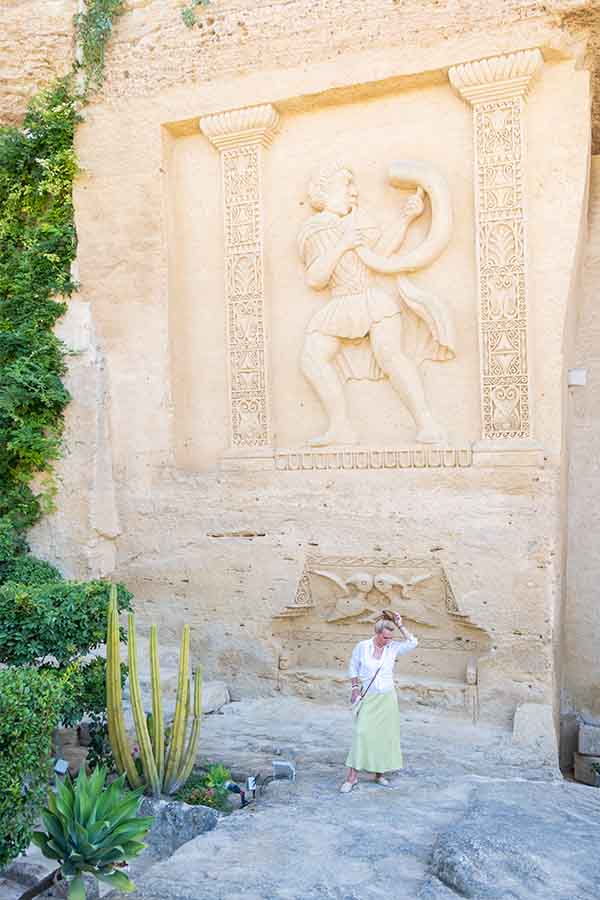
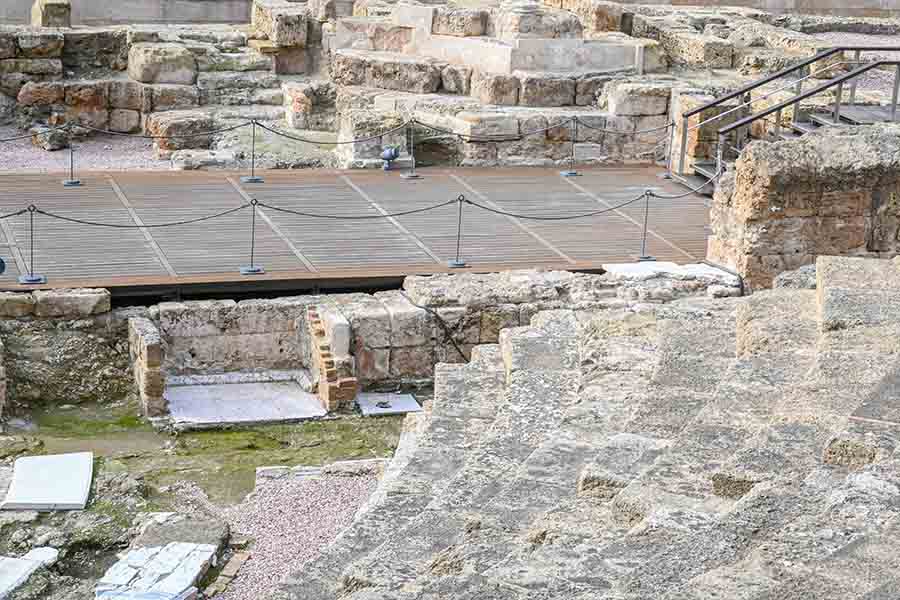
Parts of wall that date back to 9th century
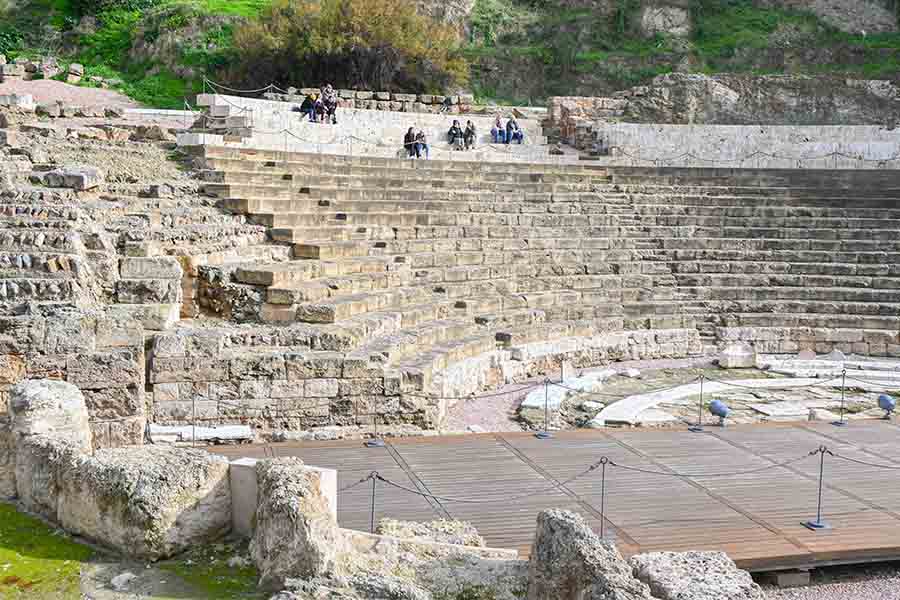
What if we look deeper into the history of the places we visit and try to find the stories of people who walked these streets long before us? Instead of simply looking for places to visit, we can travel through history and see how the present connects with what came before us. When we travel to historical places, we are often surrounded by details that have survived for centuries.
Museums, historic centers, galleries, hotels, restaurants, and even ordinary residential buildings occupy spaces where completely different lives once took place. People walked more slowly, dressed differently, talked about things that may seem unfamiliar to us today, and looked at the same impressive buildings that we now see restored, changed, or sometimes partly abandoned.
Centuries can separate us from those people, yet traces of their lives are still around us.
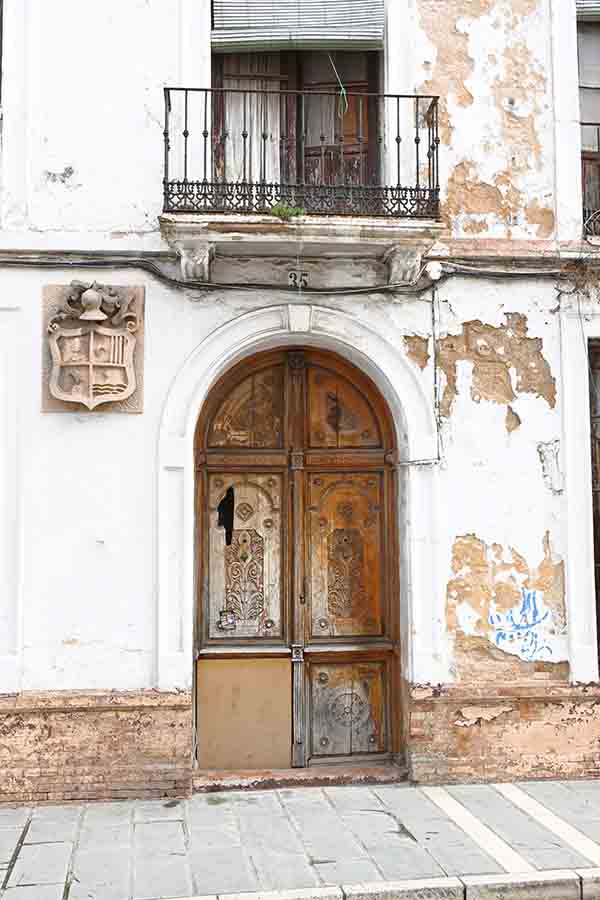
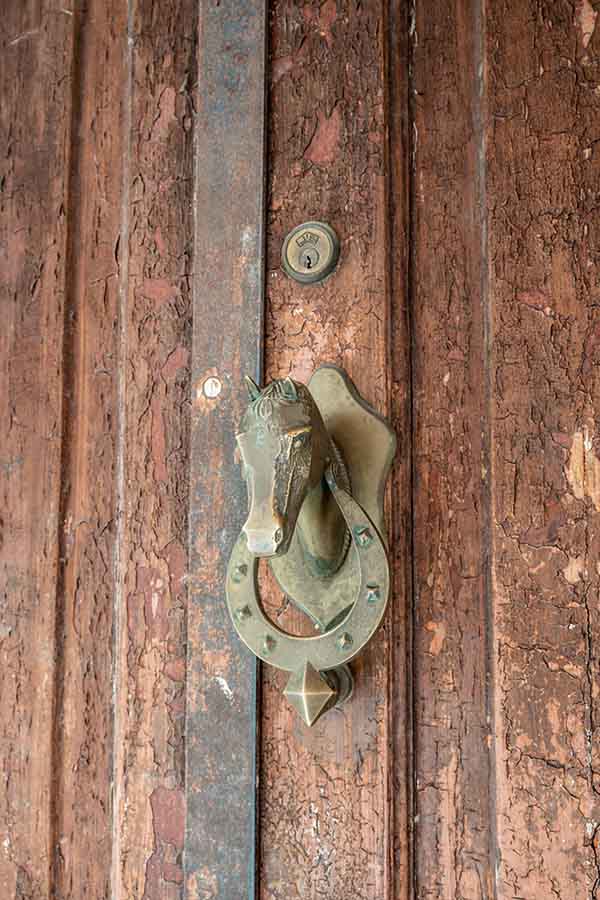
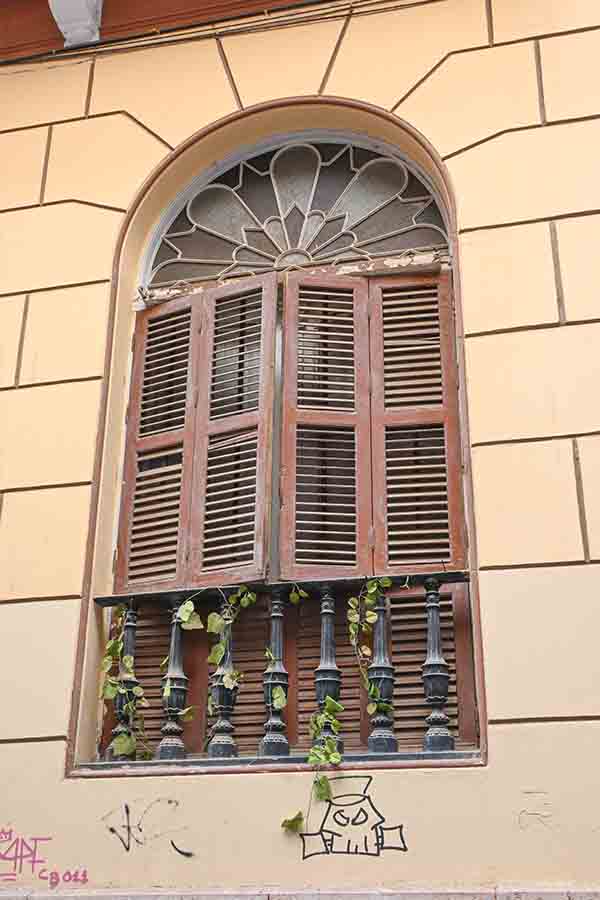
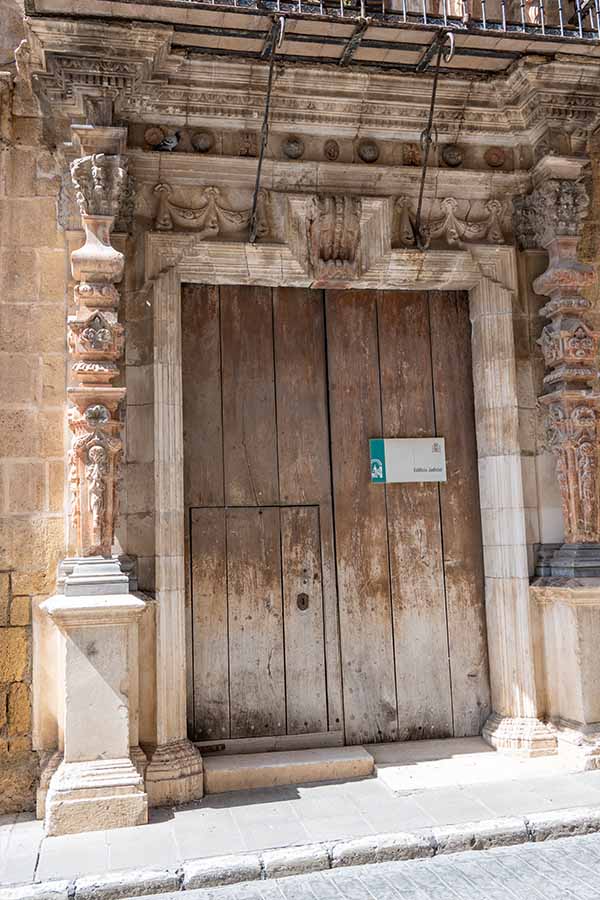
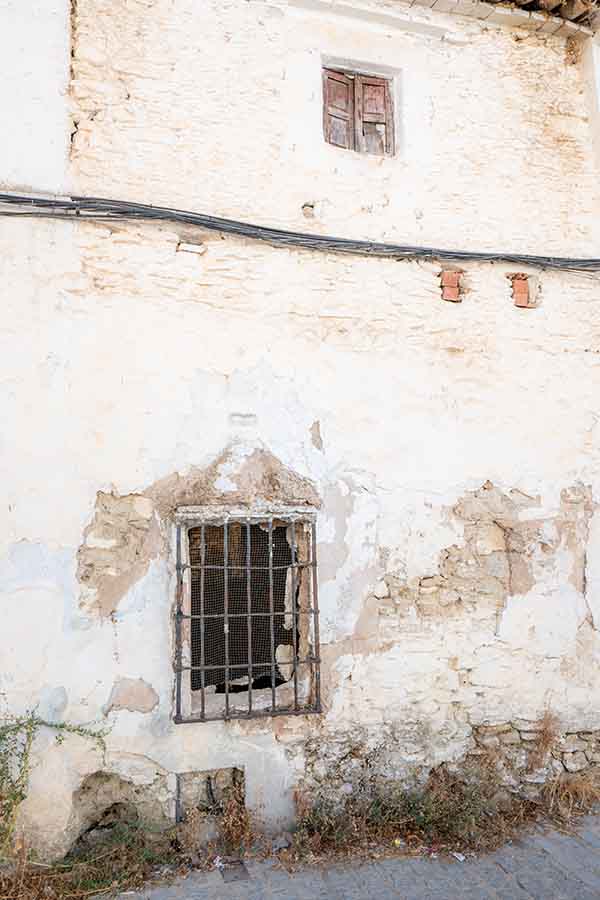
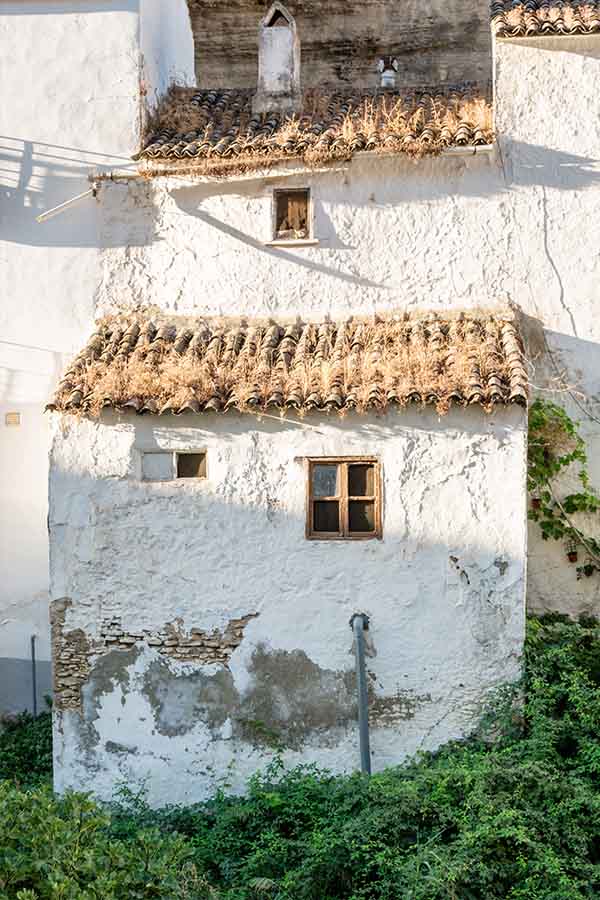
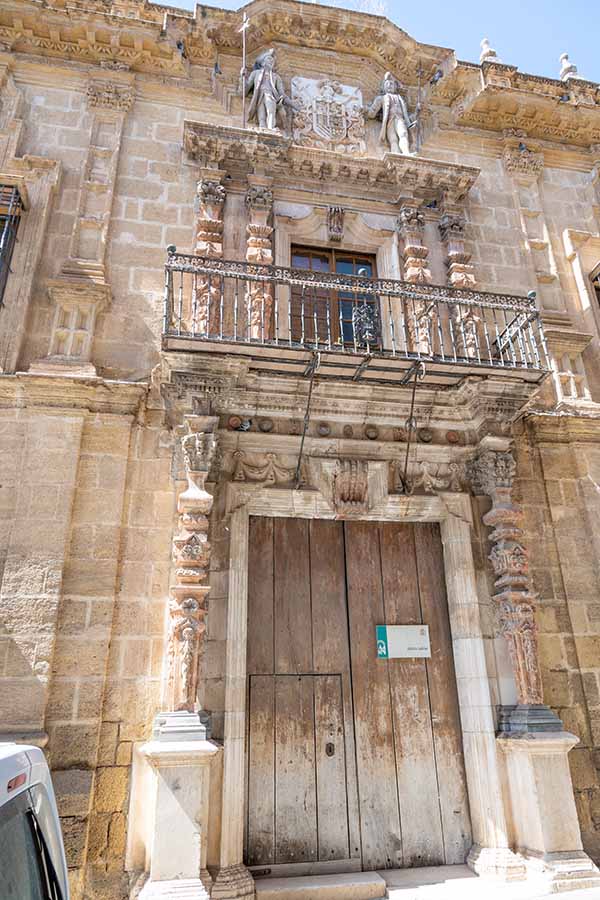
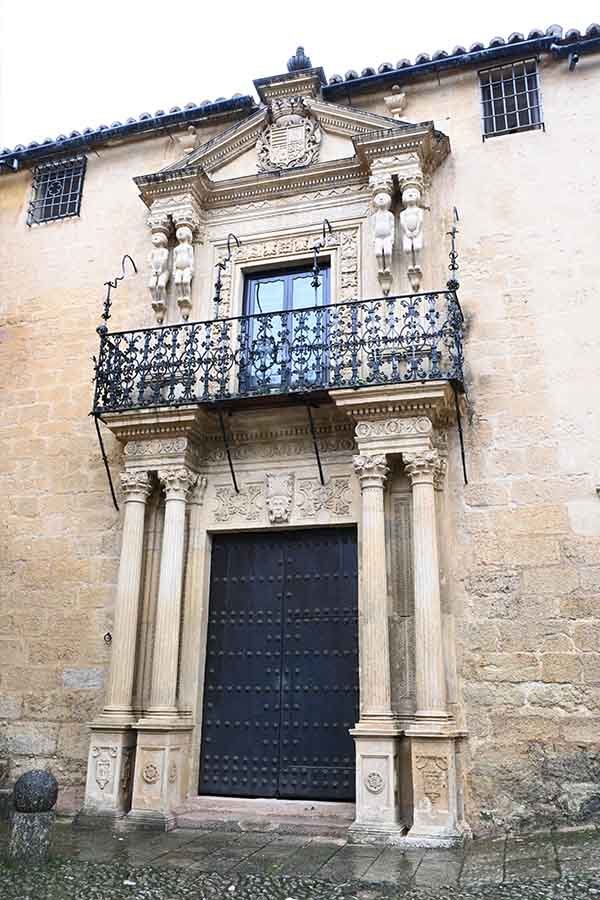
You just have to slow down enough to notice them. I like looking at old building facades with cracks and layers of chipped plaster, old signs in shaded passageways, unusual doors, locks and door knockers. There are so many small details that are easy to walk past when you are focused on getting from one famous sight to another. Looking at a city this way sometimes feels a little like an Indiana Jones adventure, although on a much smaller scale. There are no ancient temples to discover and no lost treasures to find. You are simply looking for something old that has managed to stay in the middle of modern life. You also don’t need to know the complete history of a cityto do this. I am not a historian, and I don’t travel with the goal of learning every date and historical event. I am more interested in the small things that make me curious and make me want to know what happened there before I arrived.
Talking to people who remember the place
During a recent trip to one of the white villages of Andalusia, Almáchar, I visited a very interesting small and cozy museum dedicated to raisins. It was one of those places to visit with history that I probably would have missed if I had been focused only on the main tourist attractions. While walking around the village, I started talking to an older woman who had lived there all her life. My first question was about the museum. She explained a little about it, and then the conversation naturally moved to life in this small town. At some point she pointed toward an Estanco and told me that this was where her parents had met. Both of them had also lived in the village. I could see that she enjoyed sharing these memories. The events had happened many decades ago, but they still felt close to her. She was telling me about places that had been part of her life, and suddenly those places became much more interesting to me. This is something I have started to appreciate when I travel to historical places. The history is not always something you find in a museum or read on an information board. Sometimes it is simply part of someone’s memory. Before that conversation, I was looking at the village mostly as a traveler and photographer, noticing the white buildings, the streets, the doors, the windows and all the small details of the architecture. After talking to her, I started seeing some of the same places differently.
As a traveler visiting for the first time, you may see a building simply as a building: walls, the roof, the windows, perhaps the beautiful location. Then someone tells you that their parents met there, or that their family had a shop there, or remembers something that happened in that particular street many years ago. The building suddenly has another meaning.This is one of the reasons I have become so interested in these small white villages. I like photographing them, but I also like the stories behind them. Talking to people who have lived there their entire lives gives you a different way of understanding the place. The architecture itself doesn’t change after a conversation like this, but the way you look at it does.
How photography changes when you look for history
My photography also changes when I start looking at a place through these stories. Old walls, doors made of time-worn wood, locks and handles, weathered window frames and faded signs can all make me think about the people who lived and walked there before us. I might look at an old door and wonderwho opened it every morning, who knocked on it, or how many people have touched the same handle over the years. A window can make me think about the people who once stood behind it and looked out at the same street. I will never know most of these stories and I don’t really need to but the questions themselves change the way I look at the place.
We take photos of present moments. We capture the moment when we are standing somewhere, and that photo becomes part of our own memory of the trip. When I photograph an old place, I sometimes think about how many other moments have happened in exactly the same spot. The people and their everyday routines are gone, and many of their stories disappeared with them. The buildings and small details that remain are some of the few things connecting us with that time. This way of traveling takes a little more time. You have to slow down, look around, talk to people and allow yourself to be curious about things that may seem insignificant at first. Photography and history can come together in a very simple way when you start asking yourself what was here before you arrived.
That’s what makes vintage travel interesting. A place can be much more than the famous building you came to photograph. There can be a story in an old door, a faded sign, a small museum, or in a conversation with someone who has spent most of their life there. The more I learn about those stories, the more I see when I take photos of a place.
I think … maybe this is what I am really looking for when I travel now, the past that is still quietly living somewhere in the present.
All images in this article were taken by Elena Sullivan, ArsVie Photo Studio and are protected by copyright. If you are interested in using any of the them, please contact me for permission. Thank you for understanding!
Where Do You Belong
Where in the World Would you feel most yourself? Find out which country matches your inner rhythm.
Hi, there! I’m Elena Sullivan, a fine art photographer, and creative adventurer. My first joyful experimentation with a camera extended into a passionate relationship where harmony represents a constant flow of elegant devotion. I follow my intuition and curiosity in search of eternal connections in nature, then use my camera to reveal it and share it with you! Every of my photo is curated with love and artistic excellence.