Some places enter your life quietly, without grand announcements, and then almost unexpectedly become part of your everyday rhythm. Marbella, Spain is one of those places for me.
Before we moved to Spain in 2025, I had heard the name Marbella many times. My interest in the country began years earlier, during a solo trip through Spain more than a decade ago. Back then, Marbella existed only as an idea: sunlit, distant, slightly glamorous. I never imagined that one day I would live here. And yet, here we are. Together with my husband, we now callMarbella city home.
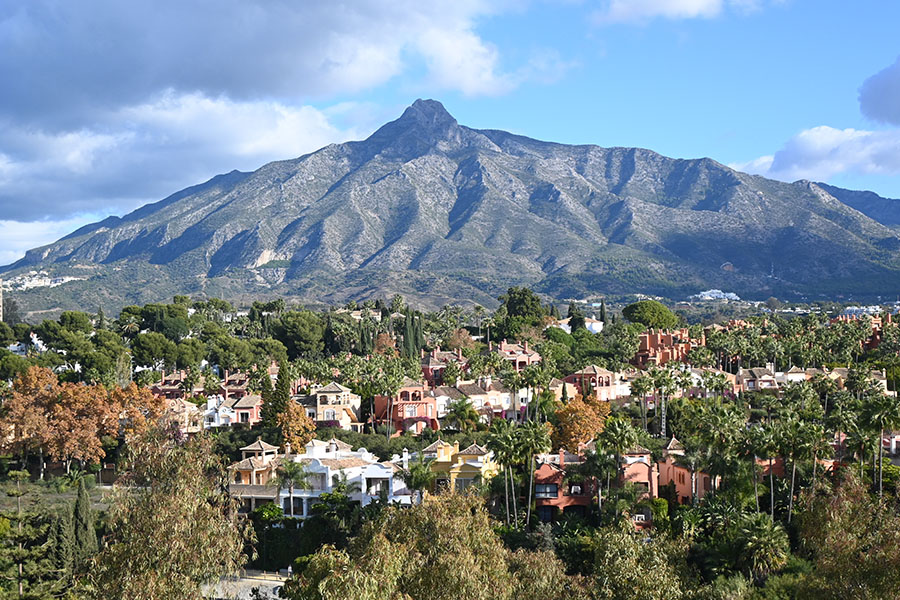
One of the first things you notice is the climate. Winters in Marbella Andalusia are gentle and forgiving, with days when the sun feels less like light and more like a warm, reassuring embrace. Those moments: standing outside, coat unneeded, eyes lifted toward the sky, make you want to pause and simply stay outside a little longer. Above it all rises La Concha, the mountain that watches over the city. Its presence is constant, grounding, visible from nearly everywhere, quietly shaping Marbella’s silhouette and sense of place.
La Concha is the iconic $1,215$-meter peak of the Sierra Blanca range that towers over Marbella, Spain. Named "The Shell" for its distinctive fluted ridges, it acts as a natural barrier that creates the city's mild microclimate.
But what truly draws me in is the layers of history. Marbella carries hundreds of stories within its walls, many forgotten, some remembered only by those who slow down enough to notice.
Perhaps it’s because I’m a photographer, or because I’m deeply drawn to art and history, but I find a particular magic in Marbella’s Old Town.
I love allowing myself to wander without a plan in Marbella’s Old Town.
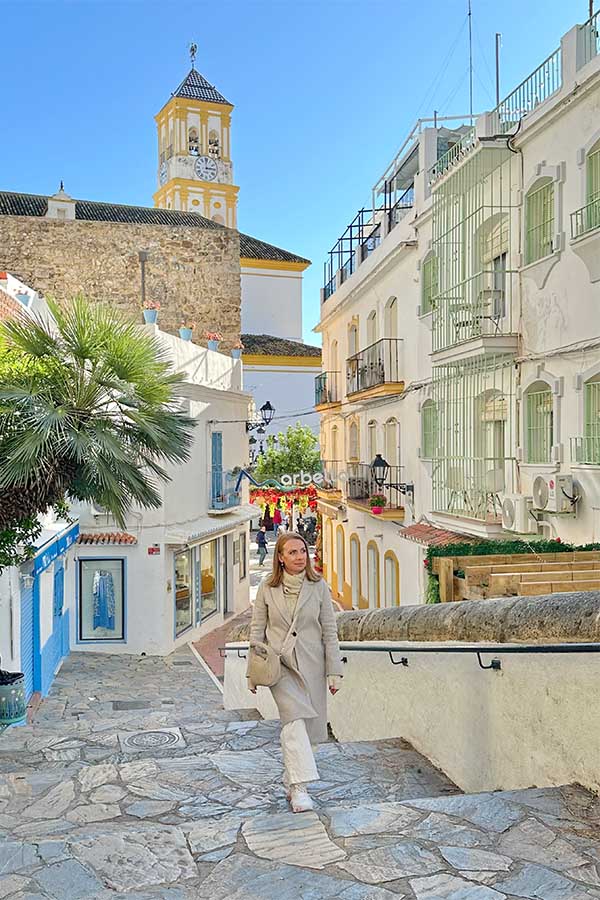
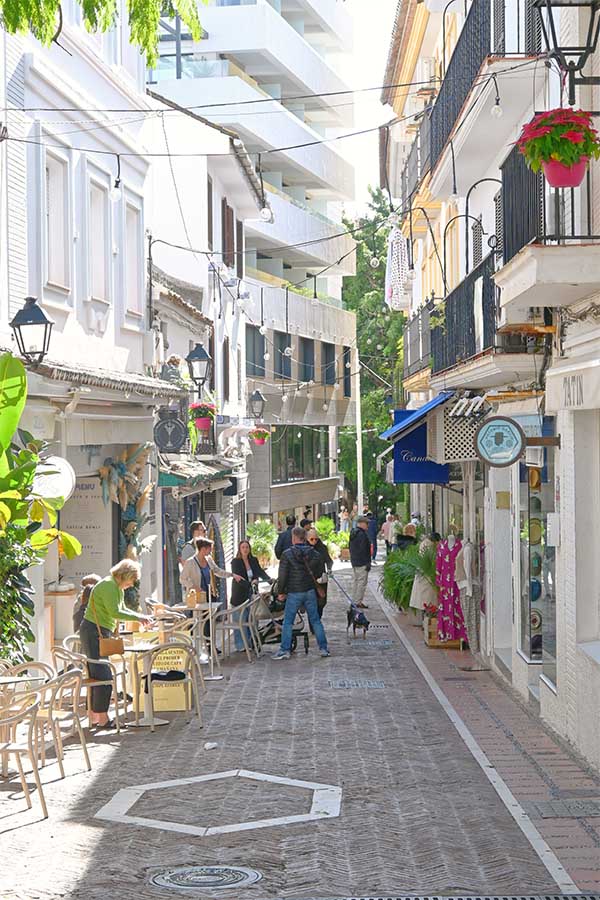
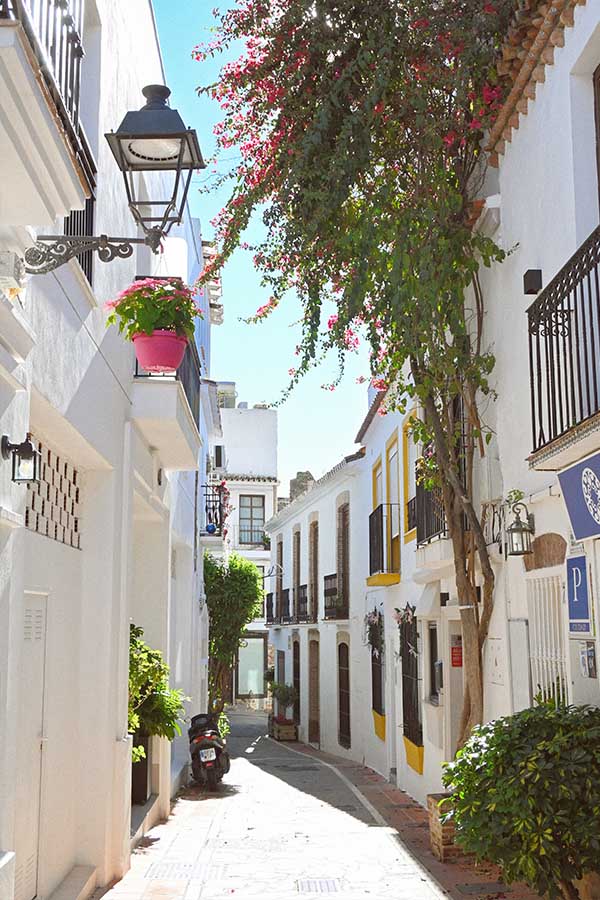
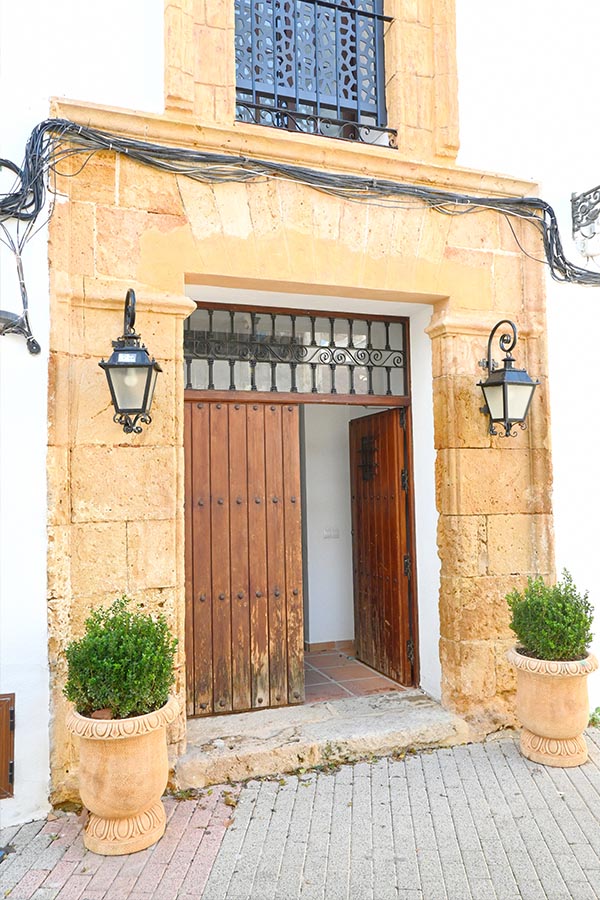
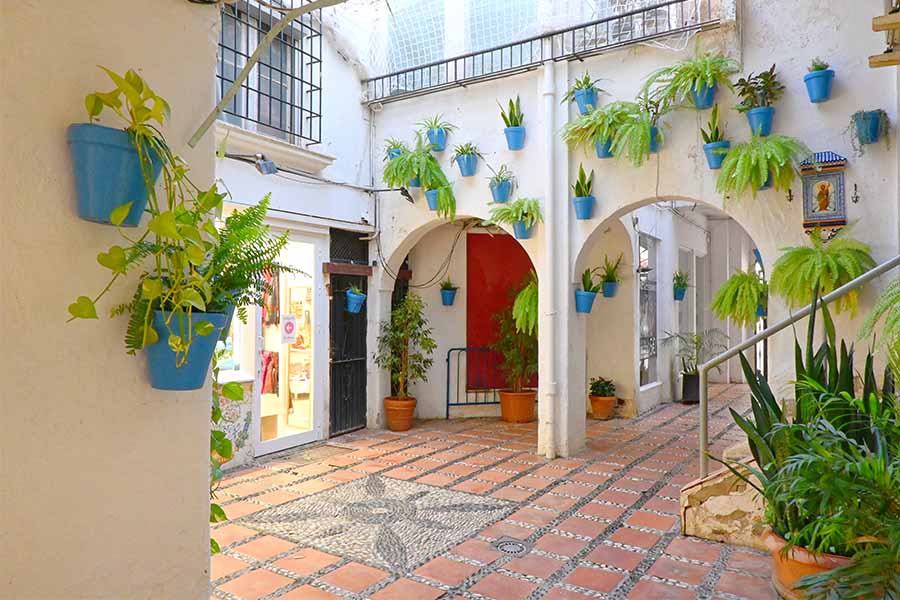
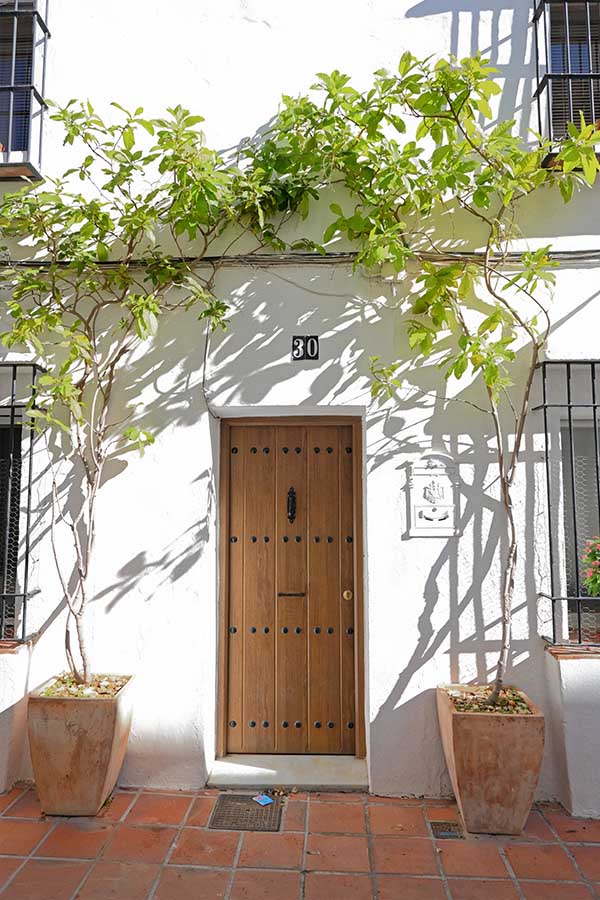
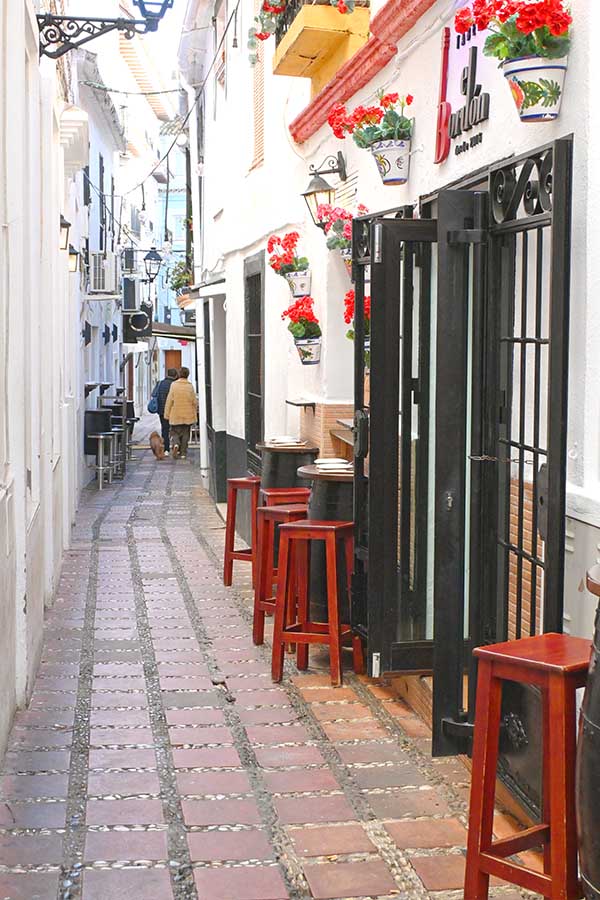
Walking through the narrow streets of Casco Antiguo feels less like a stroll and more like an exploration. The streets twist and unfold like a gentle labyrinth, where every turn leads to another visual discovery: patterned tiles, time-worn doors, balconies heavy with plants, fragments of past centuries quietly coexisting with the present. Architecture here becomes an open-air archive, the most visible form of art, reflecting the eras it has survived.
I love allowing myself to wander without a plan in Marbella’s Old Town. Discovery becomes infinite when you’re not rushing toward a destination. That sense of being pleasantly lost, of letting curiosity lead, is something I associate deeply with solo travel, even if it’s just a few hours alone in a familiar place.
Even the name Marbella feels poetic when you say it out loud. There’s a softness to it, a rhythm. Break it down, and you hear echoes of the sea (“mar,” Spanish for sea) and beauty intertwined (“bella,” Spanish for beautiful), a fitting description for a city shaped by both.
Of course, Marbella Spain has become increasingly known for its luxury. High-profile names, villas, and sleek developments have brought global attention, particularly around Puerto Banús. Yet beyond the polished surface, the city holds a quieter, more intimate charm, especially in the historic center.
The tradition of hanging colorful ceramic pots, or macetas, on the white-washed walls of Marbella’s Old Town is a practice rooted in the Andalusian patio culture, where residents use greenery to showcase local pride and hospitality. These hand-painted pots serve a practical purpose by helping to naturally cool the air through evaporation during the intense Mediterranean heat.
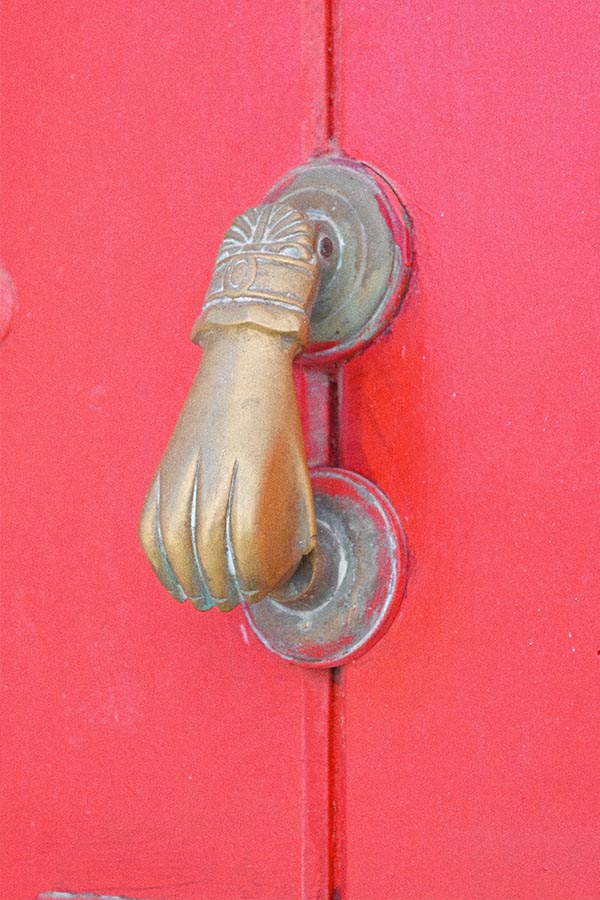
The brass hand-shaped knocker you found, known as the Hand of Fatima, is an ancient talisman used to protect the home from the "Evil Eye" and negative energy. Originally rooted in Islamic and Jewish traditions, it became a staple of Spanish architecture during the Moorish era and now symbolizes good luck, health, and fertility for the household.
The culinary scene reflects this contrast beautifully. Restaurants along the beachfront and in Puerto Banús are often glamorous and expensive. Places like Nobu Marbella, Breathe, La Sala by the Sea, Los Bandidos, and Coya Marbella are designed as much for atmosphere as for dining.
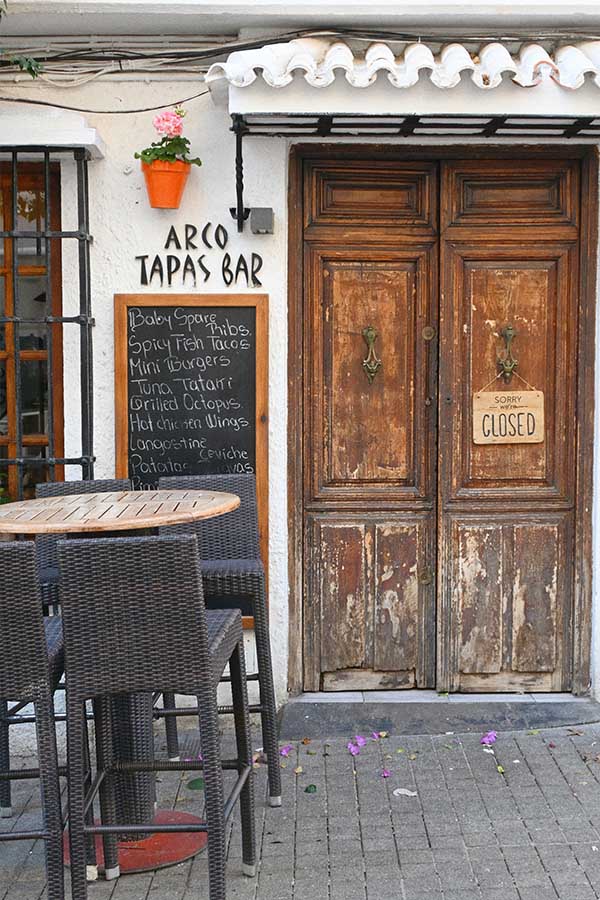
The Old Town, by contrast, offers something more textured: historic surroundings paired with thoughtful, flavorful food. Favorites here include El Patio de Mariscal, Casa Curro, The Farm Restaurant, Skina, and La Taberna del Pintxo, where the setting feels intimate and rooted in the city’s past.
Somewhere between the Old Town and the promenade, you’ll find restaurants that feel both authentic and accessible, local and deeply satisfying: Bar El Estrecho, El Chef y La Pastelera, Lekune Bar de Pintxos, Bar Altamirano, and Taberna Gaspar. These are the places where everyday life unfolds slowly, and where meals feel less like an event and more like a quiet pleasure.
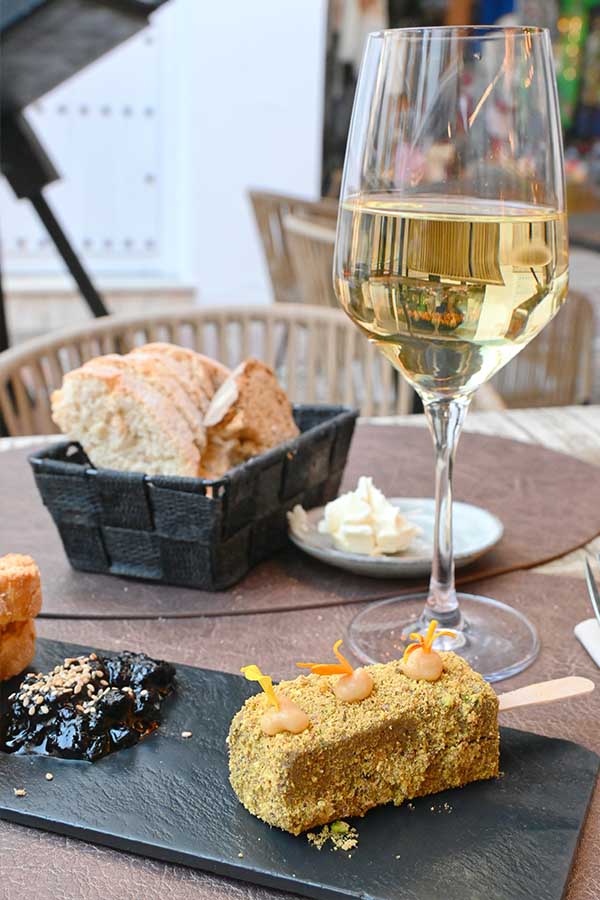
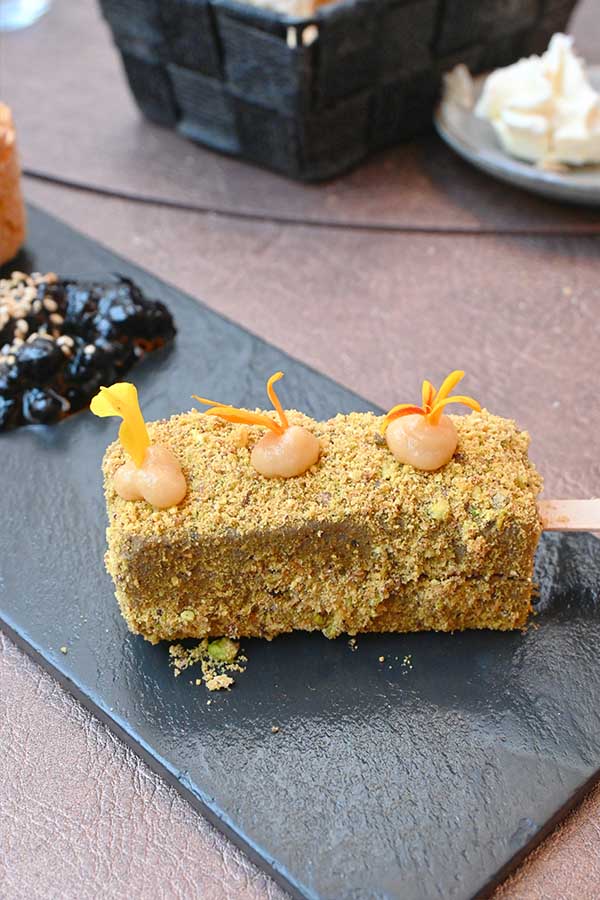
Chorizo de Ronda in almíbar de vino Cartojal
A short historical note about Marbella
Marbella’s story stretches far beyond its modern reputation. Archaeological evidence shows that the area has been inhabited since prehistoric times, but Marbella city as a settlement is believed to have been founded by the Phoenicians in the 7th century BCE, when it functioned as a small trading post along the Mediterranean coast.
The Romans later expanded it into a more structured town known as Salduba, leaving behind roads, villas, and industrial remains that hint at an active coastal life. During the Islamic period, Marbella, Andalusia developed into a fortified medina, protected by walls and an Alcazaba, elements that still subtly shape the layout of the Old Town today.
After the Reconquista in 1485, the city entered a new chapter, gradually transforming as Christian architecture was layered over its Moorish foundations. Churches rose where mosques once stood, while narrow streets and courtyards retained their earlier rhythm.
These transitions, civilizations rising, blending, and fading are not confined to museums or plaques. They remain quietly present in Marbella, Spain, visible in stone, in street patterns, and in the way the city continues to balance history with everyday life, if you slow down enough to notice,
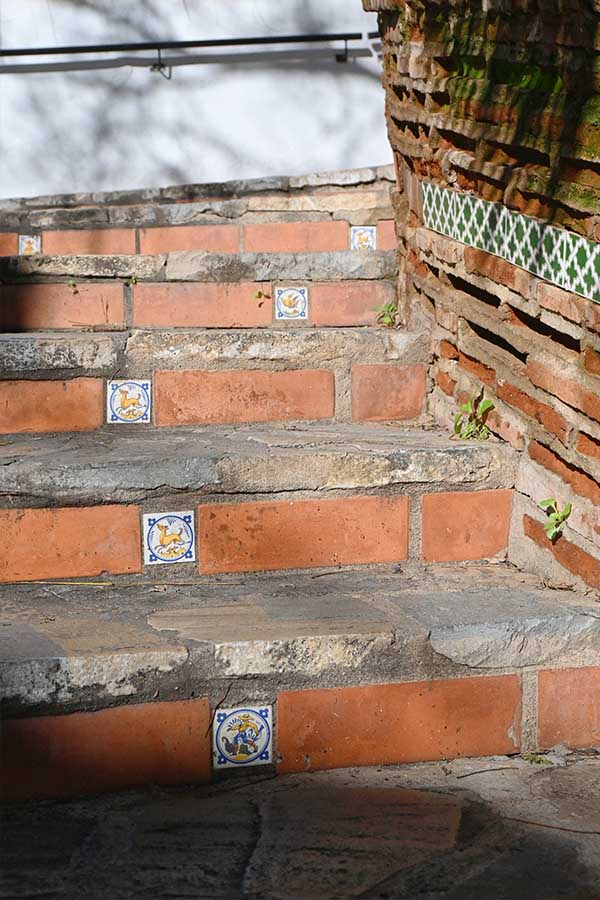
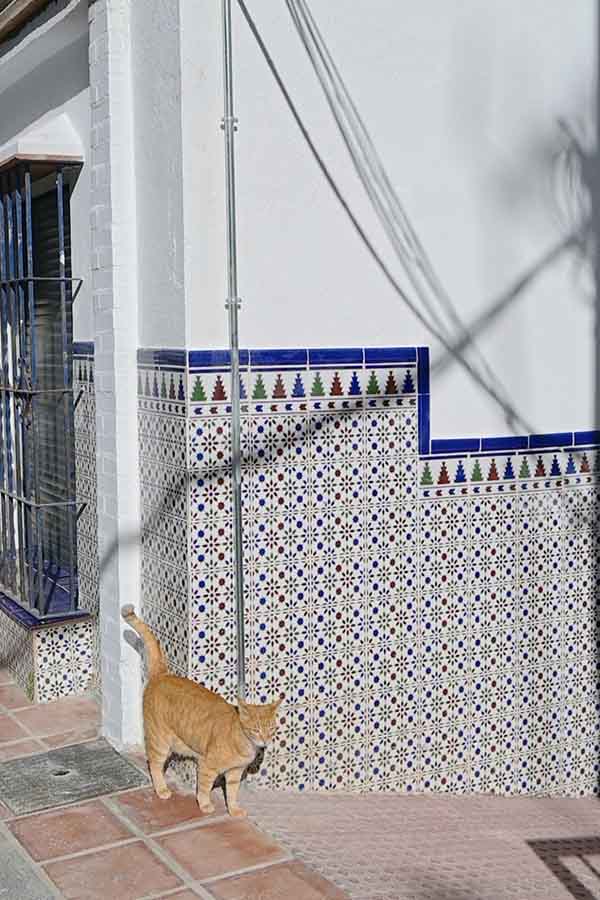
The tile decorations on the stairs in Marbella's Old Town, known as alizares, are a centuries-old tradition that blends Moorish artistry with Mediterranean practicality. Historically, decorating even the smallest architectural details like stair risers was a sign of prestige, as colorful glazed ceramics were a luxury compared to plain stone.
Things to do in Marbella Spain
If you’re visiting Marbella city for the first time, these are places worth lingering in allowing them to unfold at their own pace.
Marbella Old Town (Casco Antiguo)
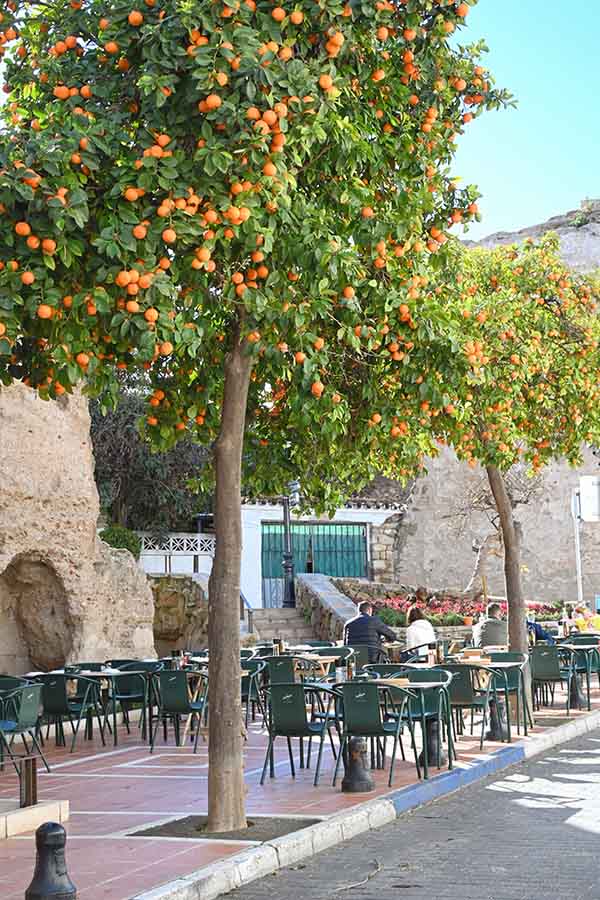
The emotional and historical heart of Marbella, Spain. A maze of narrow streets, whitewashed façades, ceramic tiles, hidden courtyards, and quiet squares where time seems gently suspended. Plaza de los Naranjos anchors the area, but the real beauty is found in wandering without a map.
Alcazaba Remnants and Historic City Walls
What remains of Marbella’s Moorish past is subtle yet powerful. Portions of the old fortress walls and archaeological traces are woven into the urban fabric, quietly reminding you that this city has been shaped by centuries of layered civilizations.
Paseo Marítimo (The Promenade)
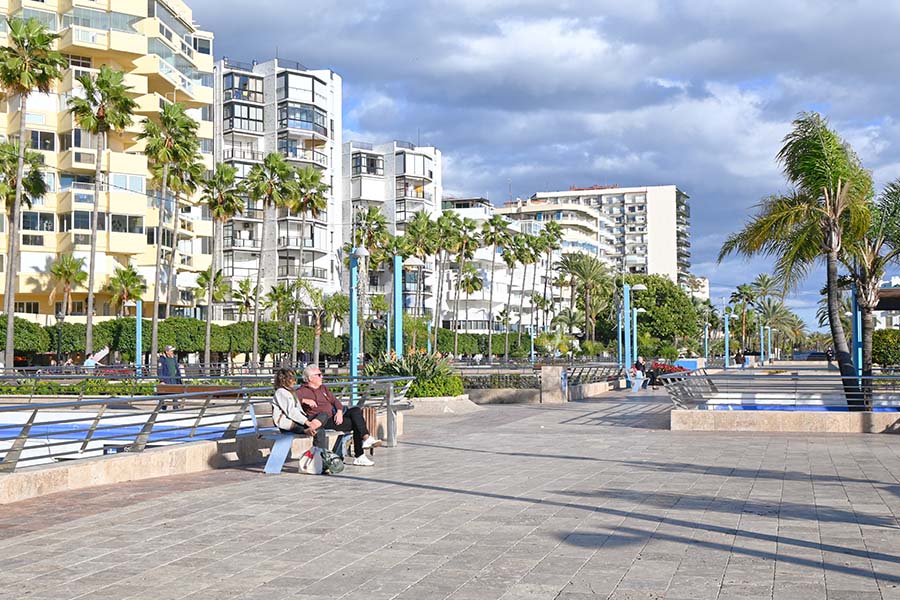
Stretching along the coastline, the promenade is ideal for long, reflective walks by the sea. Early mornings and late afternoons are especially beautiful, when the light softens and the Mediterranean feels less like a backdrop and more like a presence.
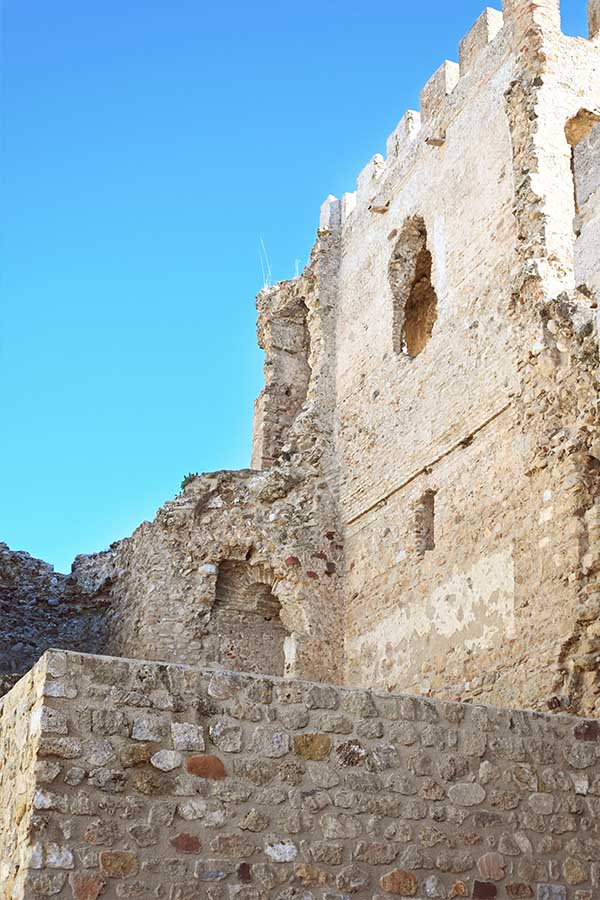
The Alcazaba of Marbella is a Moorish fortress built in the 10th century during the Caliphate of Córdoba. Strategically located in the heart of the old town, it once formed part of the city’s defensive walls and protected Marbella from coastal attacks.
Constructed using stone and reused Roman materials, the Alcazaba reflects the Islamic heritage that shaped Marbella before the Christian Reconquest in 1485. Today, its remaining walls and towers are an important historical landmark and a reminder of the city’s medieval past.
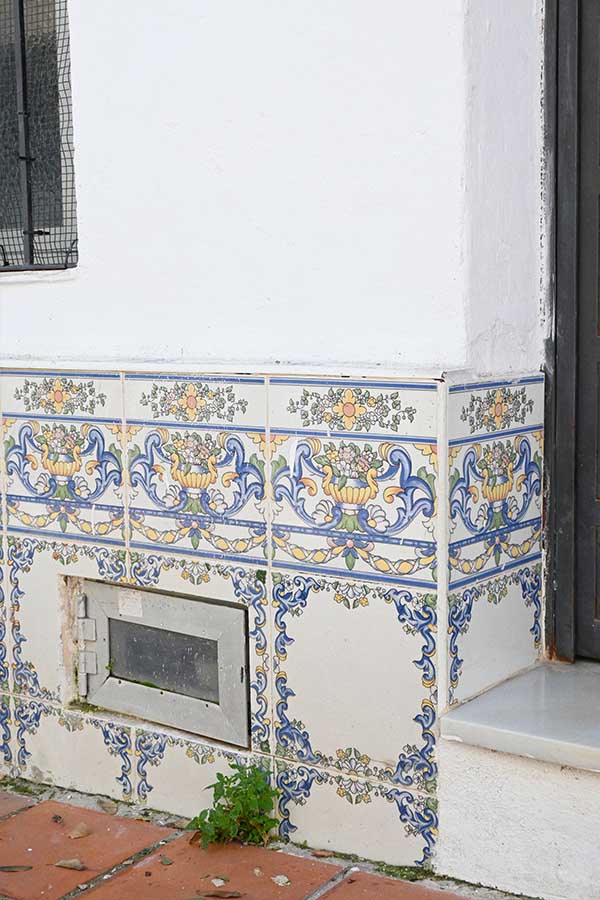
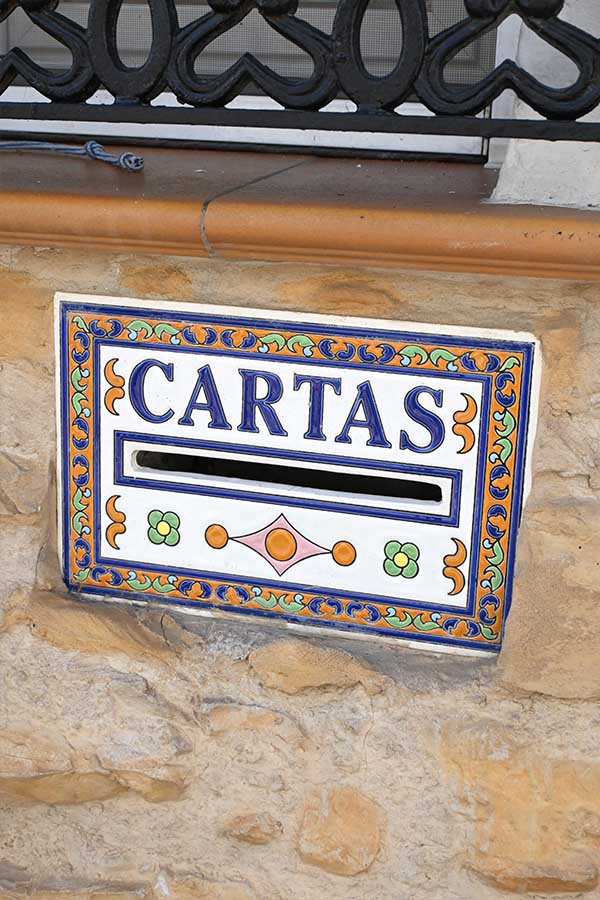
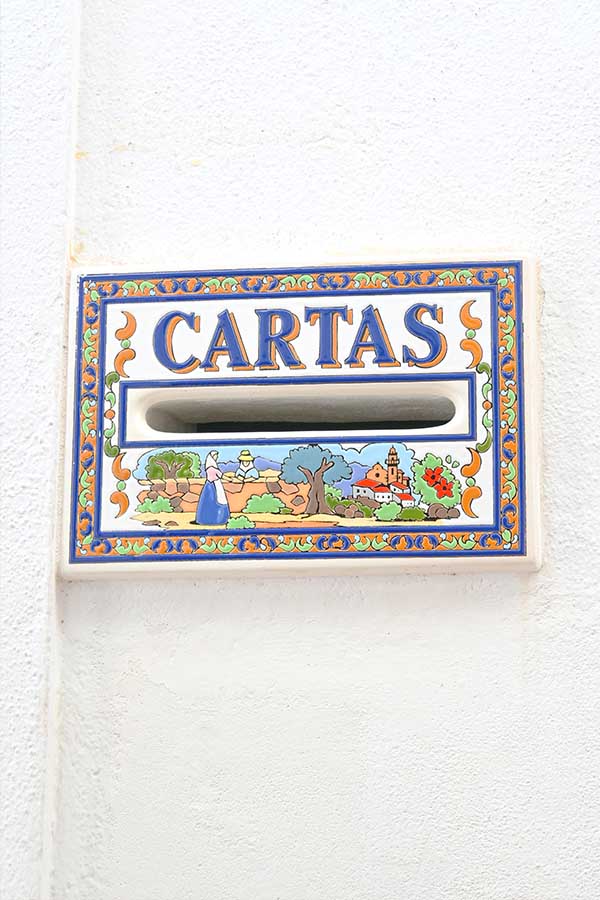
These ceramic mail slots are such a charming staple of Spanish architecture! You’ll often see them in Andalusia or coastal regions where tilework (azulejos) is a way of life.
The tradition of these decorative letter slots (known as buzones de cerámica) comes from a mix of history, craftsmanship, and local climate.
Museums of Marbella
Marbella’s museums are modest in scale but rich in character—perfect for those who enjoy intimate cultural spaces rather than grand institutions.
Museo del Grabado Español Contemporáneo (Museum of Contemporary Spanish Engraving)
Located in the historic Bazán Hospital building, this museum houses an impressive collection of works by artists such as Picasso, Miró, Dalí, and Goya. It’s one of the most culturally significant museums in Marbella Andalusia, offering a quiet yet powerful encounter with Spanish graphic art.
Museo Ralli Marbella
Situated near Puerto Banús, Museo Ralli focuses on modern and contemporary Latin American and European art. The museum itself is serene and spacious, with natural light that allows the artwork to breathe, an unexpected cultural pause amid Marbella’s more glamorous surroundings.
Museo del Bonsái (Bonsai Museum)
A surprisingly poetic space, this museum is home to one of Europe’s most important bonsai collections. Tucked near Arroyo de la Represa Park, it offers a meditative experience that blends nature, patience, and artistry.
Cortijo de Miraflores Cultural Center
While not a traditional museum, this historic building hosts rotating exhibitions, cultural events, and art shows. It’s a wonderful place to connect with Marbella’s contemporary creative scene.
Historic Churches near Plaza de los Naranjos
Iglesia de la Encarnación stands as one of Marbella’s most important religious landmarks. Built in the 16th century on the site of a former mosque, its baroque elements and quiet interior reflect the city’s complex spiritual and architectural history.
These church areas feel deeply woven into daily life, places where locals pass through casually, even as centuries of history surround them.
And perhaps that’s why it feels so right as a place to live, not just to visit. The more time you give it, the more it offers, quietly, beautifully, and without needing to prove anything at all.
All images in this article were taken by Elena Sullivan, ArsVie Photo Studio and are protected by copyright. If you are interested in using any of the them, please contact me for permission. Thank you for understanding!
Add elegance to your space with beautiful wall art prints
Hi, there! I’m Elena Sullivan, a fine art photographer, and creative adventurer. My first joyful experimentation with a camera extended into a passionate relationship where harmony represents a constant flow of elegant devotion. I follow my intuition and curiosity in search of eternal connections in nature, then use my camera to reveal it and share it with you! Every of my photo is curated with love and artistic excellence.