When I took my first solo trip abroad, I was thirty years old. At the time, I was working two jobs. One as a hotel concierge, the other slowly building what felt like a fragile but exciting dream — my solo photography business.
Working at a hotel has an inspiring effect on you. You spend your days surrounded by people arriving from everywhere, checking in, checking out, talking about where they’ve been and where they’re going next. Travel becomes normal. Familiar. Almost casual. And somewhere in that constant movement, the idea of traveling, even traveling alone, stopped feeling intimidating and started feeling… possible.
Solo travel didn’t arrive in my life as a bold declaration.
It came quietly, after my divorce, and after reading Eat. Pray. Love.(yes, I’m one of those people who found it deeply romantic and empowering) The book didn’t make me want to escape my life; it made me want to step into it differently. And the simple reality that the friends I once imagined traveling with were busy building their own lives. And without realizing it, I found myself standing at the edge of an idea I could no longer ignore.
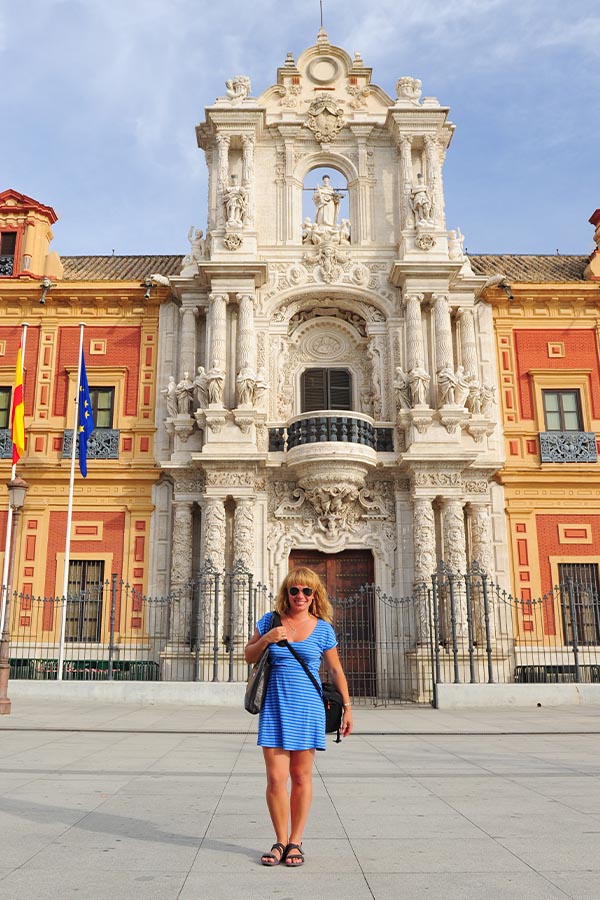
First time traveling in Spain
Entertaining the idea of solo travel was easy in theory. Looking at photographs of European cities and Caribbean white-sand beaches felt empowering, romantic, full of promise. The spirit of adventure was already there. What came next was more practical, slower, and far less glamorous.
Step by step, I started gathering information. Applying for a passport to travel abroad. Then my first visa. Researching routes. Reading forums. Wondering if I was being brave or simply naive.
My very first female solo trip was to Helsinki, Finland. The reason was simple. It was the closest European country to Saint Petersburg, where I lived at the time. I took a bus in the morning and returned the same evening. Less than twenty-four hours. Technically, barely a trip at all.
But it mattered.
It was enough to practice being alone in a new environment. To hear a different language around me. To find my way back without anyone checking on me. That day taught me something important. Solo travel doesn’t begin with big adventures. It begins with small, manageable steps.
Two months later, I went again. Then came solo trips to Spain. Later, years of living in Mexico, traveling around it mostly on my own. But everything grew from that first one-day decision.
This is why my biggest advice is simple: start small. A nearby city. A short trip. One night instead of a week. Let your confidence build through experience, not pressure.
You don’t need to prove anything. You only need to begin.
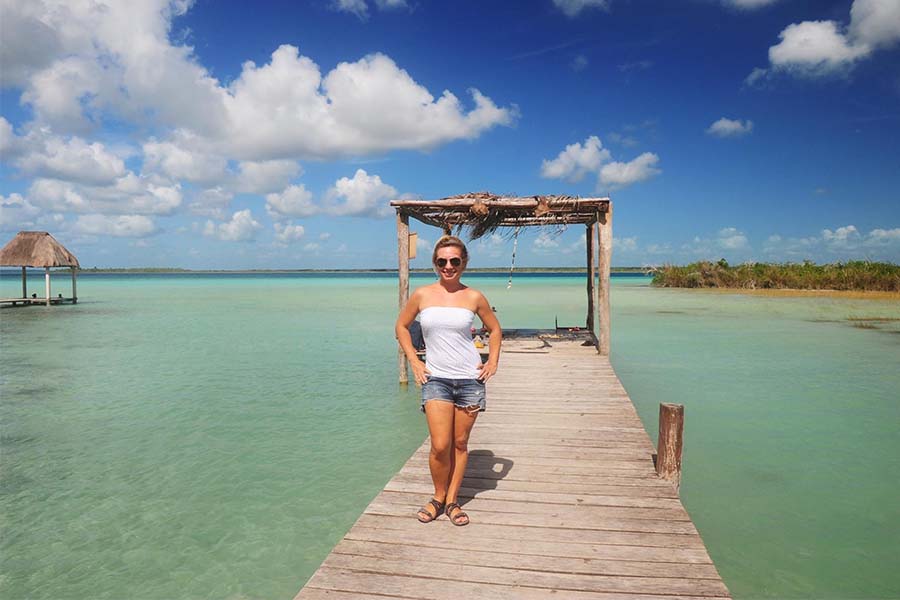
in Bacalar Lagoon, Mexico, 2015
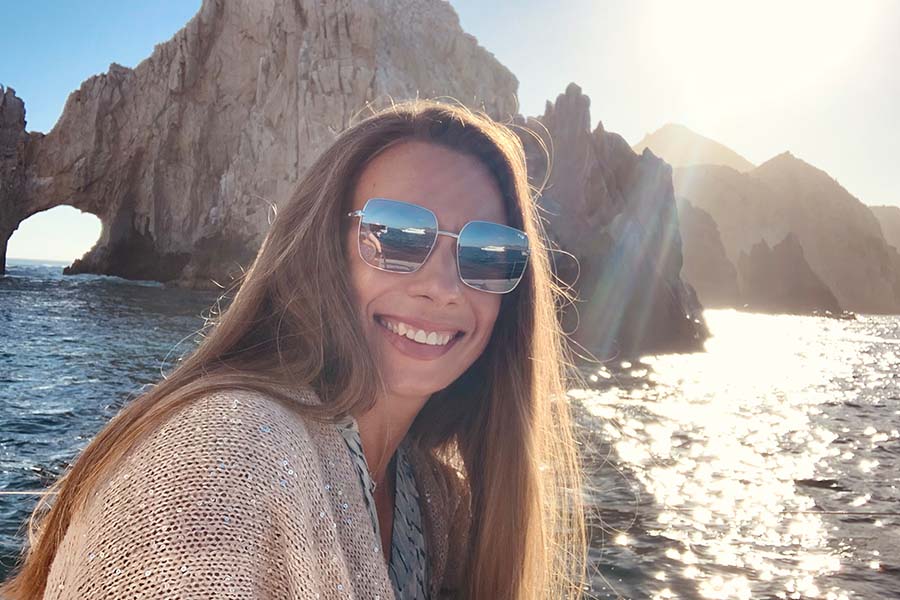
in Los Cabos, Mexico, 2021
How Safety Really Works When You Travel Alone
Solo travel is often framed through danger. Lists of warnings. Worst-case scenarios. But in my experience, real safety doesn’t come from constant vigilance. It comes from quiet awareness. Knowing where you are. Trusting your instincts. Moving through places with presence rather than anxiety.
Local knowledge is a form of safety. Talking to people matters. Even asking simple questions.
Is this area okay at night?
Which bus stop is easier?
Is there something I should know about this neighborhood?
You can use translation apps if language feels intimidating, but don’t underestimate how grounding human interaction can be. Hotel staff, hostel receptionists, café owners, shopkeepers, they hold the kind of knowledge no app can fully replace. And more importantly, conversation dissolves the feeling of being invisible and alone.
Yes, we can do almost everything through our phones now. Maps. Tickets. Directions. But when traveling solo, communication adds a soft layer of reassurance.It turns unfamiliar spaces into shared ones.
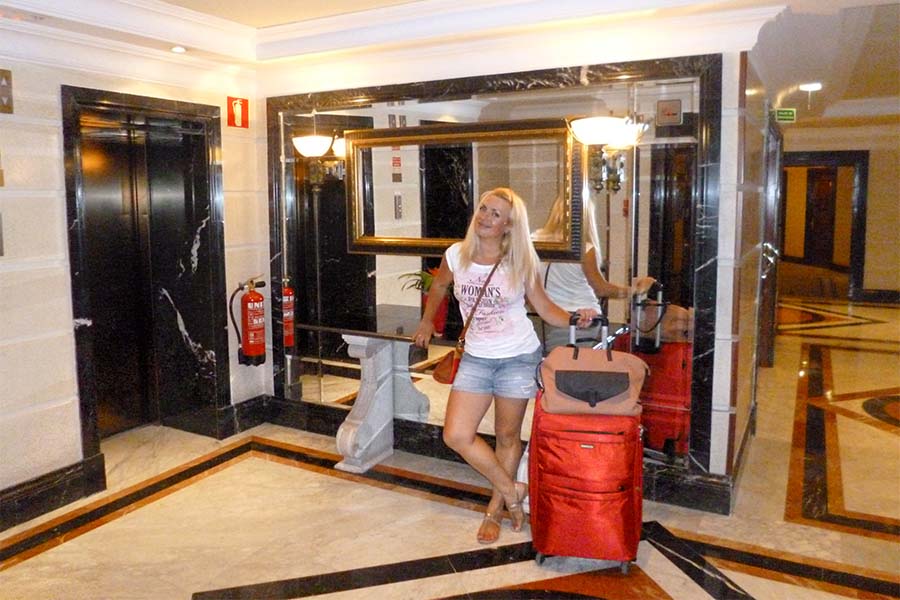
First trip to Spain, 2013
Solo traveling in Spain, 2013
Apps That Actually Help Solo Travelers
When I took my first solo trips in 2013, WhatsApp wasn’t part of daily life yet, and Instagram certainly wasn’t the “attention-stealing-beast” it is today. I navigated Helsinki by memory. In Spain, I carried printed maps and learned the hard way that I’m not naturally gifted at reading them. Getting lost was part of the experience, but it also demanded more energy, more guessing, more mental effort.
Today, solo travel is objectively easier because we have better tools.
Map apps help you orient yourself instantly. Accommodation apps show you exactly where you are in relation to everything else. Translation apps reduce the stress of not being understood. Transport apps remove the constant question of Am I doing this right? And downloading offline maps can be a quiet lifesaver when your signal drops at the exact wrong moment.
Here are a few that I find especially helpful for solo travel:
Google Maps or Apple Maps
Essential for walking routes, public transport, and saving locations in advance. Offline maps are especially useful.
Beyond accommodation, these apps help you visualize where you’re staying in relation to the city, landmarks, and transport.
Google Translate
Useful not only for translating text, but for quick conversations or reading menus and signs.
WhatsApp
Widely used in many countries and ideal for staying in touch, sending your location, or checking in with someone back home.
Moovit or local transport apps
Helpful for buses, trams, and metro systems, especially in unfamiliar cities.
Uber, Bolt, or local taxi apps
Reliable when you’re tired, arriving late, or simply want a straightforward ride.
Using these apps is about supporting yourself quietly in the background, so you can be more present, more relaxed, and more open to the experience unfolding in front of you.
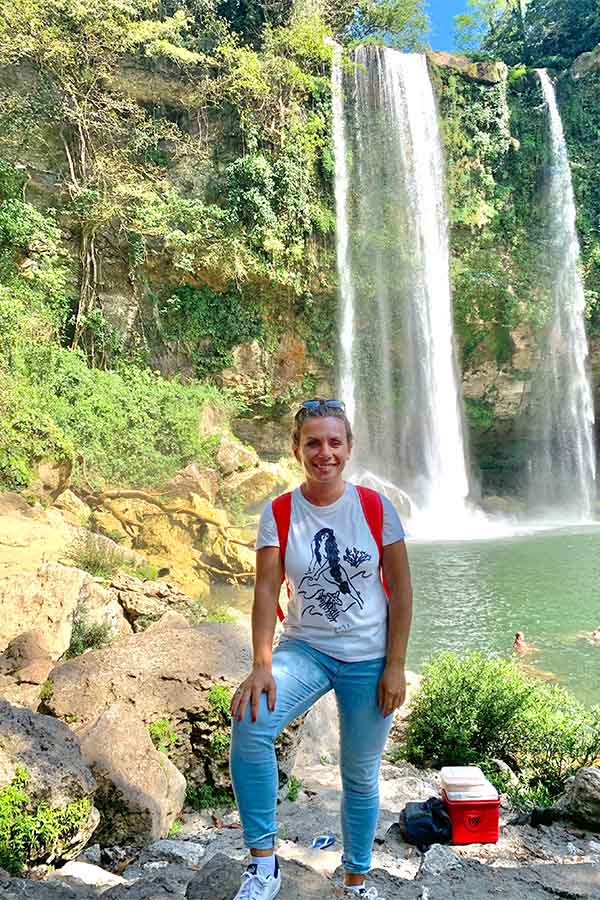
Traveling solo in Chiapas state, Mexico
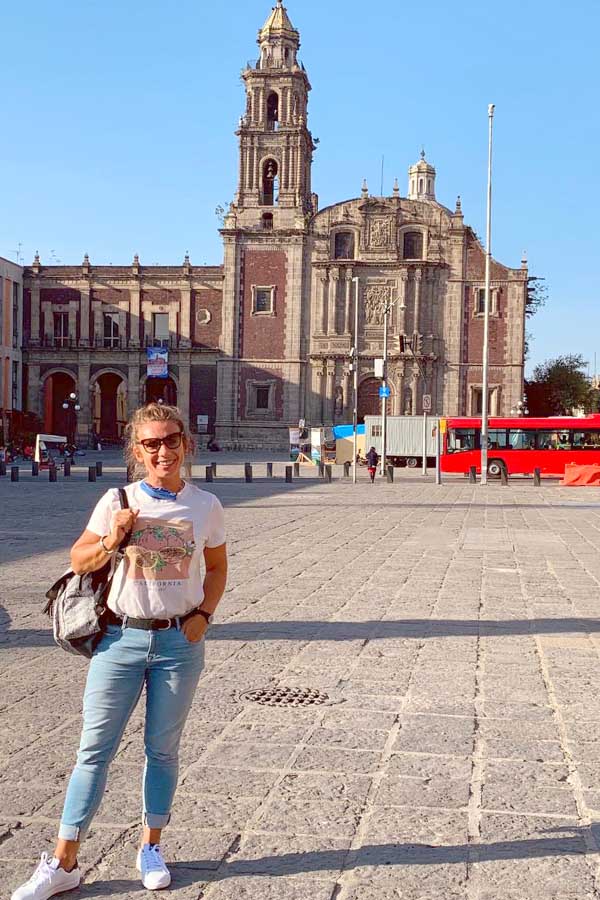
in Mexico City
Confidence rituals for solo trips
When you feel lost, your brain might tell you that everyone is watching. In reality, no one is. A simple shift can help: move with intention. Even if you’re unsure, walk as if you know where you’re going. Pause in a busy spot and take a deep breath, it centers you and gives you presence.
Eating alone can feel harder than walking alone. If it feels uncomfortable, bring a book, a journal, or even a postcard to write on. Sit at the bar if possible. It’s a natural spot for solo travelers and often leads to gentle, unexpected conversations.
Anchor routines are another quiet form of confidence. Every morning, do something familiar: the same stretch, a cup of tea, or your favorite playlist. These small rituals create a sense of home inside movement, giving you grounding and calm no matter where you are.
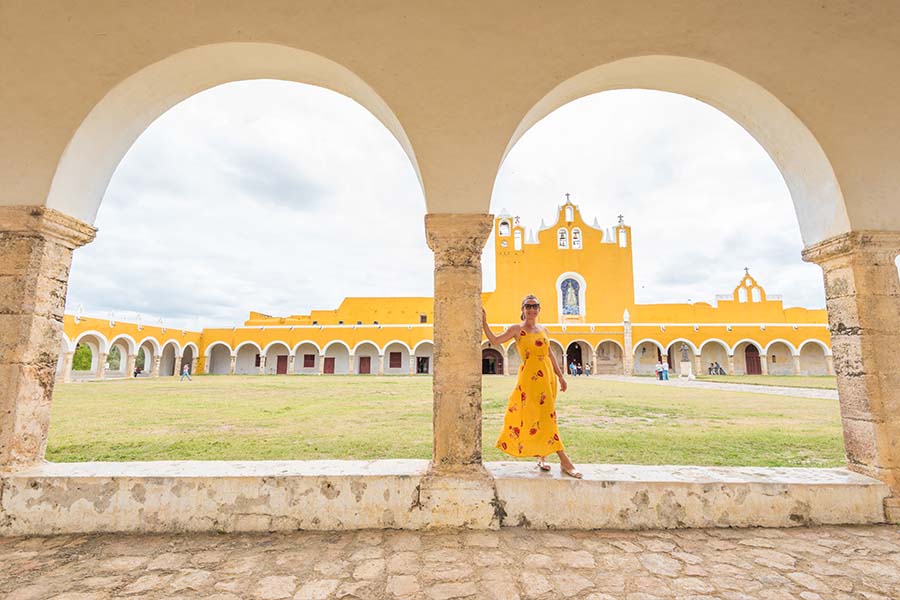
in Izamal, Mexico, 2020
Listen to your body before logic
Not everything that feels like fear is danger. Fatigue lowers awareness. Hunger can feel like anxiety. Overstimulation can mimic panic.
When something feels off, I ask myself simple questions: Am I tired? Am I overwhelmed? Or am I actually unsafe? Very often, the answer is practical, not dramatic.
And if something truly feels wrong, leaving is always allowed — no explanations required. Trusting your instincts is a form of self-respect. Solo travel is about moving through the world with presence, not pushing yourself to prove anything. By tuning in to your body, you turn what might feel like fear into a compass, guiding you safely and confidently through new experiences.
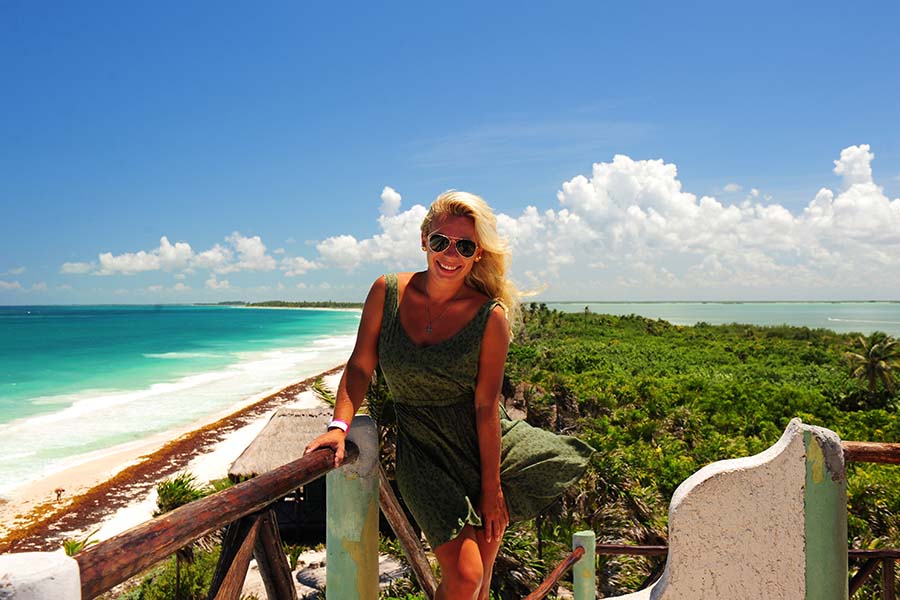
in Sian Kaan, Tulum, Mexico, 2014
Staying Connected Without Pressure
When I first traveled solo, my phone plan was limited. I remember being careful with every message I sent, choosing short updates instead of long conversations. I’d check in every couple of days, letting my parents know I was fine, maybe adding a brief impression of where I was or a photo of a street or a café. It wasn’t constant communication, but it was enough to feel held from afar.
Today, staying connected is easier than ever. Messages, photos, voice notes, even live location sharing are all available at the touch of a screen. Used intentionally, these tools can be helpful and grounding rather than intrusive. If someone you love feels worried about your solo trip, sharing your location for a few hours or sending a quick “I arrived safely” message can ease their mind and sometimes also yours.
The key is choice. Use what brings reassurance, not pressure. You don’t owe constant updates, but you also don’t have to disappear completely to prove independence. Because independence doesn’t mean isolation. Safety often grows quietly when someone, somewhere, knows you exist and that you’re finding your way.
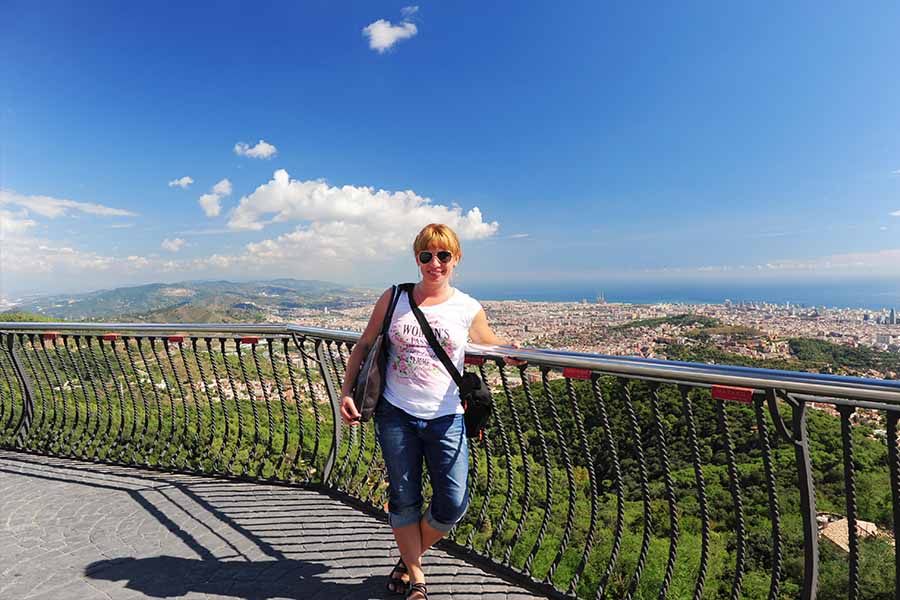
in Barcelona, 2013
Choosing Awareness Over Anxiety
Caution is calm and grounded. Fear is loud and exhausting. Solo travel isn’t about being fearless. It’s about being present enough to notice what’s actually happening around you.
Caution shows up in small, sensible choices. Reading reviews before booking a place. Checking how far your accommodation is from public transport. Arriving in a new city during daylight when possible. Knowing roughly where you’re going, even if you allow space for getting a little lost later. These decisions create more freedom.
Preparation plays a quiet but powerful role. For my solo trips in Spain, I always prioritized location over design. A central area meant well-lit streets, cafés still open in the evening, people around. It made walking back at night feel easier and navigating during the day less stressful. That single choice removed a surprising amount of background anxiety and allowed me to enjoy the experience more fully.
Fear, on the other hand, tends to exaggerate. It imagines worst-case scenarios without evidence and keeps you tense even when nothing is wrong. Caution listens to your surroundings; fear keeps you stuck in your head. Learning to tell the difference takes time, but it becomes clearer with every trip.
I’ve found it helpful to pause and ask myself: Am I responding to something real, or am I reacting to a story I’m telling myself? Most of the time, the answer brings clarity and relief.
Caution is a tool you can use when needed. Fear is a cage that closes in when you let it run the show. Solo travel teaches you how to choose the first, gently and deliberately.
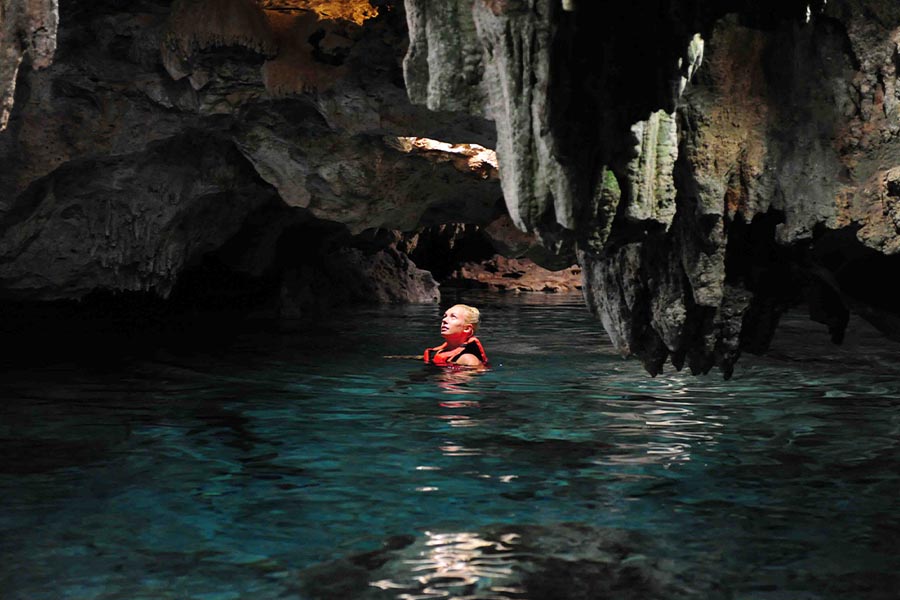
Exploring cenotes in Mexico, 2016
Experience over hype
In a world shaped by social media, it’s easy to confuse solo travel with performance. With risk-taking. With proving something to strangers, to followers, sometimes even to ourselves. The loud moments tend to get the most attention, but they are rarely the ones that stay with us.
For me, solo travel has always been quieter and more personal. It’s about sitting in a café longer than planned, simply watching life pass by. Walking without urgency, taking the long way because something on the street catches my eye. Writing a few lines in a notebook at the end of the day, not to document everything, but to remember how a place made me feel. Letting destinations unfold slowly, without turning them into checklists.
This kind of travel doesn’t demand bravery in the dramatic sense. It asks for presence. For listening. For noticing when you need rest instead of movement, familiarity instead of novelty. It’s not about chasing excitement, but about allowing yourself to be there fully — in a new place, in your own company.
That’s why I believe solo travel isn’t a distant idea reserved for the fearless or the overly confident. It’s something you grow into. One small step at a time.
And if you’re reading this with curiosity rather than certainty, that’s more than enough to begin.
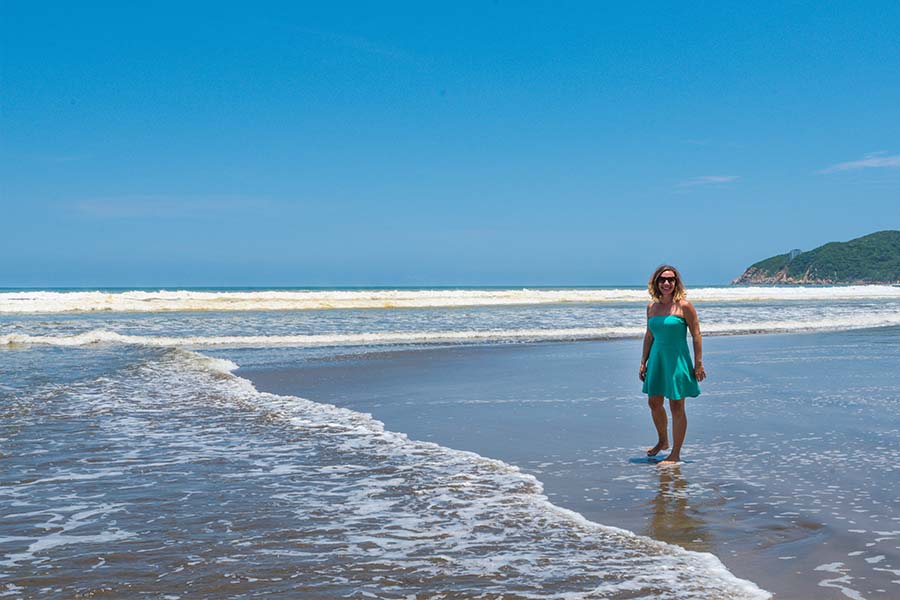
First time walking near the Pacific Ocean, Acapulco, Mexico, 2017
To all the women stepping out on their first solo journey…
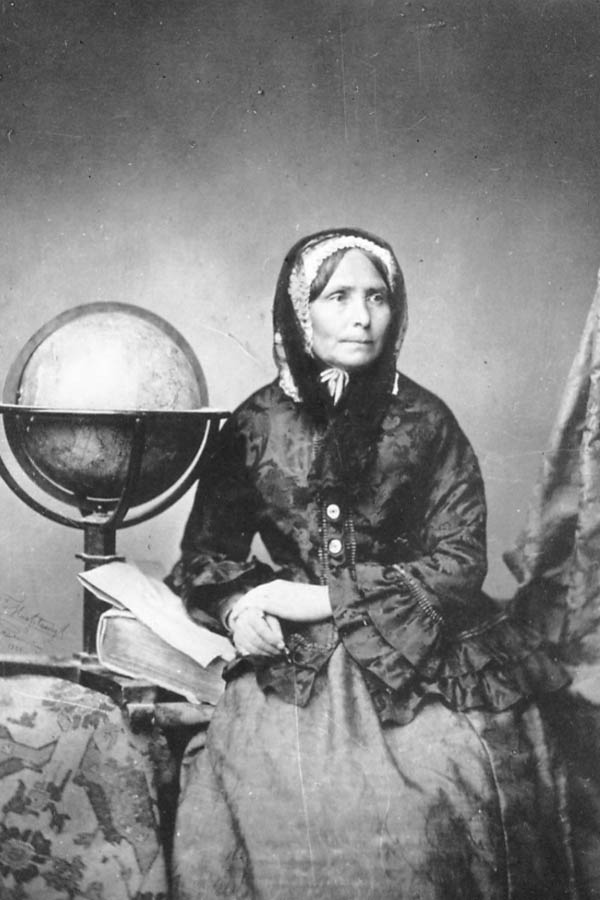
Long before solo travel became a trend or a hashtag, women were already moving through the world on their own terms. Austrian explorer Ida Pfeiffer (1797–1858) traveled across Europe, the Middle East, Asia, and the Americas entirely on her own, starting at the age of 45. She completed two trips around the world, documenting her experiences at a time when when most women never left home.
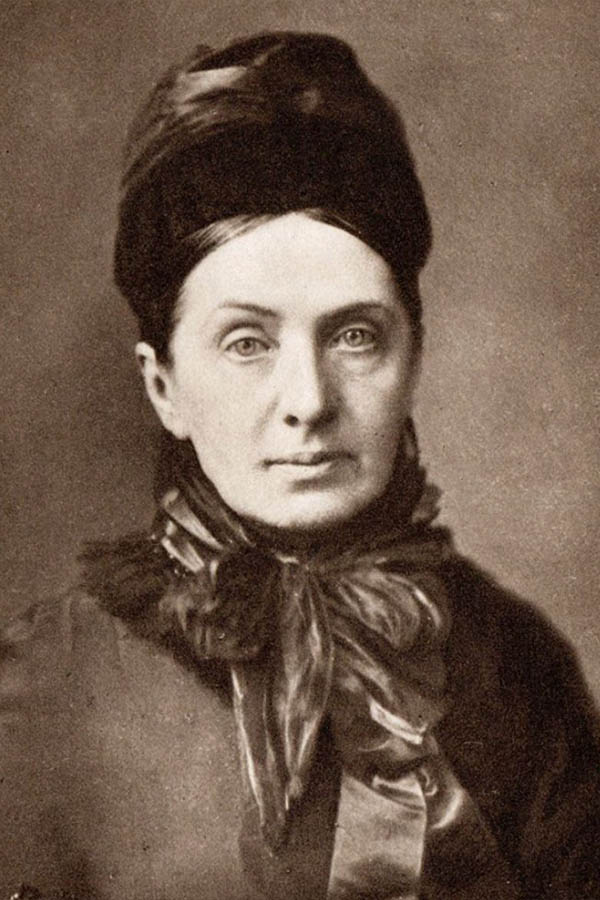
In the late 19th and early 20th centuries, women like Isabella Bird journeyed alone across Asia, the Middle East, and the Americas, often on horseback, exploring cultures with curiosity rather than fear. Alexandra David-Néel traveled through Tibet when it was still closed to outsiders, guided more by inner conviction than permission. Freya Stark crossed remote parts of the Middle East, writing about the landscapes she encountered and the inner discoveries that solo travel can reveal.
Ida Pfeiffer
Alexandra David-Néel
Freya Stark
Isabella Bird
All images in this article were taken by Elena Sullivan, ArsVie Photo Studio and are protected by copyright. If you are interested in using any of the them, please contact me for permission. Thank you for understanding!
Travel Quiz
Dreaming of your first solo trip? Discover your traveler type and the country that fits you. Take the Travel Personality Quiz!
Hi, there! I’m Elena Sullivan, a fine art photographer, and creative adventurer. My first joyful experimentation with a camera extended into a passionate relationship where harmony represents a constant flow of elegant devotion. I follow my intuition and curiosity in search of eternal connections in nature, then use my camera to reveal it and share it with you! Every of my photo is curated with love and artistic excellence.