“Learn the rules like a professional, so you can break them like an artist.” — Pablo Picasso
Since moving to the Costa del Sol, and more specifically to Marbella, our days have been filled with practical beginnings: paperwork, learning the rhythms of daily life, discovering local stores, and slowly mapping the places that give this region its cultural depth. Among those places, one visit felt inevitable from the start: the Pablo Picasso Museum in Málaga.
Booking tickets online with a reserved time slot turned out to be a smart choice. It helped us avoid queues and made the visit feel relaxed from the very beginning, something I’d highly recommend, especially during busy seasons. If you’re planning to visit in the summer (very high season in Spain), reserving tickets well in advance is especially important, as time slots can fill up quickly.
As a former art’s student, I came in with a general understanding of Picasso’s importance, his stylistic shifts, and his place inart history. Yet I had never felt particularly drawn to his work on a personal level. Visiting the museum gave me the space to finally engage with it directly, without preconceptions.
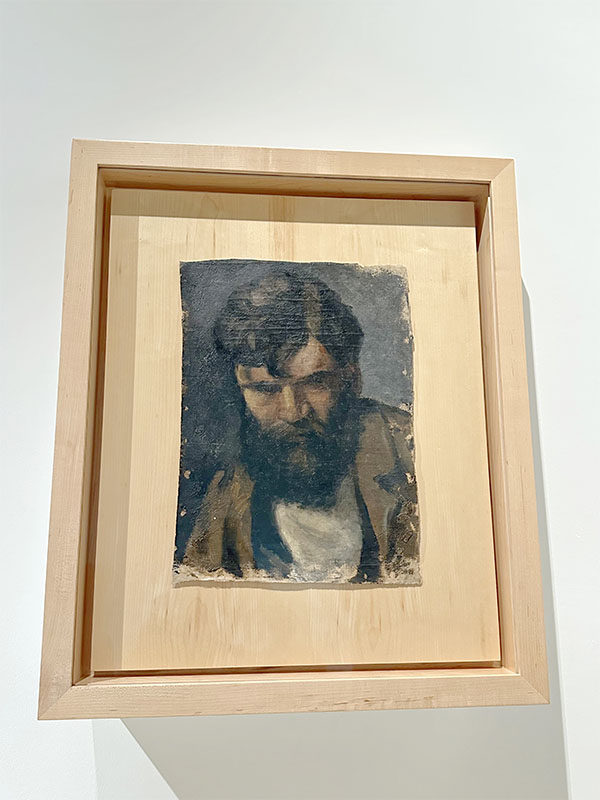
Portrait of a Bearded Man,1895
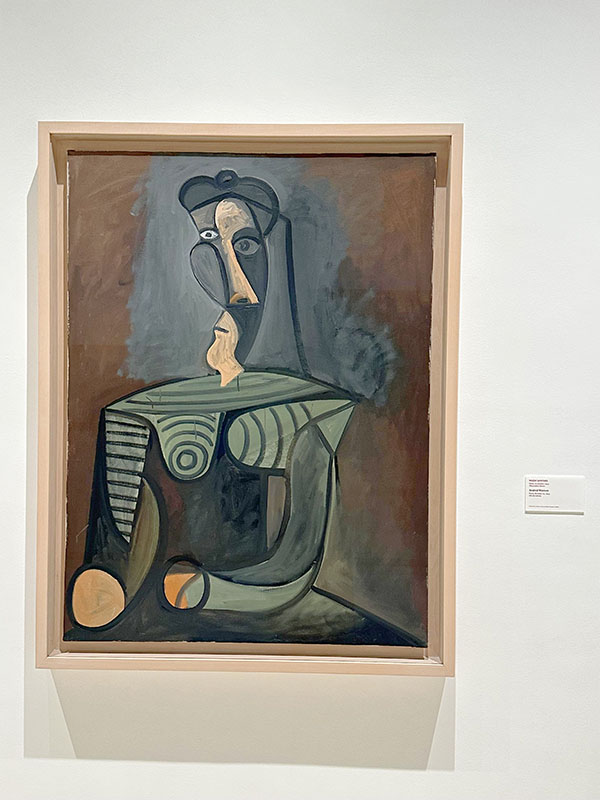
Seated Woman, 1943
Art is deeply personal.
For the artist, it is a reflection of how they see and process the world; for the viewer or collector, it’s about resonance, what speaks to you and what doesn’t. Picasso’s work isn’t meant to be universally understood, and that’s perfectly fine. We don’t need to fully “understand” every piece of art we encounter. But standing in front of his work, it becomes impossible not to respect his dedication, his discipline, and his lifelong commitment to exploration.
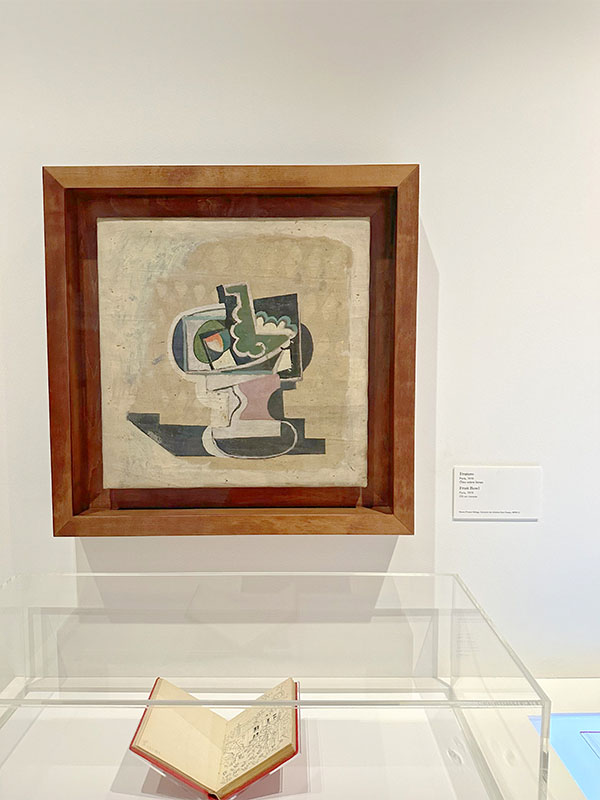
Sometimes, encountering art outside our usual preferences opens new visual pathways. Picasso’s work does exactly that. It invites curiosity. It feels confident and cohesive, playful yet deliberate. The colors flow, the forms simplify and distort, and yet everything feels intentional.
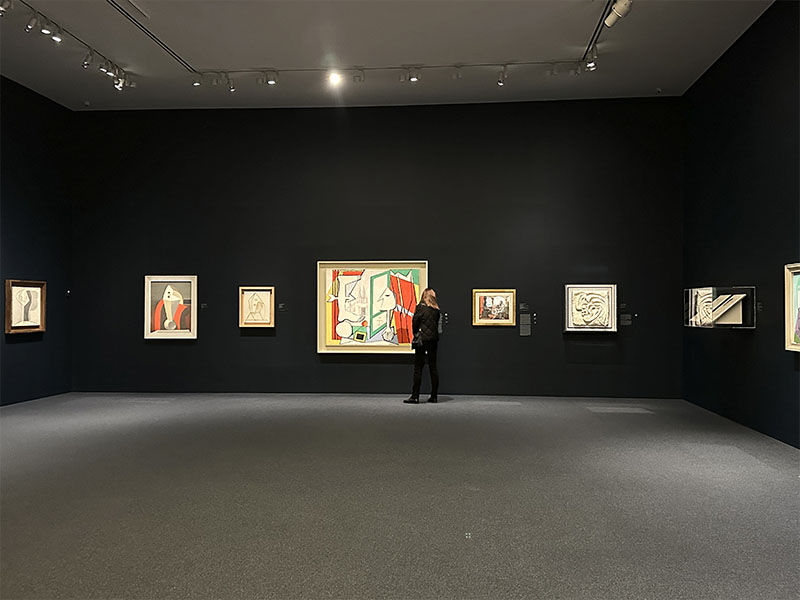
When I plan a visit to a particular museum (like Metropolitan Art Museumin New York or Getty Museum in Los Angeles), I tend to avoid reading too much about it beforehand. I prefer to arrive open, allowing my own impressions to form first. Following that instinct, we spent several immersive hours inside the museum, moving slowly through the galleries.
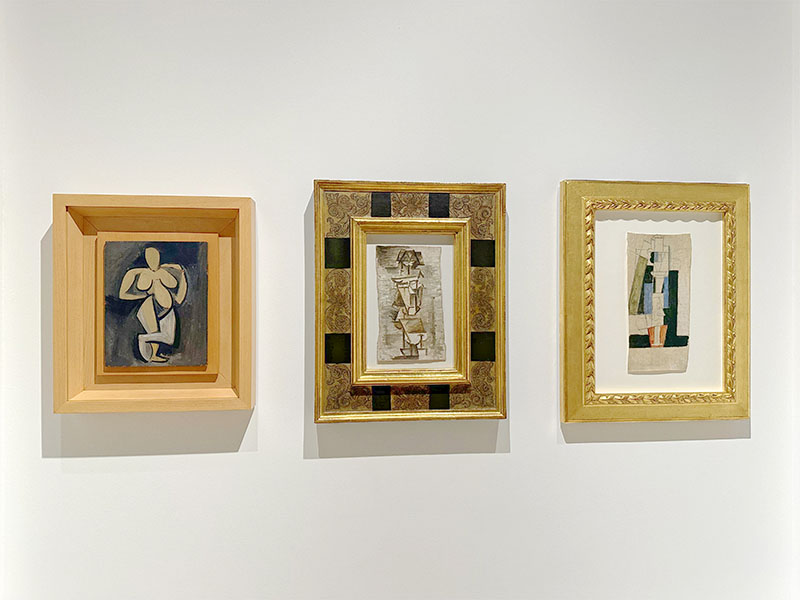
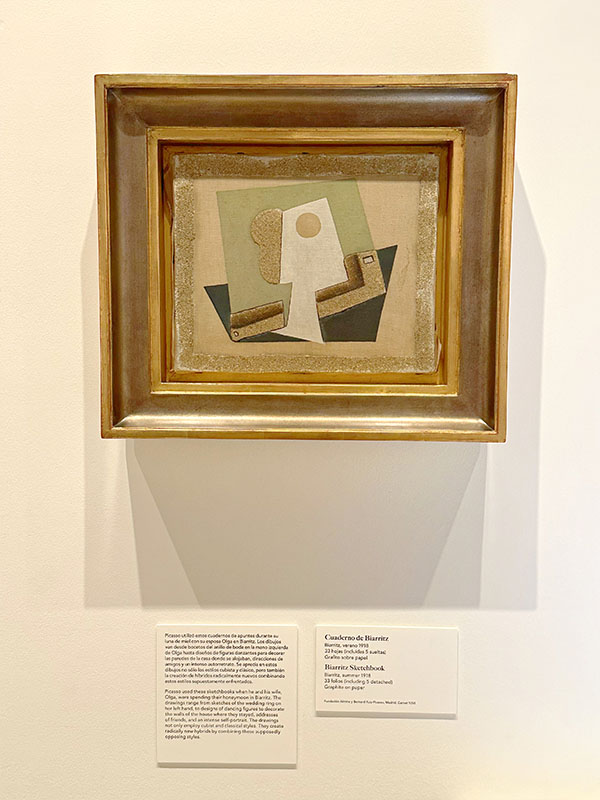
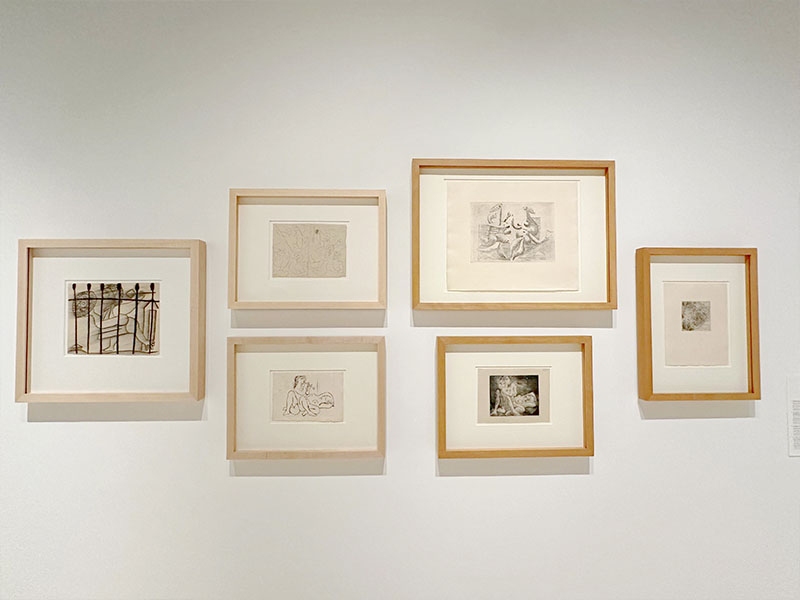
Cuaderno de Biarritz, 1918
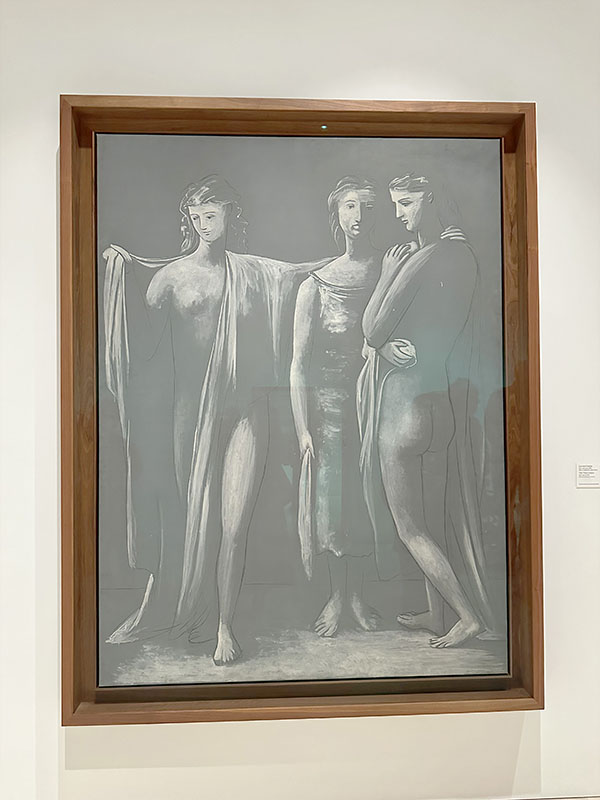
The Three Graces,1923
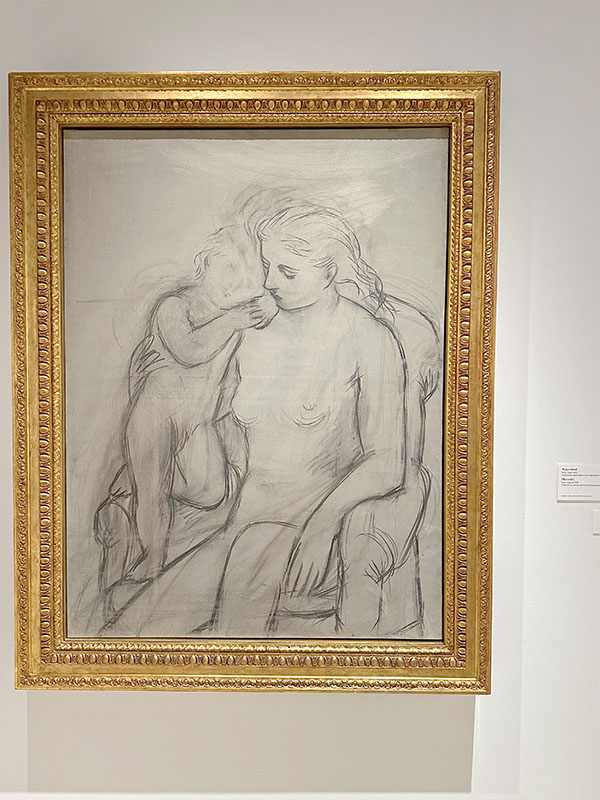
Maternity, 1923
Meeting Pablo Picasso in Málaga. A Slow Walk Through Form and Imagination.
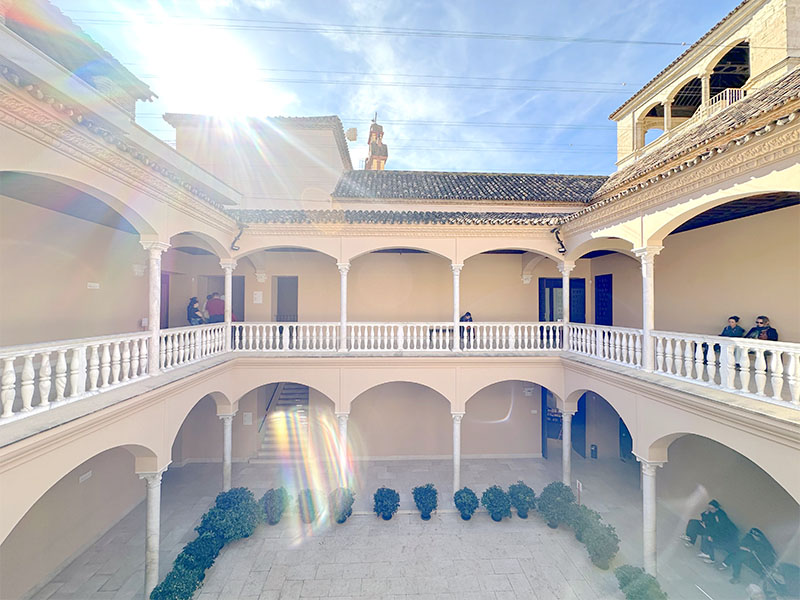
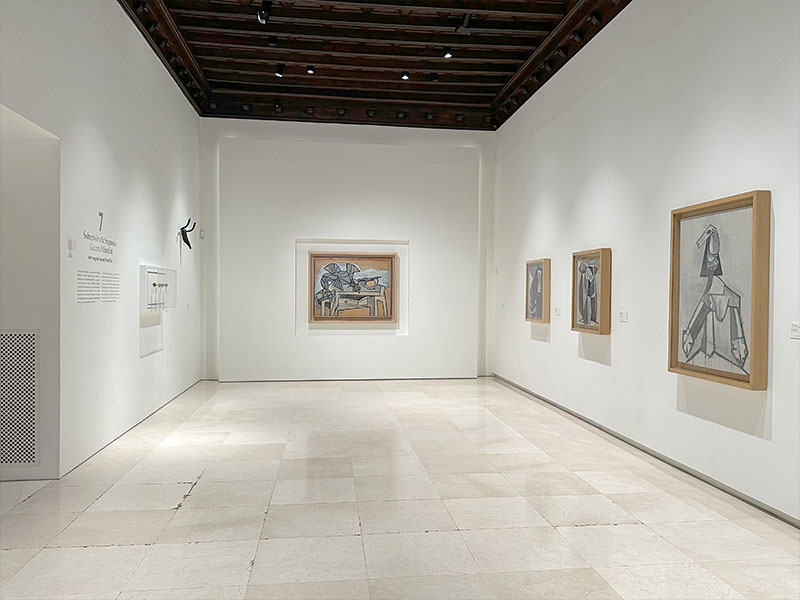
The Picasso museum itself is beautifully situated in Málaga’s historic center, close to landmarks such as the Roman Theatre, the Málaga Cathedral, and the Alcazaba. Housed in the Buenavista Palace, a 16th-century Andalusian building, the space feels calm and thoughtful. The exhibition unfolds chronologically, beginning with Picasso’s early, more realistic works, pieces that reveal his technical skill long before abstraction took over. Seeing this progression made his artistic evolution feel both intentional and earned.
Pablo Picasso was born in Málaga in 1881, and although his life and career unfolded across Spain, France, and beyond, this city remained his point of origin. In 2003, the Picasso Museum Málaga officially opened its doors. The project was made possible through a collaboration between the Junta de Andalucía, the city of Málaga, and members of Picasso’s family, Christine and Bernard Ruiz-Picasso, who donated a significant portion of the collection. Their involvement helped ensure that the museum would reflect both Picasso’s fame and the intimacy of his creative life.
The museum is housed in the Buenavista Palace, a 16th-century Andalusian residence that was carefully restored to balance historical architecture with modern exhibition spaces. Beneath the building, archaeological remains from Roman and Phoenician periods were preserved and incorporated into the museum experience, creating a powerful dialogue between ancient history and modern art. This layering of time feels especially fitting for an artist whose work constantly challenged linear thinking.
With over 200 works spanning painting, sculpture, ceramics, drawings, and prints, the museum offers insight into Picasso’s evolving vision. It’s more about understanding and watching an artist think, experiment, and transform.
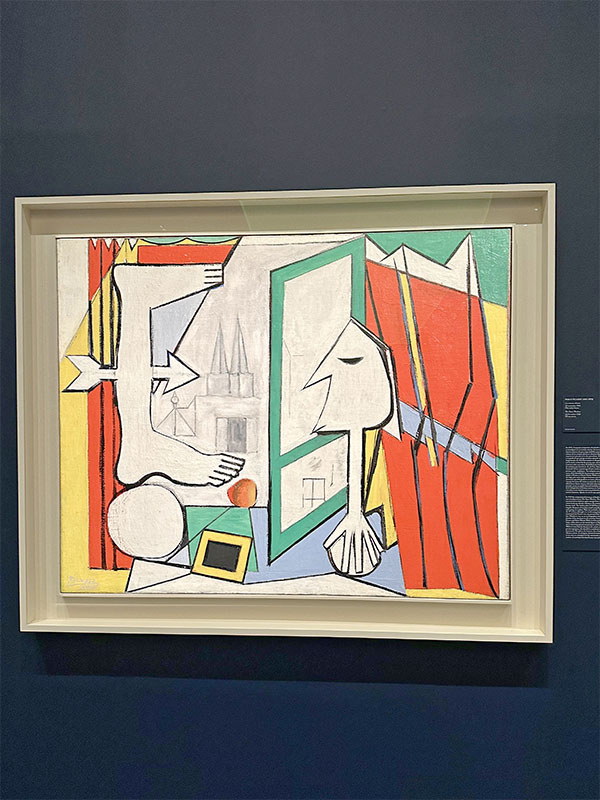
The Open Window, 1929
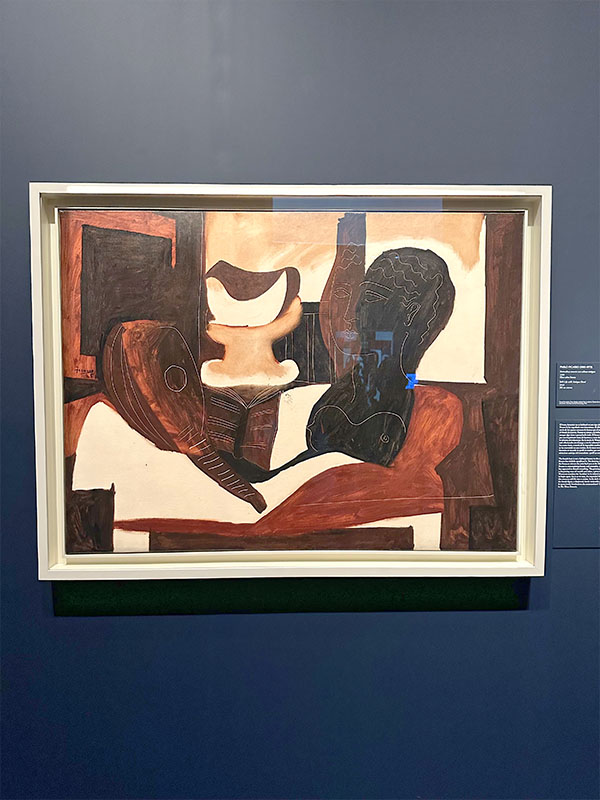
Still Life with Antique Head,1925
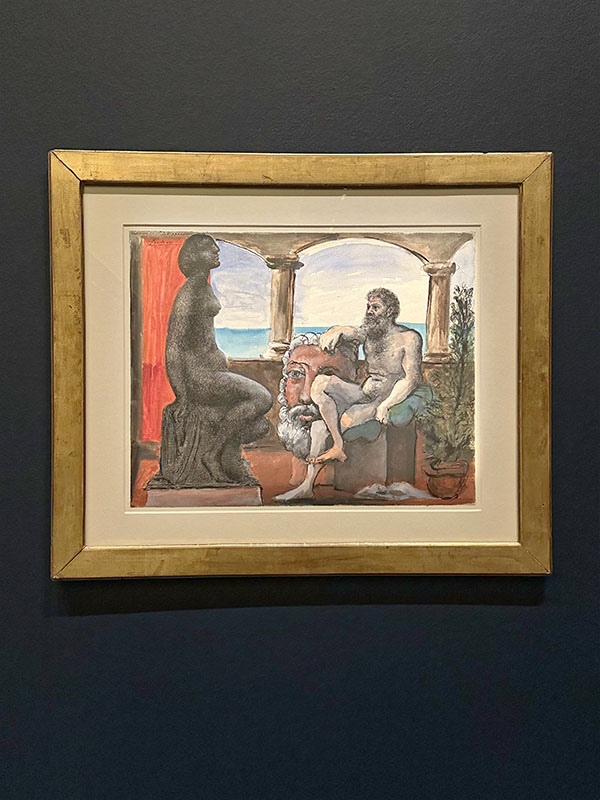
Sculptor and Model in Front of a Window, 1933
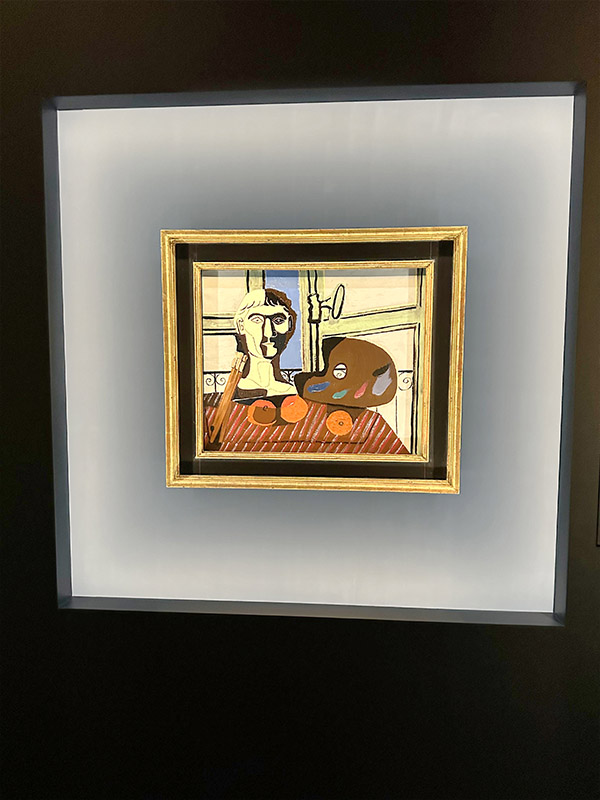
Bust and Palette, 1925
Picasso’s Five Creative Phases
The Blue Period (1901–1904)
Marked by cool blue tones and introspective themes, this phase reflects solitude, emotional depth, and human vulnerability, shaped by personal loss and reflection.
The Rose Period (1904–1906)
Warmer colors and softer subjects emerge here, often inspired by circus life. The mood shifts toward intimacy, tenderness, and a renewed sense of balance.
Cubism (from 1907)
Co-founded by Picasso, Cubism redefined modern art by breaking forms into geometric shapes and presenting multiple perspectives at once, challenging traditional representation.
Surrealist Influence (1920s–1930s)
Although never officially part of the Surrealist movement, Picasso embraced expressive distortion, symbolism, and dreamlike imagery during this emotionally charged period.
Late Experimental Period (1940s–1970s)
In his later years, Picasso revisited earlier styles with boldness and freedom, painting with confidence, humor, and a sense of play that reflected a lifetime of mastery.
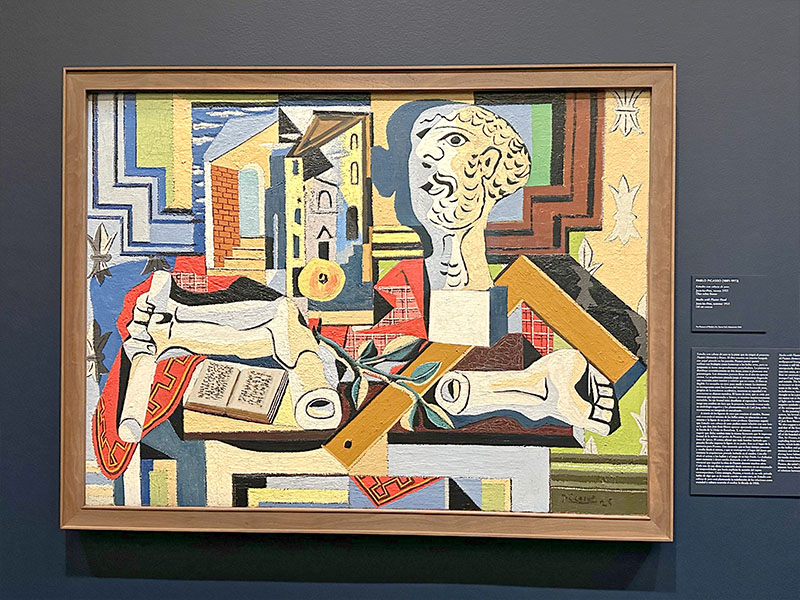
Studio with Plaster Head, 1925
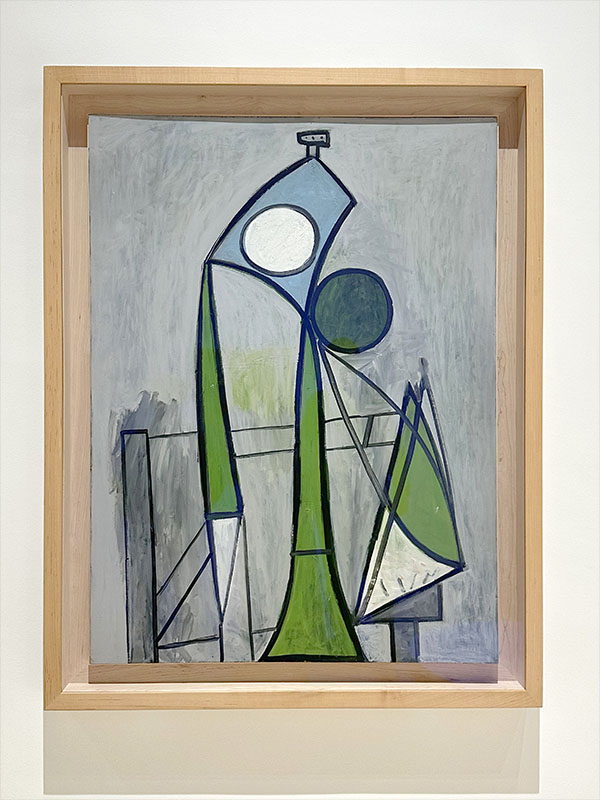
Figure, 1946
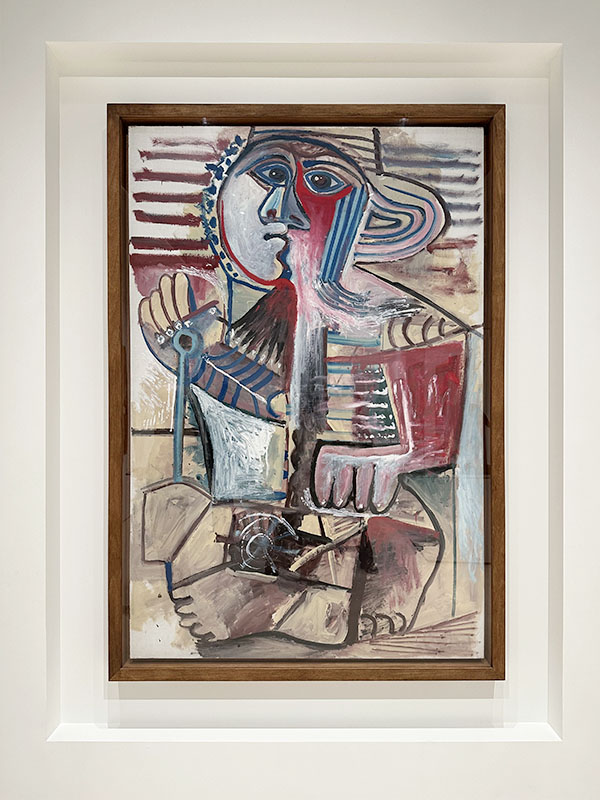
Child with a spade, 1971
From Cubism to Curiosity and Understanding Picasso’s Visual Language
Although Picasso is best known as a pioneer of Cubism, certain periods of his work echo Surrealist sensibilities: distorted forms and dreamlike compositions (like in “Floral Abundance”) that feel guided as much by intuition as by structure.
Despite the bold outlines and surreal forms, I didn’t experience his work as aggressive. On the contrary, I felt curiosity and even a quiet sense of humor. His art encourages you to pause, to look longer, to question what initially feels simple. Those shapes, softened and reimagined, become something exploratory and alive.
One of themost inspiring aspects of Picasso’s story is his lifelong creative output. He remained active and experimental until the very end of his life. As a photographic artist myself, that kind of sustained curiosity feels grounding and motivating. Creativity, it reminded me, isn’t about arriving at a destination, it’s about continuing the conversation.
I left the museum with a sense of quiet fulfillment. Spending four hours there felt like an enriching experience, just enough time to take in the confidence of his work, the clarity of his vision, and the freedom with which he approached art.
As Picasso once said: “Inspiration exists, but it has to find you working.”
Walking through the streets of Málaga afterward, I couldn’t help but think about the boldness and experimentation that defined his art, a reminder of how innovation often comes from taking risks, challenging convention and hard work.
Visiting the Pablo Picasso Museum in Málaga is a journey into the life and mind of one of history’s most revolutionary artist. For anyone curious about art, innovation, or the man behind the legend, the visit is undeniably worth it.
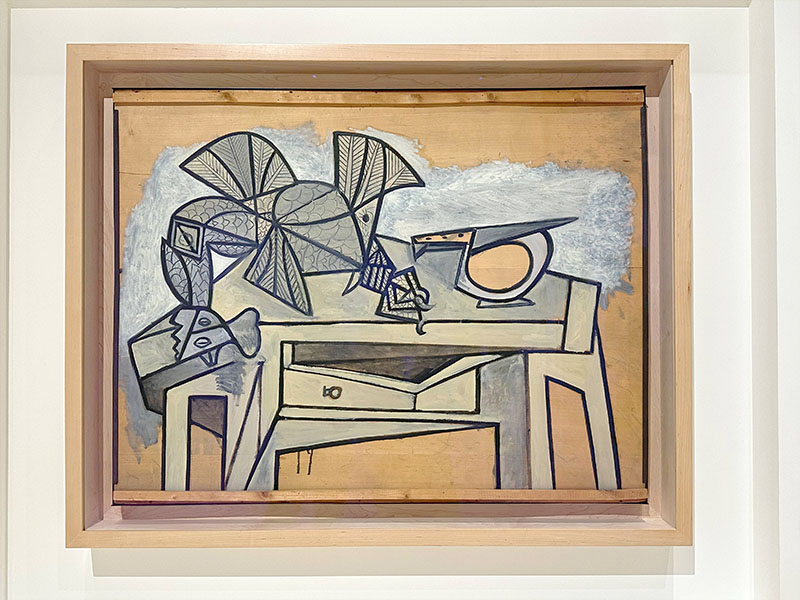
Rooster and Knife on a Table, 1947
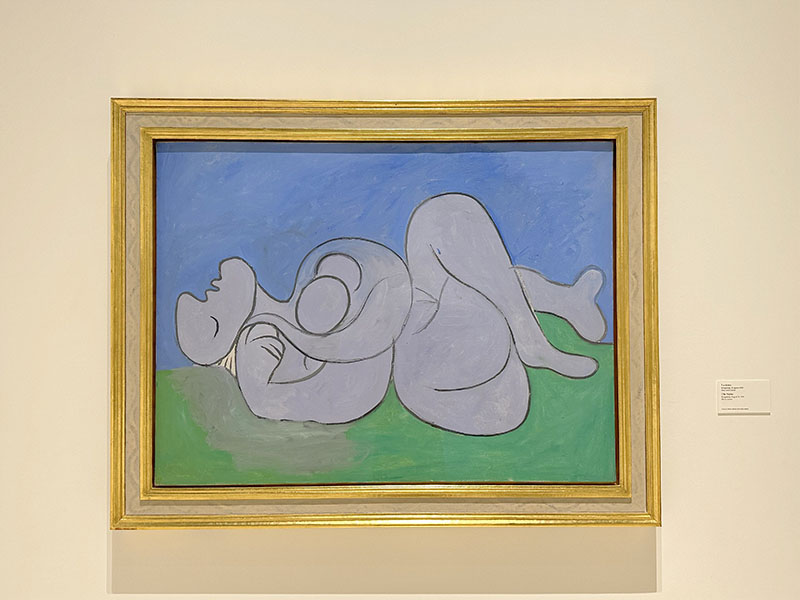
La Siesta, 1932
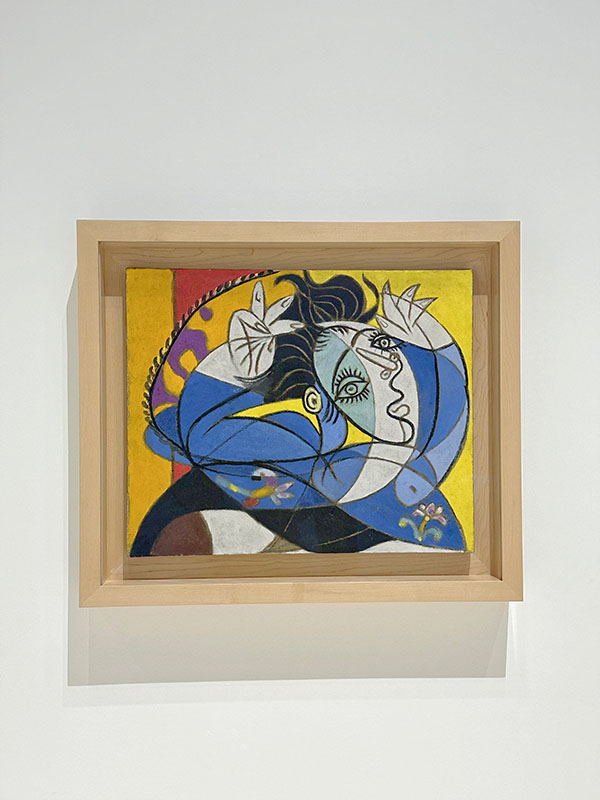
Woman with Raised Arms, 1936
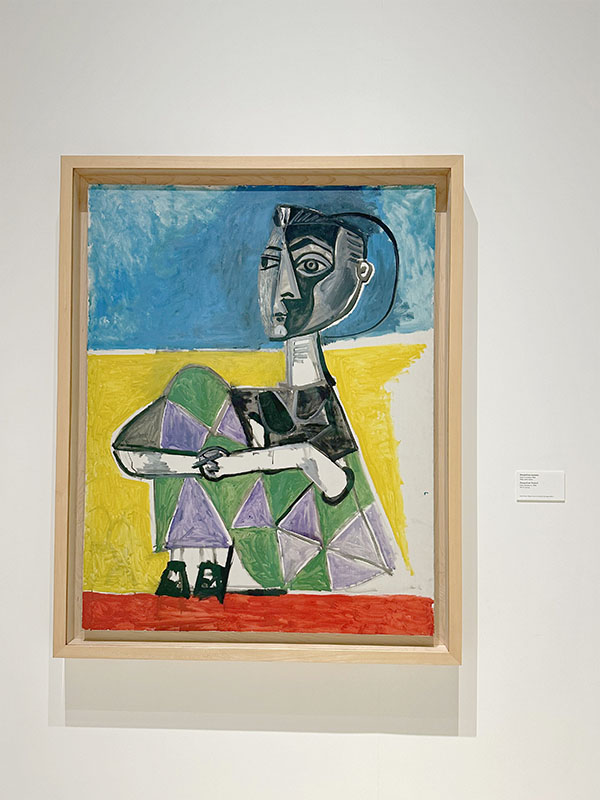
Jacqueline Seated, 1954
How to Get to the Pablo Picasso Museum in Málaga
The Pablo Picasso Museum is right in the heart of Málaga’s historic center, making it easy to reach on foot, by public transport, or by car.
By Foot:
If you’re staying in the city center, the museum is easily walkable. Strolling through the charming streets of Málaga’s old town is half the fun.
By Bus:
Several local buses stop near the museum. Lines 1, 3, 11, and 34 all pass close by. Check the latest schedules on the Málaga public transport site.
By Train:
If you’re coming from nearby towns, Málaga’s main train station, María Zambrano, is about 20 minutes on foot or a short bus ride from the museum.
By Car:
There are some parking options nearby, though spaces in the historic center can be limited. It’s often easiest to park in one of the city’s public garages and walk to the museum.
Tip: Málaga’s old town streets are narrow and full of surprises, so wear comfortable shoes and enjoy the walk!
Practical Tips for Visiting the Pablo Picasso Museum
Visiting the Pablo Picasso Museum in Málaga is a treat, but a few tips can make your experience even smoother:
1. Buy tickets in advance.
Especially during peak season, booking online helps you skip the lines.
2. Go early or late.
The museum is busiest around midday. Arriving when it opens or an hour before closing gives a quieter, more intimate experience.
3. Big bags, lockers, and no food or drink.
Large bags will need to be left at the museum lockers, and food or drinks aren’t allowed inside. It’s all about keeping the art safe.
4. Photography rules.
You can take photos, but no video recording is allowed and flash photography is prohibited.
5. Wear comfy shoes.
You’ll be wandering multiple floors, so comfy footwear is a must.
6. Take your time.
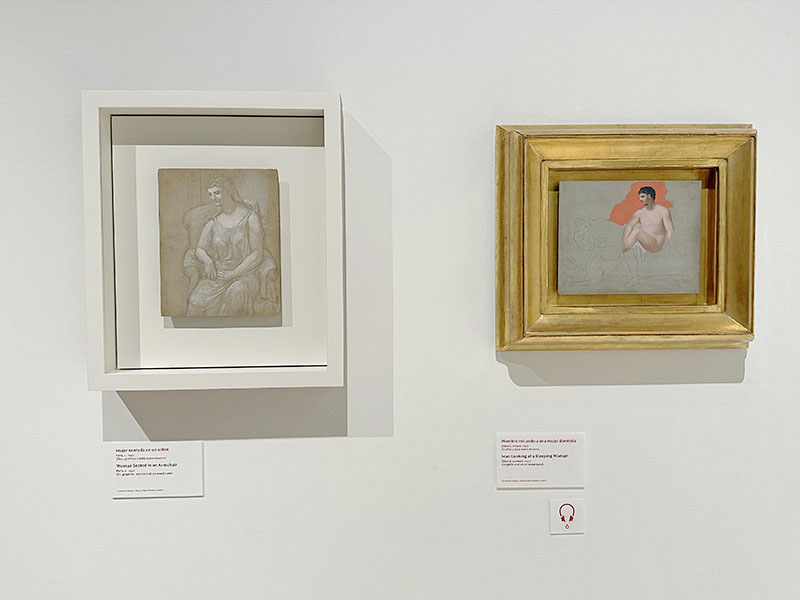
Some of his sketches and early works are small but reveal so much, they’re worth slowing down for.
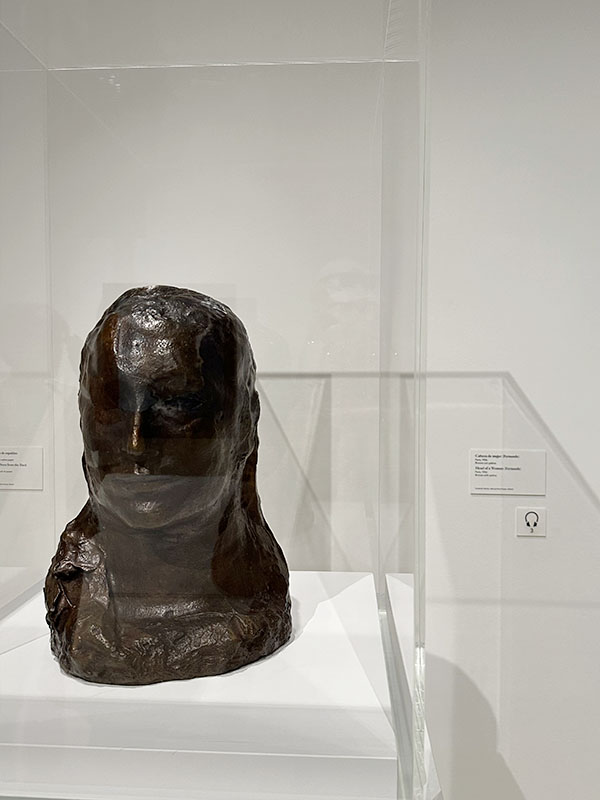
Cabeza de mujer (Fernande), 1906
Pablo Picasso once said that art is about learning how to see differently. Did any of the works in this exhibition shift the way you think about form, emotion, or creativity? Which piece made you pause the longest? Share your answer in comments.
All images in this article were taken by Elena Sullivan, ArsVie Photo Studio and are protected by copyright. If you are interested in using any of the them, please contact me for permission. Thank you for understanding!
Add elegance to your space with beautiful wall art prints
Hi, there! I’m Elena Sullivan, a fine art photographer, and creative adventurer. My first joyful experimentation with a camera extended into a passionate relationship where harmony represents a constant flow of elegant devotion. I follow my intuition and curiosity in search of eternal connections in nature, then use my camera to reveal it and share it with you! Every of my photo is curated with love and artistic excellence.