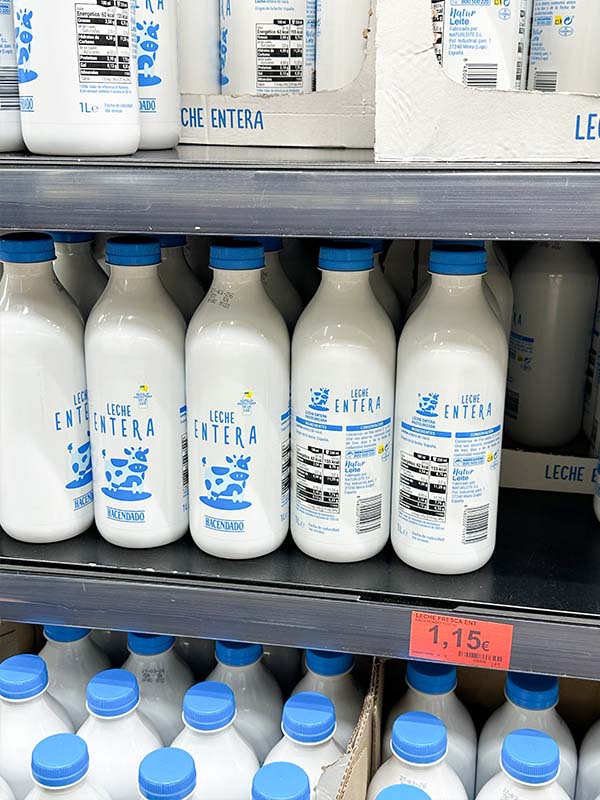
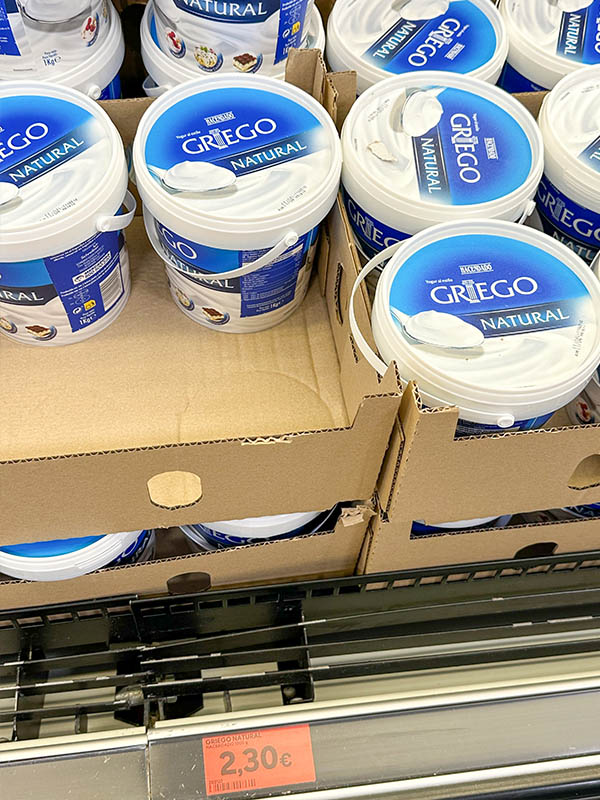
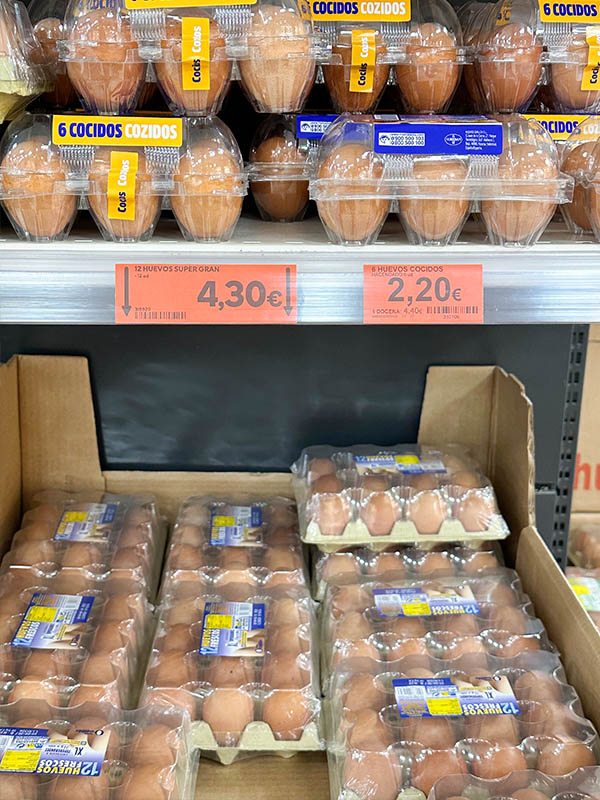
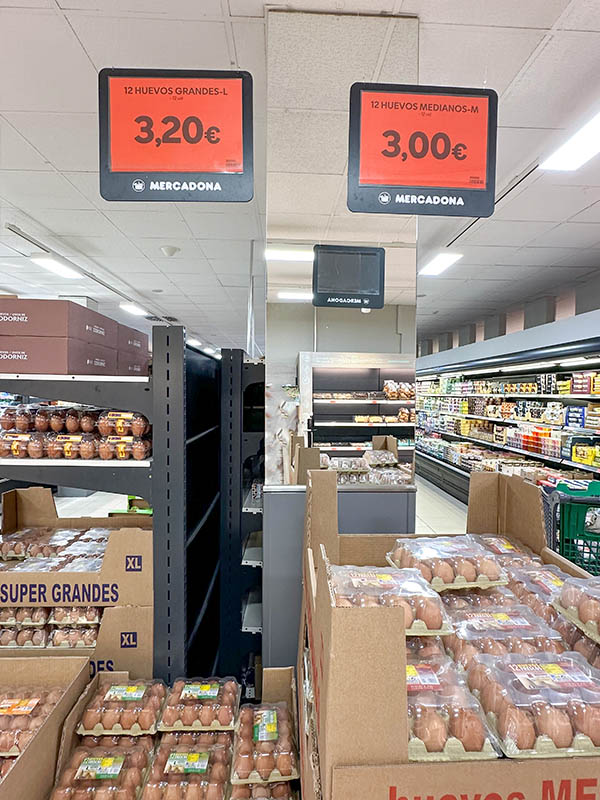
It was late in the evening, right after a long overseas flight. Tired but needing a few basic groceries, we headed to the closest store, one whose name I still remembered from my earlier travels in Spain: Mercadona.
I wasn’t expecting anything special. But within minutes, we found ourselves standing in front of a seafood counter I couldn’t stop staring at, surrounded by an incredible variety of products and wondering how everything could look so fresh and still be so affordable.
That small, ordinary moment turned into my first real glimpse into everyday life in Spain and it stayed with me.
If you’re planning a move to Spain or simply curious about what shopping in a grocery store in Spain actually looks like, this guide will give you a closer look. Based on my personal experience living in Marbella, I’ll walk you through the main grocery stores, what surprised me the most, and what the cost of life in Spain looks like when it comes to food.
Main Grocery Stores in Spain
There are many options when it comes to choosing a grocery store in Spain, and each one has its own style, pricing, and product selection. Here’s a quick overview:
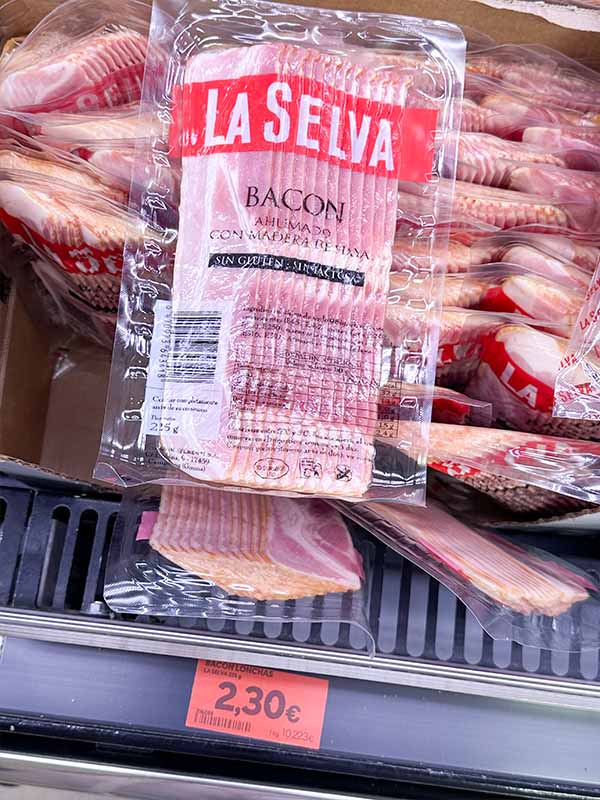
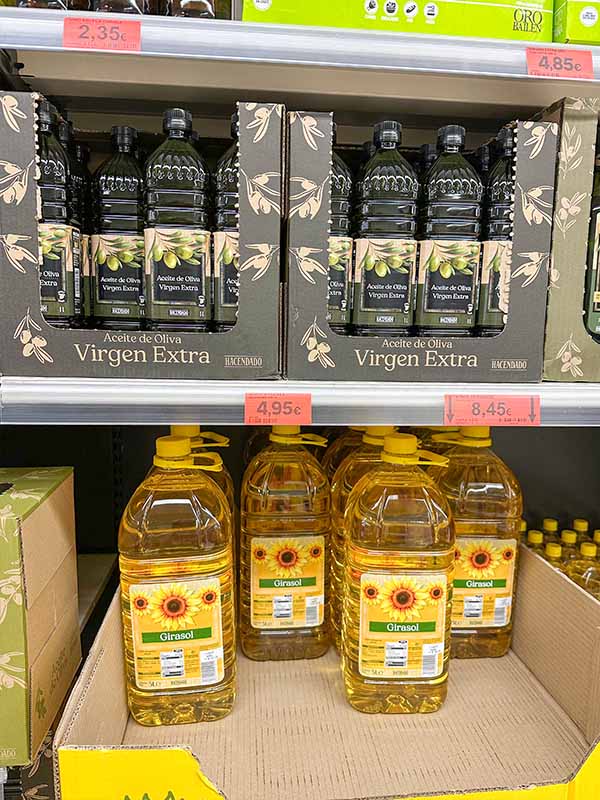
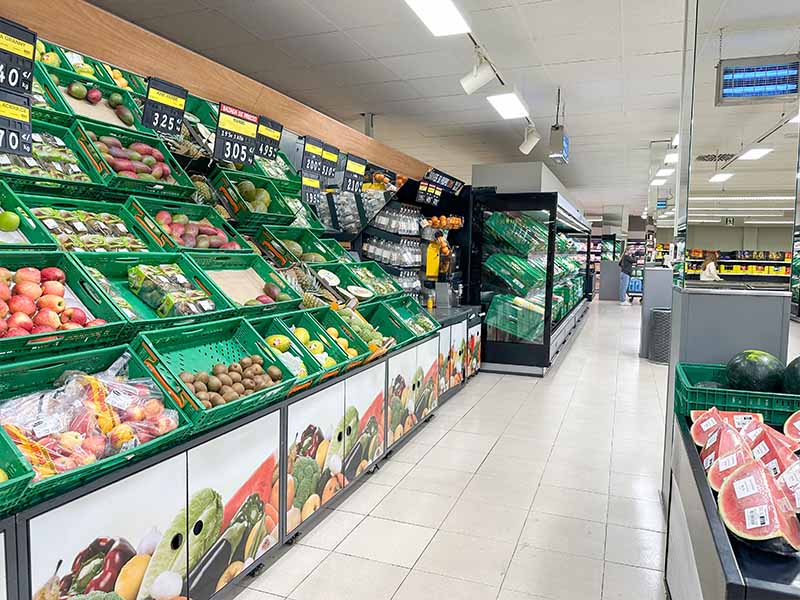
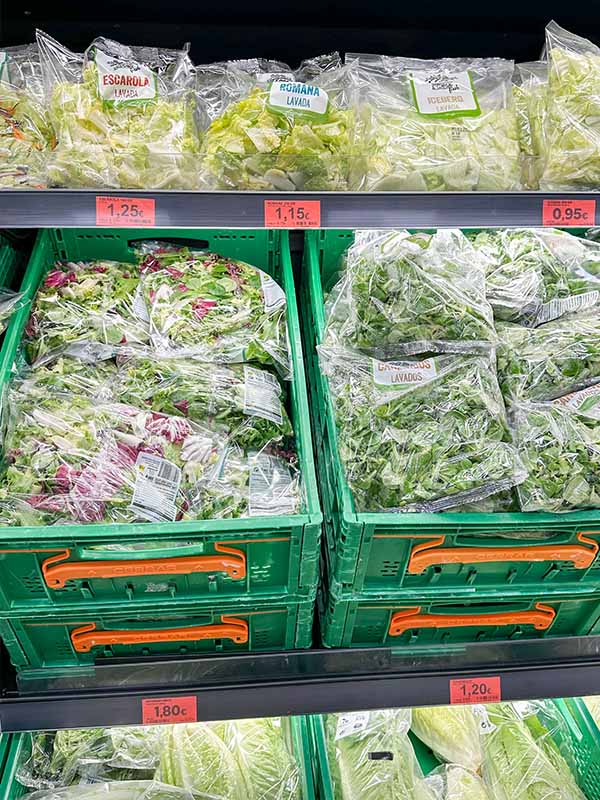
Mercadona (Spain) This is our go-to grocery store in Spain and one of the most popular Spanish chains. It offers an excellent balance of price and quality, with a strong focus on its own brands. It’s ideal for everyday shopping and weekly groceries.
Supercor and Hipercor (Spain)
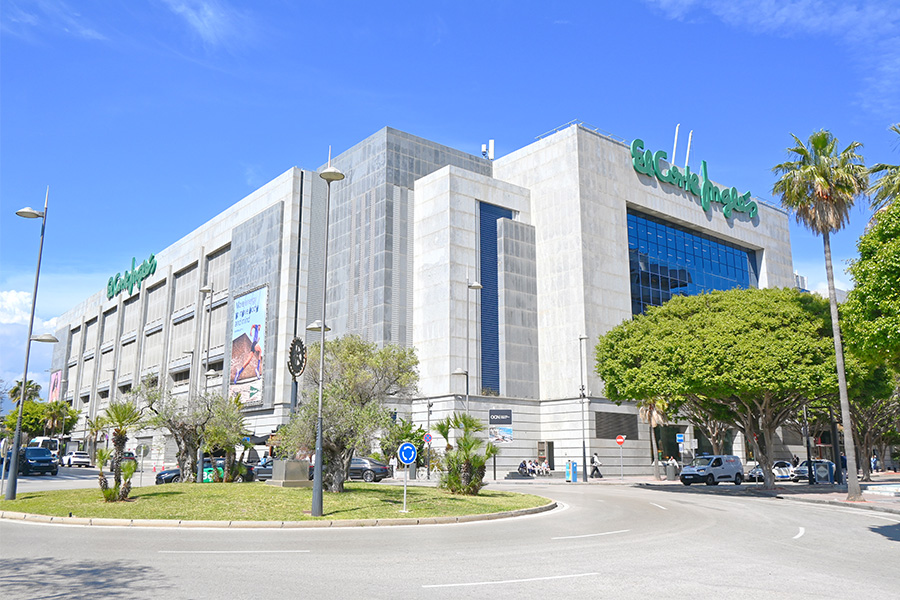
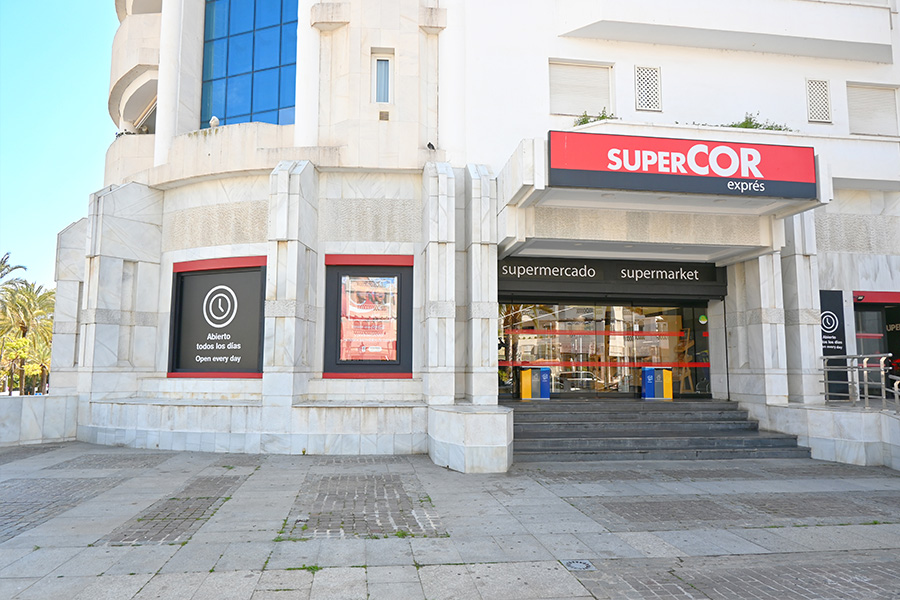
Supercor and Hipercor are supermarket branches of El Corte Inglés, offering a more premium grocery shopping experience in Marbella. Supercor stores are usually smaller and conveniently located, often near or inside El Corte Inglés locations, making them ideal for quick, high-quality purchases and ready-to-eat meals. Hipercor, on the other hand, is a larger-format supermarket with a wide selection of Spanish and international products, making it a great option when you’re looking for more variety, especially for fresh seafood, gluten-free items, and specialty ingredients.
Carrefour (France) Carrefour is a French hypermarket chain with a large presence in Spain. Here you’ll find a wider variety of international products, which makes it a good option if you’re looking for something specific. Prices can be slightly higher compared to Mercadona.
Lidl (Germany) Lidl is a German discount supermarket known for its affordability. The selection is more limited, but the value for money is excellent. It’s especially good for basics, fresh produce, and their rotating weekly themed products.
Aldi (Germany) Aldi, also originally from Germany, follows a similar concept to Lidl—simple stores, curated selection, and competitive prices. It’s perfect for quick, efficient shopping without too many choices.
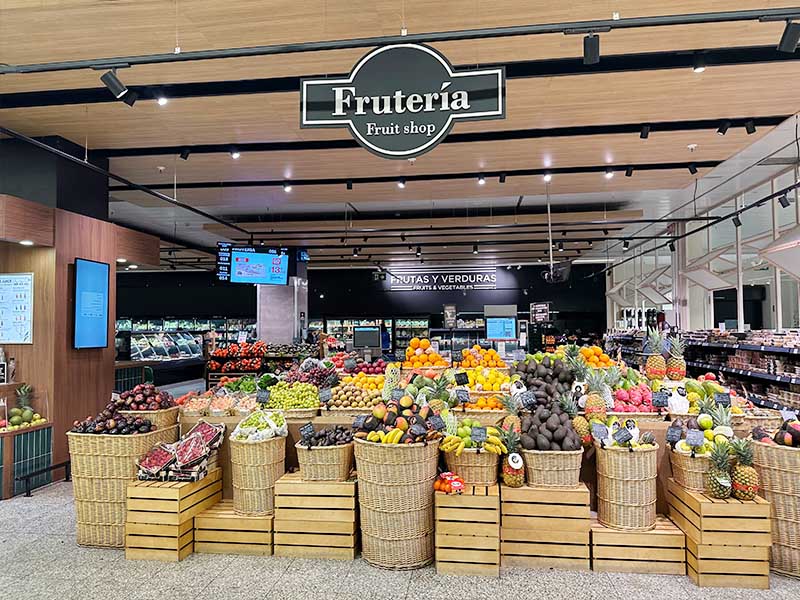
In addition to the big names, Spain has smaller or regional chains such as MAS, DIA, and Spar and others. Beyond these, the country is full of ”tiendas” and “fruterías”, small neighborhood shops where you can buy fresh fruits, vegetables, dairy, and other local products. These shops often carry seasonal produce and unique items, providing a glimpse into local flavors and traditions. Depending on your neighborhood, these smaller stores can become your go-to spots for everyday shopping, offering both convenience and a more personal experience.
Among them, Mercadona is one of the most popular and also the one we personally use the most. Since moving to Spain in 2025, it has been our go-to grocery store in Spain, mainly because it’s conveniently located near our home in Marbella. It offers a great balance of quality, price, and variety for everyday shopping.
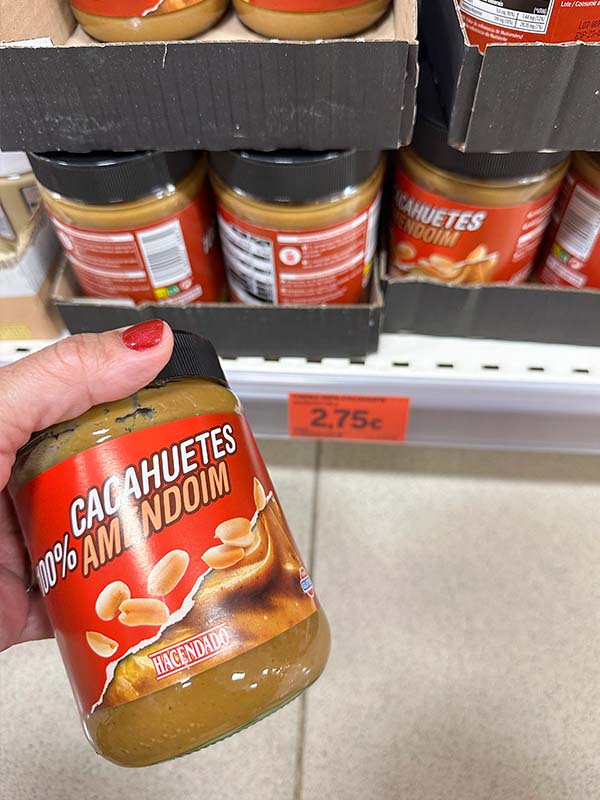
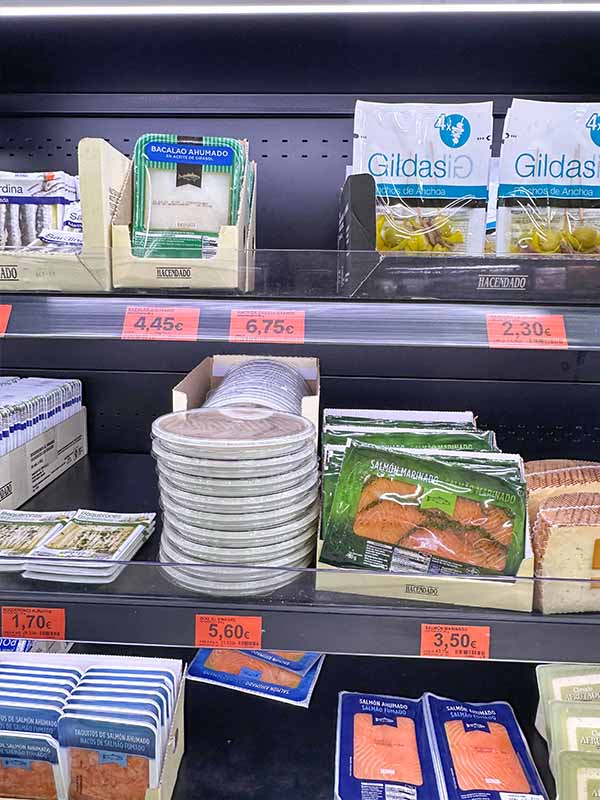
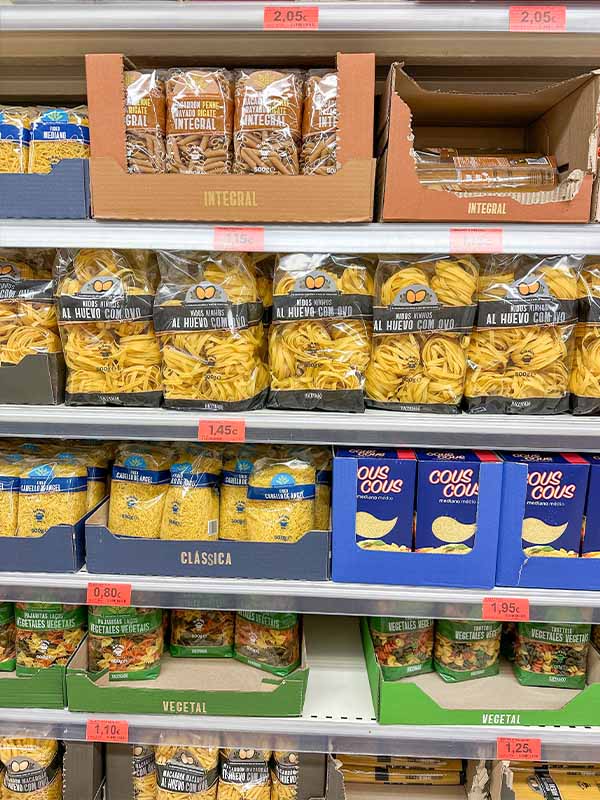
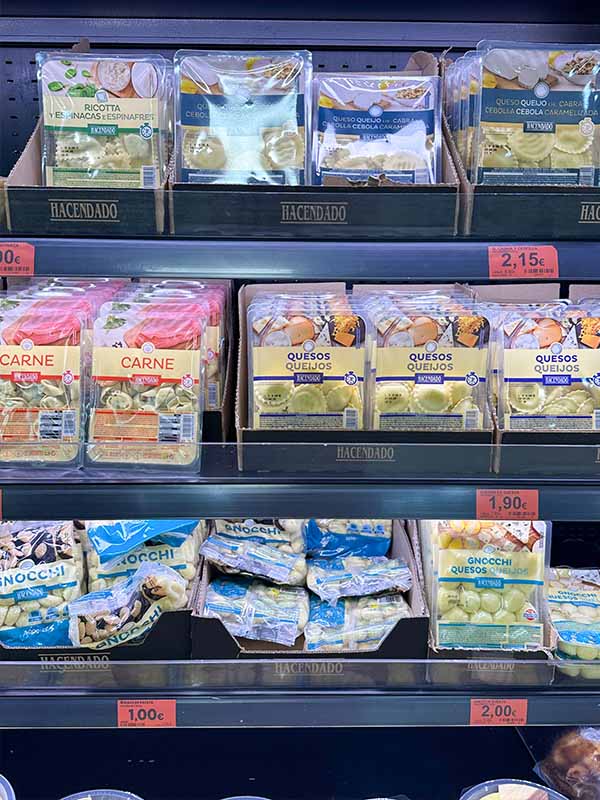
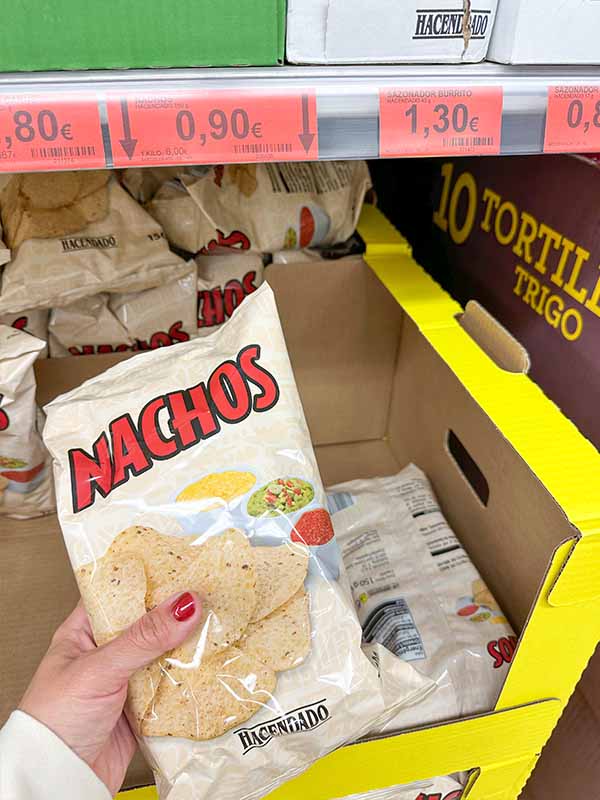
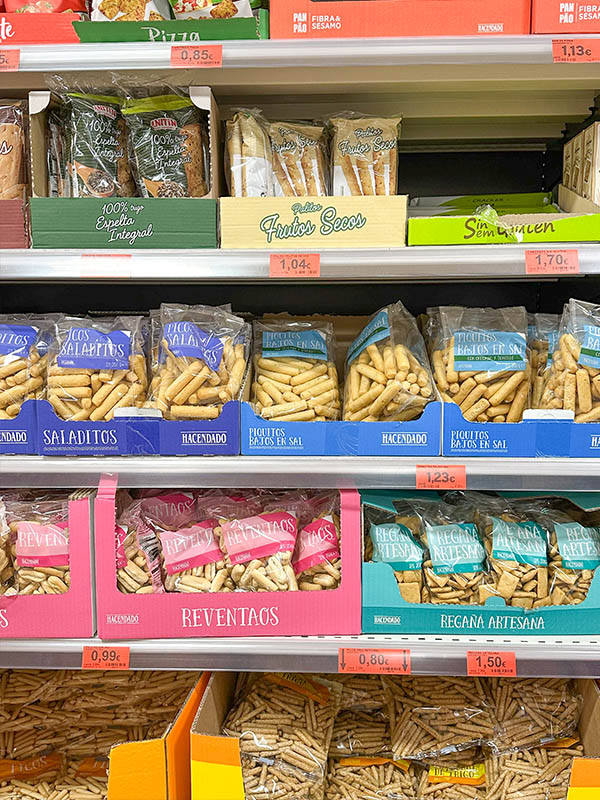
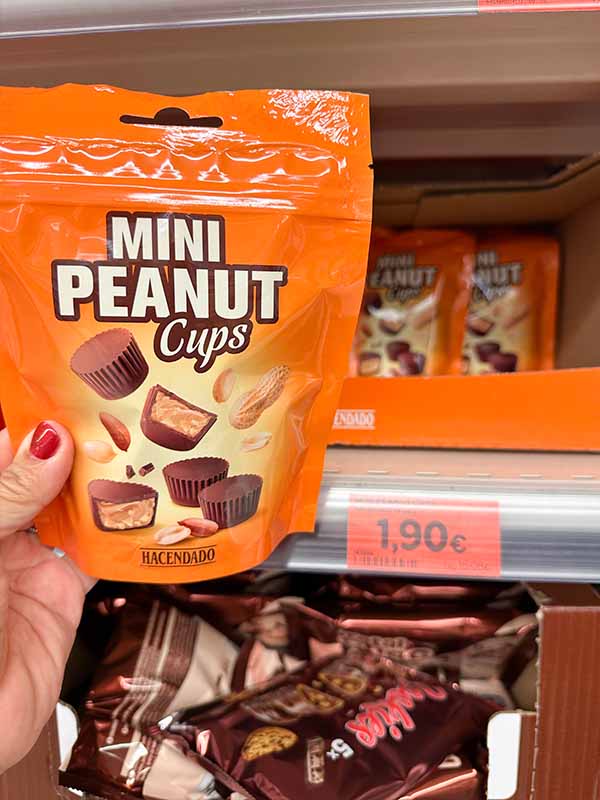
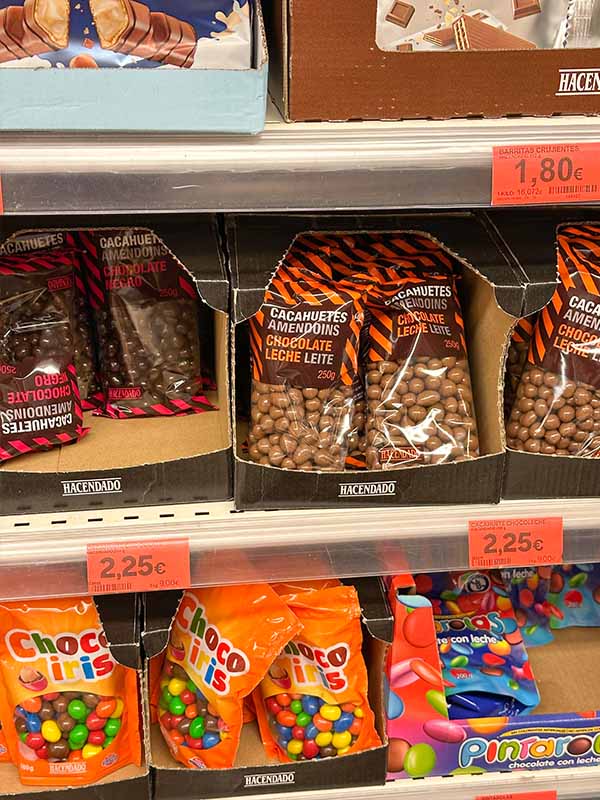
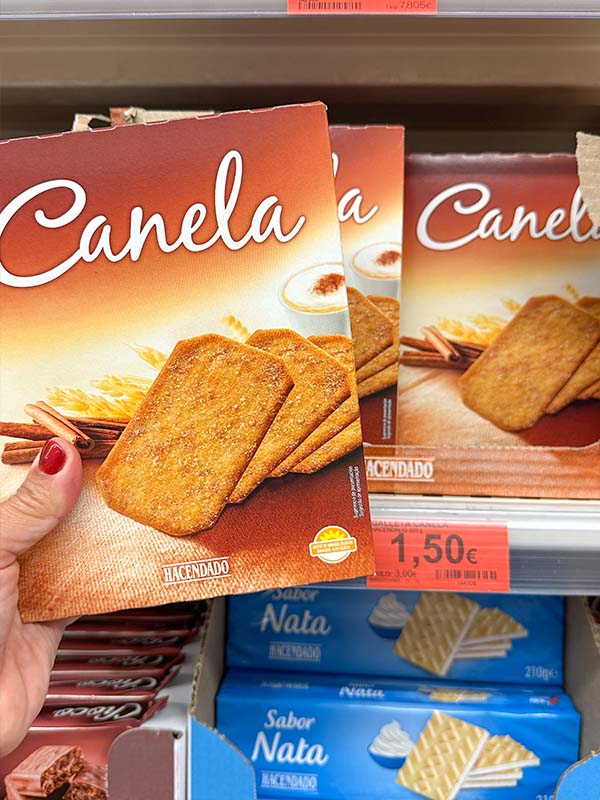
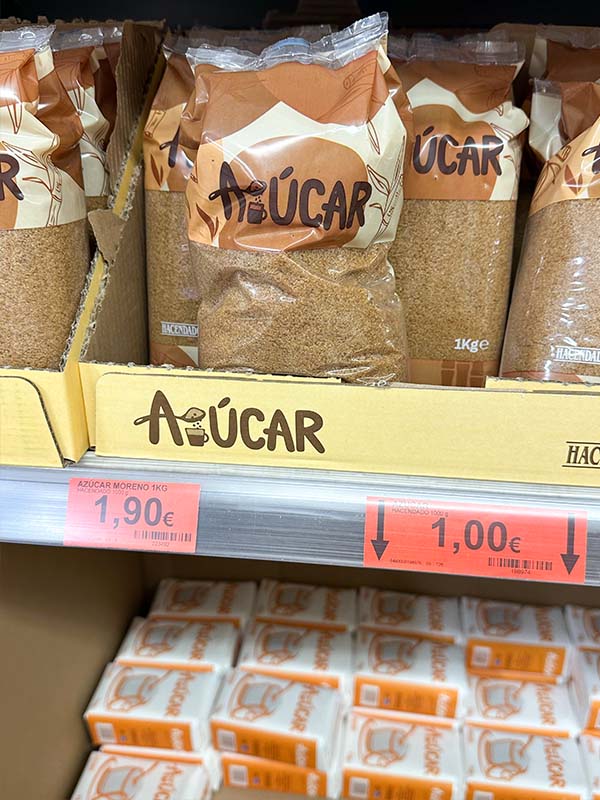
One thing you’ll quickly notice is that many Spanish grocery stores rely heavily on their own in-house brands. At Mercadona, you’ll often see:
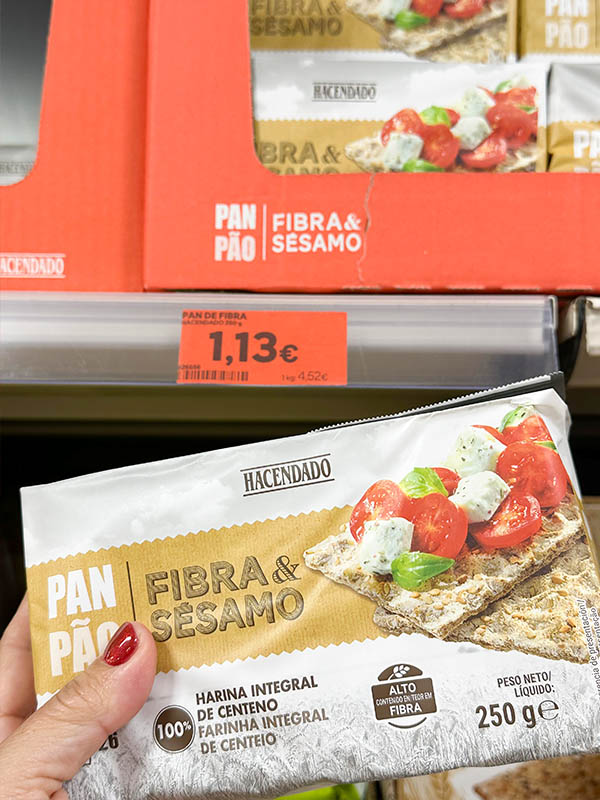
Hacendado (food)
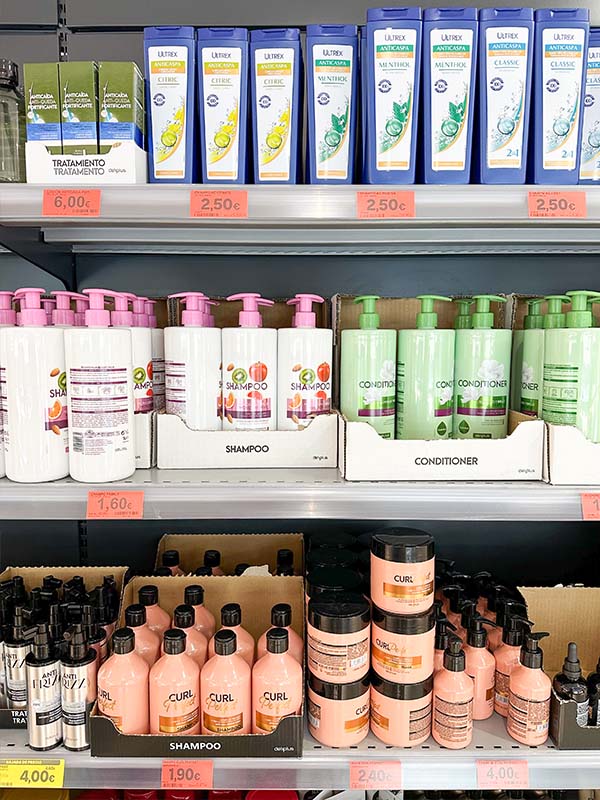
Deliplus (personal care)
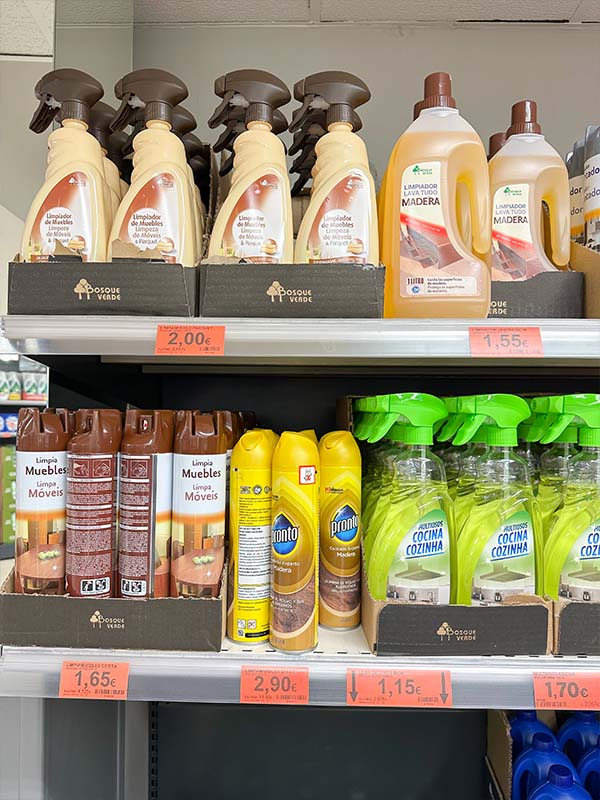
Bosque Verde (home care)
These store brands are typically more affordable and surprisingly high in quality.
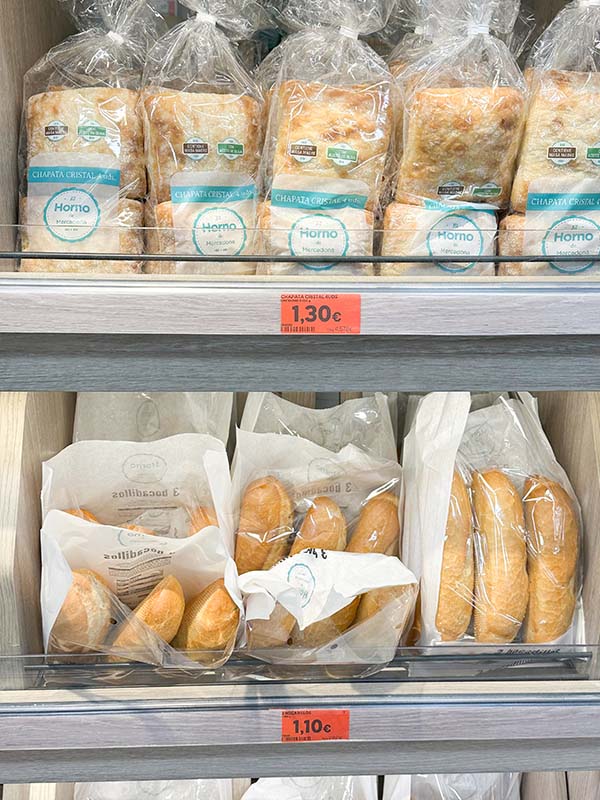
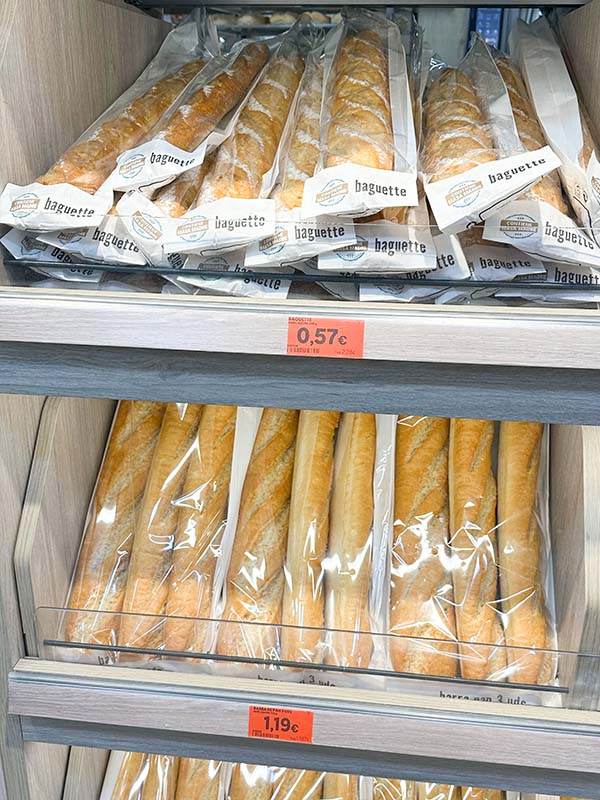
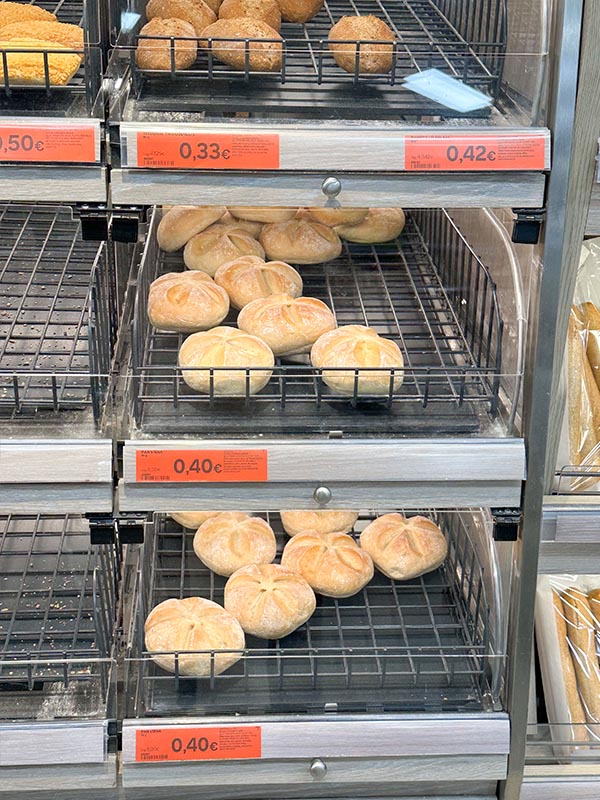
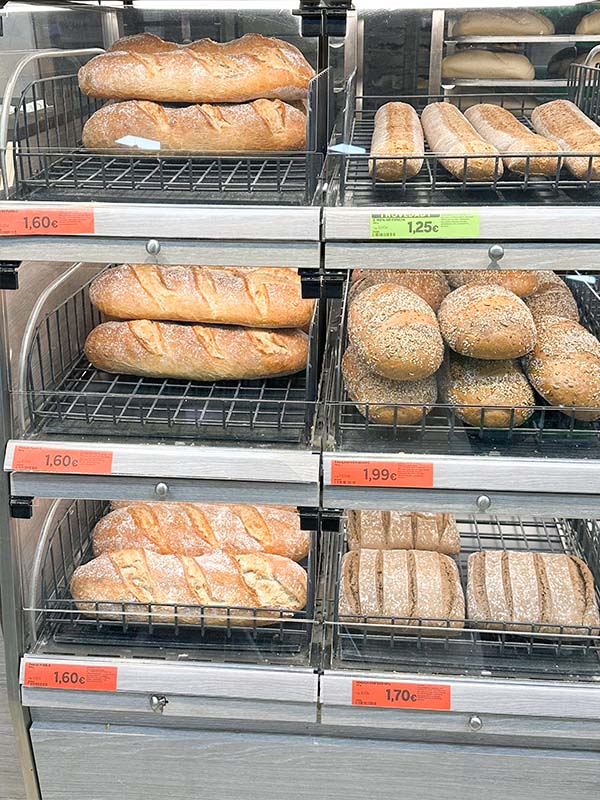
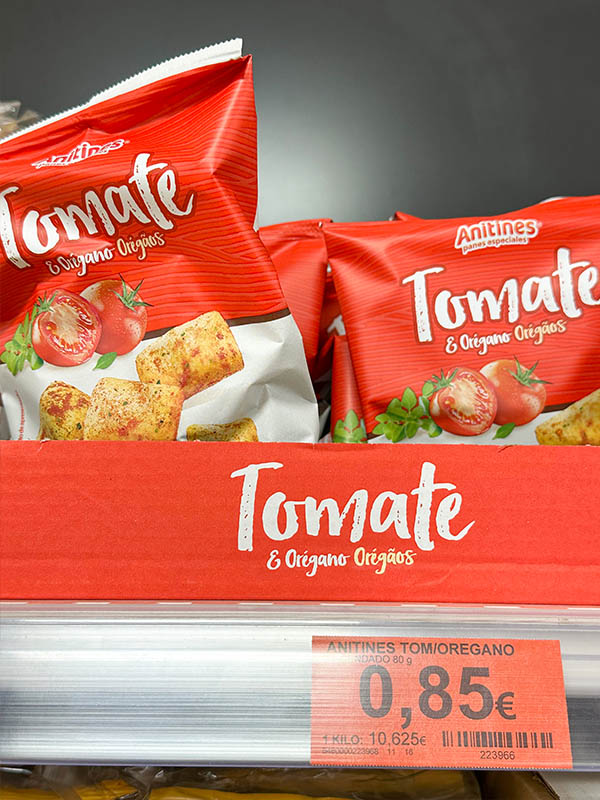
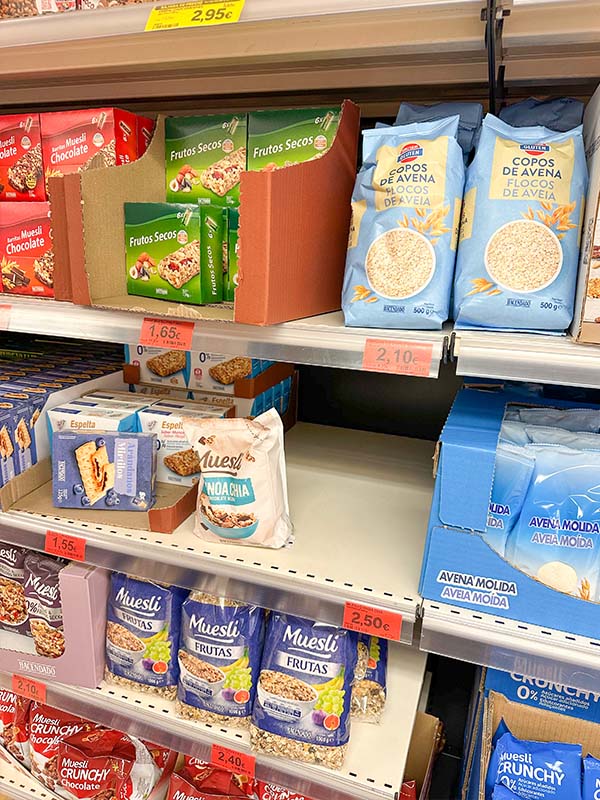
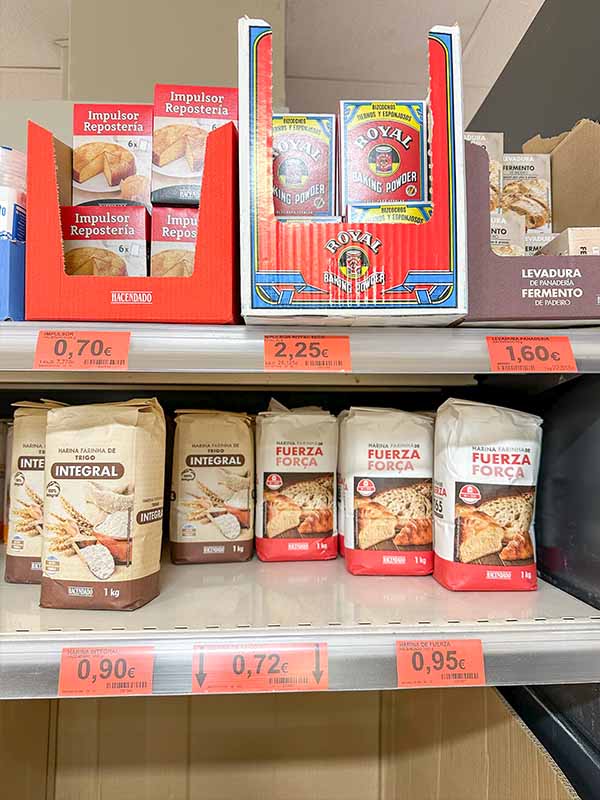
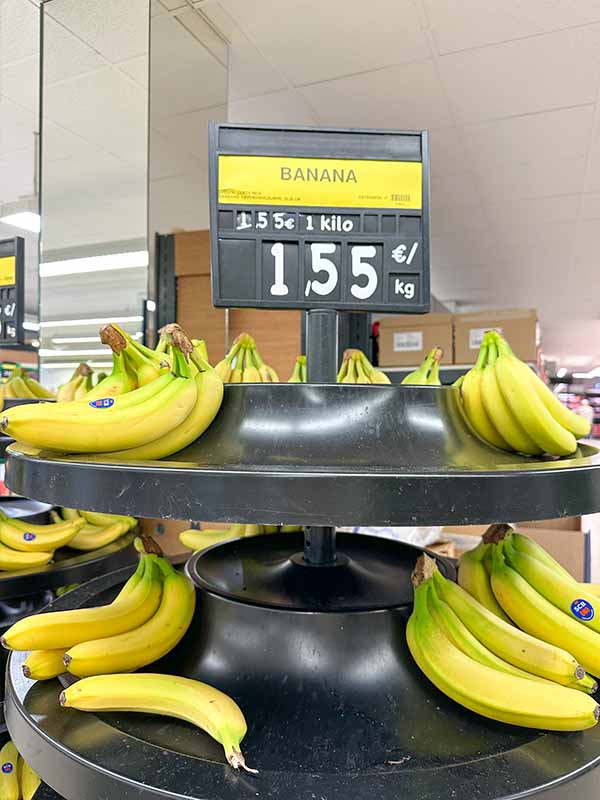
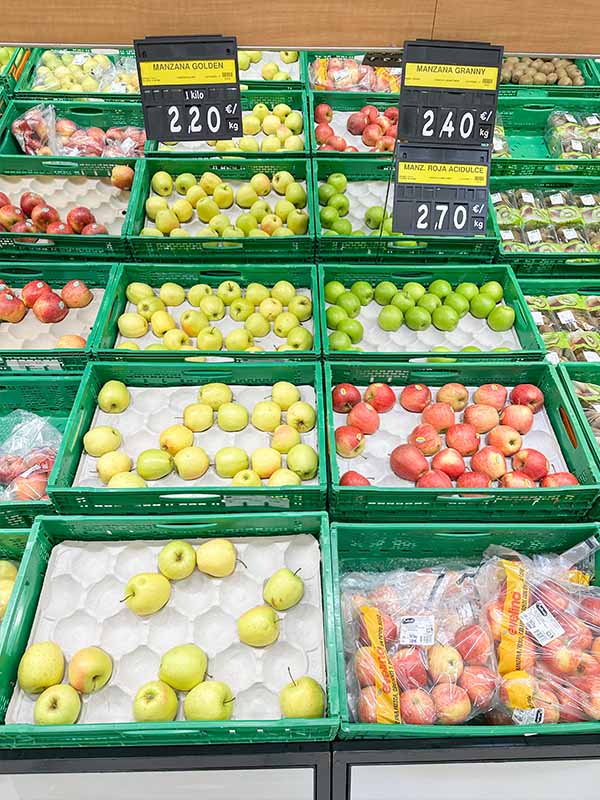
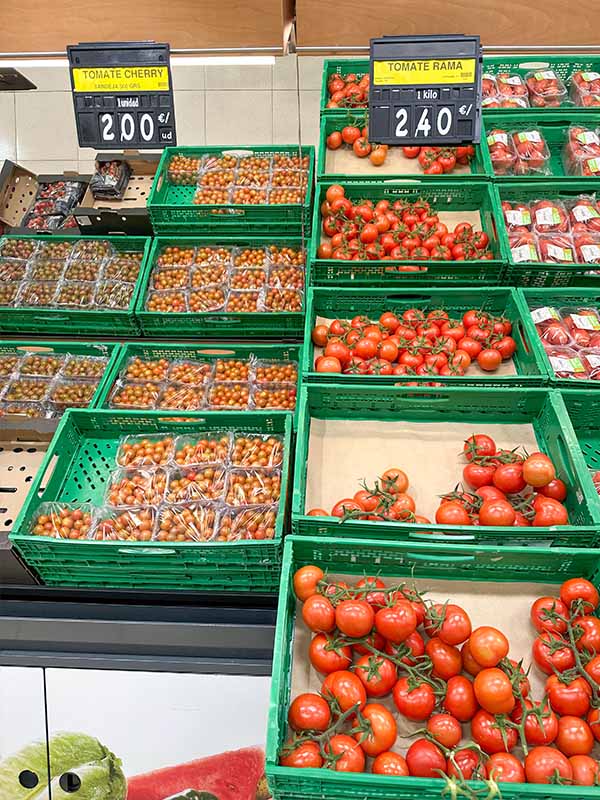
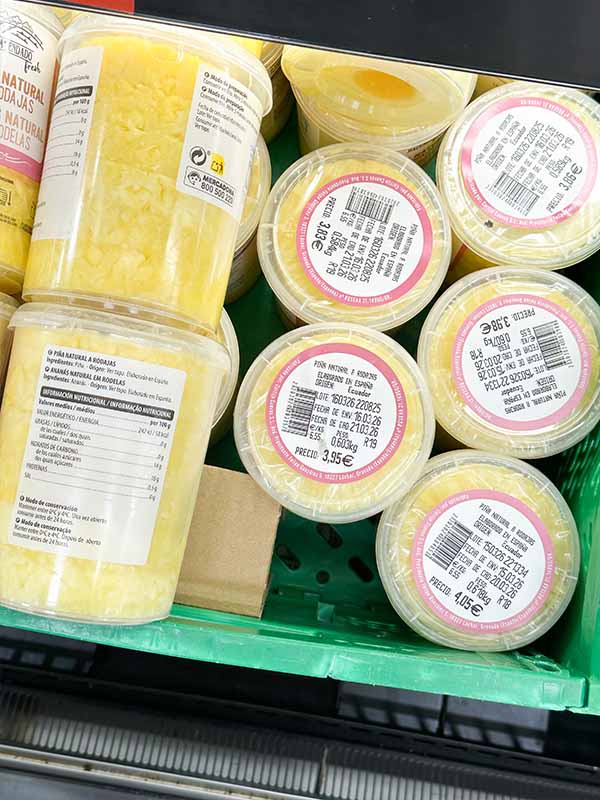
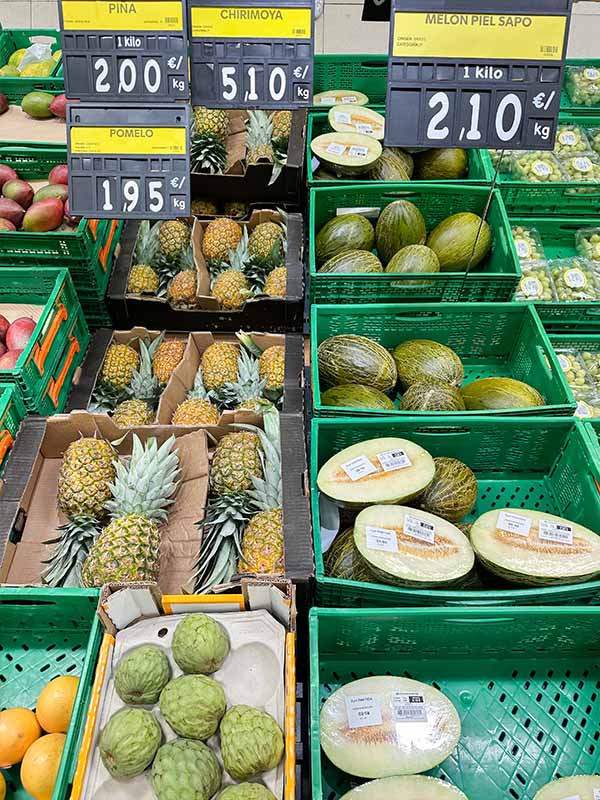
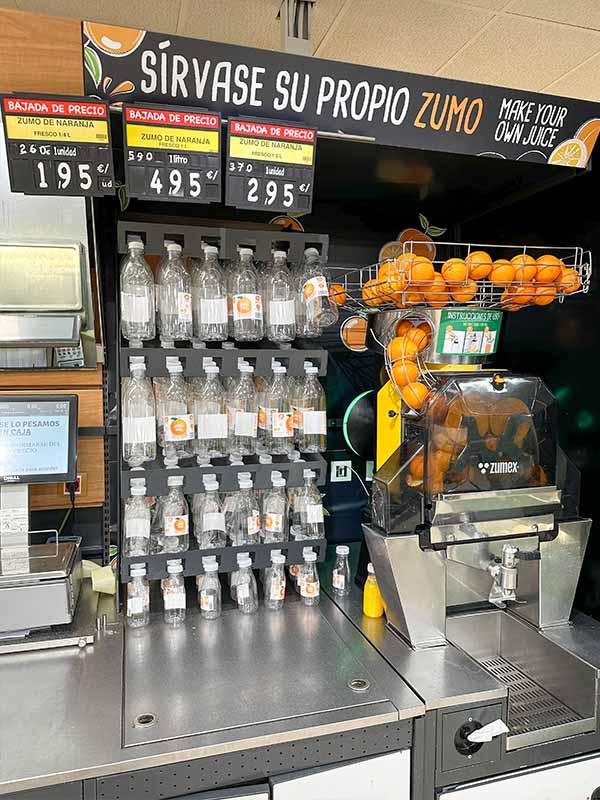
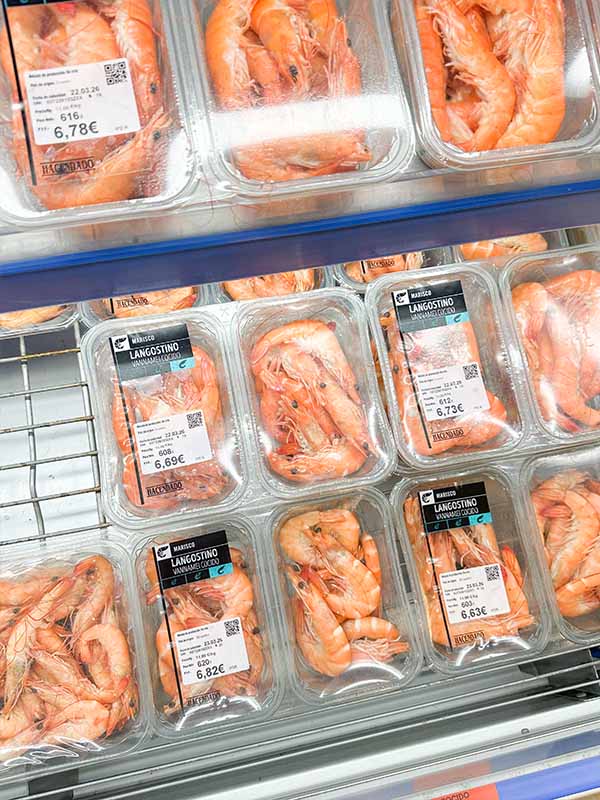
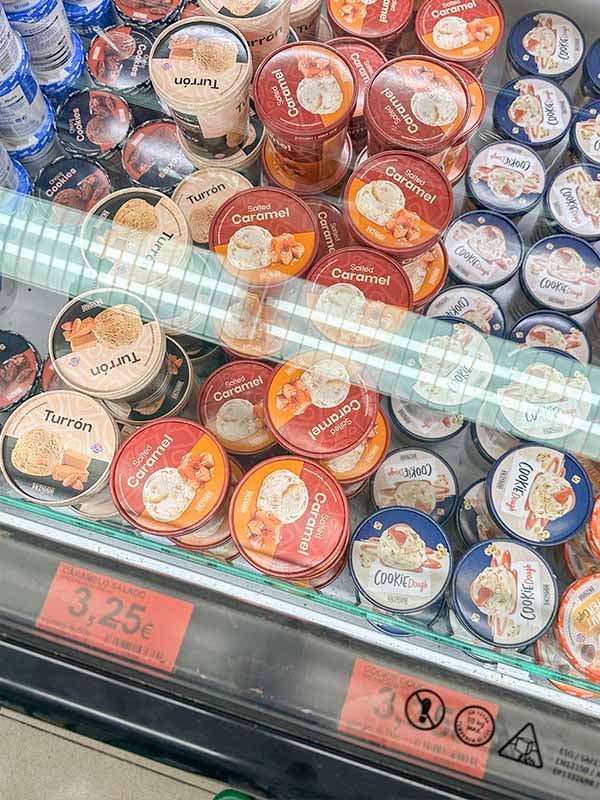
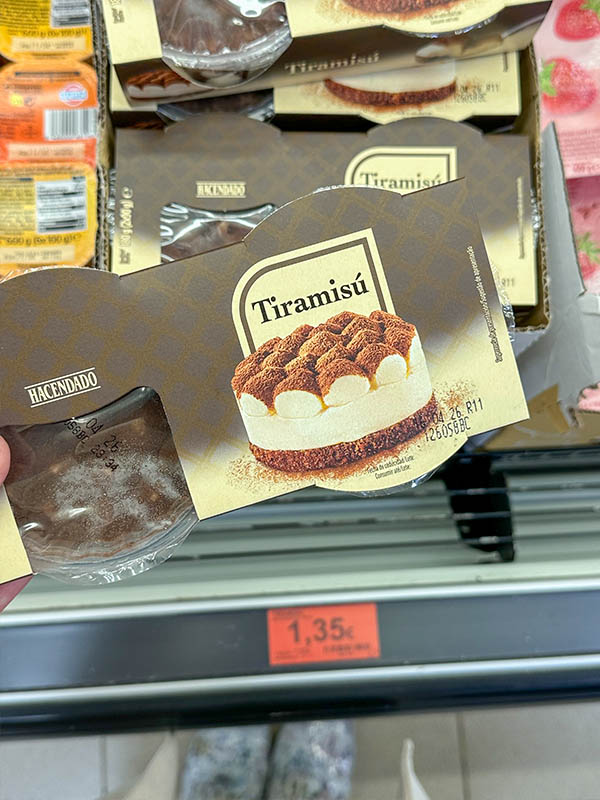
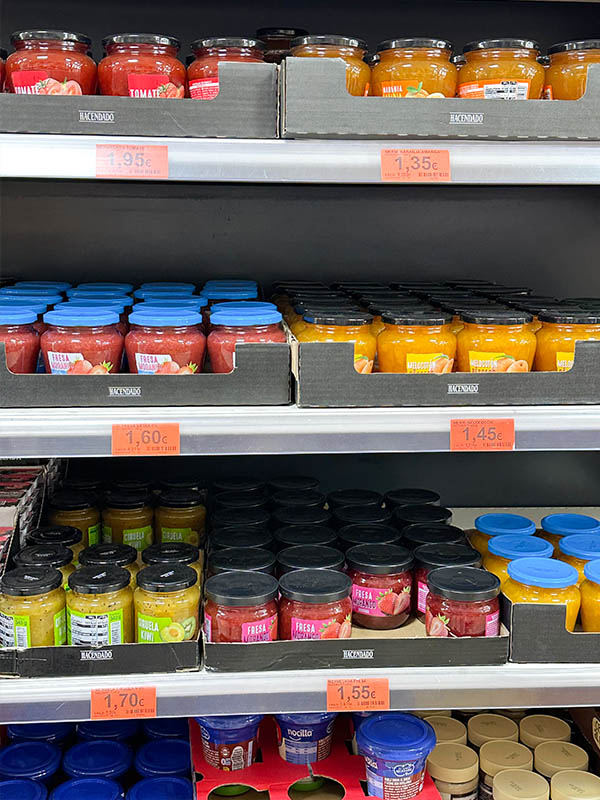
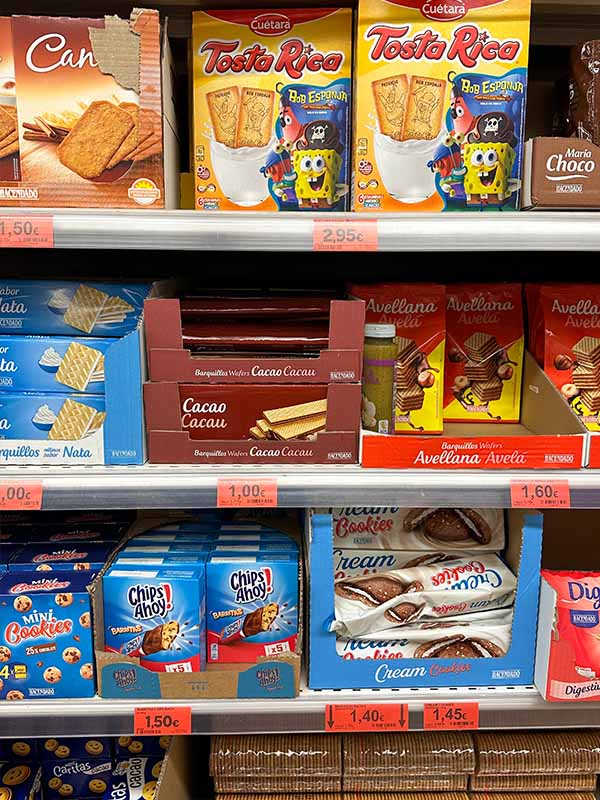
Below are some photos showing typical products available at Mercadona
A Pleasant Surprise of Quality and Taste
One of the biggest surprises for me when shopping in a grocery store in Spain was the quality of food compared to the price. Even simple desserts like tiramisu are flavorful and reasonably priced. Another noticeable difference, especially if you’re moving from the United States, is that pastries, cookies, and candies are generally less sweet. Personally, I see this as a big plus. The flavors feel more balanced and less overwhelming.
I also noticed that many products feel more “natural” in a way that’s hard to explain at first: yogurt tastes like real yogurt, tomatoes actually have flavor, and even basic ingredients like olive oil and bread feel like they play a much bigger role in everyday meals. Over time, you start to appreciate the simplicity of it, where good ingredients don’t need much to taste good.
Hipercor and Supercor Offers More Diverse Experience
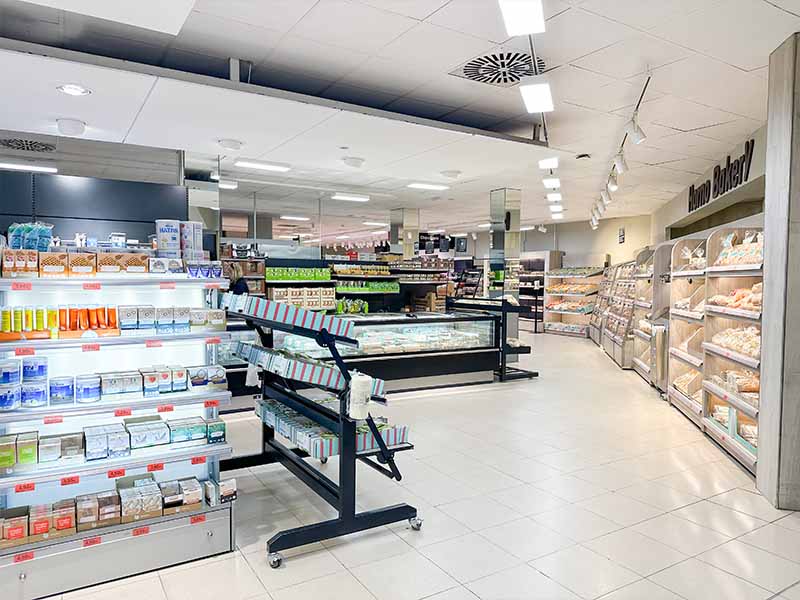
Hipercor and Supercor, both part of El Corte Inglés, are stores we visit occasionally, usually when we’re in the area and want a wider selection of products. At the El Corte Inglés in Puerto Banús, Hipercor is located on the ground floor, offering a full supermarket experience with fresh produce, cheeses, meats, and everyday groceries, while the Club del Gourmet on the top floor provides high-end products, wines, and specialty items for more premium culinary experiences.
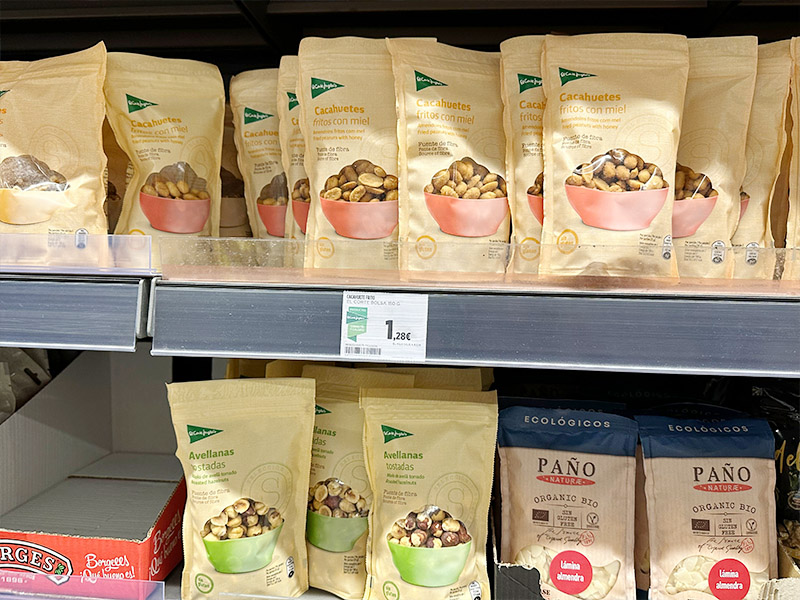
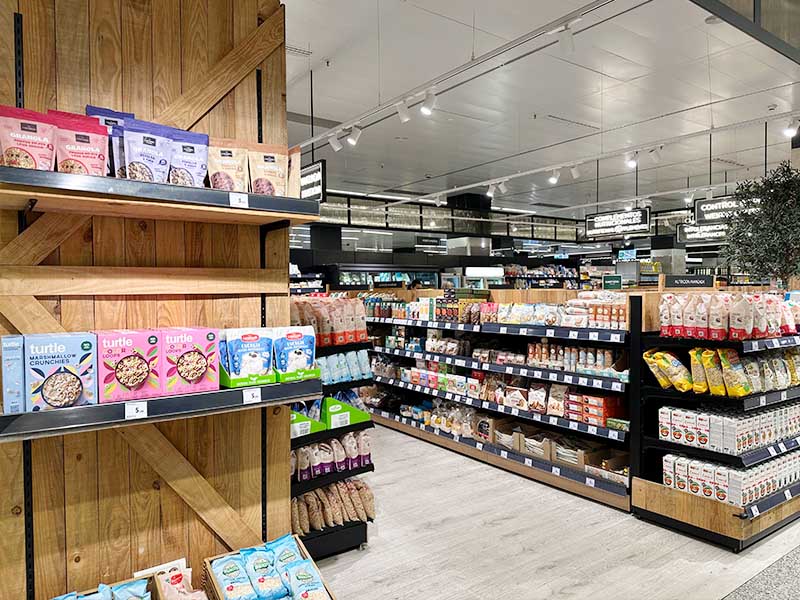
These stores are perfect for exploring different Spanish and European brands. They also offer a strong selection of gluten-free products, making them a great option if you have dietary restrictions. Another advantage is their private-label products, which are often more affordable than other brands while still maintaining good quality.
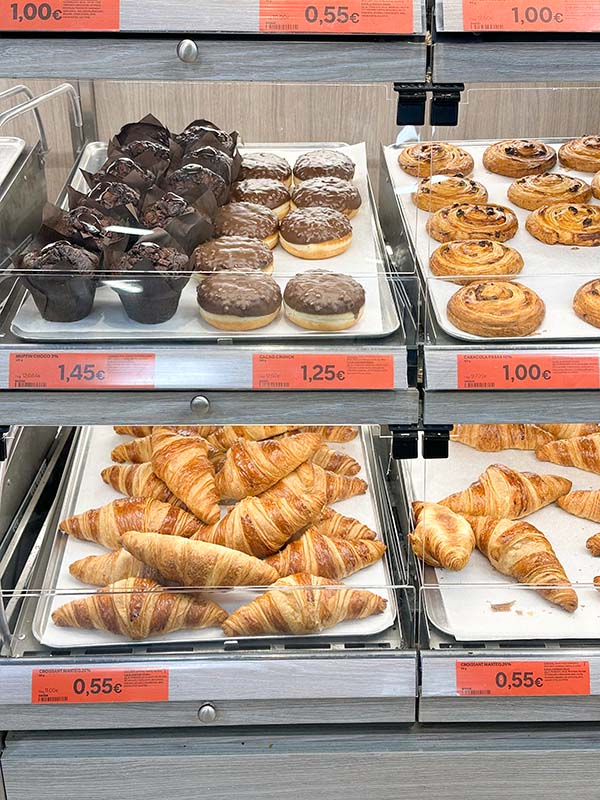
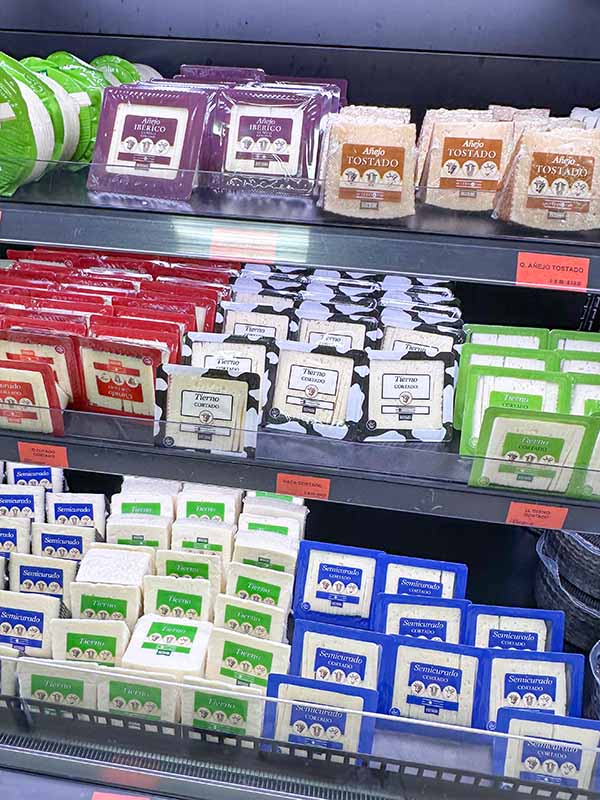
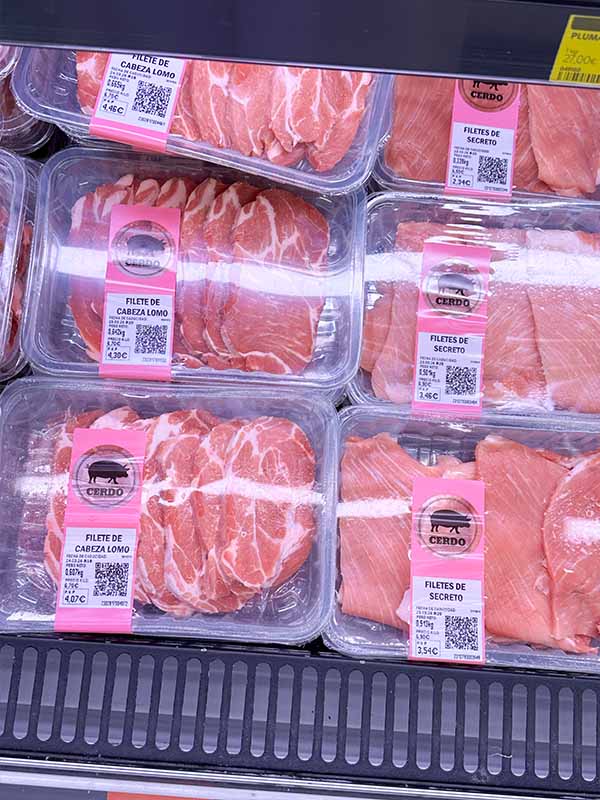
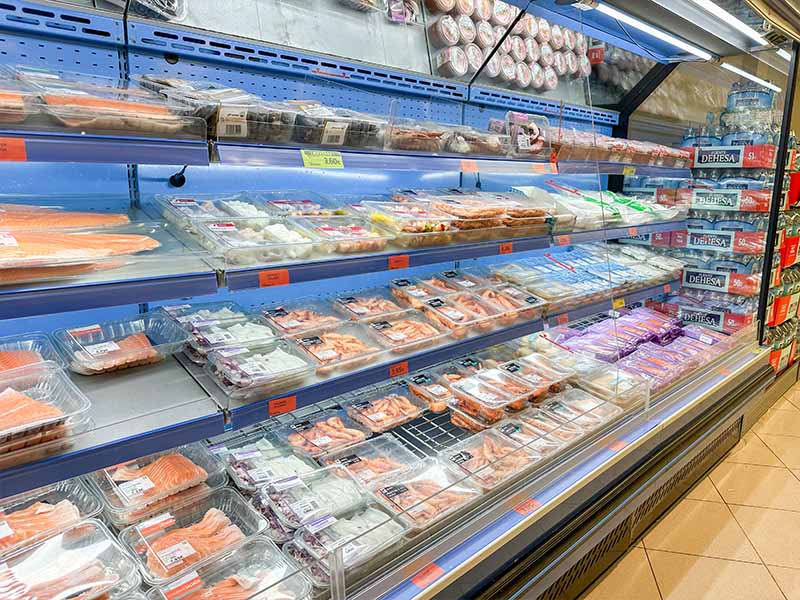
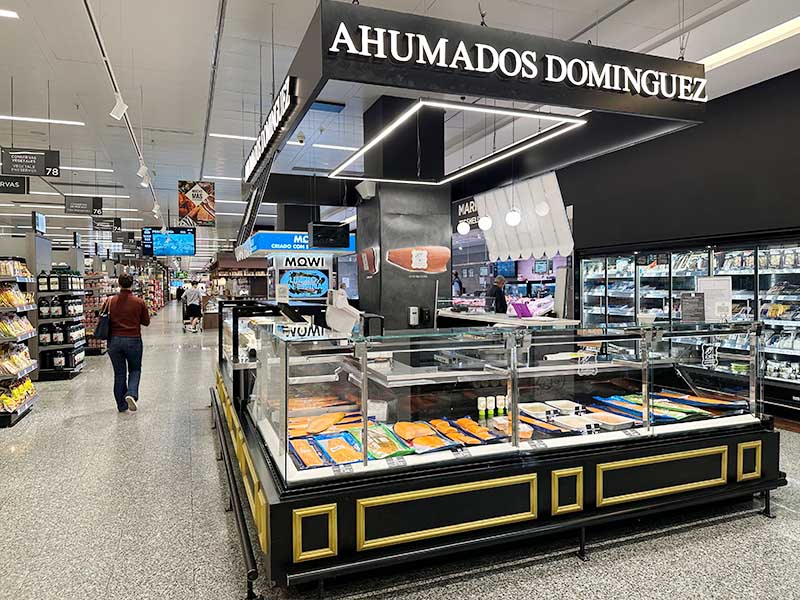
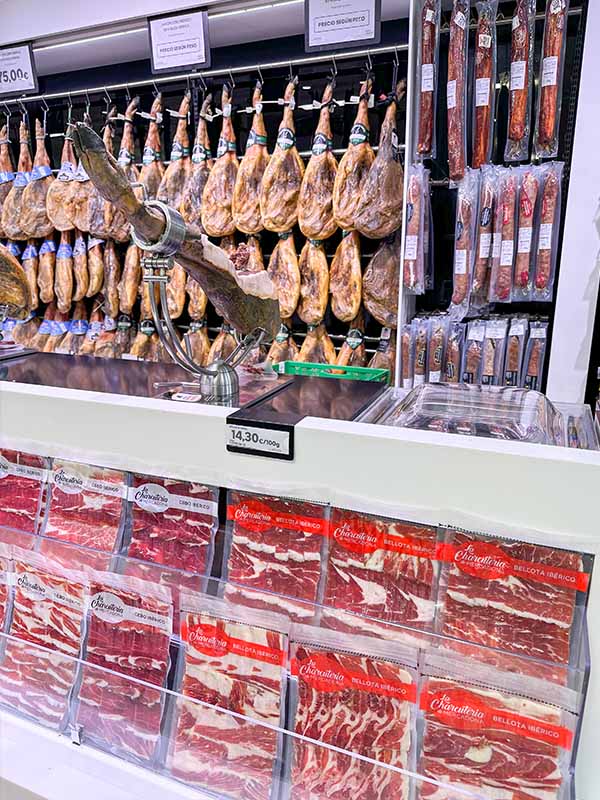
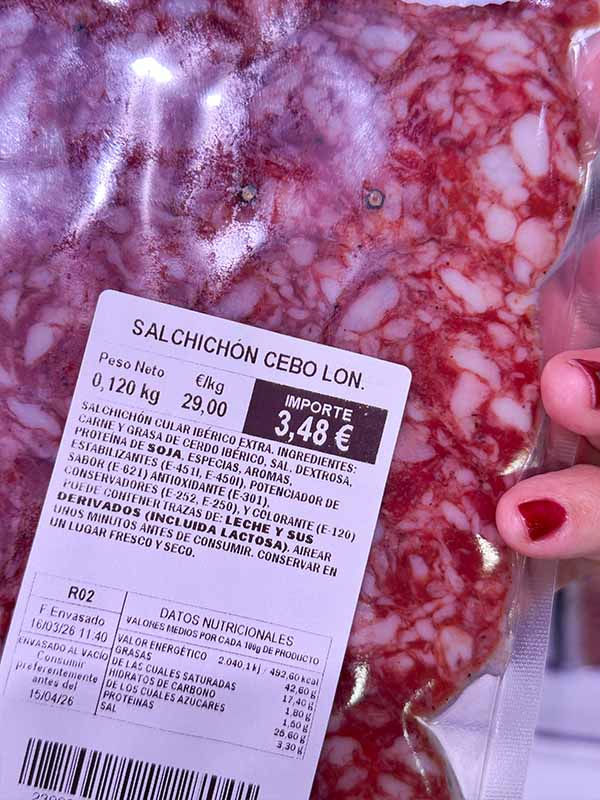
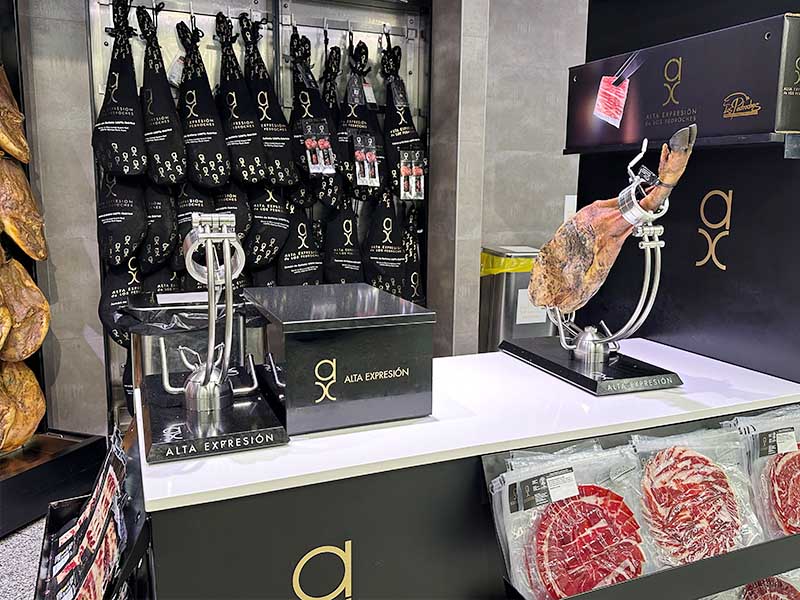
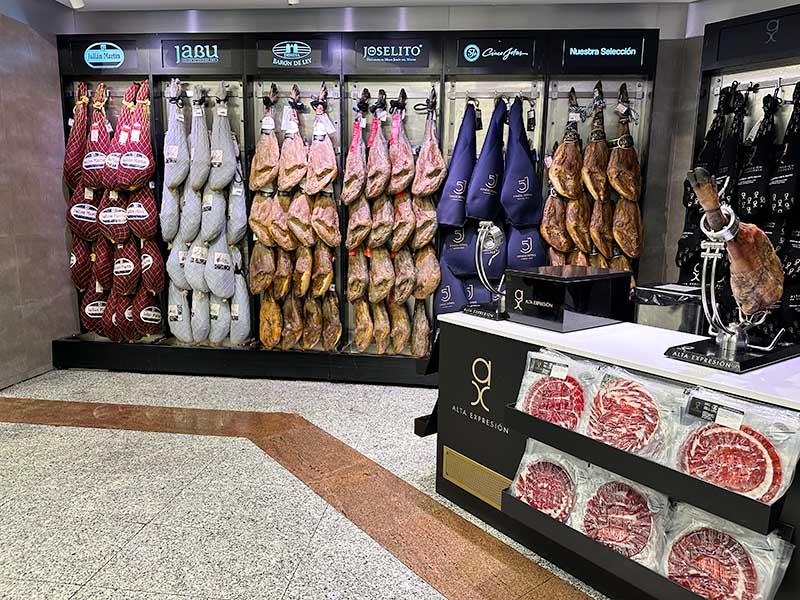
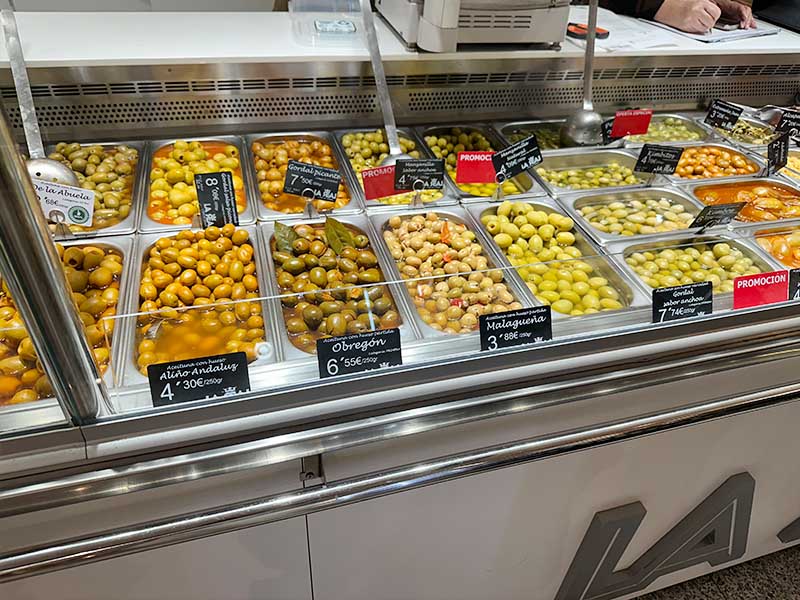
Below are some photos showing typical products available at Hipercor, El Corte Ingles
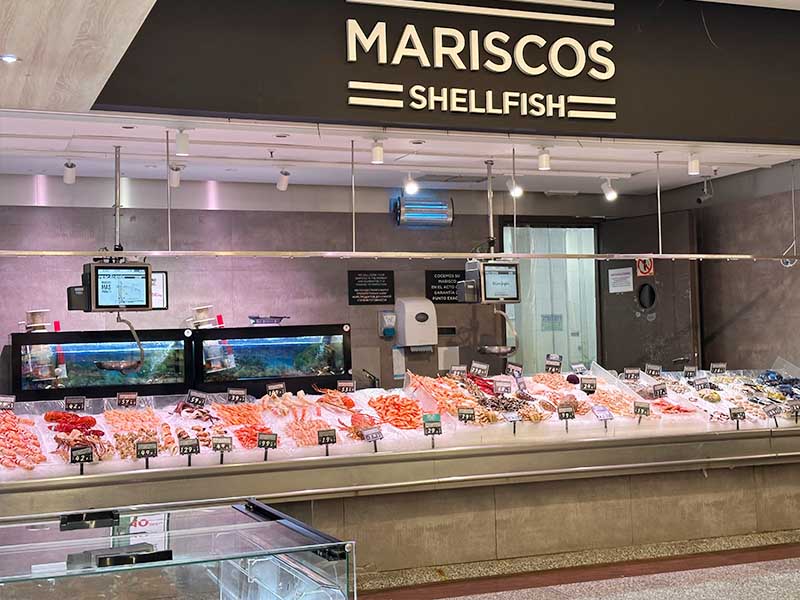
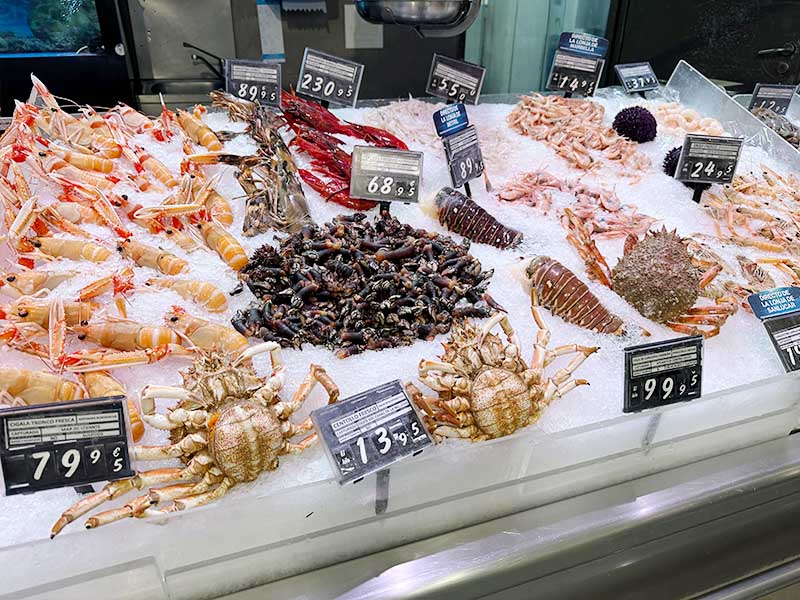
If you enjoy seafood, Spain will not disappoint. The variety available in a grocery store in Spain is incredible, far beyond what I experienced in both the US and Mexico.
Supercor (often located inside El Corte Inglés department stores) stands out in particular. The first time I went grocery shopping there, I was genuinely amazed. The seafood selection included many types of fish and shellfish I had never seen before.
Differences Between Grocery Stores in Spain and the US
1. Fewer Choices, Less Overwhelm In the US, it’s common to find 10–15 brands for a single product, often in multiple sizes, from small to extra-large. In Spain, the selection is more limited, and portion sizes are generally smaller. While this might seem restrictive at first, it actually makes shopping simpler and less overwhelming.
2. Everything Is Smaller From food portions to coffee sizes, grocery stores, and even parking lots, things in Spain tend to be smaller and more compact compared to the US.
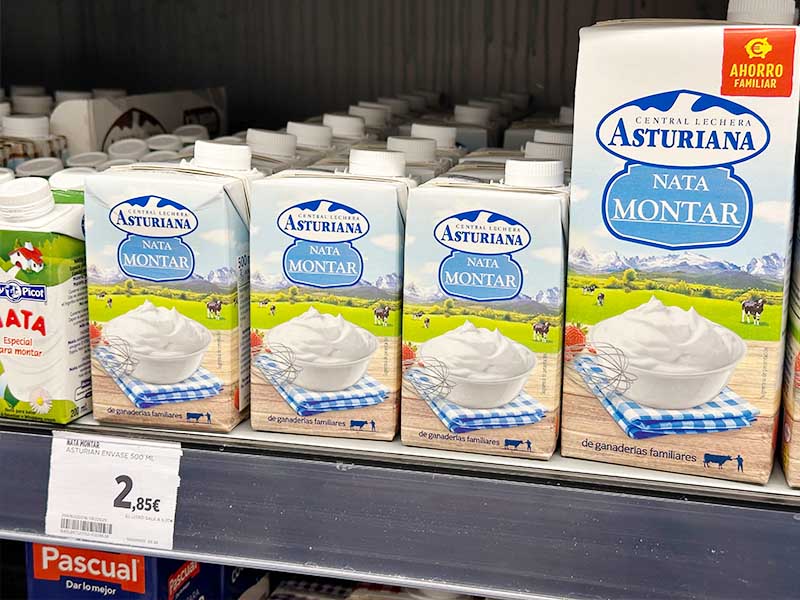
3. No Half-and-Half or Coffee Creamers
If you’re used to coffee creamers or half-and-half in the US, like my husband was, you won’t really find exact equivalents in Spain. That was definitely an adjustment for him at the beginning. One of the closest alternatives he found is “Nata,” which is typically used for cooking or desserts, butcan work in coffee if you’re looking for something a bit richer. That said, most people in Spain simply use regular milk, and over time, maybe you get used to it.
4. Less Sweet Products As mentioned earlier, sweets in Spain are noticeably less sugary, which contributes to a more natural taste.
Cost of Food in Spain
Now let’s talk about the cost of life in Spain when it comes to groceries.
For a household of two, our weekly grocery bill at Mercadona is around 110-140 euros. We usually do one main shopping trip per week, with occasional smaller visits for fresh items like fish or meat.
When it comes to Hipercor, our shopping looks a bit different. We usually go there for more targeted trips, not necessarily for our weekly essentials. The store’s wide selection of Spanish and international products makes it more interesting to explore and try new items , specialty cheeses, jamon, olives, imported ingredients, fresh seafood, or unique pantry finds. The variety encourages experimentation and discovery, which turns a routine shopping trip into a small culinary adventure.
A Closer Look into Olives, Jamón, and Cheese
Some sections of a grocery store in Spain truly deserve special attention:
Olives Before moving to Spain, I wasn’t a big fan of olives. Now, they’ve become a regular part of our meals. The variety and quality are exceptional, you can truly taste the difference between types. Expect to pay around 5–8 euros for a 200g container in Hipercor or less for a canned olives in Mercadona.
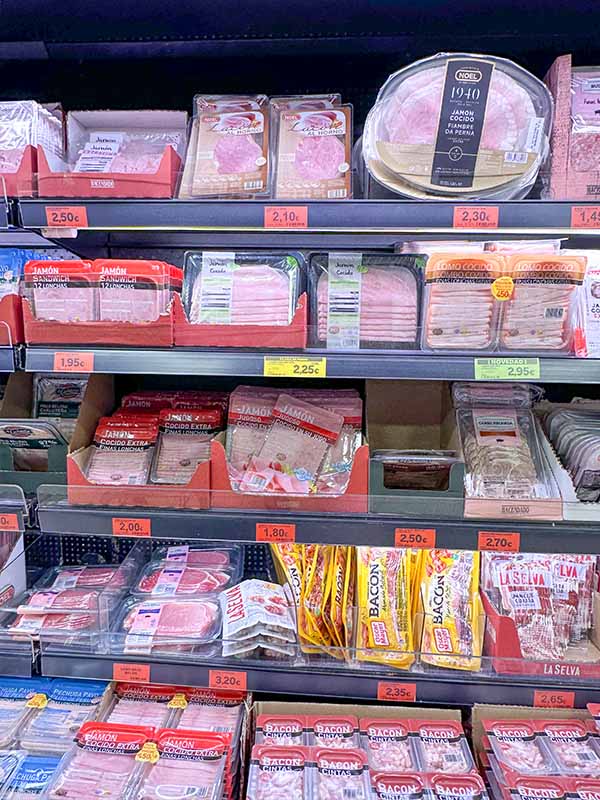
Jamón Jamón is an essential part of Spanish food culture. With every visit to stores like Hipercor, we try different varieties to understand the flavors better. Jamón Ibérico de Bellota stands out as the most premium option, richer, slightly sweet, and incredibly flavorful. Prices typically range from 5 to 30 euros per pack, depending on the brand and type of Jamón.
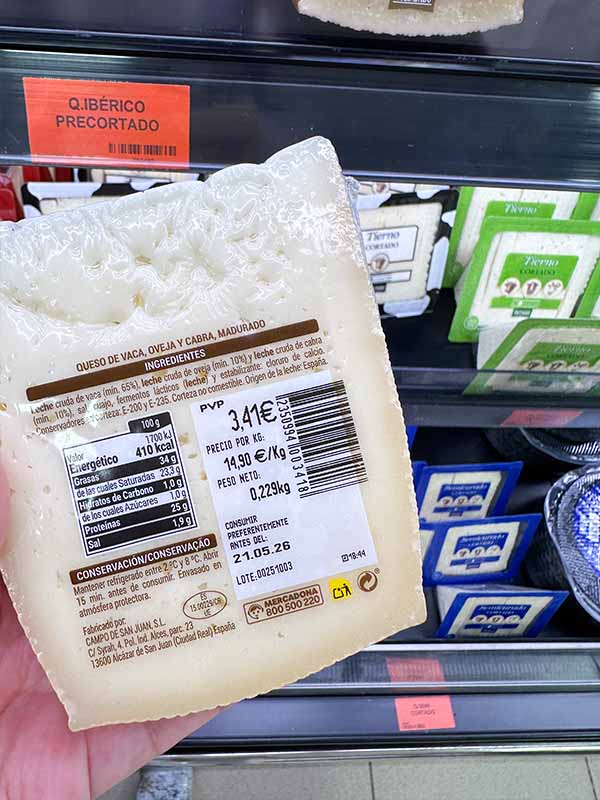
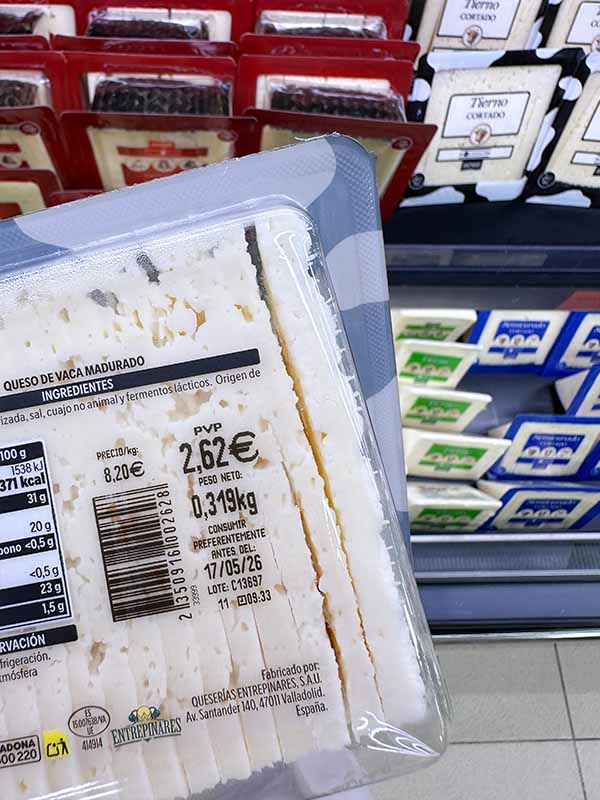
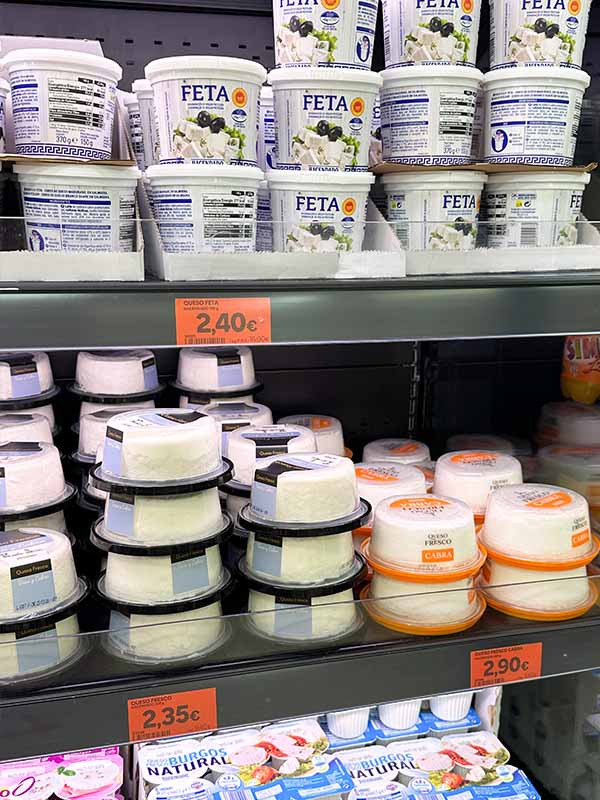
Cheese The cheese selection is also impressive, with both local and European options. A 200–300g piece usually costs between 5 and 16 euros, depending on the type and quality. Manchego is one of the most popular Spanish cheeses, is made exclusively from the whole milk of Manchega sheep raised in the La Mancha region of Spain and known for its rich, slightly nutty flavor. Cheeses made from sheep’s and goat’s milk are also very common in Spain, adding variety and depth to everyday meals.
Shopping at a grocery store in Spain is more than just running errands, it’s a small window into the country’s culture and lifestyle. Living here in Marbella and talking to both locals and many expats, I’ve gotten the impression that it’s hard to say which store is truly “the best.” Much of it comes down to which one is closest to where you live and which you get used to over time.
Yes, prices vary, and so does the quality of certain products, but convenience and location often matter even more than brand or selection. For me, exploring different stores has been part of the adventure, discovering small gems, noticing how Spanish people shop, and slowly figuring out what works best for our daily life.
I hope this guide, complemented with photos of prices and products, gives you a realistic and helpful starting point if you’re planning a move to Spain or just curious about how grocery shopping works here. It’s all about finding your rhythm and enjoying the small discoveries along the way.
All images in this article were taken by Elena Sullivan, ArsVie Photo Studio and are protected by copyright. If you are interested in using any of the them, please contact me for permission. Thank you for understanding!
Spain Relocation Quiz
Dreaming of living in Spain? Discover which part of the country fits your rhythm, values, and lifestyle.
Hi, there! I’m Elena Sullivan, a fine art photographer, and creative adventurer. My first joyful experimentation with a camera extended into a passionate relationship where harmony represents a constant flow of elegant devotion. I follow my intuition and curiosity in search of eternal connections in nature, then use my camera to reveal it and share it with you! Every of my photo is curated with love and artistic excellence.