I first visited Miami in 2023 during our Thanksgiving vacation. We drove all the way from Atlanta, where we were living at the time. The journey, which we had estimated at seven hours, took fourteen hours, thanks to holiday traffic. By the time we arrived at our Airbnb apartment, we barely had enough energy for dinner before collapsing into bed.
The next morning, after a relaxed breakfast at the hotel-like area of the apartment building, we rushed out to explore the city. My husband had been to Miami multiple times for business, but for me, it was entirely new. And I loved it.
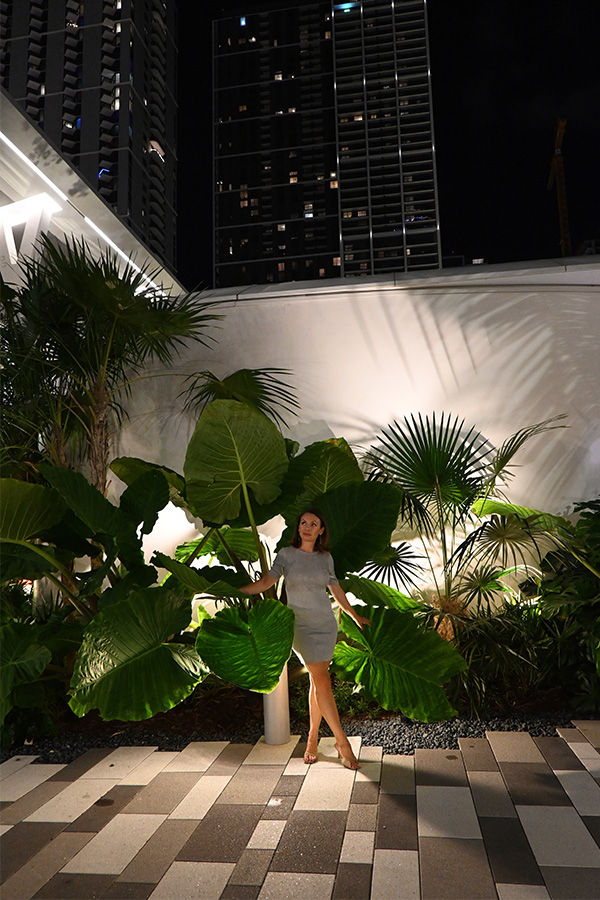
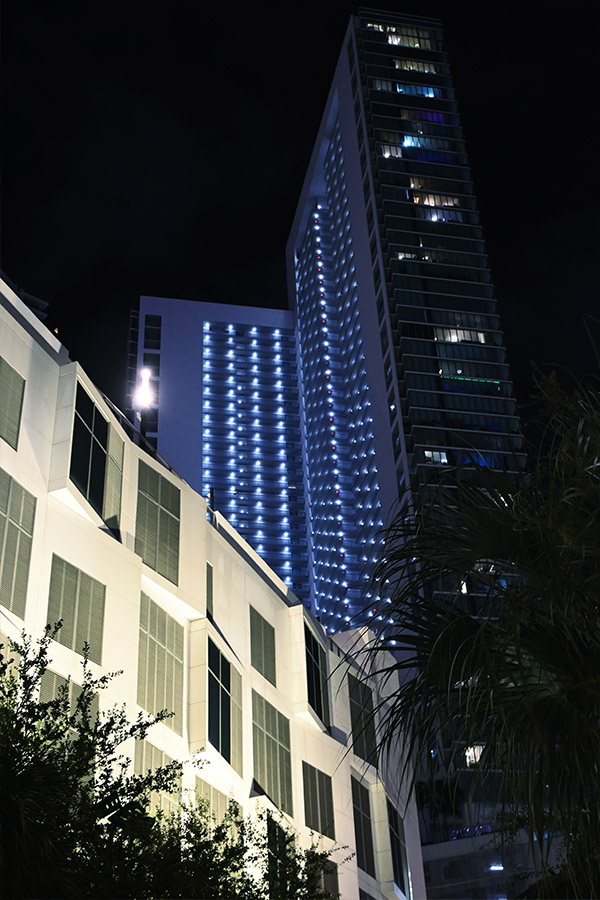
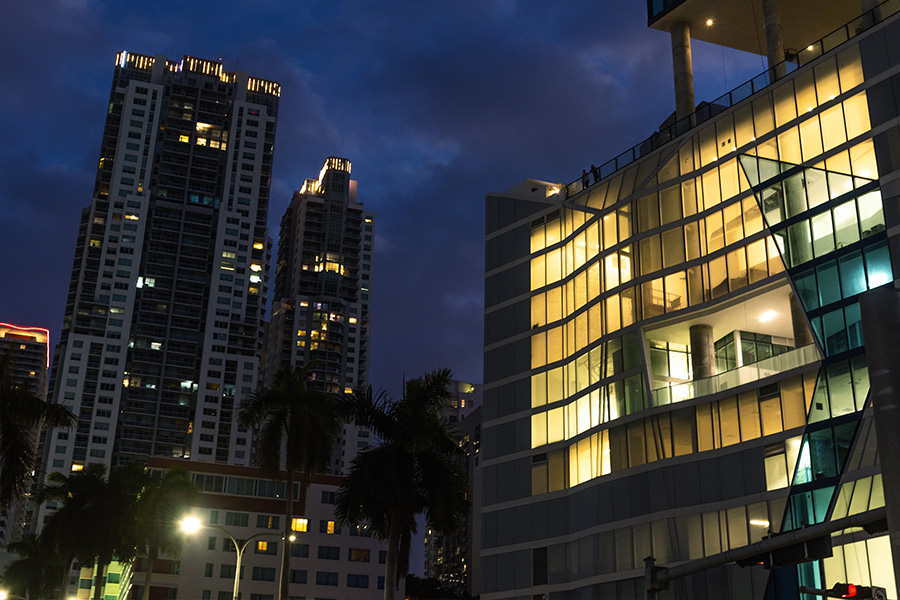
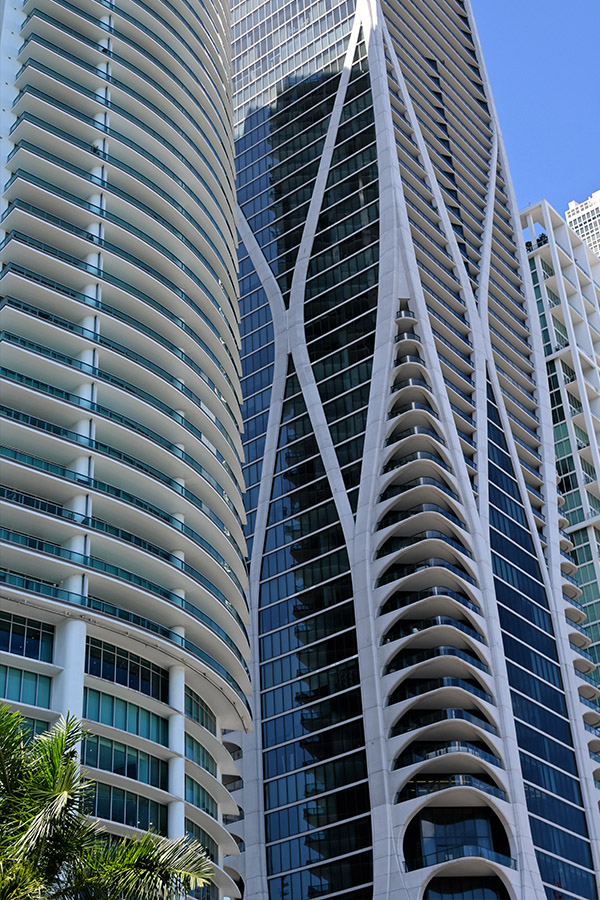
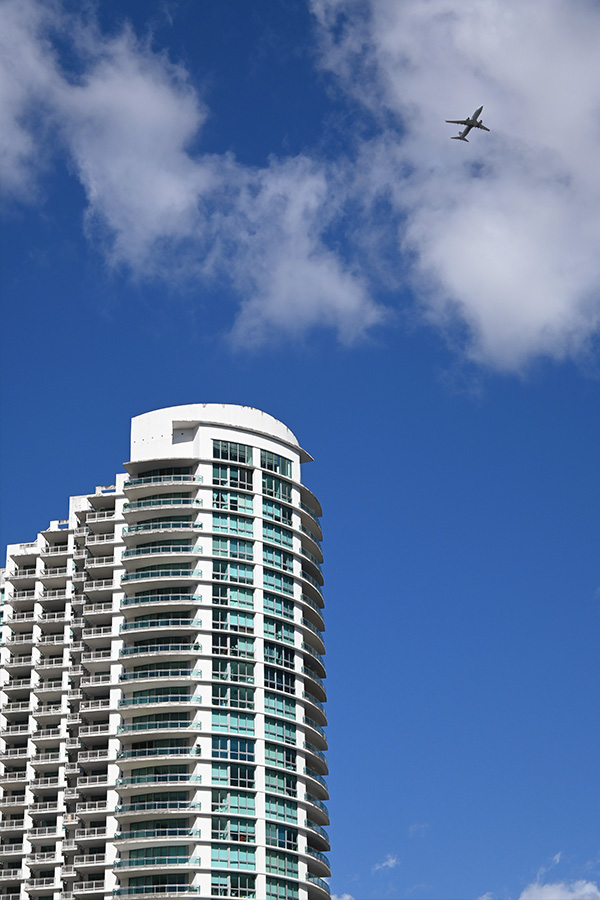
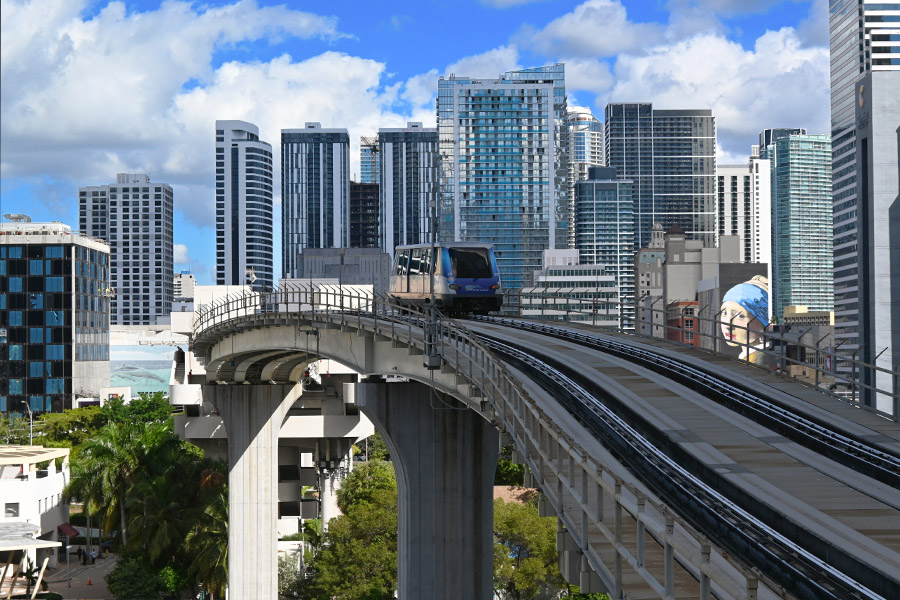
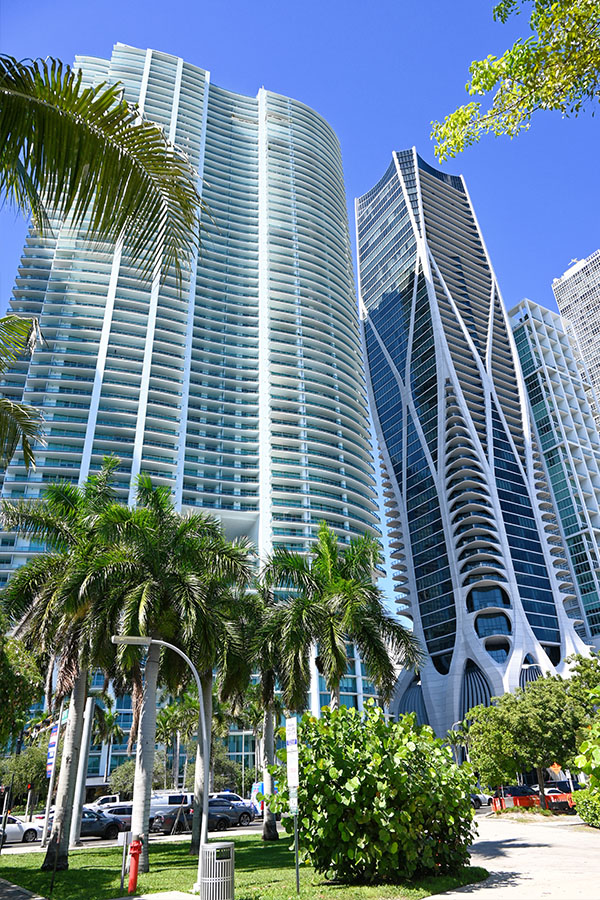
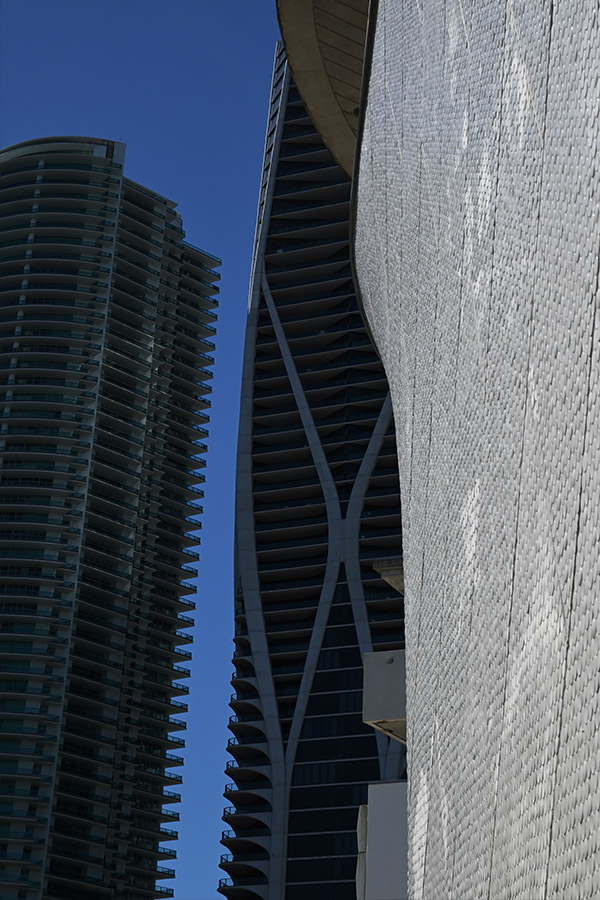
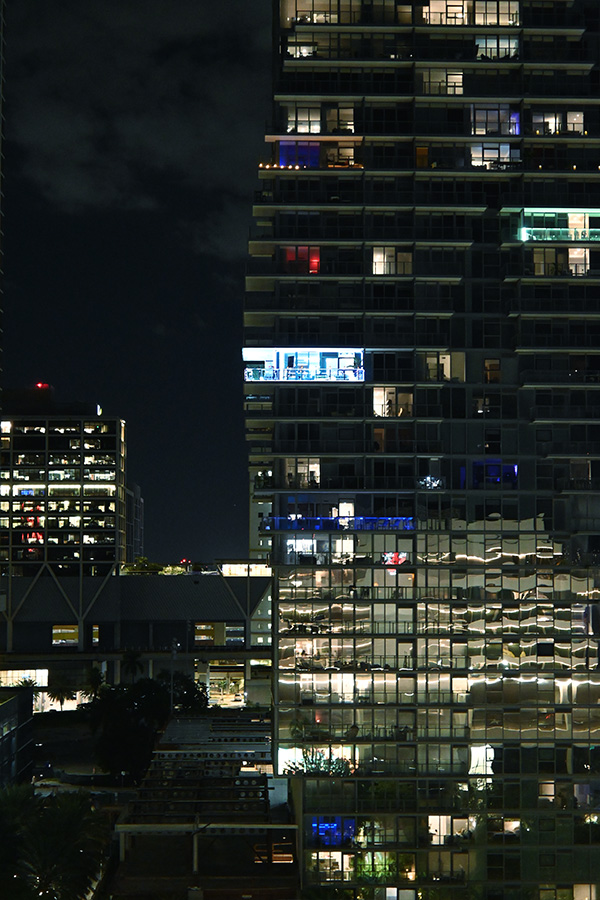
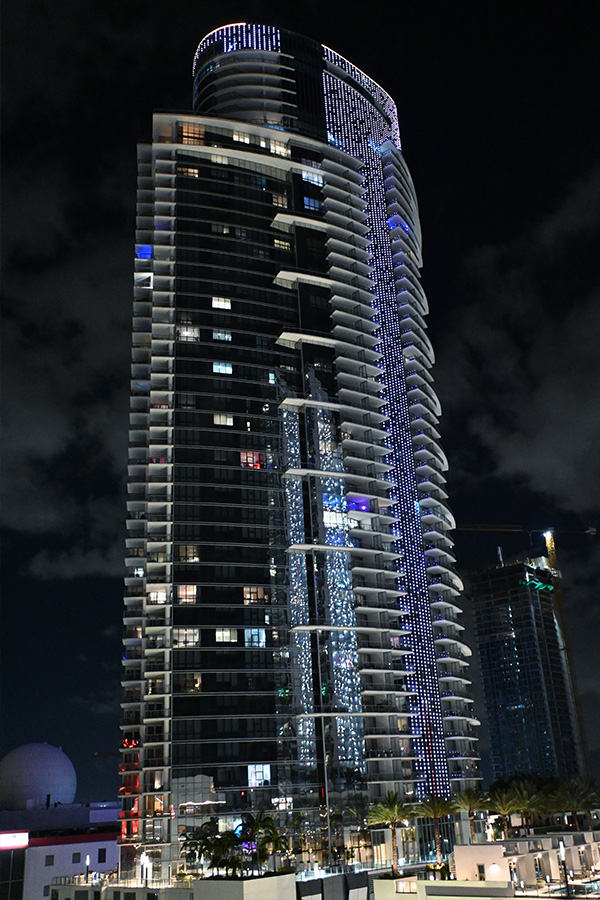
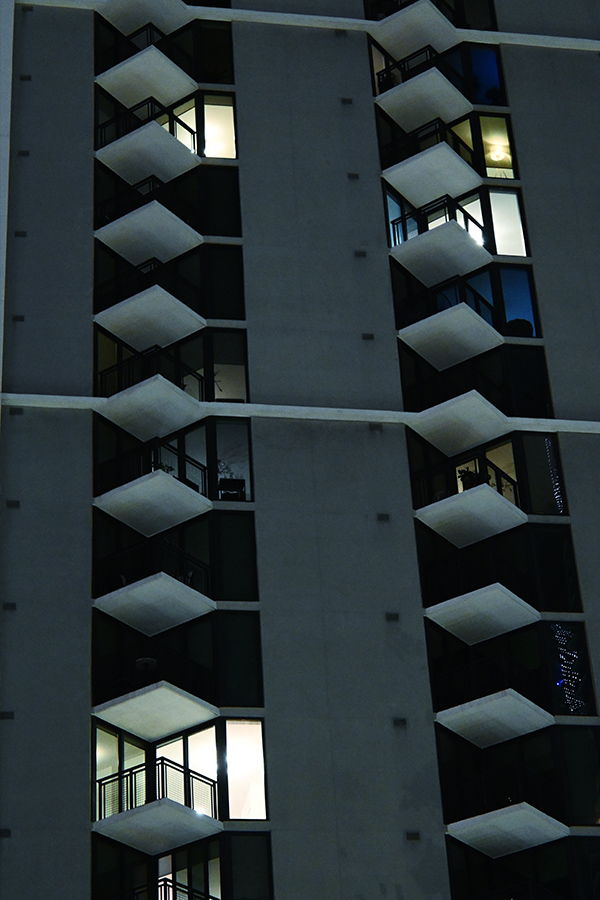
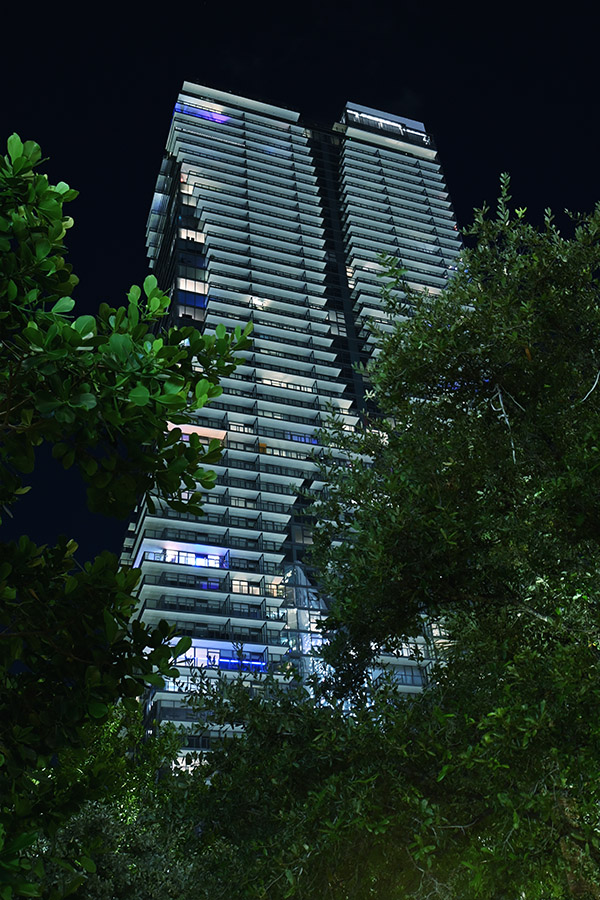
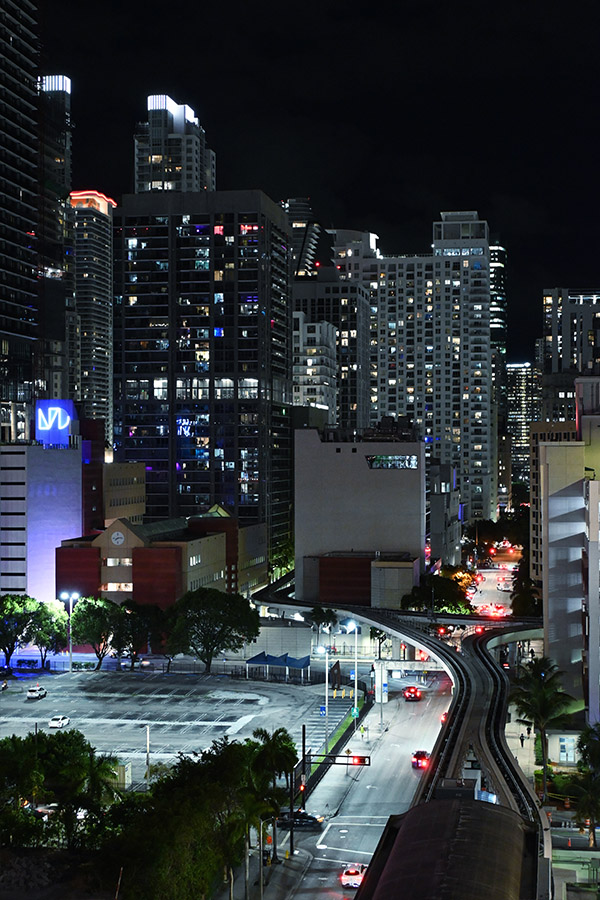
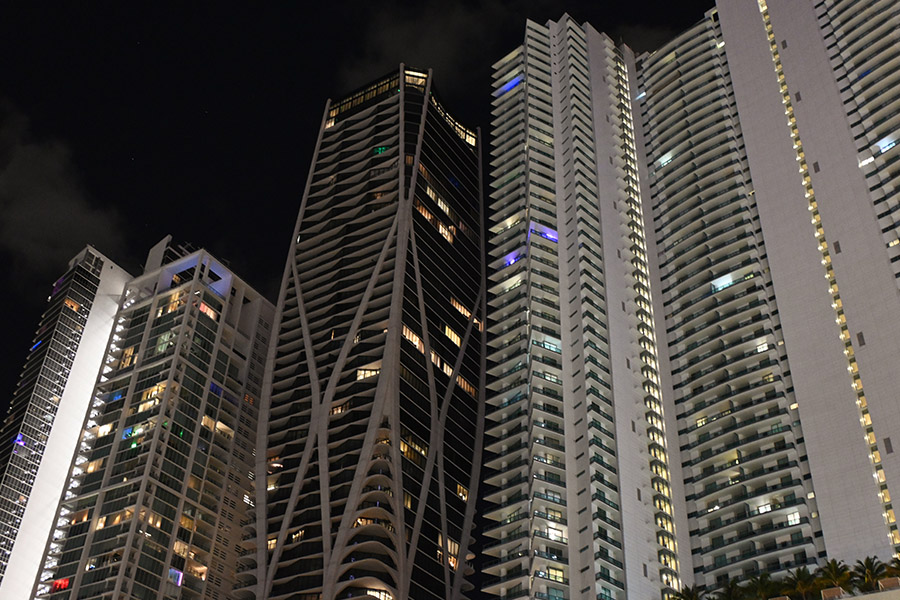
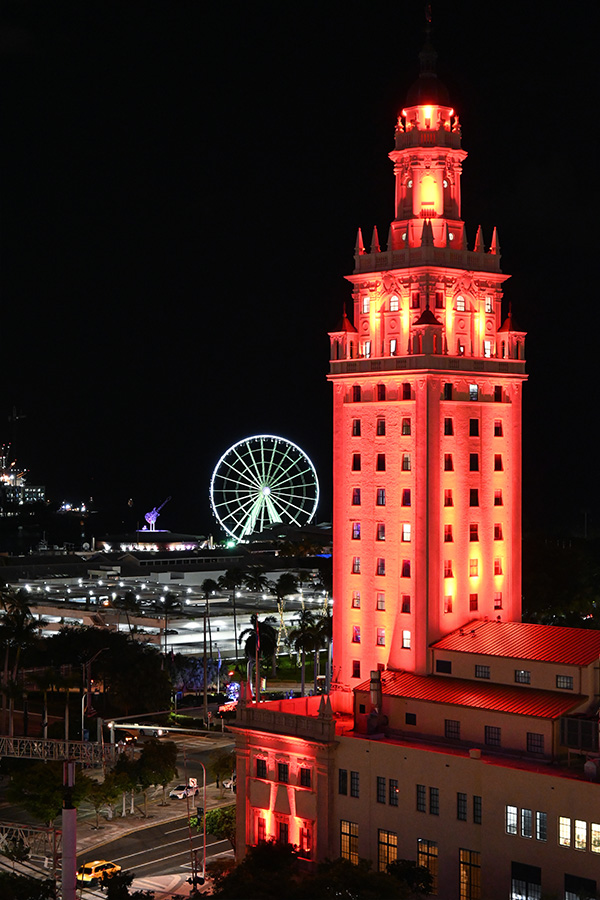
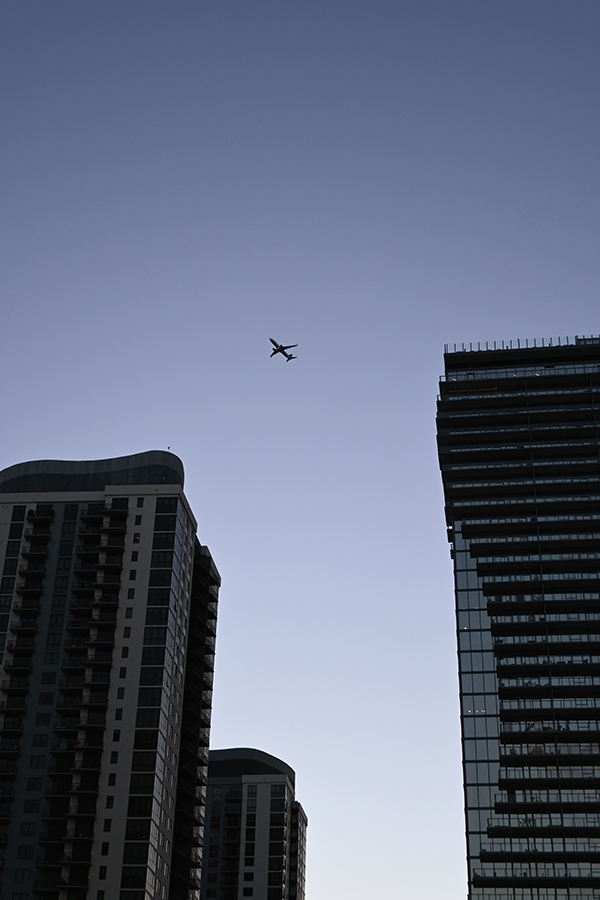
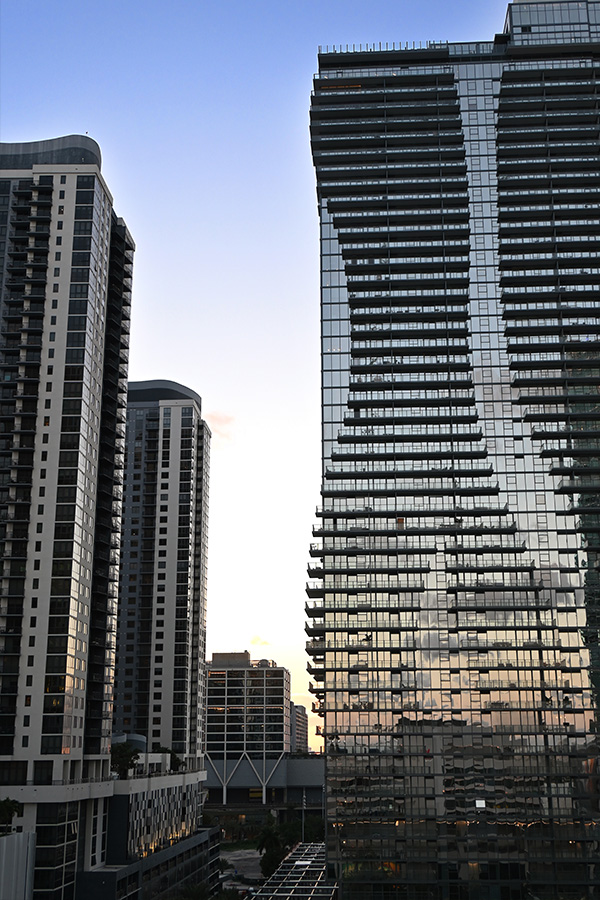
For a photographer like me, who likes to explore, Miami architecture is a visual feast.From the very first steps on the streets, the city’s light, colors, and corners pull you in. Its architecture is distinct, modern, and even somewhat futuristic. Each neighborhood tells a different story: the pastel Art Deco in South Beach, Streamline Modern and high-rise Modernist towers downtown, and mid-century gems hidden in residential areas.
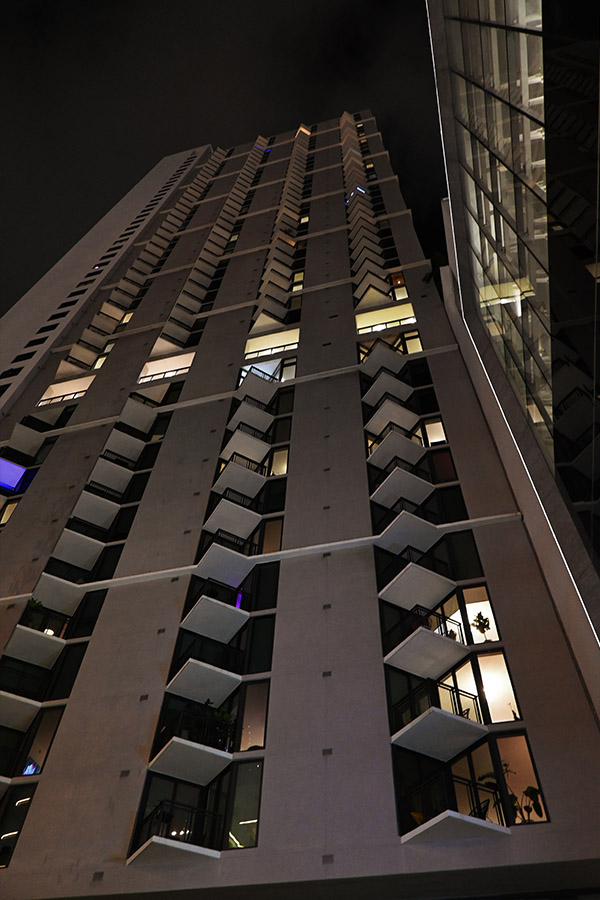
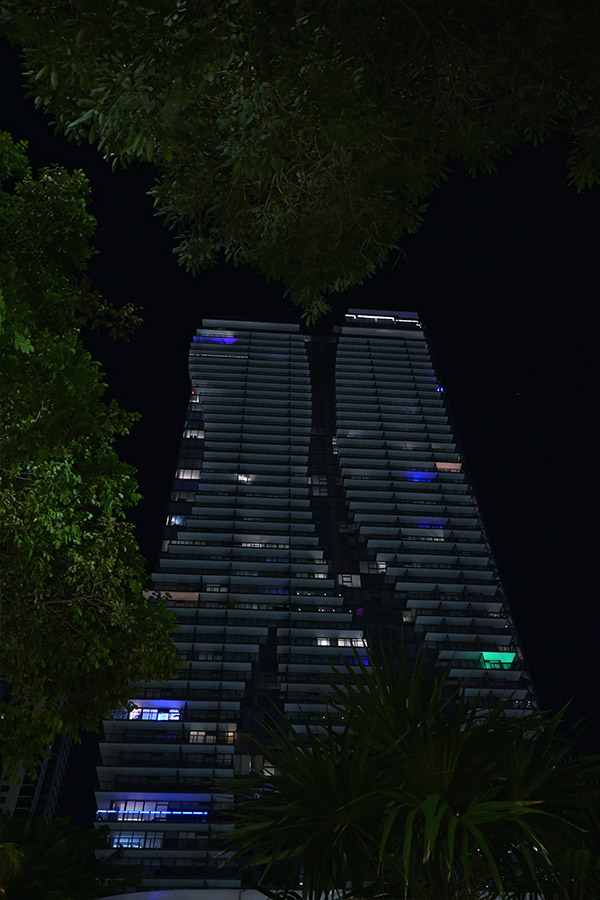
Miami is a city of contrasts, modern yet historical, posh yet playful. Its architecture can mesmerize or repel, depending on what you love. Traveling helps you discover your personal preferences, and for me,walking these streets, craning my neck to the tops of enormous skyscrapers, was a creative and inspiring experience.
Miami Architecture and the Feeling of the City
Architecture is more than structures, it shapes how you feel in a city. Its influence is subtle, emotional, and deeply personal. Different stages of life bring different needs: sometimes, old-world charm soothes; other times, futuristic lines and bold facades energize.
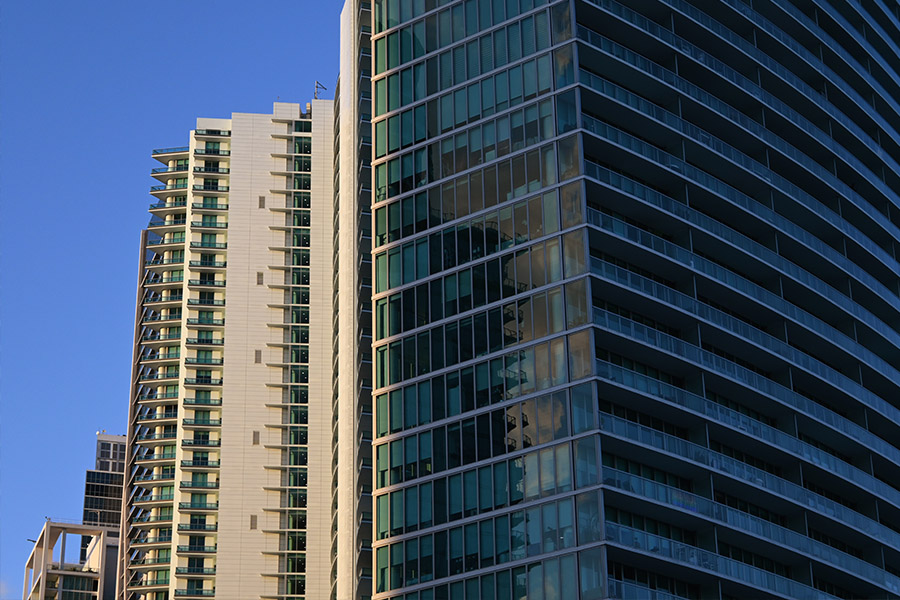
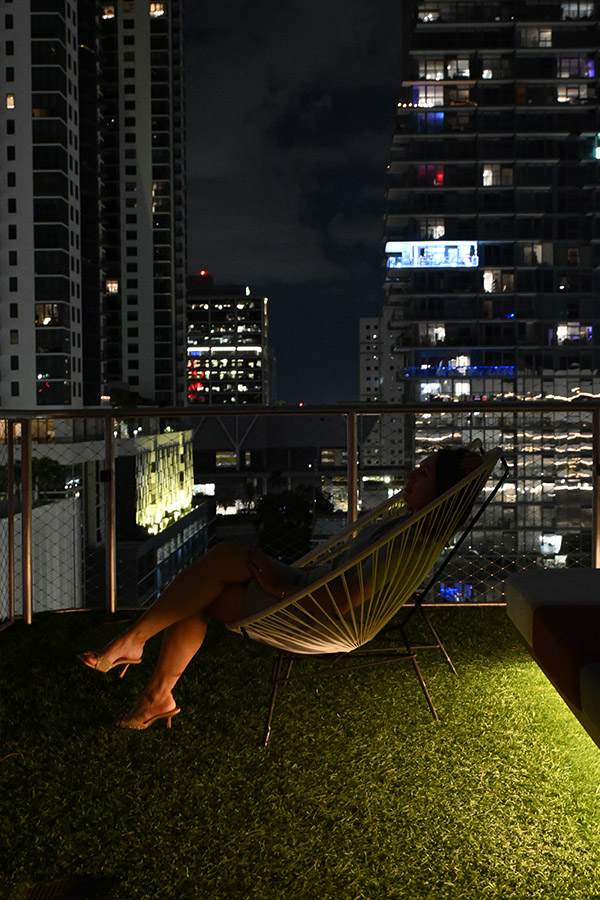
During our last visit, a month before moving to Spain, we stayed in a practical location to pick up visas. CitizenM Hotel in downtown Miami was perfect: modern, sleek, and designed for movement and comfort. (More details about it is in this article “Inside the Bold Hotel Design of citizenM Hotel in Miami South Beach”) The skyscrapers around the hotel evoked strength and empowerment. Their reflective facades mirrored not just light, but ambition, urging reflection on my goals at that stage of life.
Walking past these marvels, I could feel the city’s energy influencing my mood: confidence, ambition, inspiration, and a quiet motivation to pursue creativity. That’s the effect Miami architecture has: it’s about the visual beauty and also the emotions it evokes in those who experience it.
How Miami Architecture Was Styled
Miami’s architecture is a rich blend shaped by both visionary architects and thoughtful urban planning, with distinct styles in different neighbourhoods that give the city its unique visual identity. In Miami Beach, the iconic Art Deco style emerged in the 1920s and 30s, led by architects like Henry Hohauser, L. Murray Dixon, and developers such as Carl Fisher, who envisioned a glamorous, cohesive resort city. Pastel-colored façades, curved corners, and nautical motifs created a style that felt both modern and playful, perfectly suited for a sun-soaked coastal city.
Beyond Art Deco, Modernist and Mid-Century architecture influenced residential neighbourhoods and commercial spaces throughout the city. Architects like Robert Law Weed, Bernard Seidman, and Morris Lapidus brought sleek lines, dramatic curves, and innovative design concepts, including Lapidus’ world-famous Fontainebleau Miami Beach, which introduced Miami Modern (MiMo) style with theatrical lobbies and playful, exaggerated forms.
Downtown Miami and other districts developed more organically, mixing high-rise modernist towers with commercial and residential projects, creating a contrast between luxury, modernity, and historical touches. The city never had a single master plan, but through a combination of developer-led initiatives, zoning regulations, and the creativity of individual architects, Miami evolved into a city where every neighbourhood offers a distinct visual experience.
A Creative’s Guide to Experiencing Miami Architecture
If it’s your first time exploring Miami, approach it like aphotographer or creative, let your eyes wander and scan for details that tell the city’s story:
Contrast of old and new: Notice how Art Deco façades meet modern skyscrapers, and how mid-century residential homes coexist with high-rise commercial towers. Each neighbourhood has its own identity: South Beach is playful and pastel-colored, Downtown is sleek and modern, Coral Gables offers tree-lined streets and Mediterranean-inspired designs.
Façade details, corners, and textures:Decorative tiles, wrought-iron balconies, neon signs, and playful signage all create opportunities for framing unique shots. Small elements can dramatically enhance your photography.
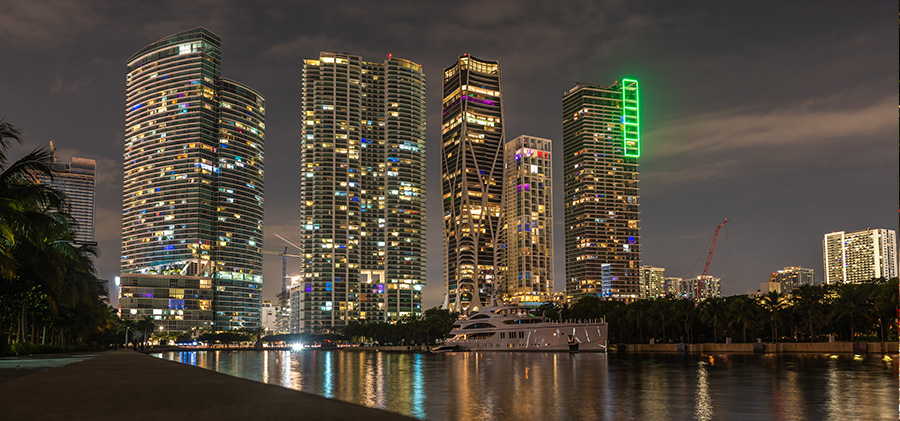
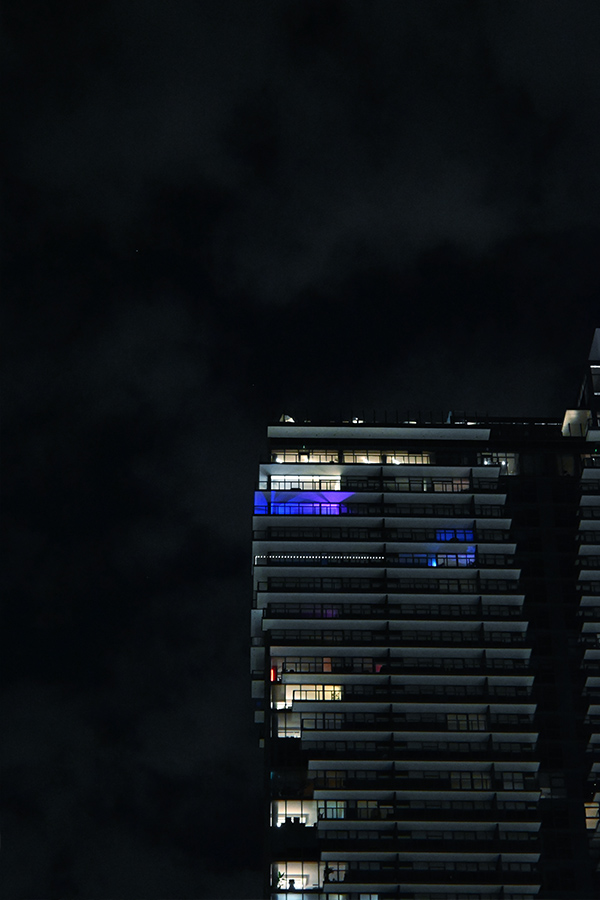
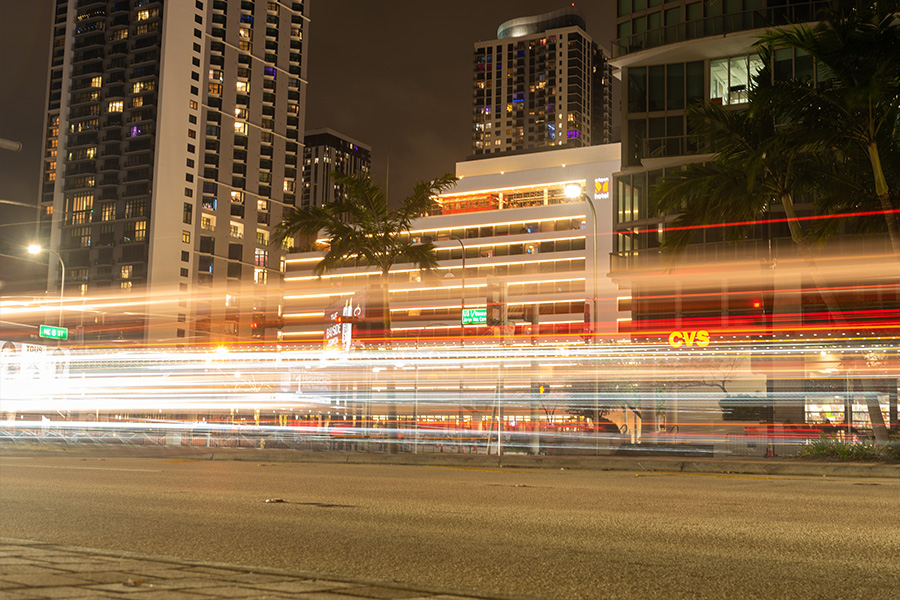
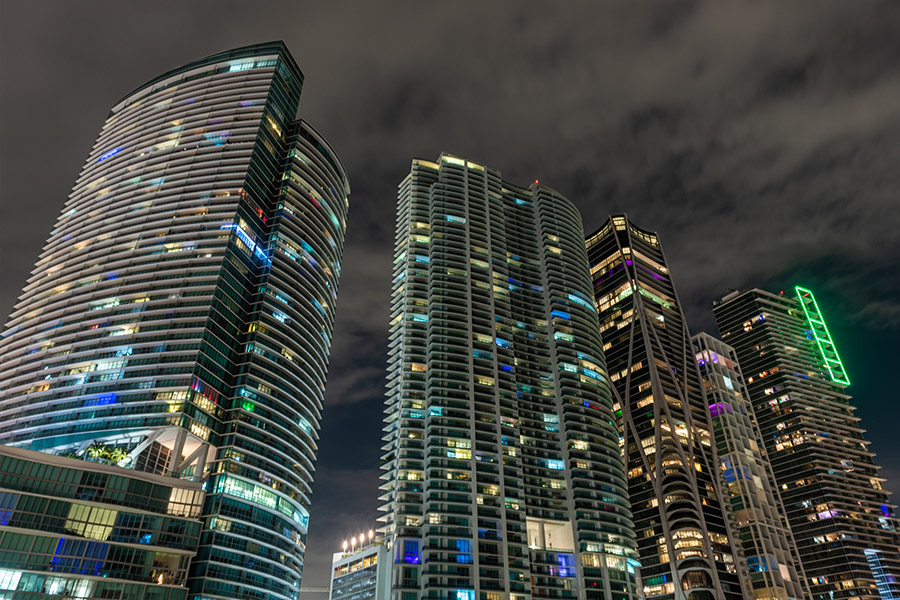
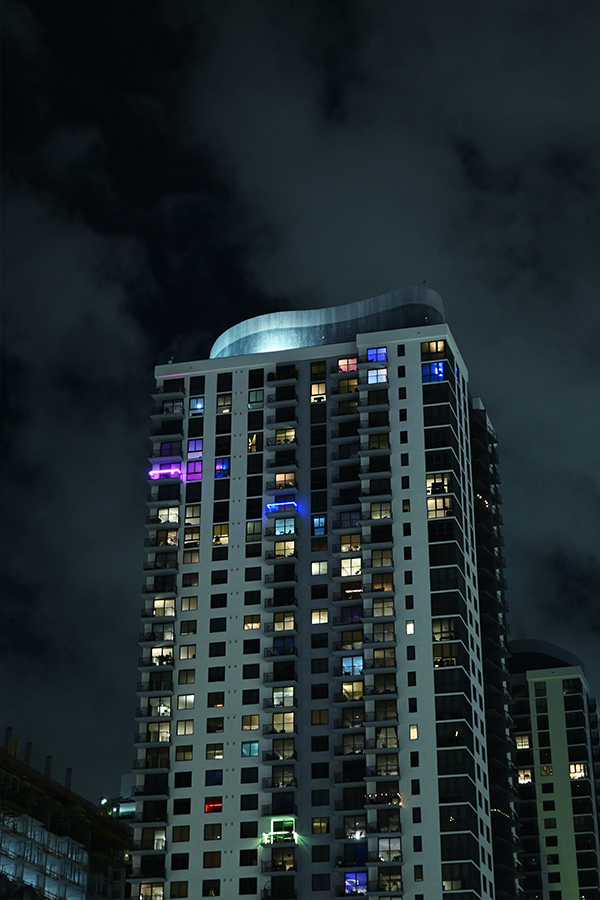
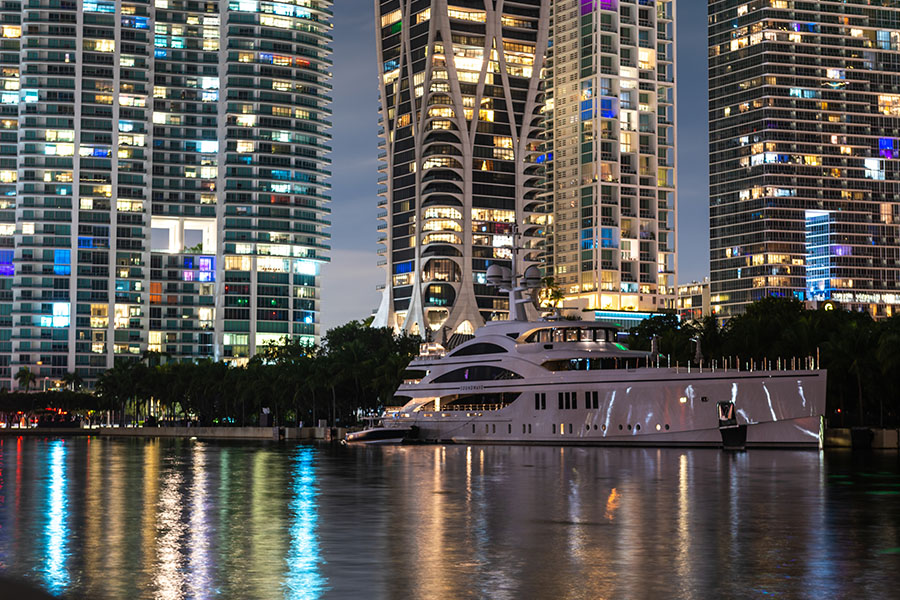
Light and reflections: Miami’s sunshine interacts with glass, water, and polished surfaces, creating dynamic, ever-changing compositions. At night, the business district comes alive. Its illuminated skyscrapers and streets are especially striking, perfect for light trail photography and capturing the city’s energy after dark.
Technical tips: Bring a tripod fornight photography. Use a telephoto lens to isolate distant details or frame creative perspectives. One of the best spots for night photography is Downtown Miami’s business district where the tall buildings lit up at night produce incredible reflections, making it a perfect location for practicing light trail photography and capturing stunning cityscapes.
Explore slowly on foot: Pause often, lift your eyes, and let the city guide your movement (more helpful info about is in this article“The city becomes your companion when you travel alone”). Observing slowly helps you notice patterns, hidden gems, and the subtle character of each neighborhood.
Where We Stayed on Our Trips to Miami
CitizenM Hotels (Downtown & South Beach): These hotels are designed for travelers who value efficiency and style. Tiny rooms maximize space while communal areas: co-working lounges, dining spaces, and art installations, encourage creativity and reflection. CitizenM collaborates with local artists, blending the hotel’s design with the city’s vibe. Lights, music, and curtains are all controlled by a tablet, offering a futuristic, immersive experience.More visual details about CitizenM hotel is in my video “Why Everyone Is Talking About the Tiny Hotel Rooms at CitizenM Miami South Beach Florida?“
Airbnb near 1 Hotel South Beach: Our apartment was simple but functional. Staying there allowed us to enjoy the hotel’s rustic-modern interiors, bars, and restaurants while having a private retreat. The design was calming yet inspired curiosity, demonstrating how Miami architecture influences daily life. More details in the article “Modern hotel decoration ideas for a stylish stay”
How Architecture Affects Your Perception as a Photographer
I fell in love with photographing architecture after moving to Atlanta, where high-rises and cityscapes inspired endless experimentation (One of the result is a photo print “Midnight in Atlanta”). Miami offered a similar, yet distinct, challenge: diverse styles, reflective surfaces, and dynamic light conditions.
Walking the streets or rooftop areas, I felt the city pulling me in, wrapping me in its rhythm. Angles shifted unexpectedly, shadows danced across façades, and reflections multiplied, creating fleeting moments of magic. The architecture felt like a companion, offering stories and details that anyone who looks closely could discover and interpret in their own way.
Could You Live in Miami?
“Could I live here?” It’s a question that naturally comes up when traveling. Walking the streets, exploring the buildings, imagining life within these spaces, it’s fun to ask yourself and discuss with a travel partner.
Miami is visually mesmerizing and beautiful in its own way. But I can’t imagine living there permanently. It’s too big for me, too modern, and too fast-paced. That’s why Spain is my home now: a city where art, history, and human-scale architecture offer balance. But Miami’s architectural energy will always inspire ambition, offering lessons in light, design, and creativity.
All images in this article were taken by Elena Sullivan, ArsVie Photo Studio and are protected by copyright. If you are interested in using any of the them, please contact me for permission. Thank you for understanding!
Travel Quiz
Dreaming of your first solo trip? Discover your traveler type and the country that fits you. Take the Travel Personality Quiz!
Hi, there! I’m Elena Sullivan, a fine art photographer, and creative adventurer. My first joyful experimentation with a camera extended into a passionate relationship where harmony represents a constant flow of elegant devotion. I follow my intuition and curiosity in search of eternal connections in nature, then use my camera to reveal it and share it with you! Every of my photo is curated with love and artistic excellence.