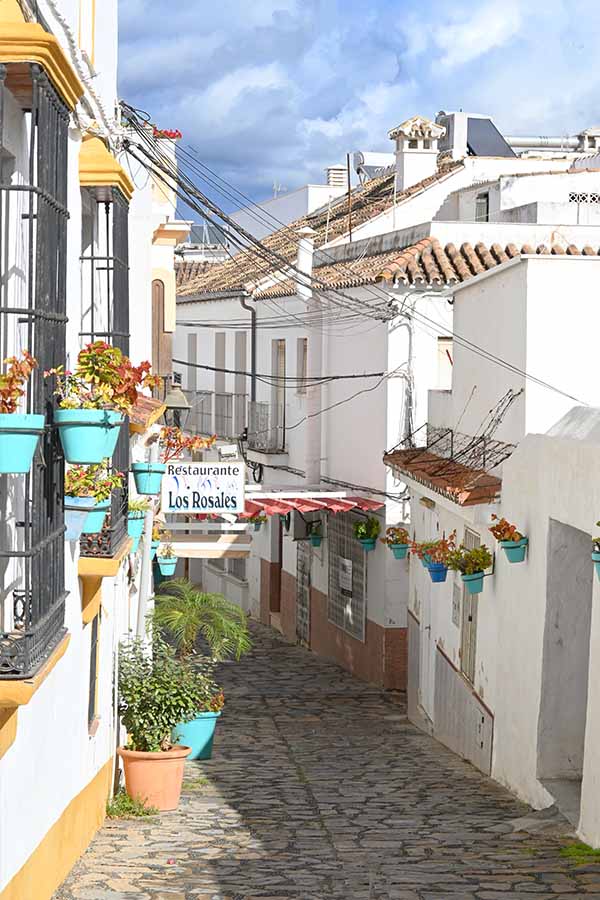
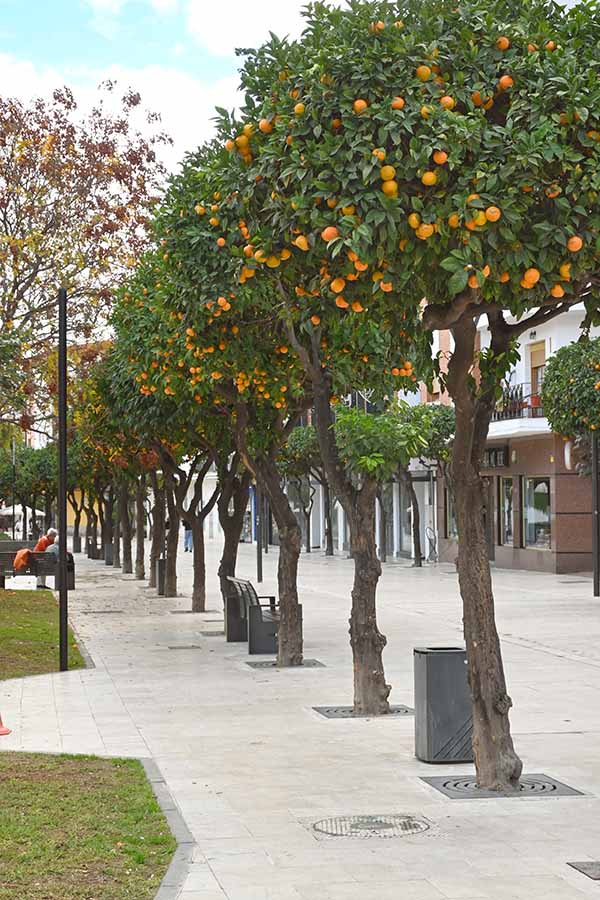
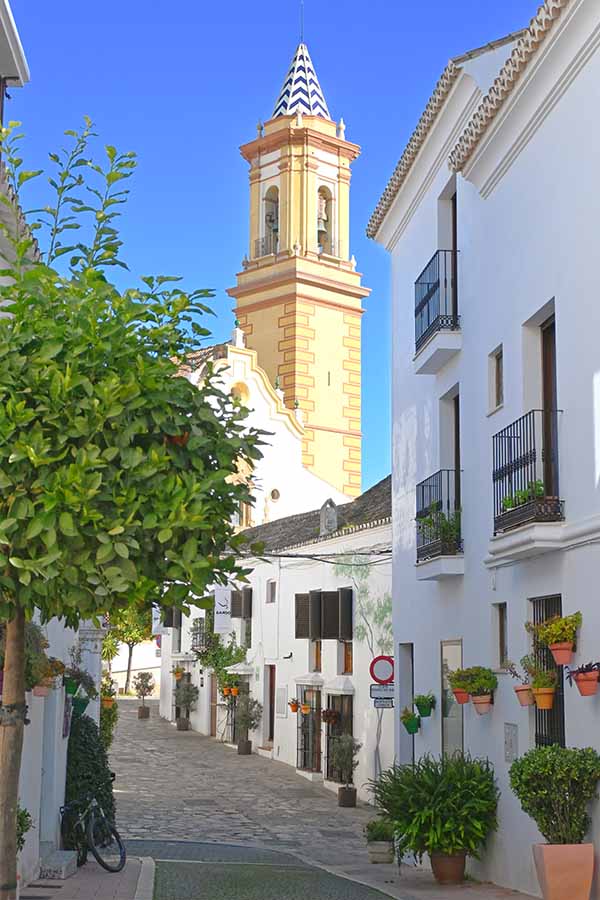
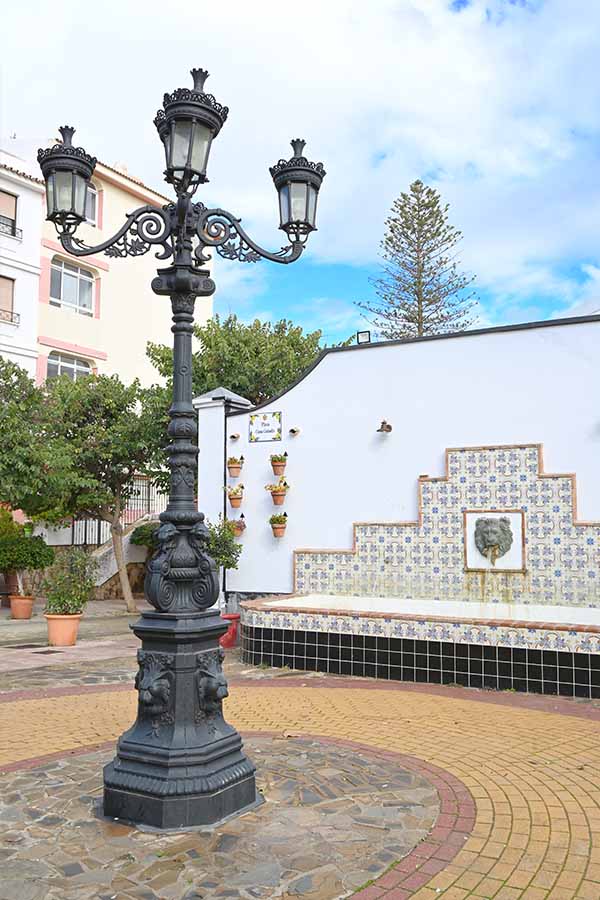
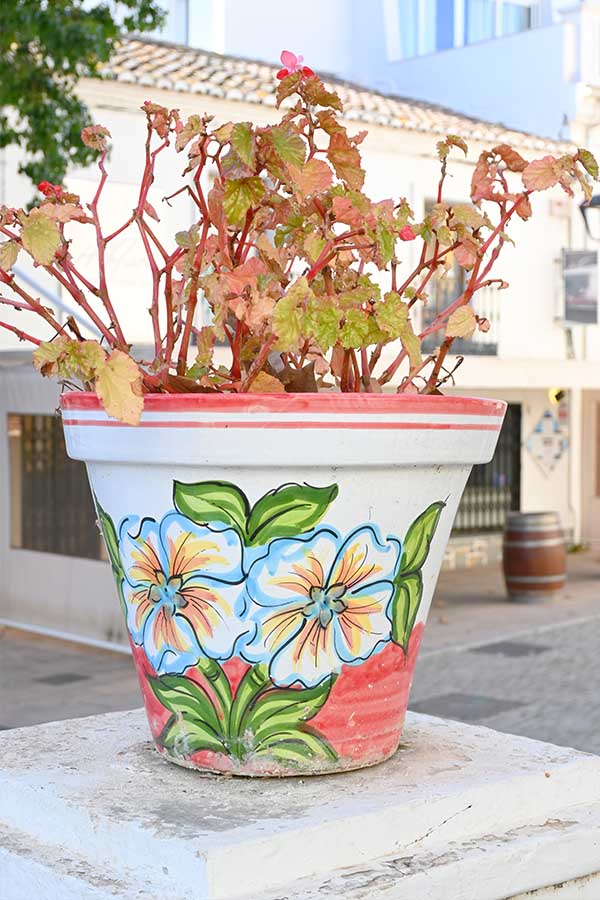
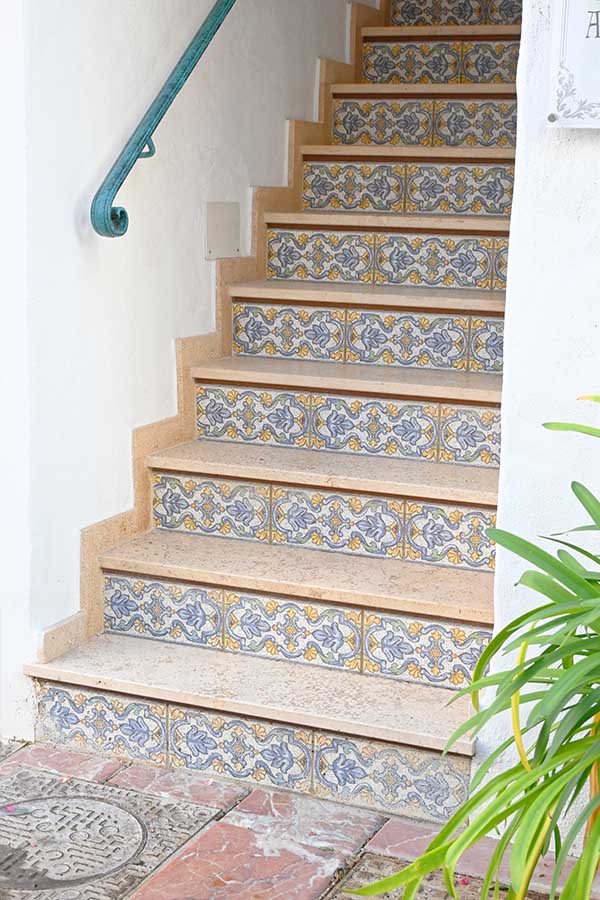
Long before it became known as the Garden of the Costa del Sol, Estepona carried another name — Astabbuna, shaped during Moorish times. The town has always been a place of passage, layered with histories that settled rather than disappeared. Walking its streets today, that history is felt softly, through texture, light, and walls decorated by flowers.
It was December when I first walked into Estepona’s old town, during that soft season when places seem to exhale. The streets were calm, the light gentle, and the air carried the scent of flowers even in winter. I remember thinking how unusual it felt, a town so alive with color, yet so peaceful.
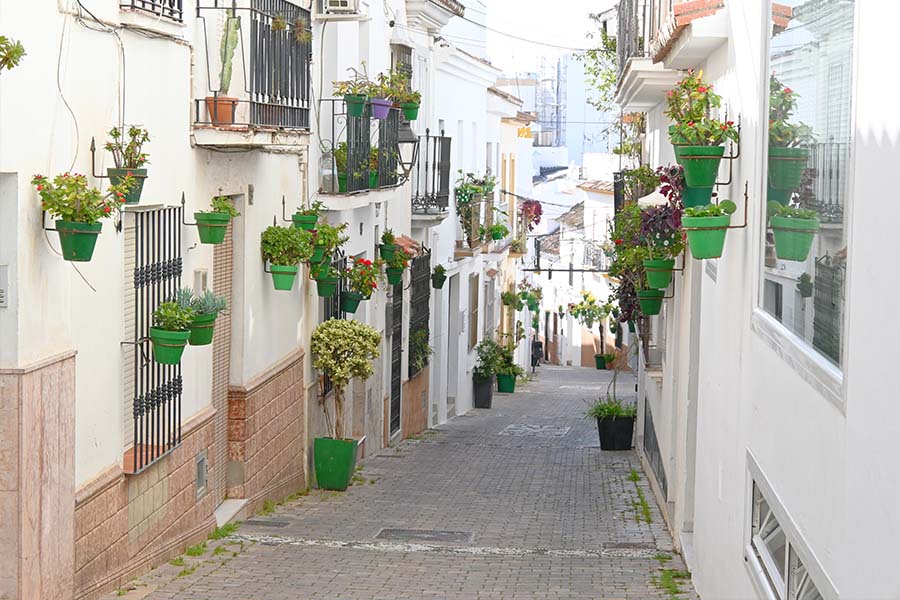
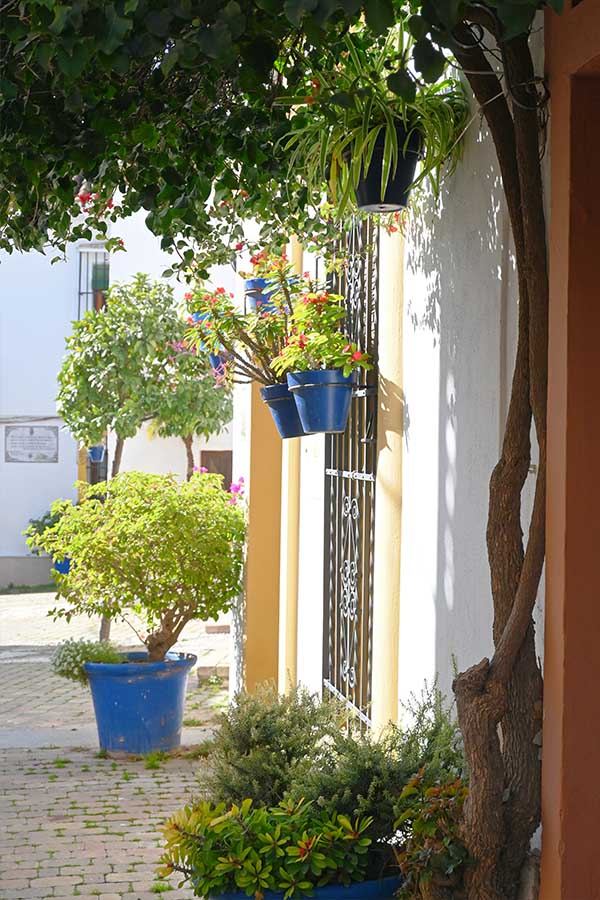
The soft scent of lantana, paperflower, florist kalanchoe, Chinese hibiscus, and countless other flowers follows you through the streets. It floats in the air, quietly accompanying each step. Estepona proudly carries the title “Jardín de la Costa del Sol” and it earns that name effortlessly.
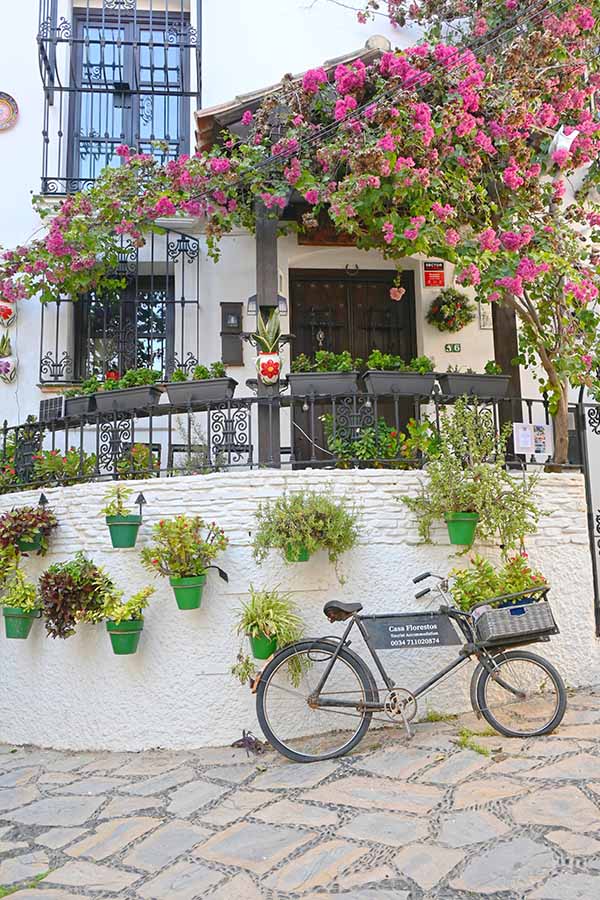
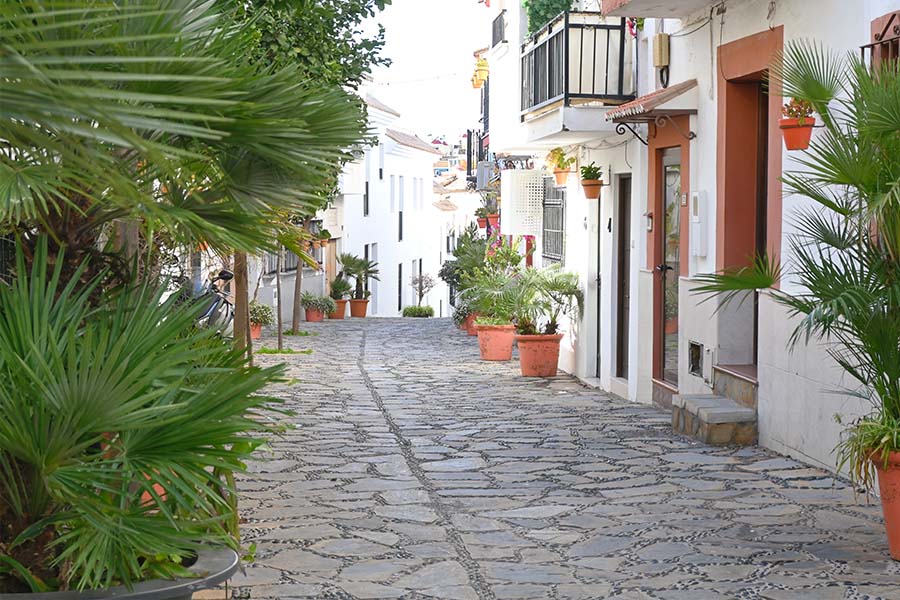
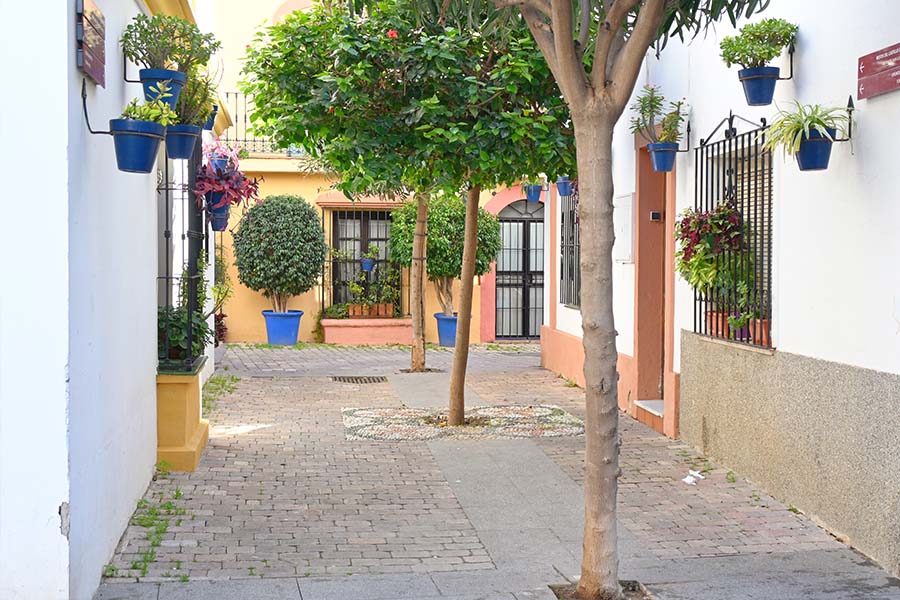
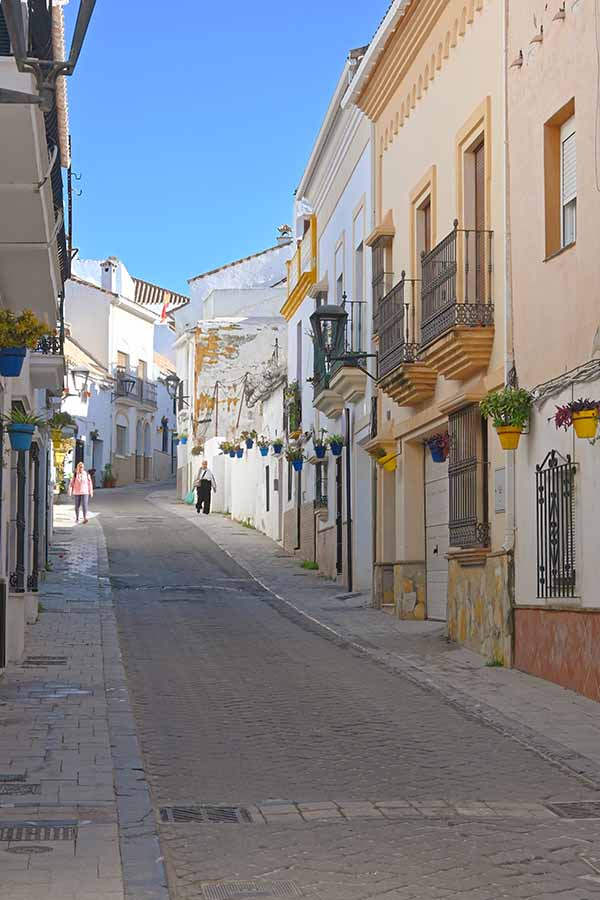
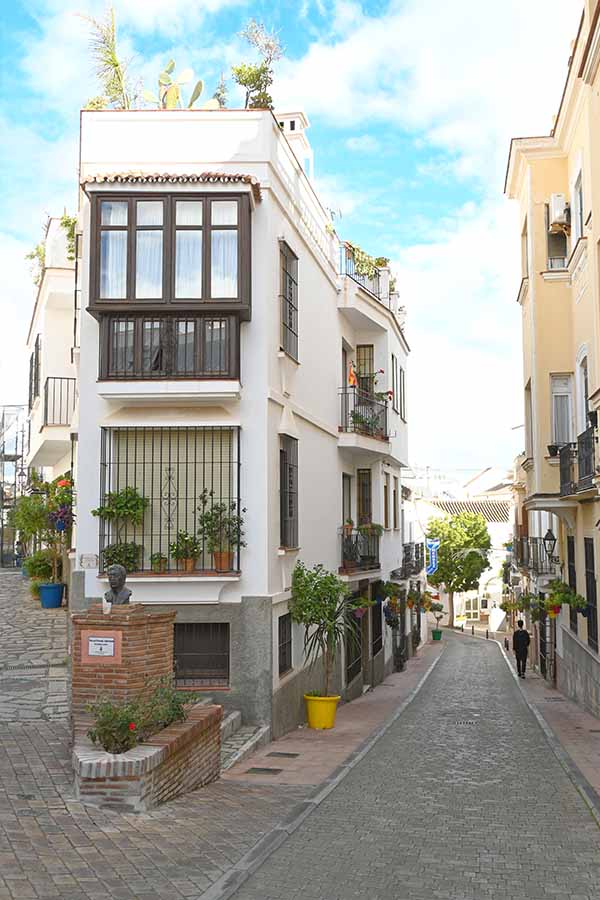
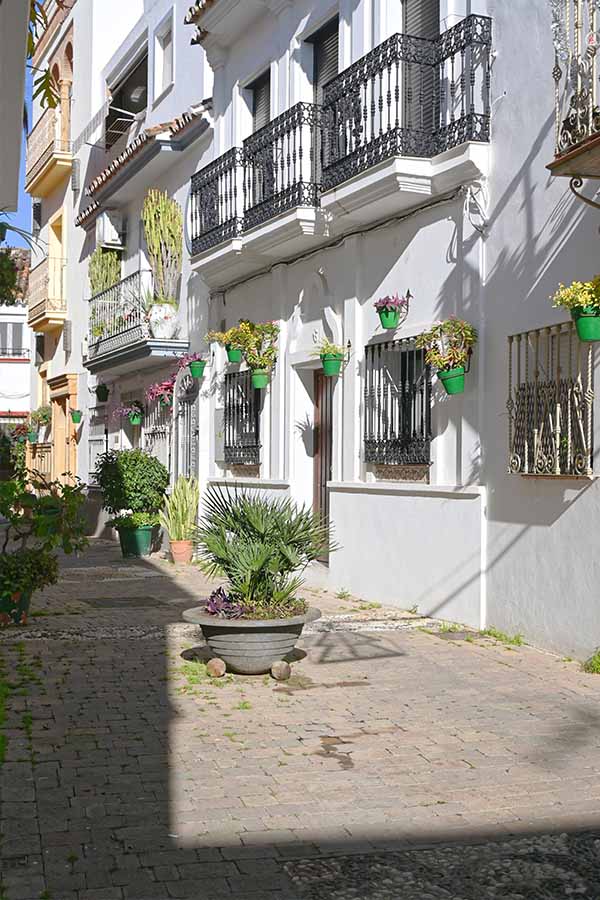
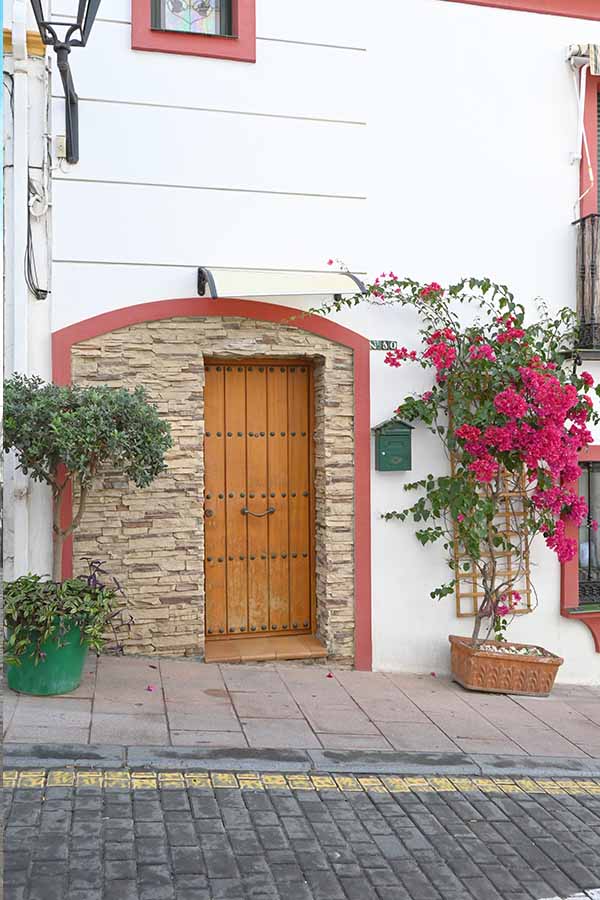
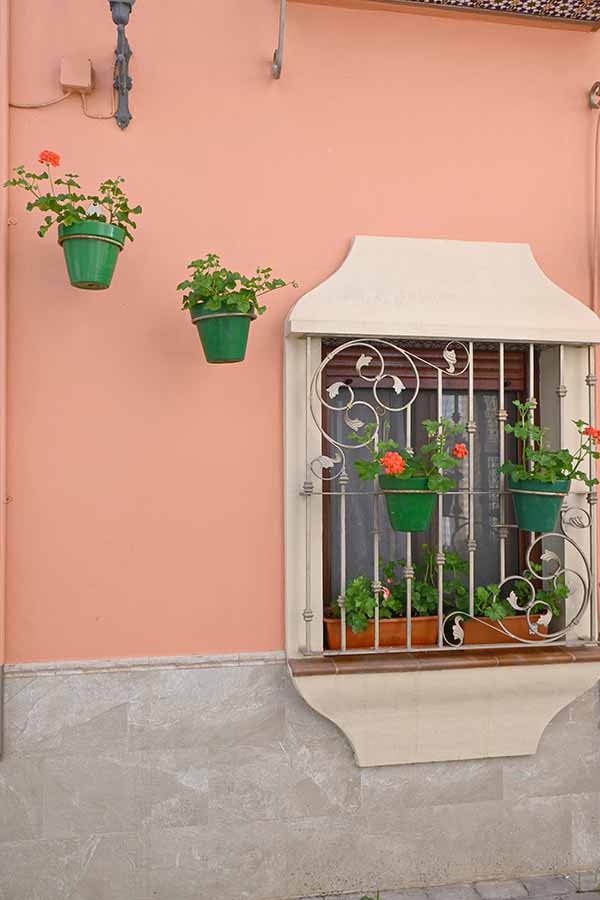
Walking through the streets of the old town feels like being embraced by blooms. They cascade from balconies, climb along walls, and gather in colorful pots, softening stone facades that have witnessed centuries of stories.
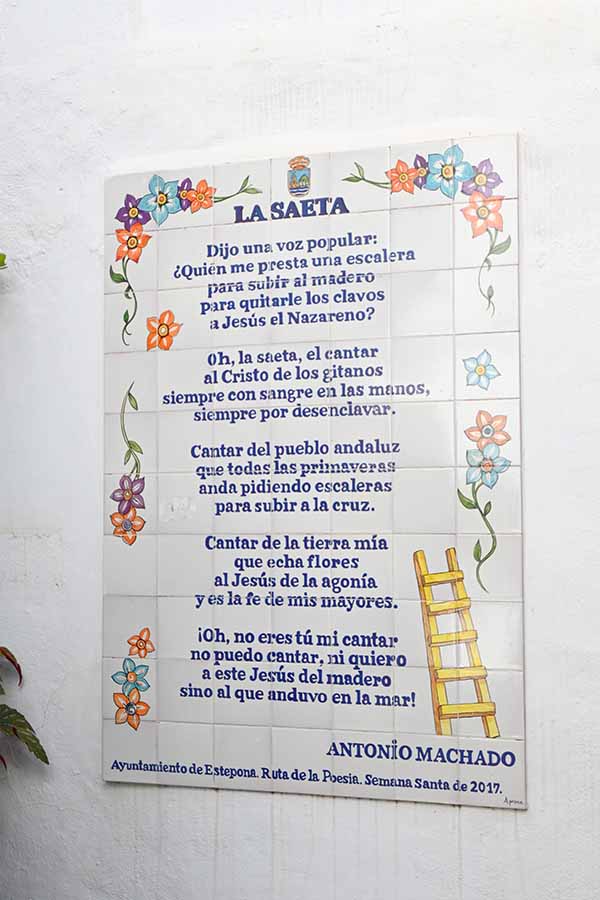
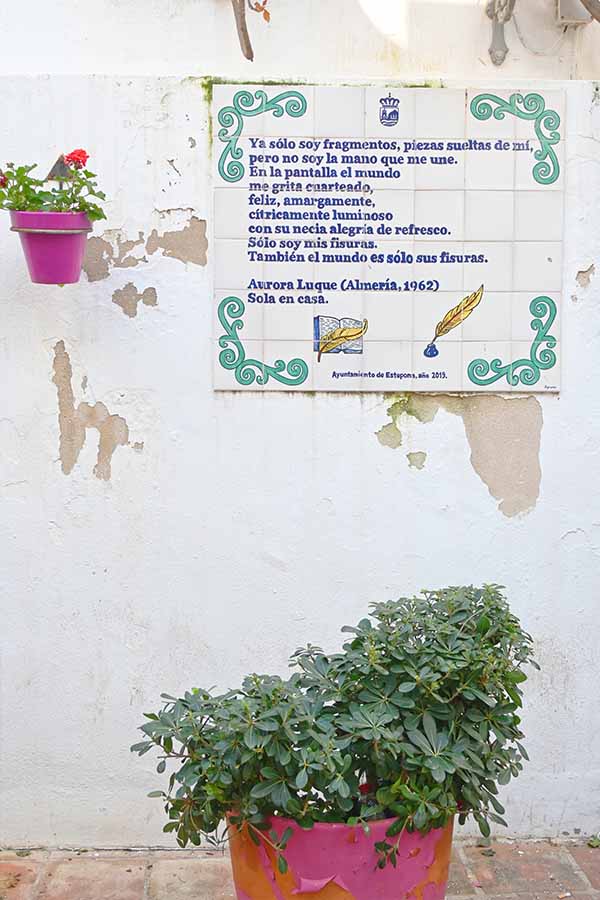
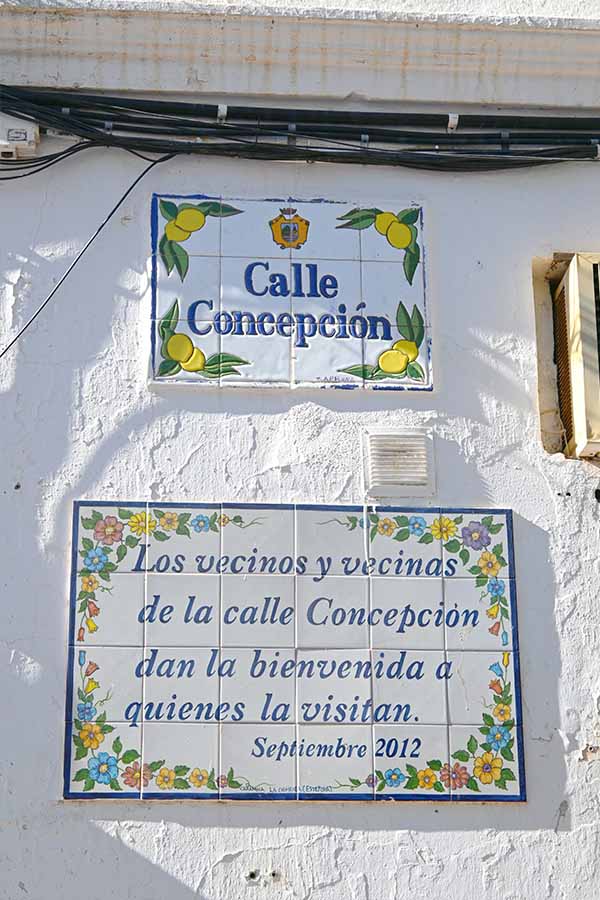
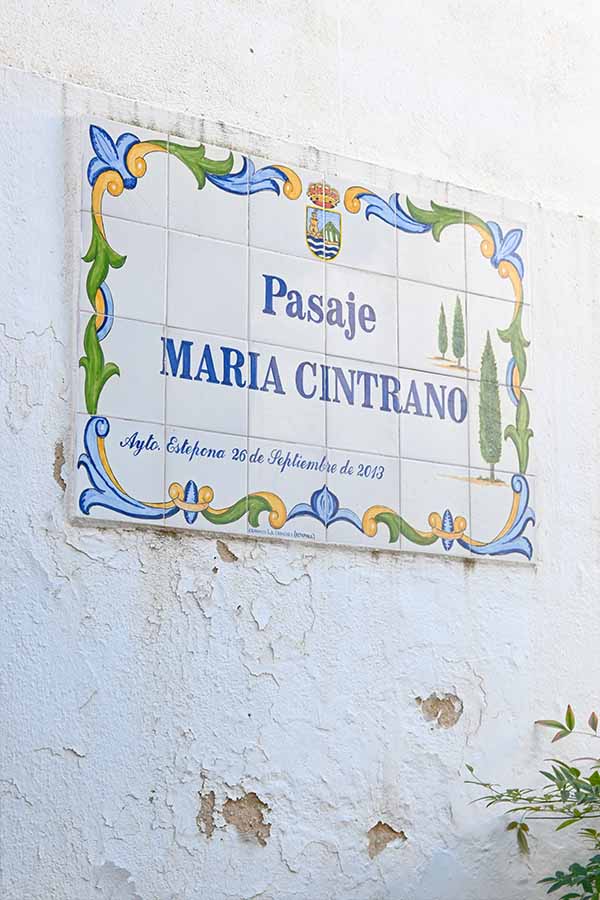
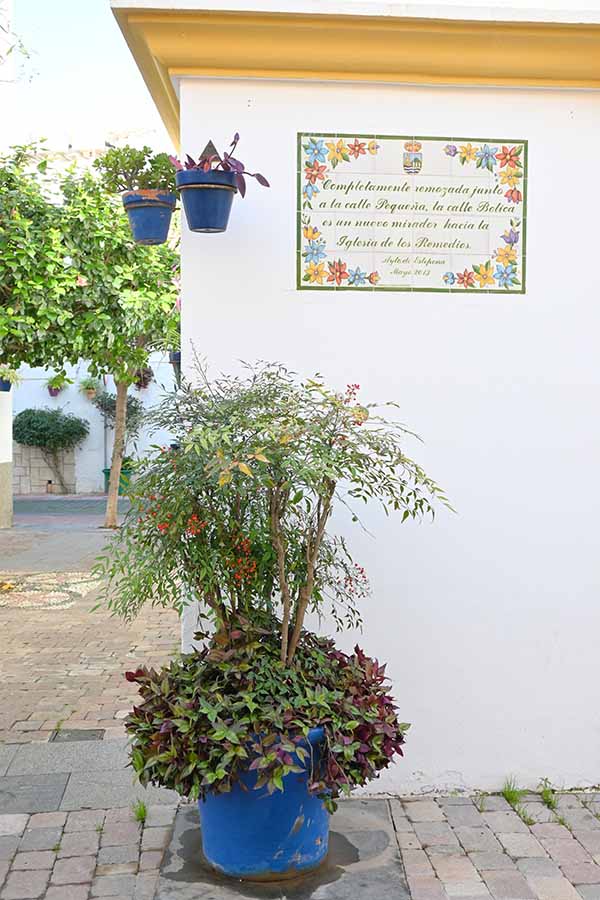
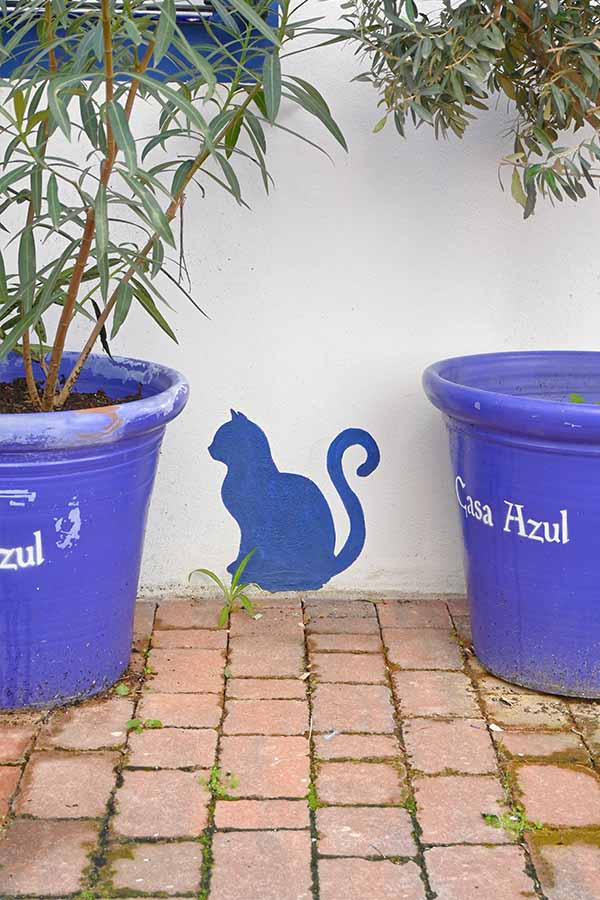
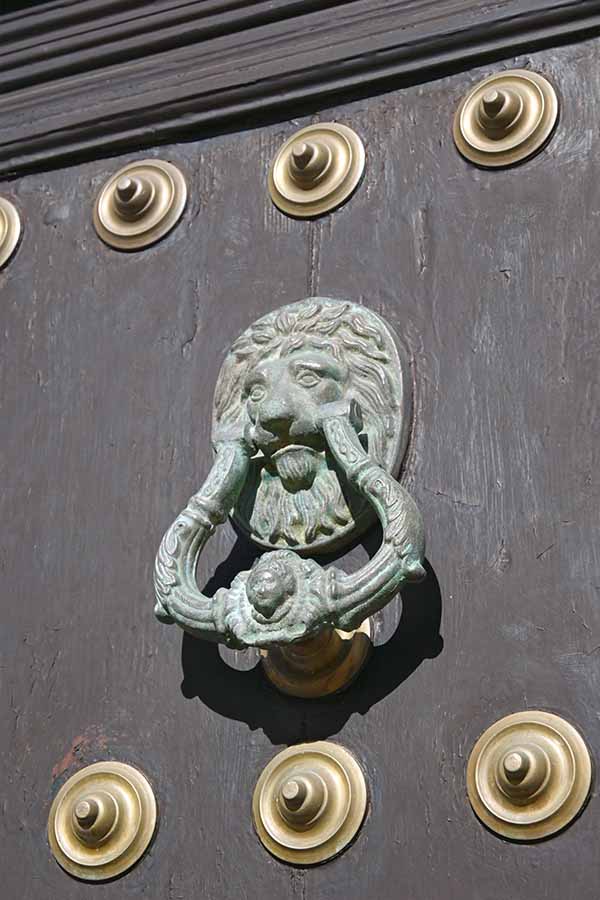
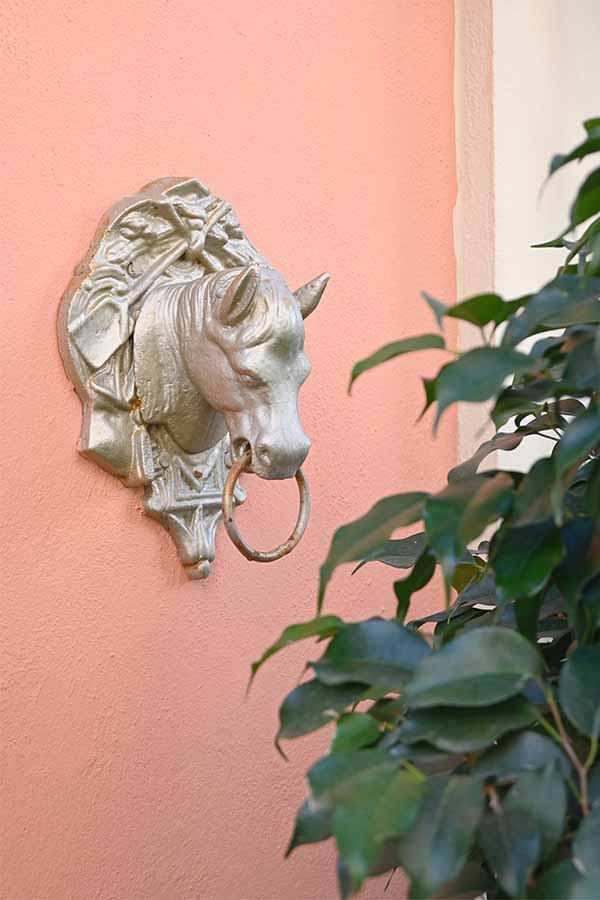
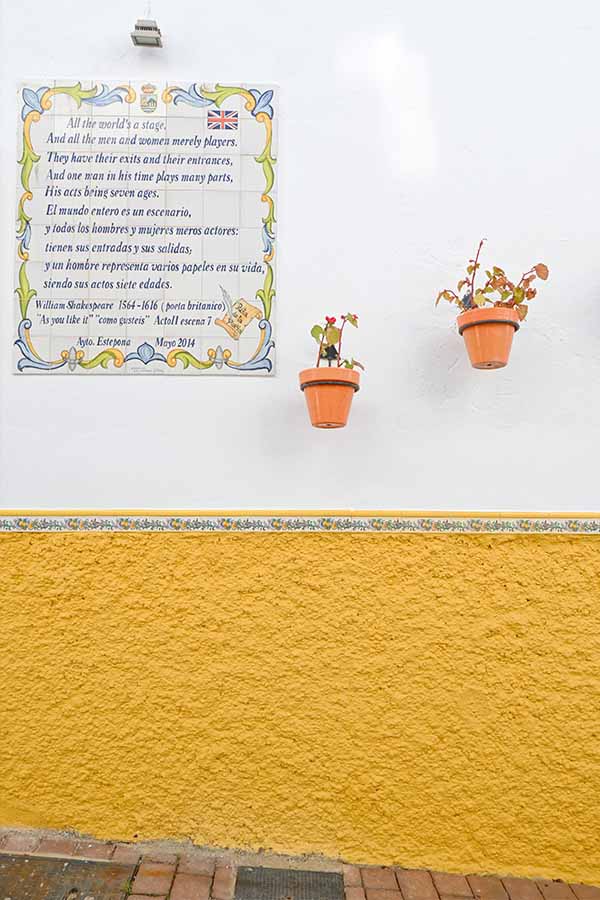
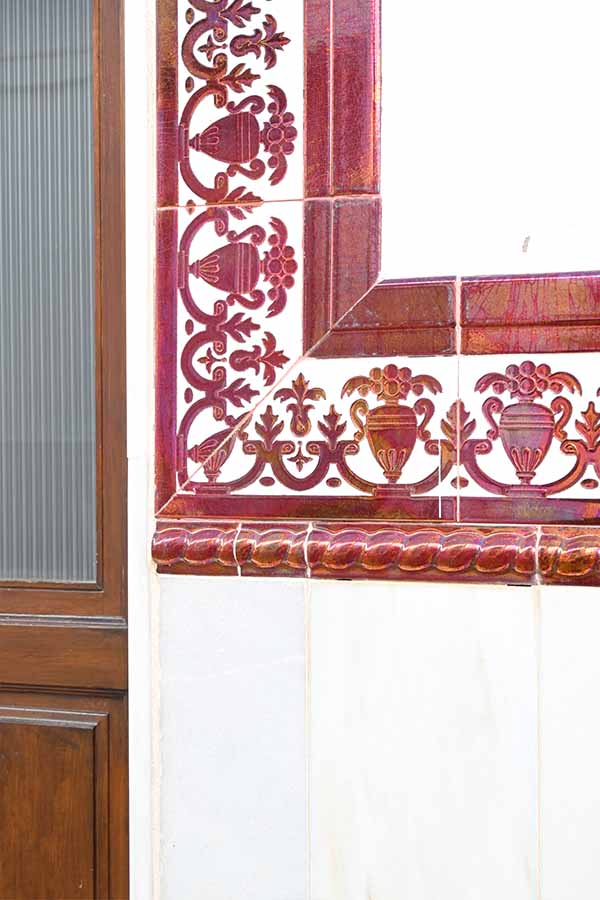
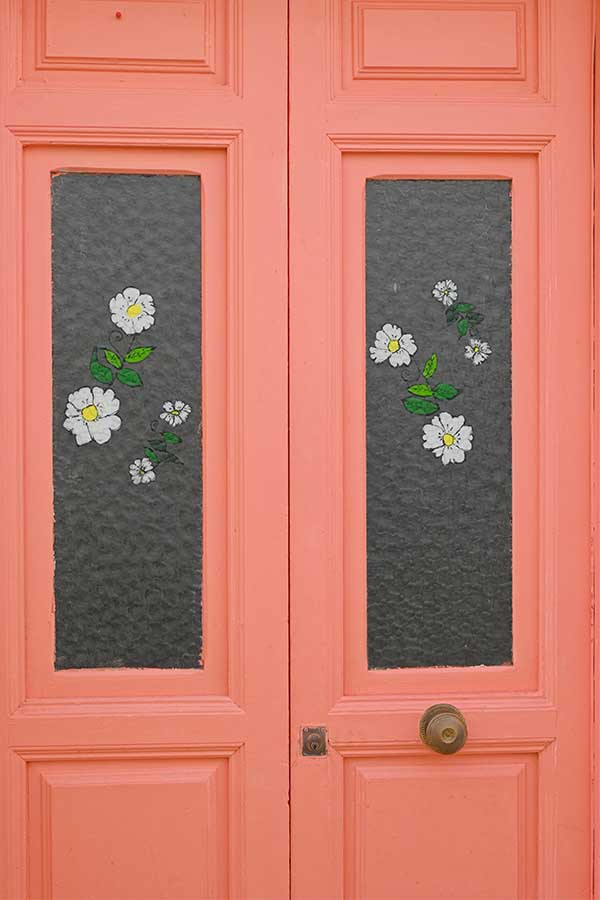
What fascinated me most was this contrast, solid, weathered walls holding history, made tender by flowers in full bloom. It creates a balance that invites you to slow down and stay awhile. Every turn opens onto something new: cobblestone streets, wooden doors, hand-painted signs. Some walls carry poems or short messages, greetings from locals to anyone curious enough to pause and read.These quiet details add a gentle poetry to the town, as if Estepona is speaking to those willing to listen.
A slow conversation with Estepona Spain
Visiting during the low tourist season allowed Estepona to reveal a more intimate rhythm. The pace felt unhurried, almost meditative, ideal for slow travel. I imagine summer brings a different energy, with lively cafés and conversations filling the streets. But in December, the town felt personal. I wandered without urgency, trying and failing to take it all in during one visit. Its freshness and color were sometimes overwhelming, yet never exhausting.
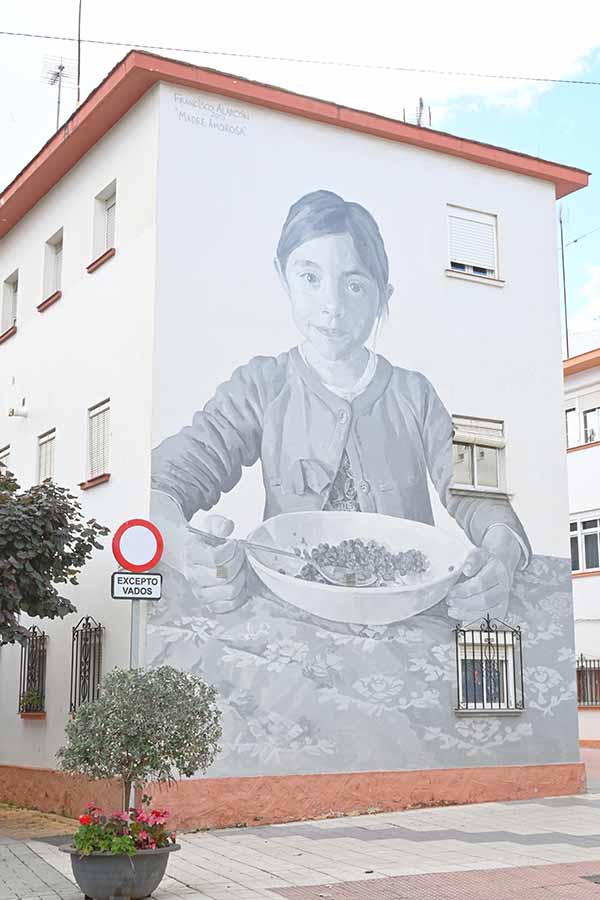
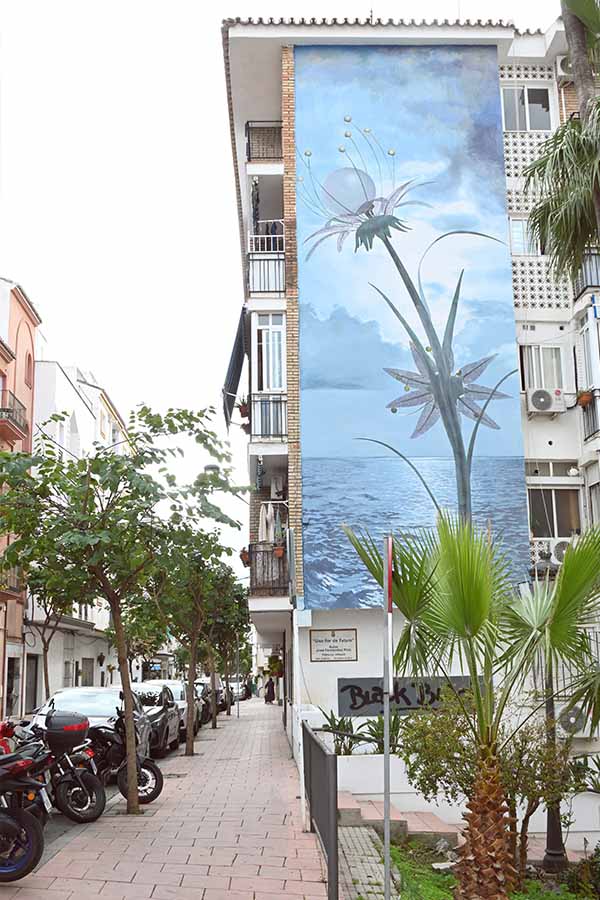
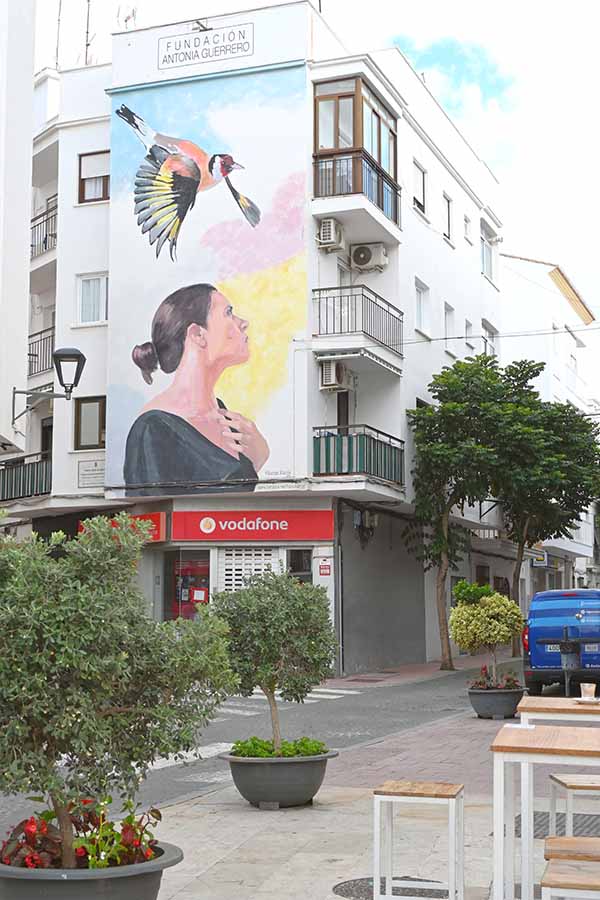
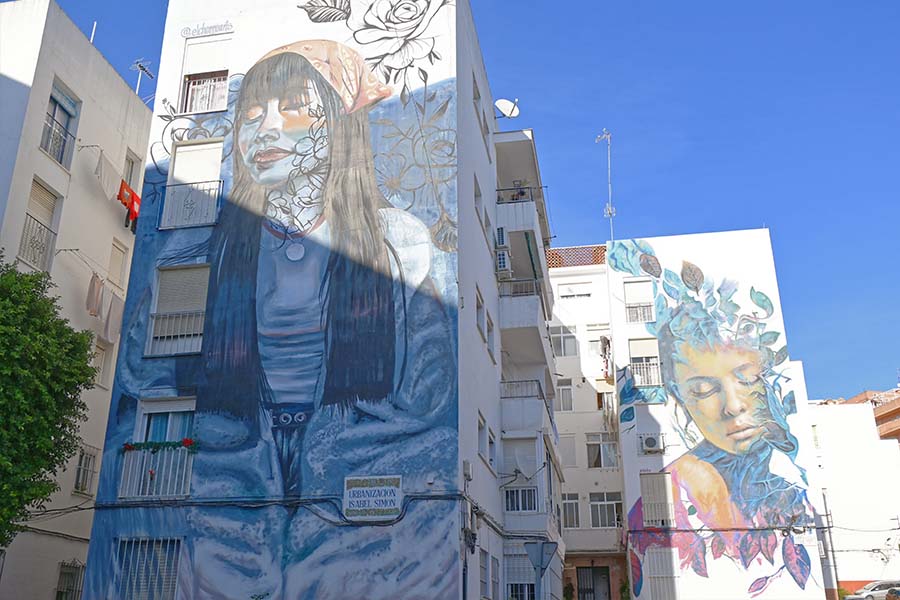
Murals scattered throughout Estepona added another layer of discovery, contemporary stories painted onto old walls. I only caught glimpses of them, already knowing I wanted to return.
Downtown may be the focal point, but Estepona rewards those who drift beyond it. Follow the narrow streets that lead away from the center.
Let intuition guide you. Get a little lost.
Discovery, after all, is one of travel’s greatest rewards, especially for those willing to step beyond habit and expectation.
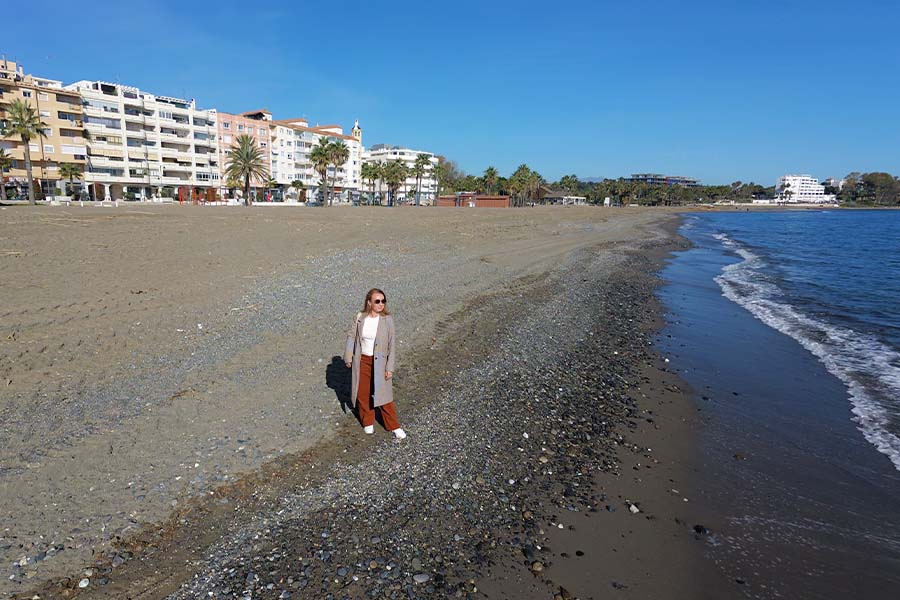
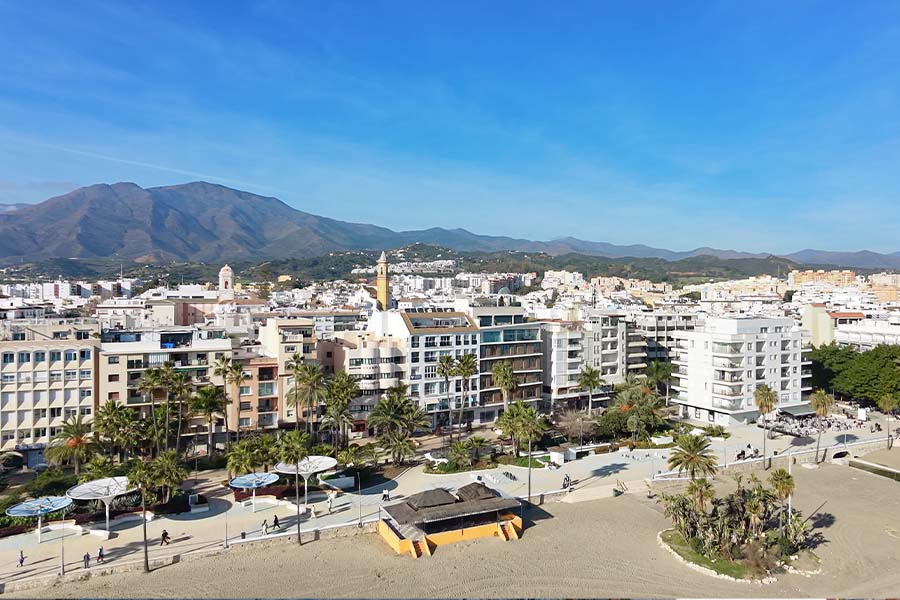
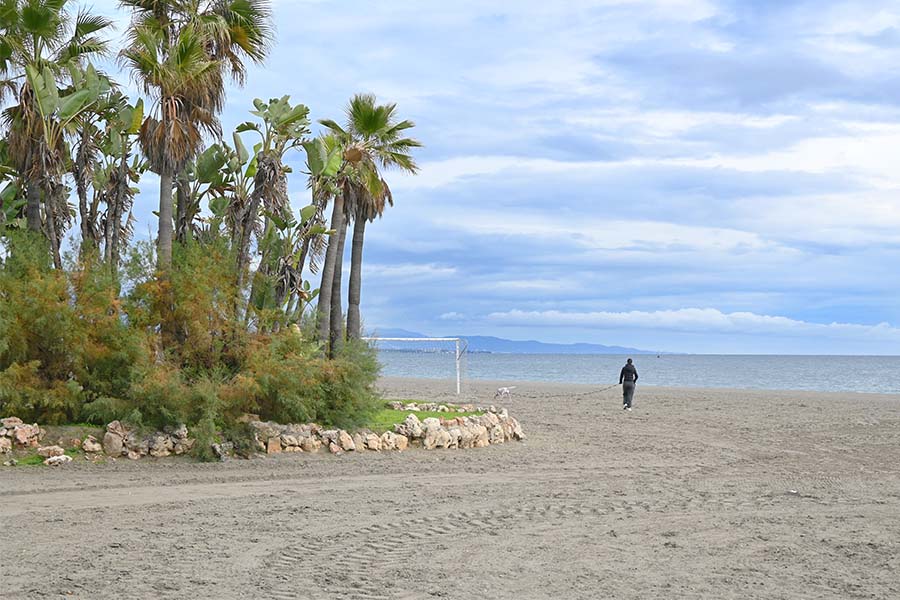
Estepona is located along the Mediterranean coast and on clear days you can see the Rock of Gibraltar and even the coast of Africa across the water. In the afternoon light, this view feels especially powerful, a reminder of how close worlds can be, even when they seem distant.
For me, as a storyteller and photographer, particularly someone drawn to macro flower photography, Estepona feels like a dream. Flowers appear everywhere, even on cloudy days, and their colors lift the mood instantly.The town invites observation, patience, and presence.
A Brief Historical Note about Estepona
Estepona’s modern foundation dates back to 1456–1457, when King Henry IV of Castile captured the area from the Moors and ordered the reconstruction of San Luis Castle to secure the territory. While earlier settlements by Phoenicians, Romans, and Arabs existed, the current town developed around this 15th-century Christian fortress. The area has been inhabited since prehistoric times; stone-age tools and dolmens have been discovered nearby.
Romans once occupied the region, but a seaquake in the 4th century likely destroyed their settlement. Although archaeologists have uncovered foundations and ceramics, extensive redevelopment in the 1960s has made further discoveries difficult. The name Estepona is believed to derive from the Moorish Astabbuna or Al-extebunna, another reminder of the layered histories embedded in this coastal town.
Things to Do in Estepona
Explore the Old Town (Casco Antiguo):
Set aside time to wander without a destination. Estepona’s old town is best experienced slowly, letting the flower-lined streets, small plazas, and hidden corners reveal themselves naturally. Early morning or late afternoon is ideal for softer light and fewer people, especially if you enjoy travel photography or quiet observation.
Visit the Orchid House (Orquidario de Estepona):
This contemporary architectural space is home to thousands of orchids (like “Orchid Petal Poetry”) and tropical plants from around the world. Even if you’re not usually drawn to botanical gardens, the scale, design, and lush atmosphere make it a surprisingly immersive experience. It’s a beautiful contrast to the historic streets outside.
Discover Street Art & Murals:
Scattered throughout Estepona are large-scale murals and smaller artistic interventions that blend seamlessly into the town’s fabric. These works tell modern stories against centuries-old walls, turning everyday walks into moments of discovery. Keep your eyes up, some of the most striking pieces appear where you least expect them.
Walk the Seafront Promenade:
The paseo marítimo stretches along the Mediterranean and offers expansive views, fresh sea air, and a slower rhythm. Late afternoon is especially magical, when the light softens and the coastline reveals Gibraltar and, on clear days, the distant outline of Africa.
Museums & Cultural Spaces:
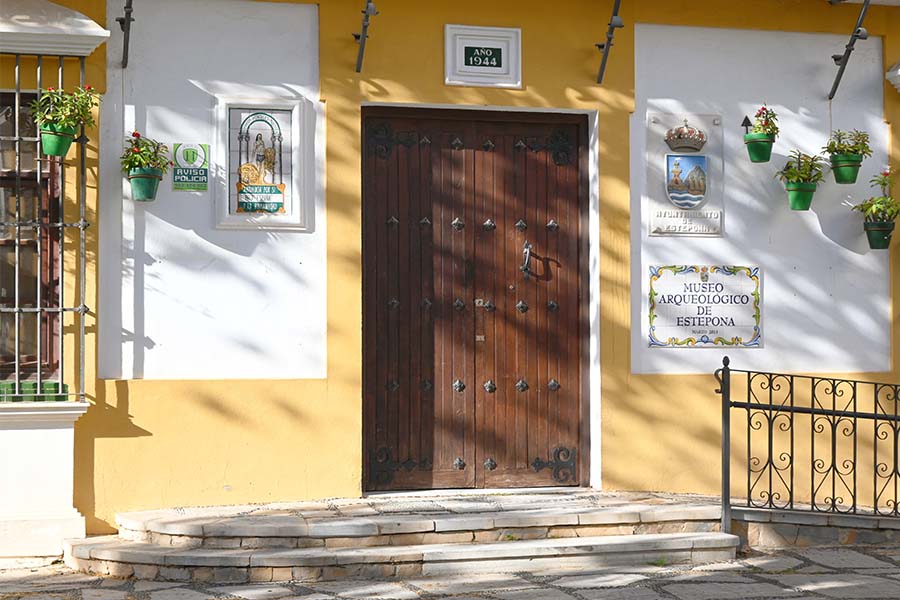
Estepona is home to several small but thoughtfully curated museums that add depth to a visit without overwhelming it. The Estepona Museum of Archaeology offers insight into the town’s layered past, from Roman remains to Moorish influences, helping you place the streets you’re walking into historical context.
The Paleontology Museum of Estepona is an unexpected discovery, housing one of the most important collections of Pliocene fossils in southern Spain, a quiet reminder that this coastline has witnessed life long before the town itself took shape.
Galería de Arte STOA — Located in the heart of the marina at the Puertosol building, this gallery features exhibitions from international and emerging artists. It’s a lively space where contemporary works meet thoughtful curation, often changing with new shows that reflect the region’s creative pulse.
Mirador del Carmen Exhibition Centre — A relatively new and ambitious cultural venue right on the seafront promenade, showcasing rotating exhibitions from local artists as well as major collections (like pieces from the Carmen Thyssen-Bornemisza Collection), bringing classic and modern art to the Costa del Sol.
Museo Municipal de Estepona — Comprising submuseums including archaeology, paleontology, and ethnography, this municipal museum offers fascinating insight into the town’s deep past, from prehistoric tools to Roman artifacts.
Arte by Leyton Gallery — A local artistic space showing works by regional creators and multidisciplinary pieces, often including paintings, sculpture, and installations that reflect contemporary Andalusian artistic life.
Simply Wander
Perhaps the most important thing to do in Estepona is to allow yourself to wander without a plan. Follow narrow streets away from the center, pause when something catches your attention,and trust your intuition. Estepona reveals its charm gradually and often rewards those who let go of schedules.
Food as Part of the Experience
And then there is the food, an essential part of life in Spain. Estepona encourages you to pamper yourself: to taste, to savor, to linger. Stop at a small restaurant in the old town, order tapas, and let time stretch. If you’re traveling solo, simply observe: the people, the rhythm of daily life. I’m still discovering my favorite restaurant and tapas bar, but on my second visit I enjoyed simple gelato and tapas downtown, unpretentious, relaxed, and perfectly in tune with the town’s atmosphere.
Delicious gelato at Heladería Las Delicias
Pinchito Gambas at Cafeteria Las Orquideas
How to Get to Estepona
By Car:
Driving is one of the most flexible ways to reach Estepona. From Málaga Airport, it takes about 1 hour via the AP‑7 or A‑7 highways, with scenic coastal views along the way. Renting a car also lets you explore nearby towns and viewpoints at your own pace. If you’re heading into the old town, be aware that parking can be limited, look for public parking lots near the center and plan for a short walk.
By Bus:
Several direct buses run from Málaga (Estación de Autobuses de Málaga / María Zambrano Station) to Estepona Bus Station, operated mainly by Avanza and other companies. There are many departures throughout the day — approximately 38 direct buses daily, with the first bus as early as around 05:15 and the last around 23:00.
Avanza / L‑625 Málaga – Aeropuerto – Marbella – San Pedro – Estepona — this route connects Málaga Airport with Estepona via Marbella and San Pedro, with stops along the Costa del Sol.
Lines that operate along the corridor toward Estepona include 070 (L‑70 Marbella – Estepona), 079 (L‑79 Marbella – Estepona) and others connecting nearby towns that can be useful if you’re coming from those areas.
Buses typically take about 1 hour 10 minutes to 1 hour 30 minutes depending on the service and traffic. Advance booking is recommended during busy seasons or weekends.
By Taxi or Transfer:
Taxis and private transfer services from Málaga Airport to Estepona are widely available and a convenient option if you’re traveling with luggage or prefer a direct route. Many companies allow you to book in advance online for a fixed price, which can be especially reassuring after a long flight.
Connections from Other Towns:
If you’re coming from places such as Marbella or Fuengirola, regional buses like the L‑70 or L‑79 run between these towns and Estepona, usually via Marbella’s station, from where you can continue to Estepona.
All images in this article were taken by Elena Sullivan, ArsVie Photo Studio and are protected by copyright. If you are interested in using any of the them, please contact me for permission. Thank you for understanding!
Spain Relocation Quiz
Dreaming of living in Spain? Discover which part of the country fits your rhythm, values, and lifestyle.
Hi, there! I’m Elena Sullivan, a fine art photographer, and creative adventurer. My first joyful experimentation with a camera extended into a passionate relationship where harmony represents a constant flow of elegant devotion. I follow my intuition and curiosity in search of eternal connections in nature, then use my camera to reveal it and share it with you! Every of my photo is curated with love and artistic excellence.