“How do you eat this? What is this product? Is it good?”
These are the types of questions I find myself asking, sometimes out loud, sometimes through Google, every time I go grocery shopping in Spain. And while it may seem like a small, almost trivial detail, it actually represents something much bigger: the everyday reality of relocation and the process of learning how to settle in abroad.
Thanks to technology, overcoming culture shock, at least when it comes to understanding food and daily essentials, has become easier. But even with all the tools available, the experience itself still requires time, patience, and a willingness to feel unfamiliar.
During the first several months after starting over in a new country, there were moments when I would stand in the middle of the aisle in the grocery stores just a little longer than usual, holding a product in my hands, trying to understand what it was and would it feel familiar, or would become part of my routine.
Trial and error becomes part of the process.
Choosing what will become your favorite food, what fits your routine, what feels comforting, it all takes longer than you expect, and that’s part of adapting to expat life.
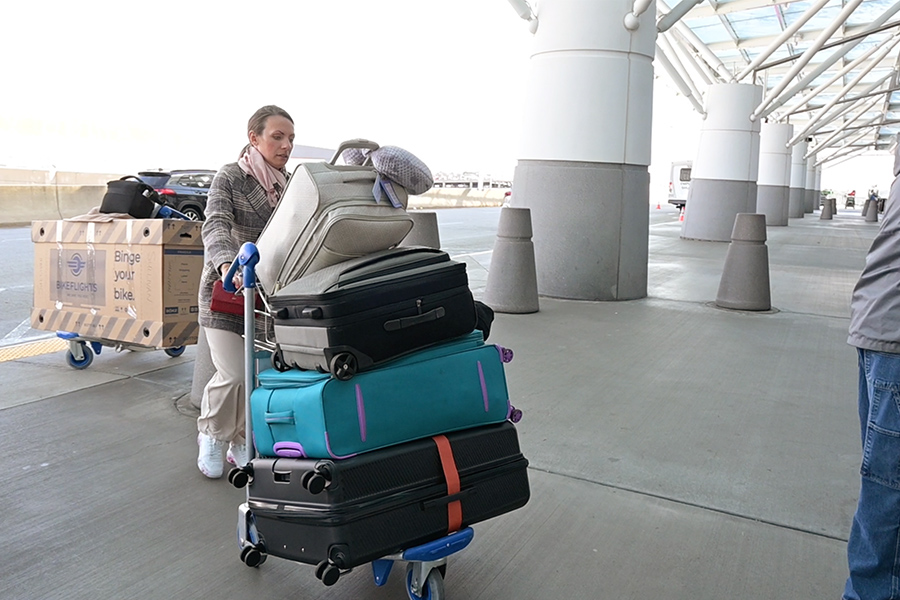
Nothing says ‘new chapter’ like a cart full of suitcases. In Atlanta, GA on the way to Spain.
Excitement and Reality of Relocating Abroad
When you think about relocation, especially before it happens, it often feels exciting, almost like a new chapter filled with possibility. And that excitement is real. There is a certain thrill in imagining yourself living a different lifestyle in a new culture and environment.
At the same time, the relocation process itself requires intense focus: planning, organizing, calculating, making decisions, and managing countless details. The involvement is both emotional and practical.
And even after the move is complete, that excitement doesn’t disappear. It stays in the background, like a quiet, inspiring rhythm, but now it is mixed with adjustment, learning, and sometimes uncertainty, moments when you might ask yourself, “Am I doing this right?”
I have relocated four times and experienced culture shock in different forms and intensities. Now, together with my husband, I am exploring and learning about life in Spain, continuing this process once again.
The Mistake We Can Make is Waiting to “Feel at Home”
After relocation, I found myself almost waiting to feel at home before fully settling into life. But that feeling didn’t really arrive the way I expected it to.
Relocation forces you to redefine what “home” means.It is no longer just about family and physical space: furniture, design, personal belongings, kitchen items, or favorite smell. It becomes something deeper: a sense of belonging, a rhythm, a connection to your surroundings, and often, a sense of community, including the expat communityyou may become part of.
And this takes time.
Part of what makes this process challenging is culture shock, that subtle or sometimes overwhelming feeling that everything is slightly off, unfamiliar, or not quite aligned with what you are used to. It can show up in small everyday moments, like navigating a grocery store, understanding social norms, or simply adjusting to a different pace of life. It’s not always dramatic. Sometimes it’s quiet, the feeling that everything around you makes sense to everyone else, but you are still trying to catch up.
In many ways, starting over in a new country allows you to see more clearly what truly creates that feeling of home, because you are building it again from the beginning but it also means that you are moving through that layer of culture shock at the same time.
What I didin’t realize when I did my big adventurous move to Cancun is that waiting to “feel at home” can actually slow the process down. That feeling is not something you passively receive, it is something you actively create through small, repeated actions, through routines and returning to the same places, and through allowing yourself to participate in everyday life even when it still feels unfamiliar.
It might feel uncomfortable at first, going to the same café, walking the same streets, trying to communicate in a language with limited vocabulary you have but those small moments are exactly what begin to soften culture shock and shape a sense of familiarity. There were moments when I wondered if I would ever feel fully comfortable, and yet those same moments were quietly building the foundation for it.
Home is a process.
And the sooner you begin living your life in your new environment, the sooner that quiet sense of belonging begins to form. Because in the end, settling in abroad is not about replacing where you came from it is about slowly allowing a new place to become part of you.
Routines That Actually Help You Overcome Culture Shock
Over time, I realized that what helped me the most was creating small, consistent routines that grounded me in the unfamiliar. These routines became the foundation that allowed me to gradually settle in abroad and feel more connected to my new environment.
Morning Routine
Since 2013, (the year I moved to Cancún,Mexico) morning routines have been one of the most important anchors in my life.
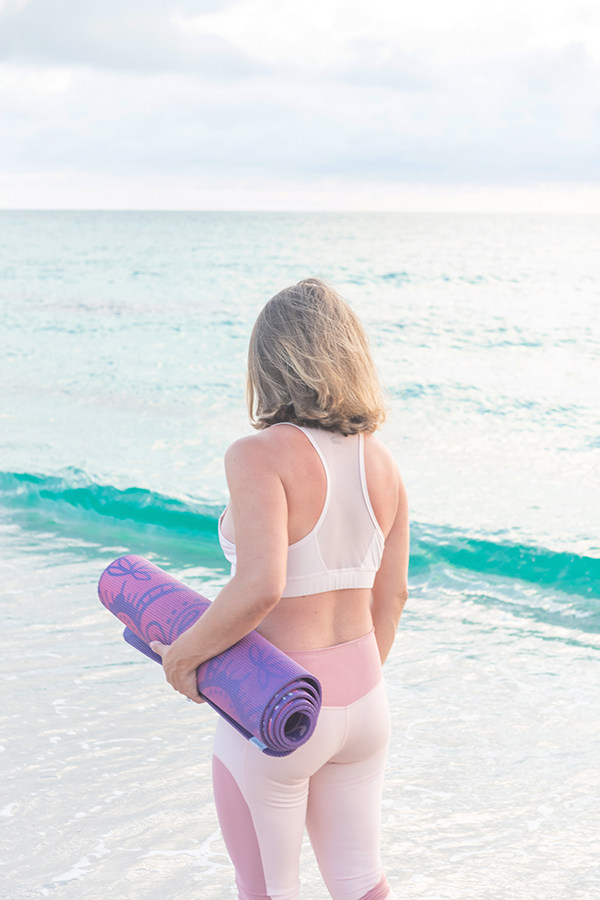
Yoga, running, and working out became consistent elements of my day, and they helped me navigate culture shock not only in the United States but now also while adjusting to life in Spain.
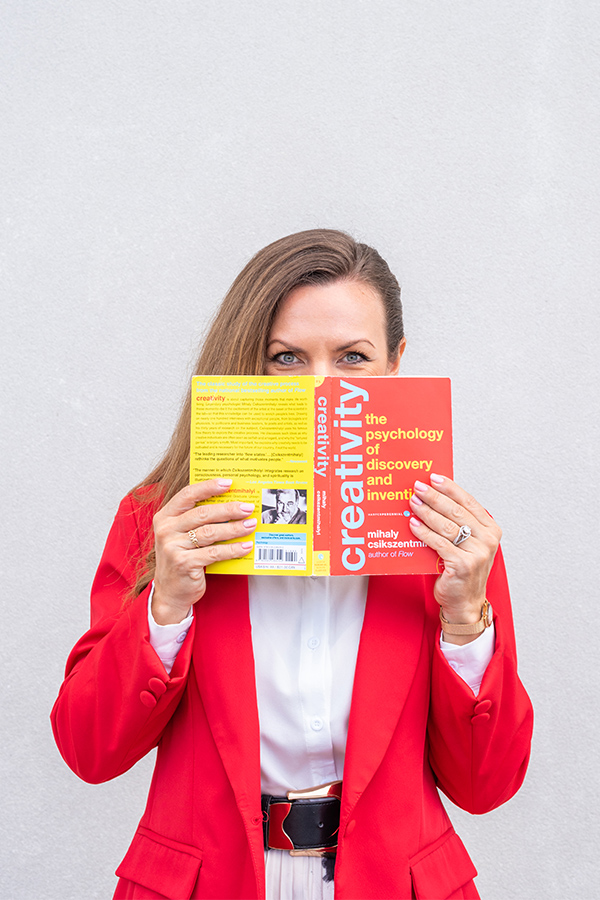
Having a familiar start to your day, either it is movement, reading( for example“The Women I Think About at Night: Traveling the Paths of My Heroes”), or even a specific breakfast, creates a sense of stability that carries into everything else, especially on days when everything else still feels new.
Familiar Activities
Think about what you enjoyed before your relocation to Spain or somewhere else: sports, art, writing, photography, reading, cooking, going to cafés, yoga, running, dancing, visiting museums, exploring nature, or even simple routines like journaling or taking long walks and continue doing those activities in your new environment.
The difference is that now they are shaped by a new setting, new light, new streets, and new cultural context, which makes them feel both familiar and inspiring at the same time. This combination of familiarity and novelty can feel like a breath of fresh air.
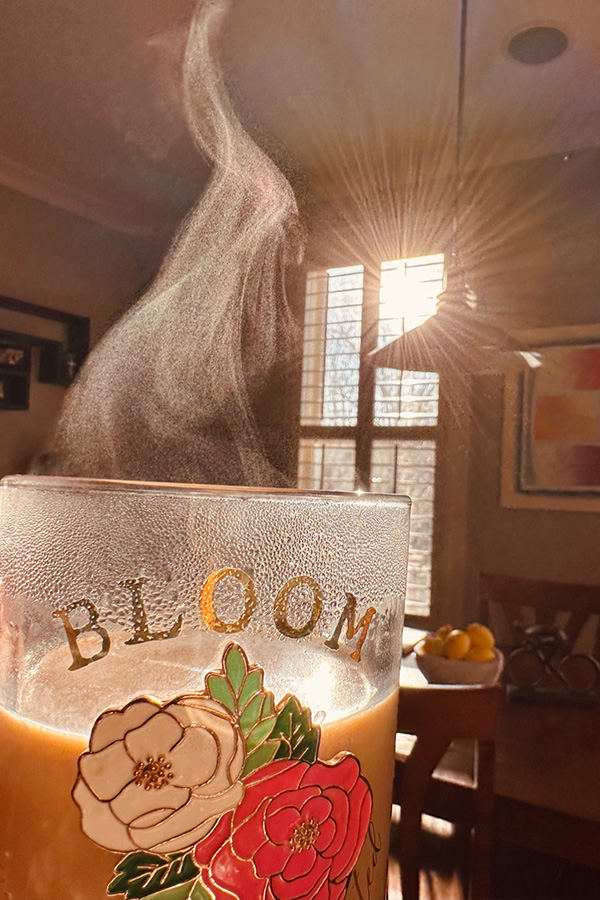
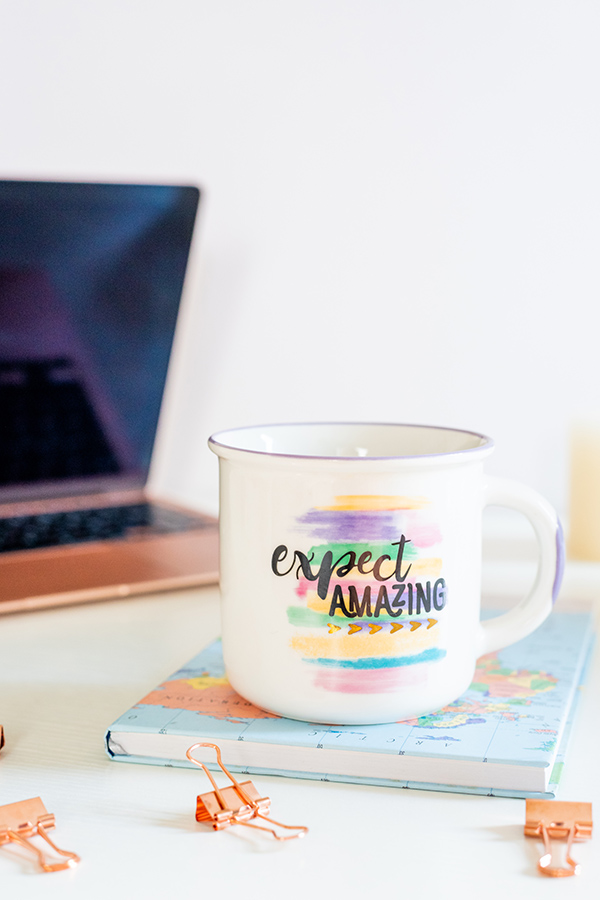
Sometimes, it’s even the smallest details that make a difference. Bringing something as simple as a collection of your favorite coffee mugs can help create that sense of familiarity. The mug you see in the photo below, I got it back in Cancún, and it’s still here with me in Spain. These little details may seem insignificant, but they quietly bring a sense of continuity, something recognizable in a new environment, and in many ways, they help you feel more balanced as you adjust to a new life abroad.
Movement and Repetition
Something as simple as walking the same routes can have a powerful effect.
If your home is within walking distance of grocery stores or cafés, try using the same paths regularly. Over time, these repeated movements create a sense of familiarity and orientation that helps you feel more grounded much faster.
You begin to recognize small details, the same buildings, the same rhythm of the street, familiar faces, and even people walking their dogs and what once felt unfamiliar slowly becomes more comfortable.
It also helps to return to a few “anchor places,” like a favorite café or park, and even go at similar times of day, allowing you to naturally understand the rhythm of your surroundings.
This is one of the simplest yet most effective ways to adjust to expat life.
Creative Outlet
Creativity becomes even more important when you are starting over in a new country.
Writing, photography, painting, music, dance, or any other creative activity allows you to process your experience in a personal and meaningful way. It can also help you connect with your new environment, discover local inspiration, and even meet like-minded people in your community.
Relocation, in many ways, gives you the opportunity to begin certain things from a blank page.
Why not allow yourself to explore something you have always wanted to do? Set aside even just 20–30 minutes a day to practice or experiment. It’s often these small, consistent creative moments that help you feel rooted, inspired, and more at home in your new life.
Language Exposure
Language is one of the most direct ways to connect with a new culture.
If you plan to relocate to Spain, practicing Spanish, even in small, everyday situations can make a big difference. Simple conversations in grocery stores, local fruit shops, or bakeries help you learn the language and also create moments of connection.
Even asking about a pastry in a local bakery can become the beginning of understanding food traditions and cultural nuances.
Connecting with the Expat Community
Finding the right balance between integrating into the local culture and connecting with an expat community can be very helpful, especially during the first year.
Meeting people who share your background can bring a sense of comfort, while building relationships locally helps you feel more integrated.
Relocation abroad is rarely just about changing places, it is about gradually building a new sense of belonging. And while culture shock is part of that process, it is also a sign that you are expanding, adapting, and learning.
You don’t overcome it all at once. You move through it, step by step, routine by routine, until one day, without realizing exactly when it happened, the unfamiliar begins to feel like part of your everyday life.
And that is when you know, you are no longer just visiting. You are living it.
All images in this article were taken by Elena Sullivan, ArsVie Photo Studio and are protected by copyright. If you are interested in using any of the them, please contact me for permission. Thank you for understanding!
Spain Relocation Quiz
Dreaming of living in Spain? Discover which part of the country fits your rhythm, values, and lifestyle.
Hi, there! I’m Elena Sullivan, a fine art photographer, and creative adventurer. My first joyful experimentation with a camera extended into a passionate relationship where harmony represents a constant flow of elegant devotion. I follow my intuition and curiosity in search of eternal connections in nature, then use my camera to reveal it and share it with you! Every of my photo is curated with love and artistic excellence.