It was a late December evening during our third week after moving to Spain when my husband and I were discussing places we needed to visit soon. Considering our current home is in Marbella, a trip to Málaga was an almost obvious choice.
So I started researching how to get there from Marbella and what to see. Since it was winter and a cloudy day, visiting a museum seemed like the perfect plan, warm, cozy, and a delightful way to spend a few hours indoors. Our first stop was the Picasso Museum, which I shared impressions and photos of in a previous article “What They Don’t Tell You About the Pablo Picasso Museum in Malaga”
During my brief research that evening, I stumbled upon a surprising fact that made me say, “Wow, how did I miss this?” Málaga’s history spans around 2,800 years, making it one of the oldest continuously inhabited cities in Europe and the world.
This realization made me reflect: What would it feel like living just an hour away from one of the world’s oldest cities? I didn’t know, but a quiet sense of admiration and curiosity washed over me. Imagine the stories, artifacts, and historical treasures scattered across the city, some on display, some still waiting to be discovered.
With so much history, it’s impossible to cover everything in a single blog post. However, here are some fascinating historical facts about Málaga that I found worth sharing.
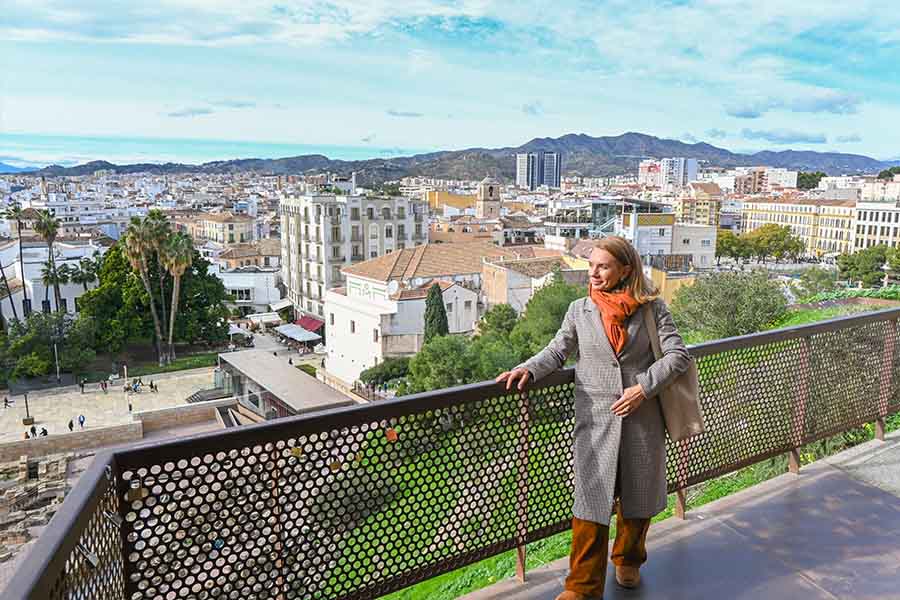
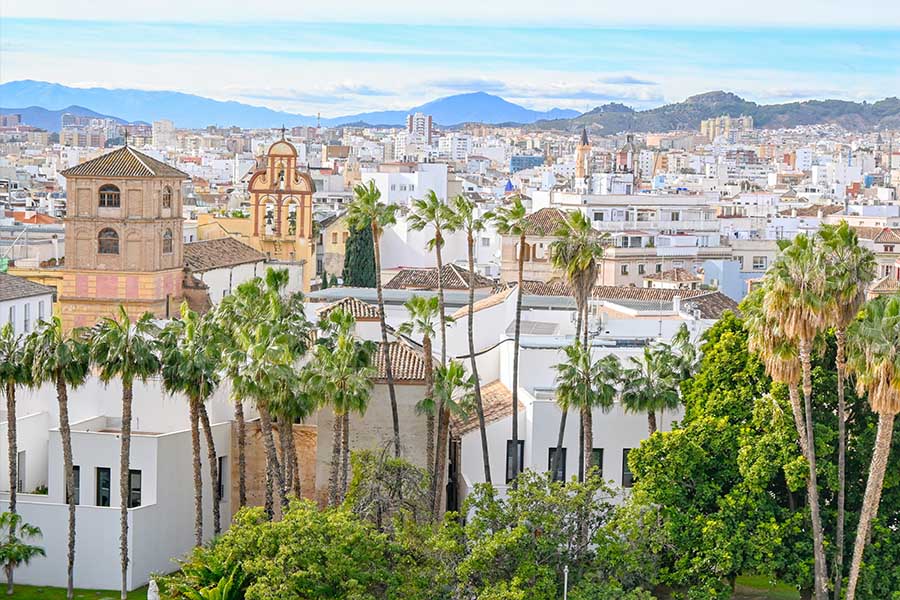
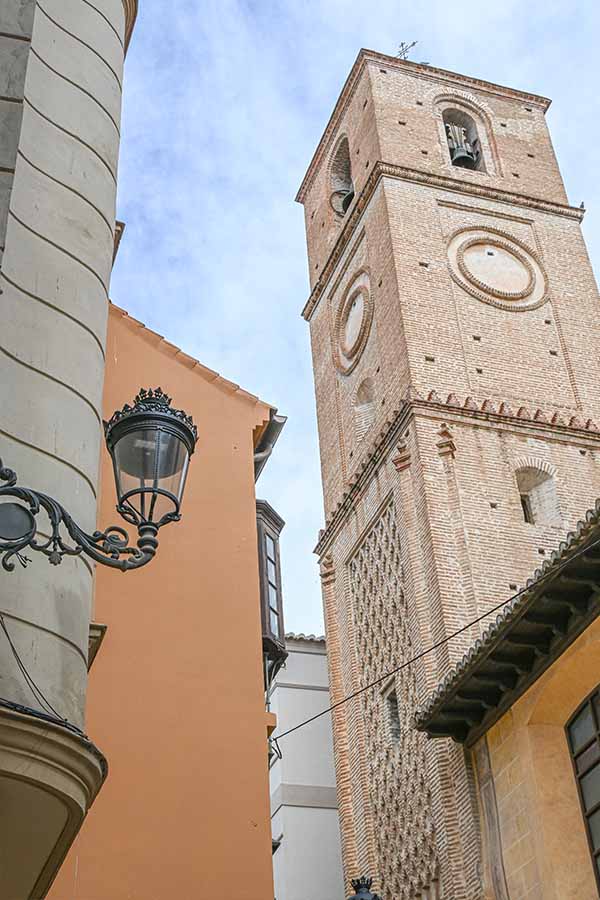
This panoramic view captures the city's unique spirit, where the sturdy, historic towers of its ancient churches stand in quiet conversation with the distant, rolling peaks of the Montes de Málaga.
5 Interesting Historical Facts About Málaga
Ancient Origins – Archaeological evidence shows humans lived in the area around 2,800 years ago, making Málaga one of Europe’s oldest continuously inhabited cities.
Phoenician Foundation – Phoenicians established Málaga as a trading port around 770 BC, long before Roman or Arab influence.
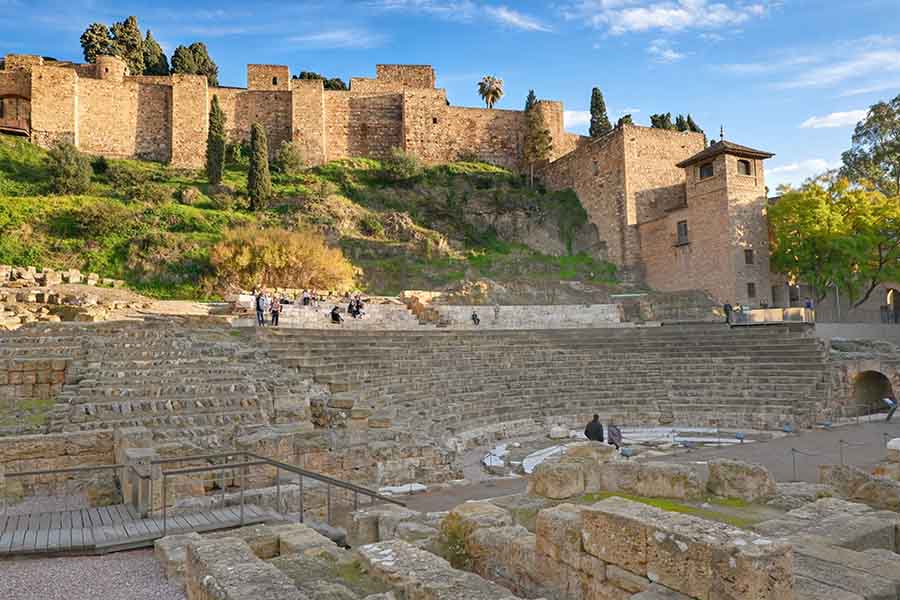
Roman Influence – Málaga was later incorporated into the Roman Empire, leaving behind theaters, mosaics, and roads still visible today.
Arab Rule – From 711 to 1487, Arabs shaped the city with fortifications, bathhouses, and irrigation systems.
Christian Conquest – The Catholic Monarchs took Málaga in 1487, leading to new constructions like churches, hospitals, and palaces, forming much of the historical center we see today.
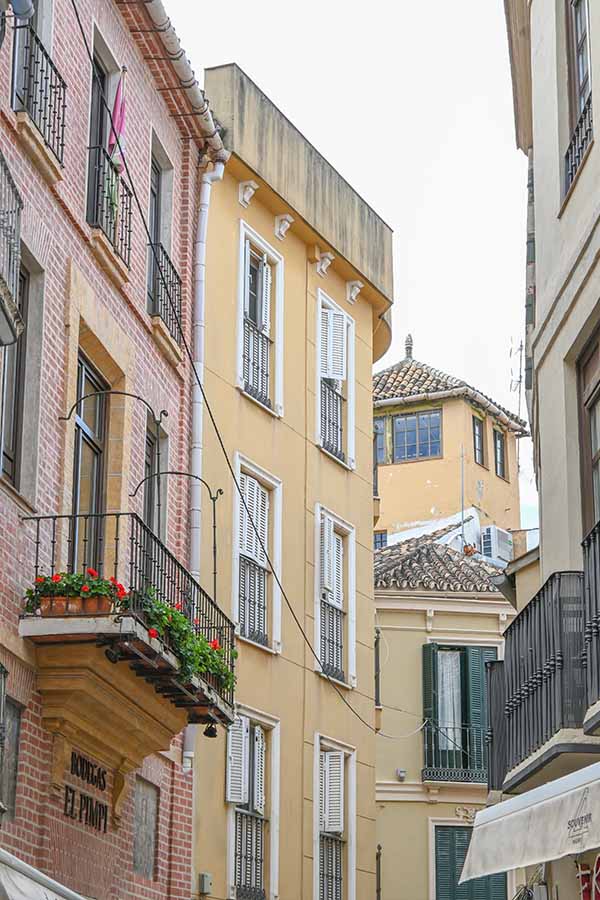
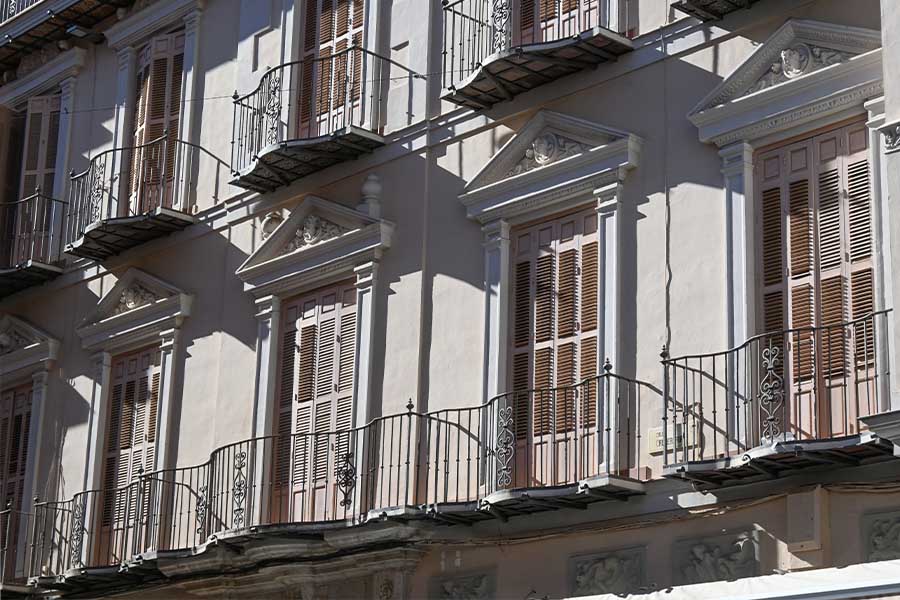
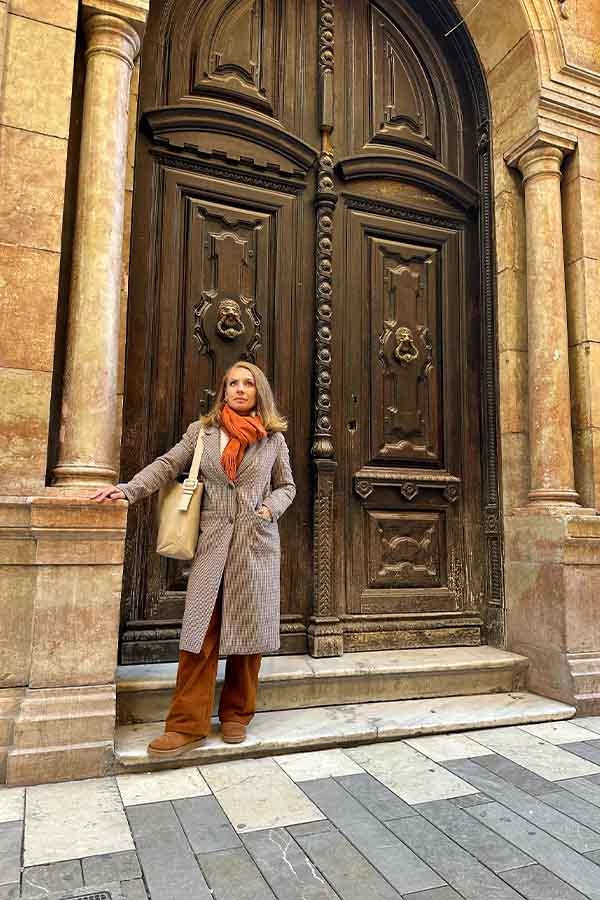
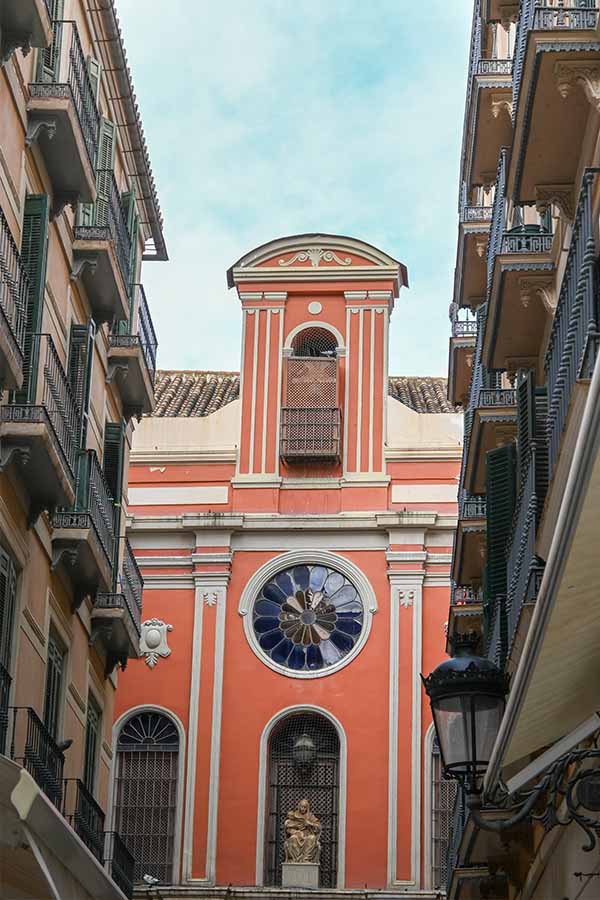
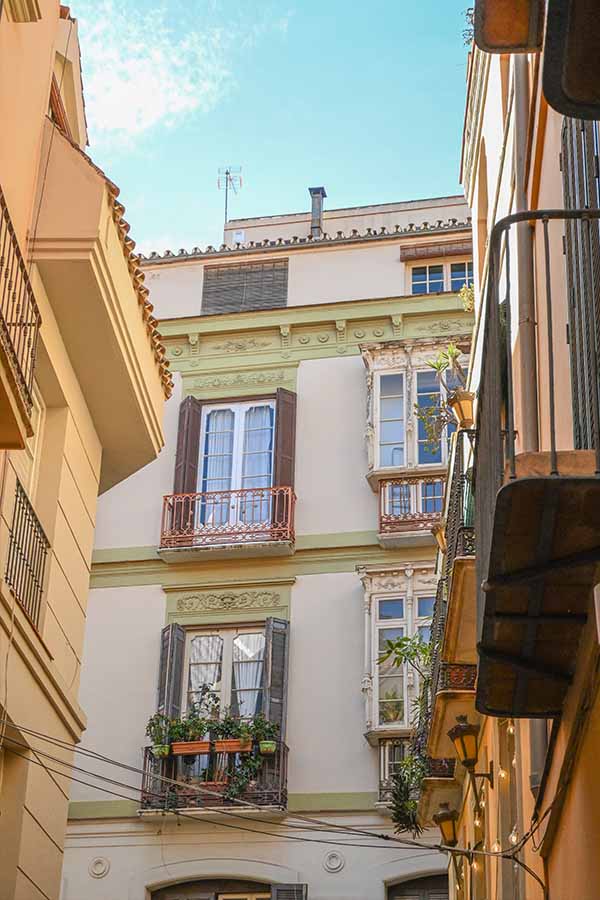
Málaga’s charm is found in its "layered" history, where every detail tells a story of cultural confluence. The city’s iconic wrought-iron balconies and grand wooden doors are beautiful and also functional masterpieces of Andalusian design, crafted to invite the sea breeze while providing a private stage for watching the streets below. From the sun-drenched textures of ancient plaster to the elegant, rounded facades of the 19th-century center, these small architectural moments transform the city into a living museum of Mediterranean style.
What to Visit in Malaga historic downtown on Your First Day Trip
Every city along the Costa del Sol coastline has its unique charm, and Málaga is no exception. Its historic downtown is a lively blend of ancient history and modern life, where narrow streets, bustling plazas, and colorful buildings reflect centuries of culture. As you wander, you’ll notice traces of the city’s rich past, from Roman ruins and Moorish fortresses to Renaissance architecture and charming courtyards.
Walking through these streets, it’s easy to get lost in the atmosphere, but take the time to look closer at the details. Sculptures, fountains, and monuments are often tucked into corners or hidden among trees, quietly telling stories of the city’s history, famous figures, and local traditions. Taking a moment to stop and read the plaques can reveal fascinating insights and deepen your appreciation of Málaga.
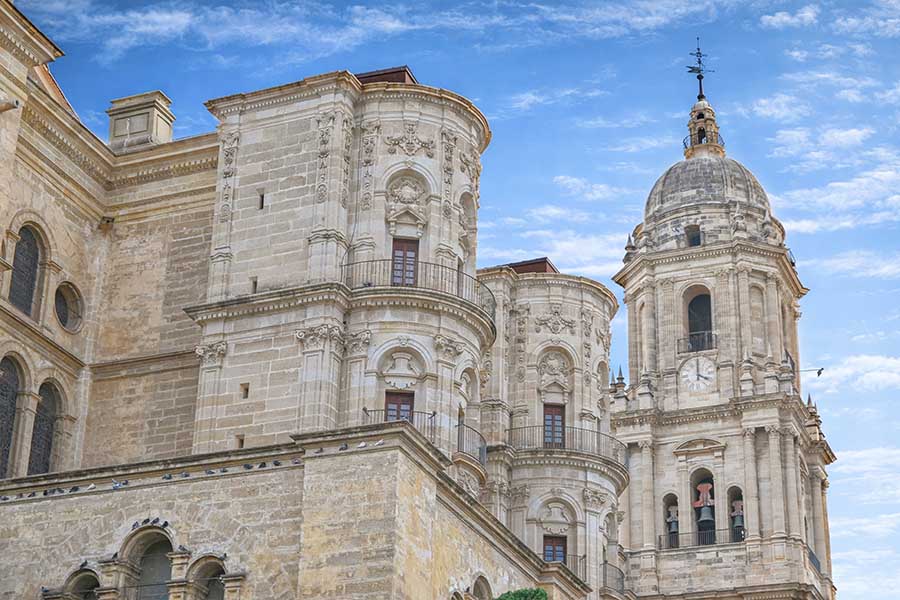
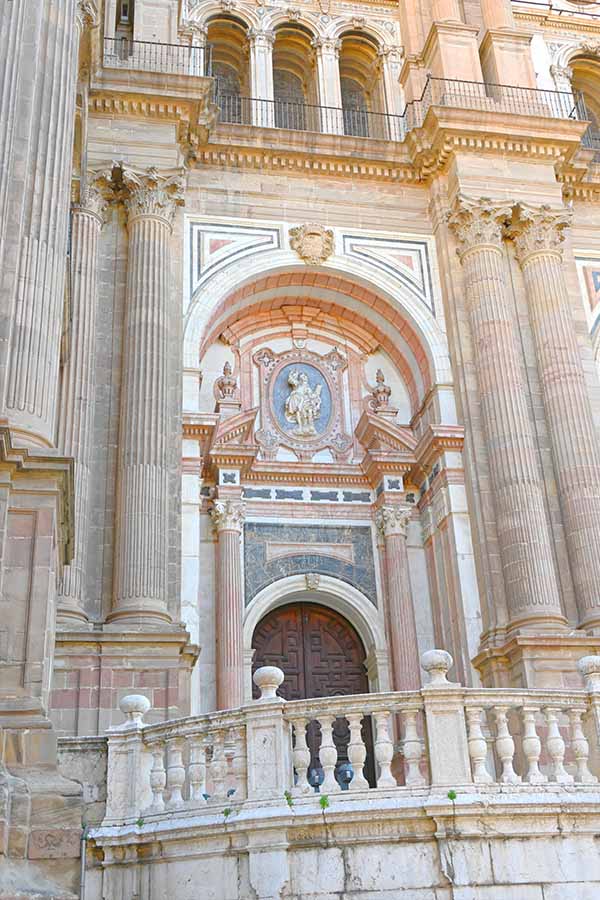
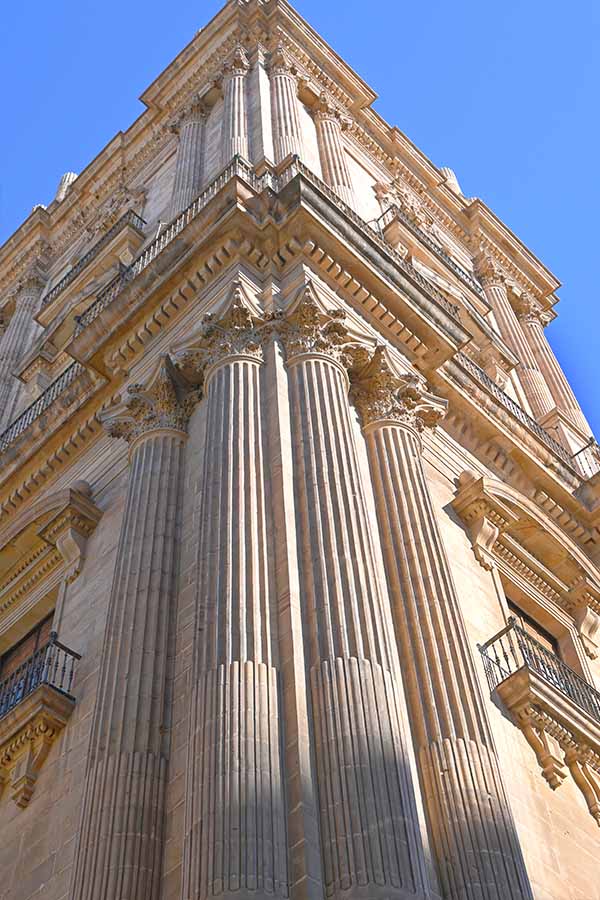
Málaga Cathedral is officially known as the Catedral de la Encarnación. It is most famous for its nickname, "La Manquita" (the One-Armed Lady), because its south tower was never finished due to a lack of funds during its 250-year construction. A unique blend of Gothic, Renaissance, and Baroque styles, the cathedral was built on the site of a former mosque starting in 1528.
Must-See Places in Downtown Málaga
Before exploring sculptures, here are some key landmarks you shouldn’t miss:
Alcazaba – A Moorish fortress dating back to the 11th century, offering stunning views of the city.
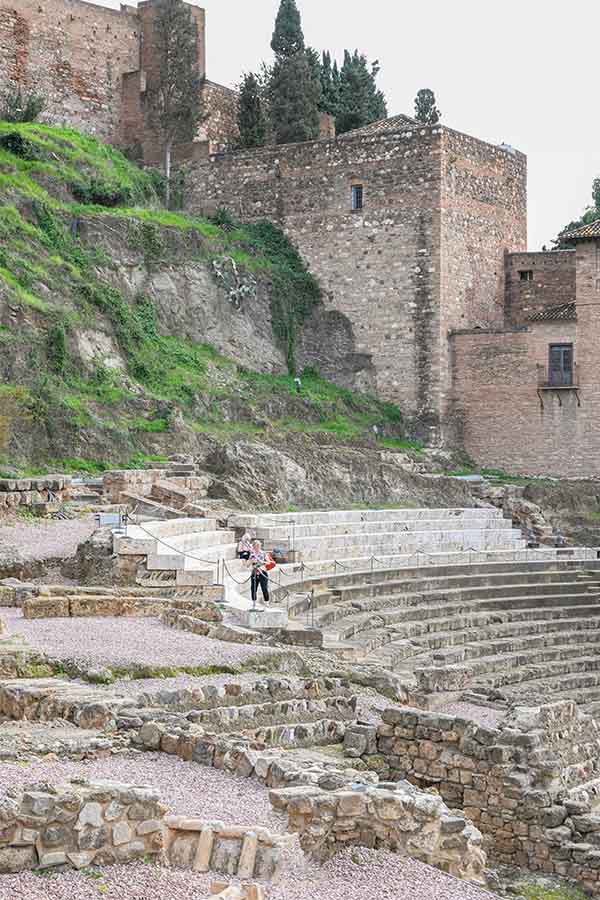
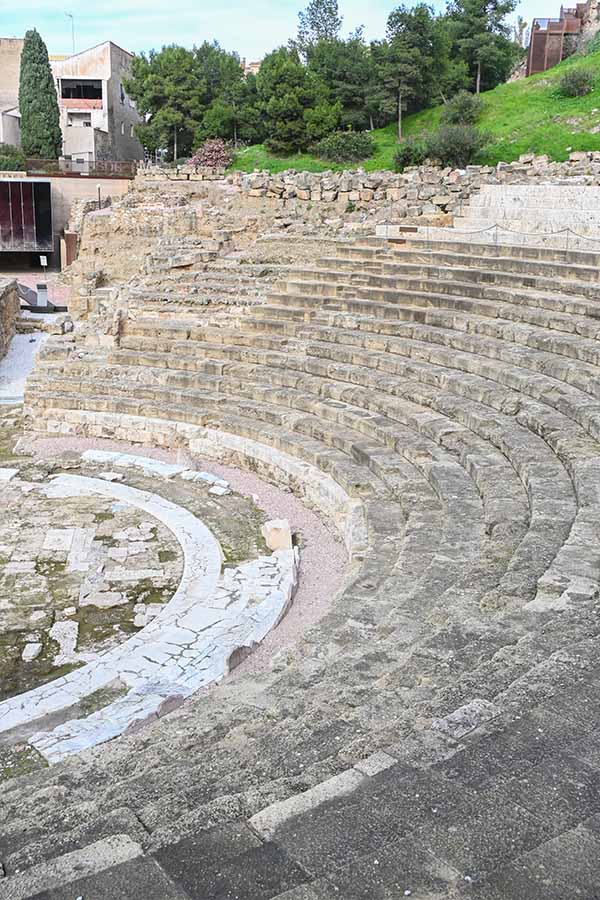
Roman Theatre – Located at the foot of the Alcazaba, a well-preserved reminder of Málaga’s Roman past.
Málaga Cathedral (La Manquita) – Known for its unfinished south tower, this Renaissance-Baroque cathedral is an architectural gem.
Plaza de la Merced – A lively square where Picasso was born; now home to cafés and local culture.
Castillo de Gibralfaro – A hilltop castle connected to the Alcazaba, perfect for panoramic views of Málaga and the coast.
Calle Larios – The city’s main shopping street, famous for its elegant architecture and vibrant atmosphere.
The Roman Theatre is Málaga’s oldest monument, dating back to the 1st century BC during the reign of Augustus. Located at the foot of the Alcazaba fortress, it remained hidden for centuries until its rediscovery in 1951.
Sculpture Highlights
Once you’ve taken in the main sights, don’t overlook the many monuments and sculptures scattered through downtown, such as:
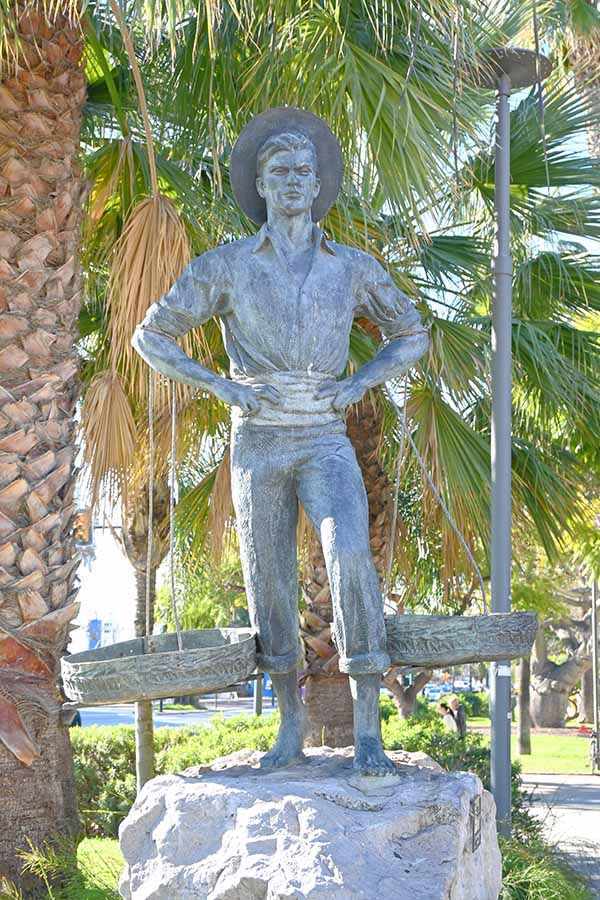
El Cenachero Monument – was sculpted by Jaime Fernández Pimentel in 1968. The sculpture pays tribute to the cenacheros, traditional fish vendors who once walked Málaga’s streets carrying two baskets of fresh fish (cenachos) suspended from a pole over their shoulder. The figure captures everyday life in the city before refrigeration, when fishermen and street vendors played a central role in feeding Málaga and shaping its maritime identity.
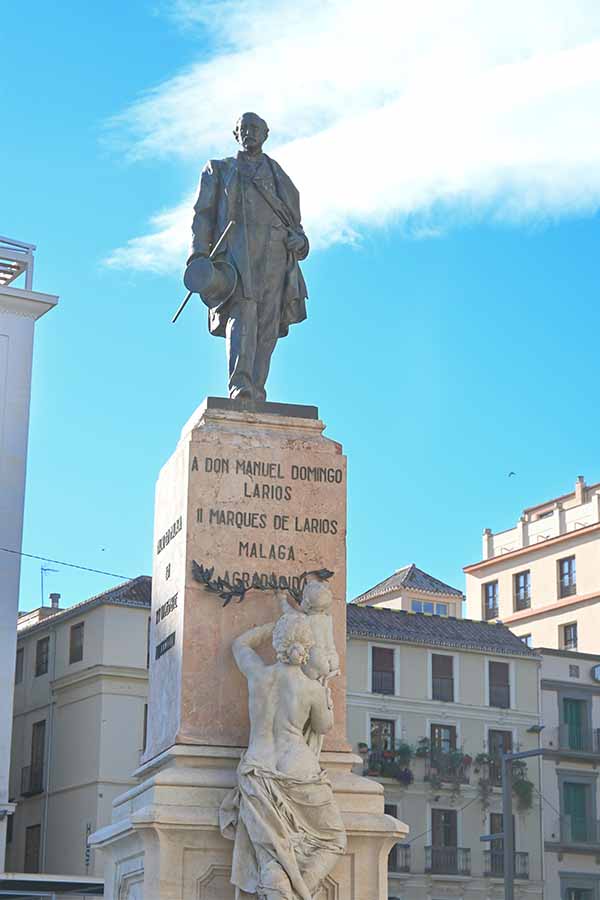
Monument to the Marquis of Larios – honors the businessman who transformed Málaga’s urban center. The bronze sculpture by Mariano Benlliure features the Marquis atop a marble pedestal, flanked by two symbolic figures: a man representing Labor and a woman symbolizing Charity.
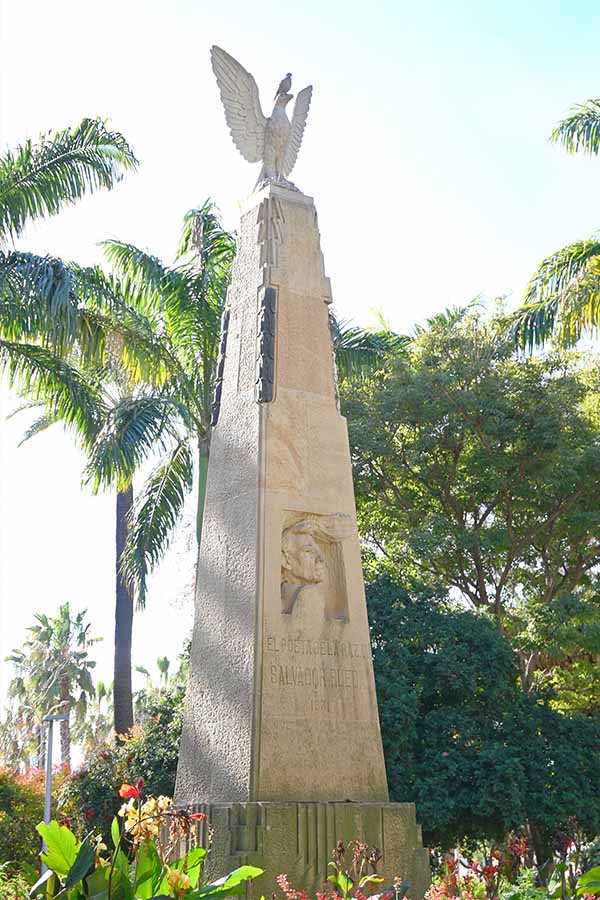
Salvador Rueda Monument – Honoring the poet and journalist, designed by José María de Azcue.
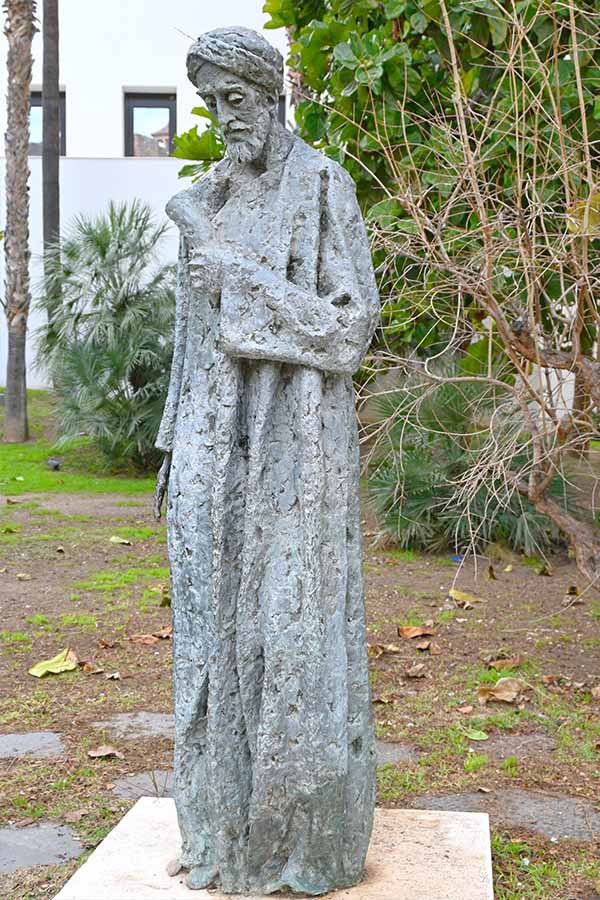
Solomon ibn Gabirol Sculpture – Tribute to the famous philosopher, created by American sculptor Hamilton Reed Armstrong.
I’ll keep adding to this list as I go exploring more of Malaga city.
Monument to the Marquis of Larios
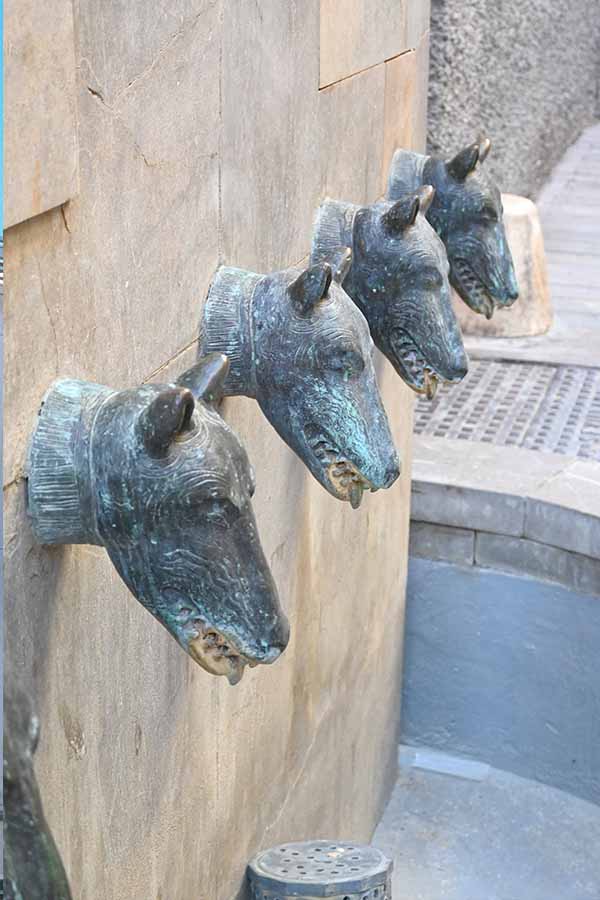
El Baño de Diana Fountain
the back side of El Baño de Diana
El Cenachero Monument
Solomon ibn Gabirol Sculpture
Salvador Rueda Monument
Spanish Food Exploration in Málaga
Food is one of the ways I connect with a place, and Spanish cuisine makes that especially easy. While I sometimes wish I could dedicate a whole week to tapas bars and pastry shops, I keep things balanced by cooking at home. Every visit to Málaga still brings a chance to taste something new and experience the city through its flavors. Here are some of my favorite spots in the historic downtown:
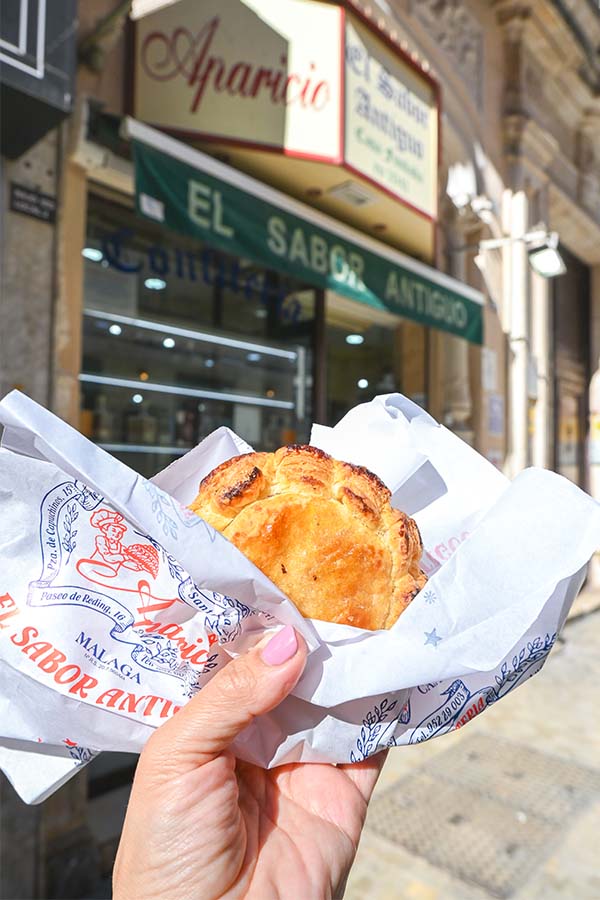
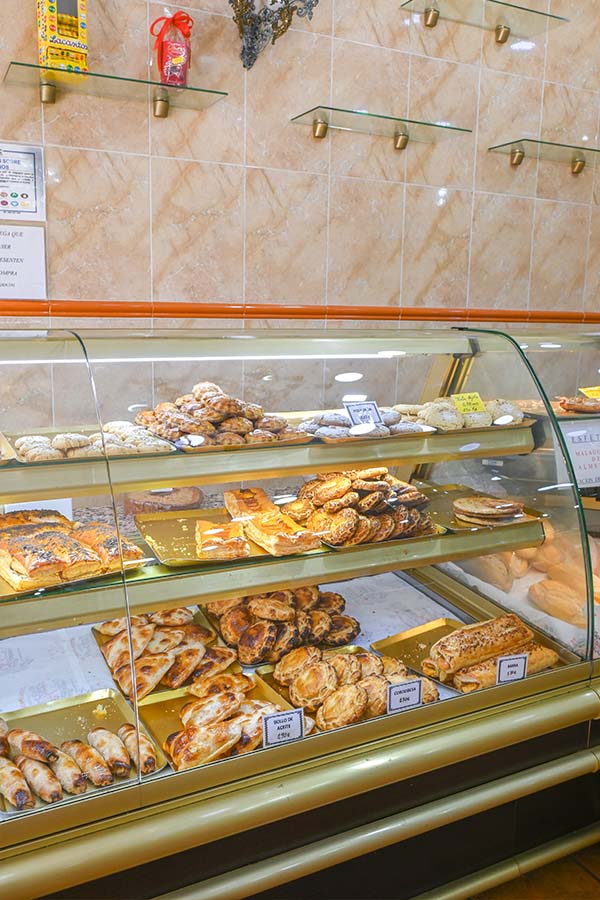
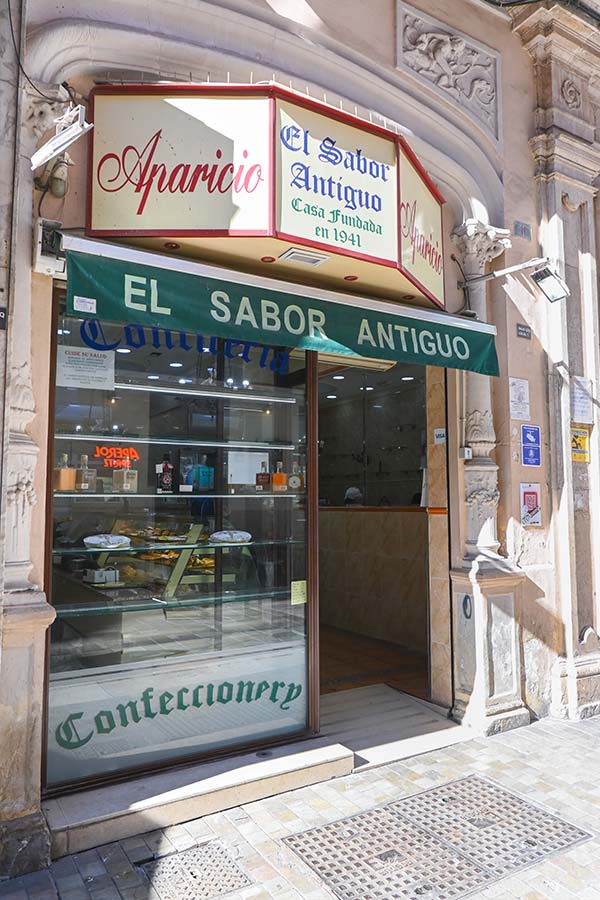
Aparicio – Founded in 1941 by Ildefonso Aparicio in the charming Plaza de Capuchinos, this iconic Málaga pastry shop is one of the city’s most beloved culinary favorites. It began as a small 30 m² storefront with an old oven, and over the decades it has grown into a local favorite with multiple locations. During my visit, I tried the Cordobesa, a soft pastry with a delicate jelly-like filling, and it was delicious. Aparicio is also renowned for its torrijas, especially during Semana Santa, when locals flock to try this traditional sweet made with vino moscatel. Beyond that, it offers a wide variety of classic Spanish pastries.
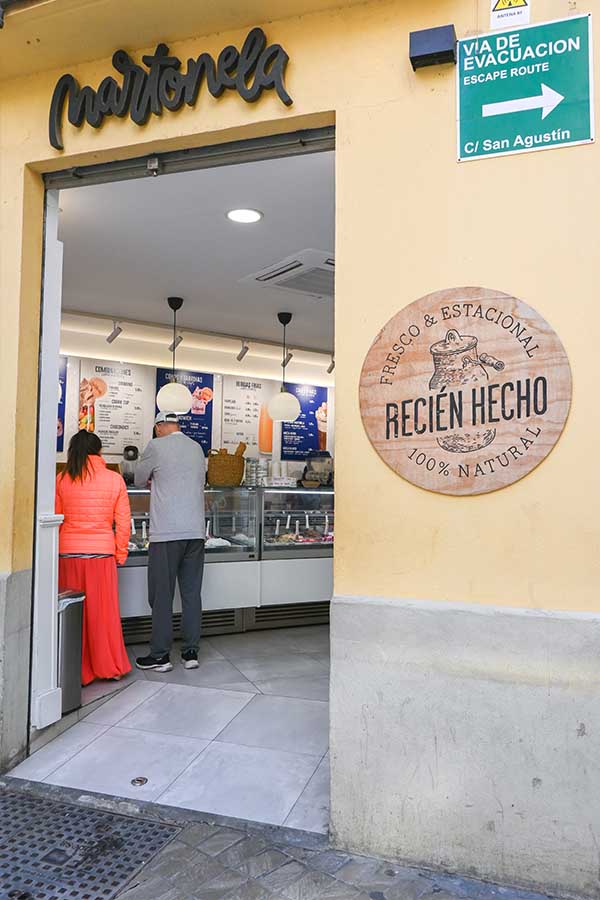
Martonela Ice Cream – Artisan ice cream with a wide variety of flavors. On hot days, I always go for their refreshing sorbets, which are perfect for a sweet, cooling treat.
El Pimpi – An iconic restaurant set in a historic building, offering both delicious food and a charming atmosphere. Even if you don’t eat here, it’s worth stopping by to admire the architecture and decor.
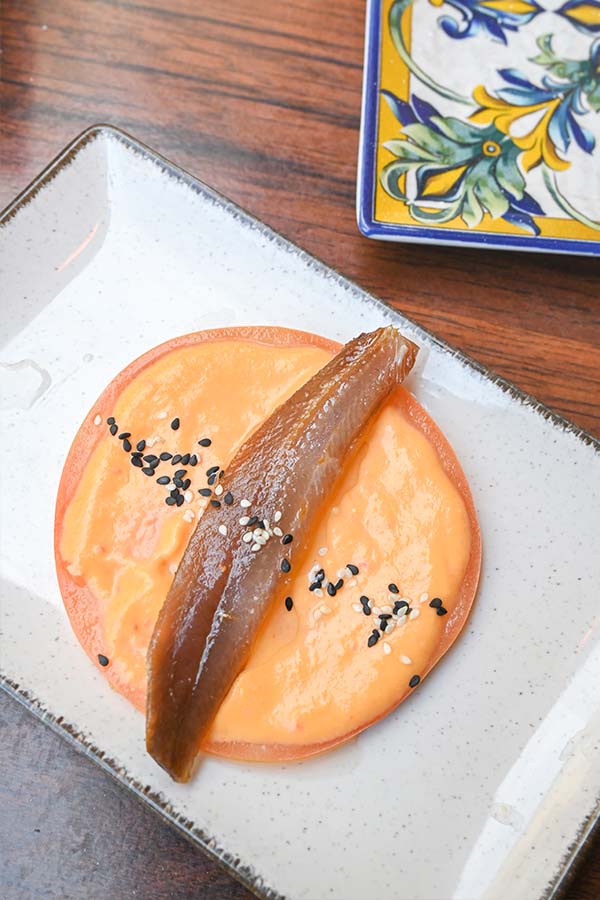
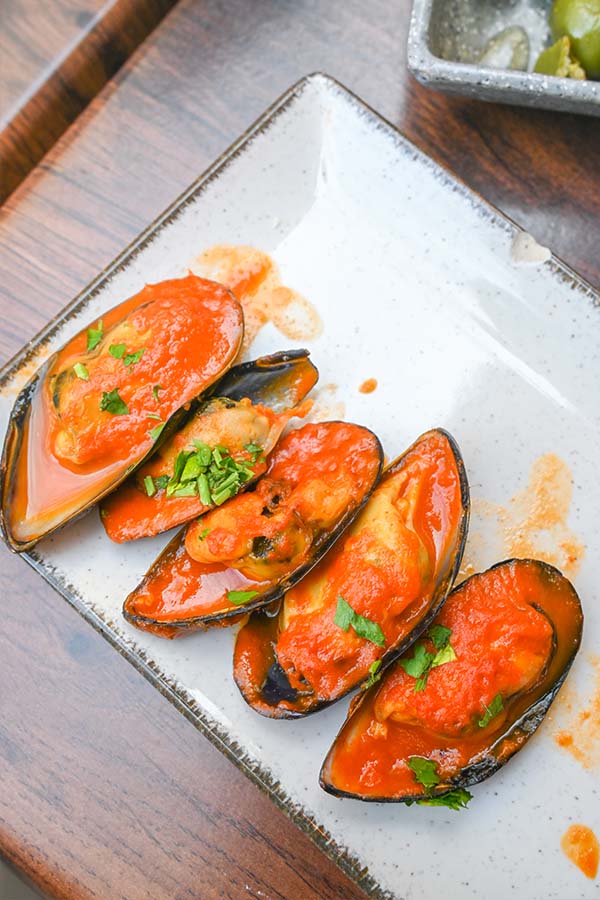
Esquina Granada Tapas Bar – A cozy spot for classic Spanish tapas. I tried the Mejillones a la Marinera, a house specialty with a delightfully spicy sauce, and Sardina sobre Tomate Fresco, which was flavorful though slightly firm for my taste. Paired with a glass of Rioja Graciante red wine, it was a enjoyable meal, and the friendly service made it even better.
Café de L’Abuela – Perfect for breakfast. I recommend trying the tortilla española, a comforting and traditional start to the day.
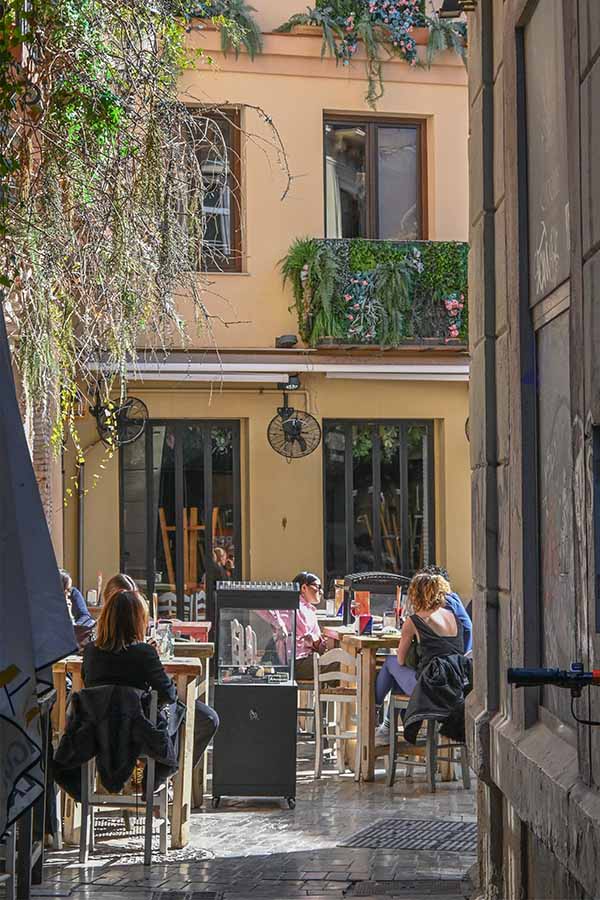
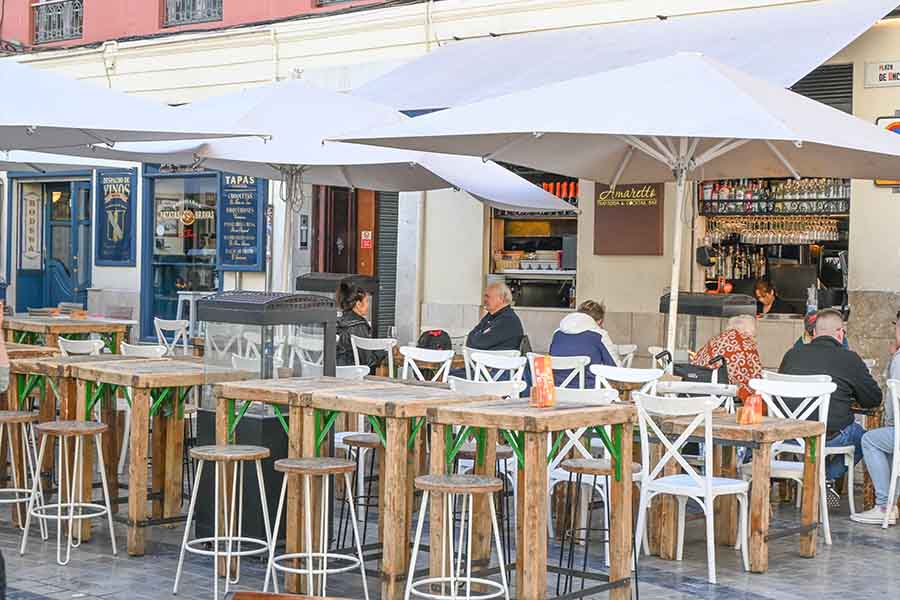
Los Marangós Molina Lario – This charming spot serves fresh tapas and other Spanish dishes. On a sunny day after visiting the Picasso Museum, we sat outside and enjoyed boquerones and croquetas. The relaxed atmosphere and attentive service made it a perfect afternoon stop.
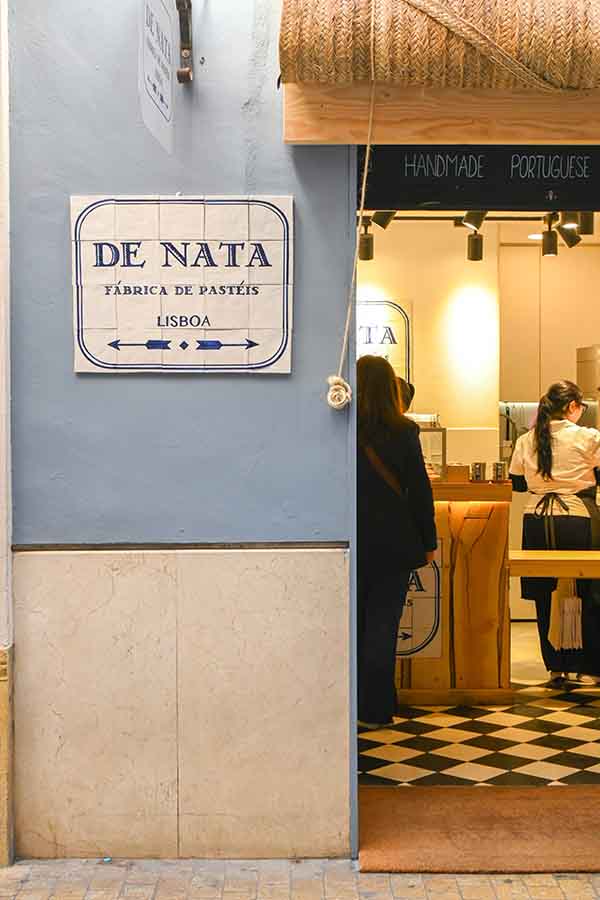
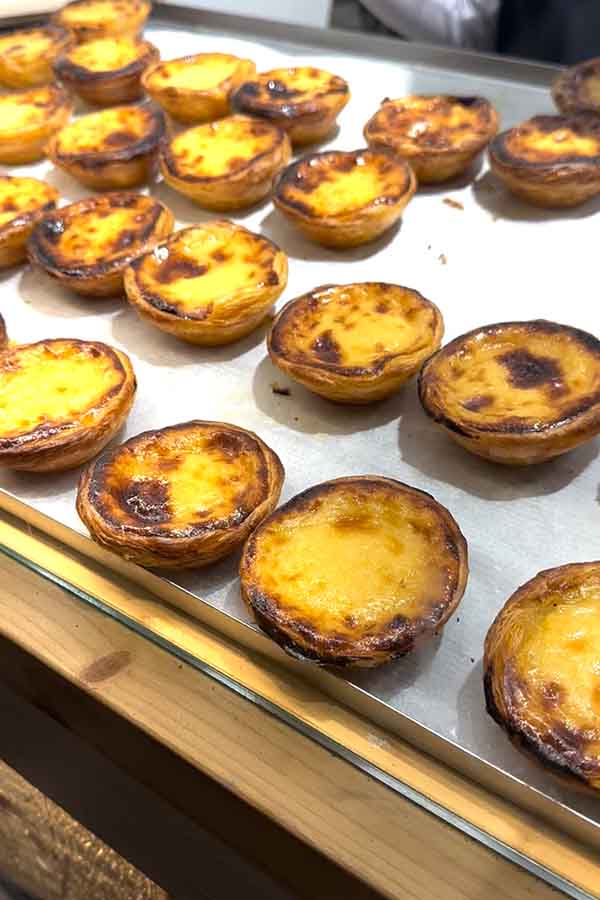
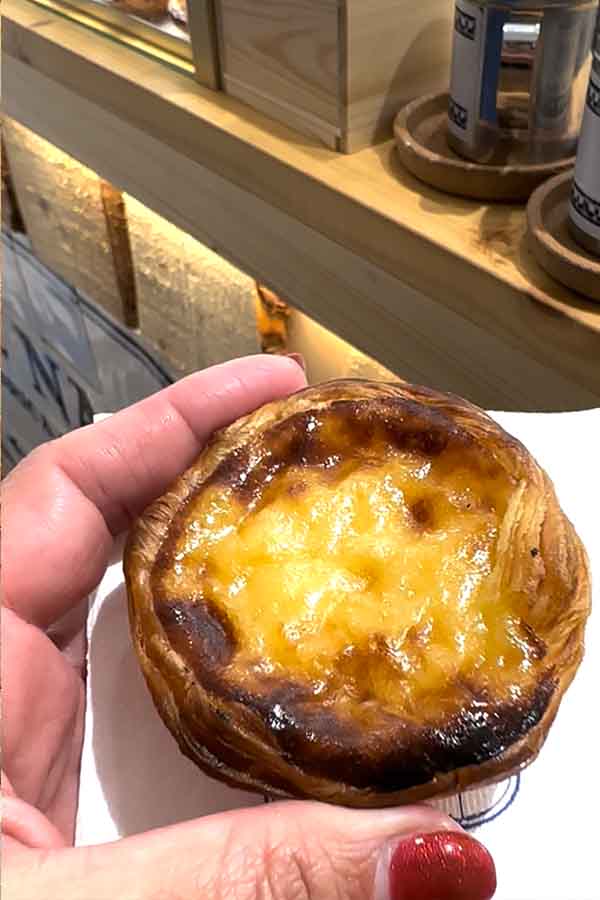
De Nata – A tiny pastry shop offering freshly made pasteles de nata. The smell of freshly baked pastries fills the store, and the delicate flavor is unforgettable.
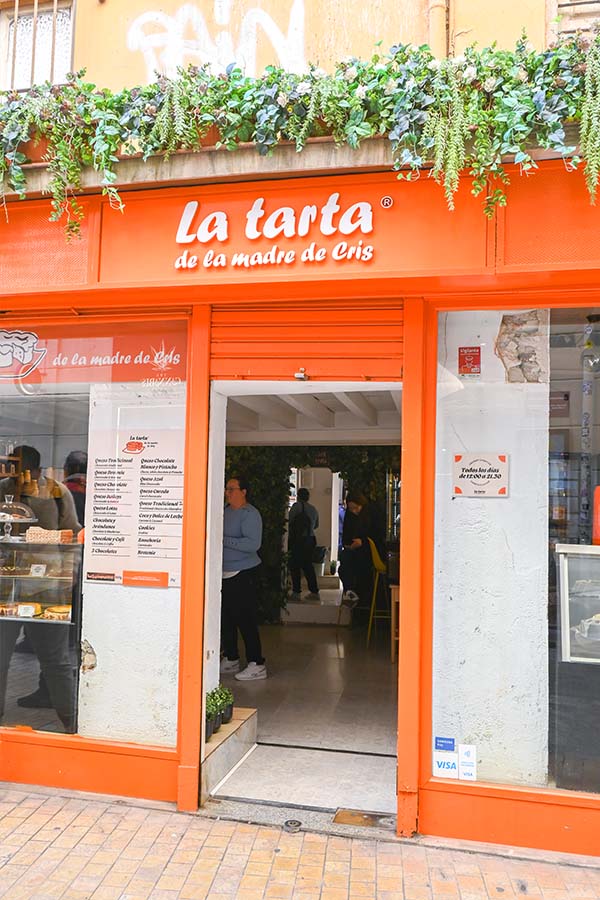
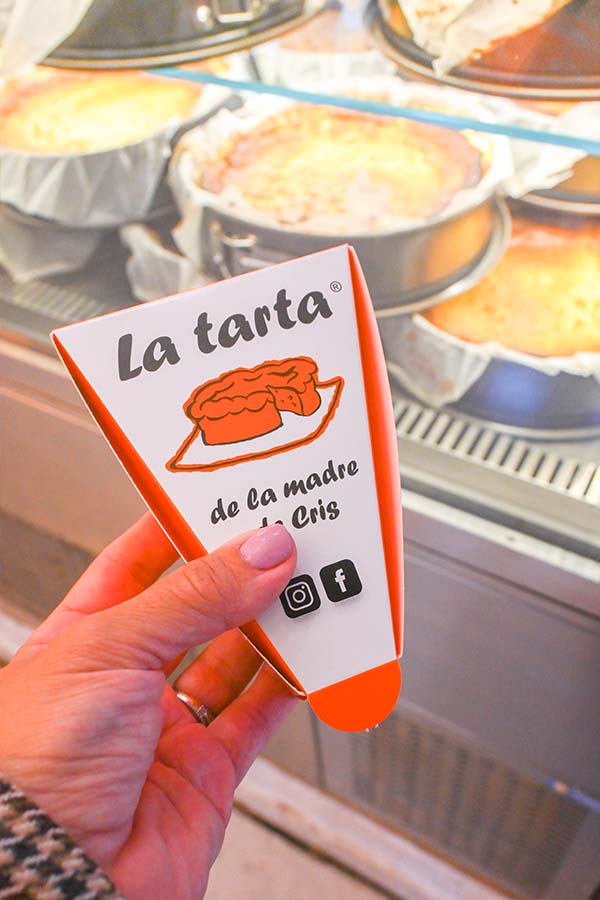
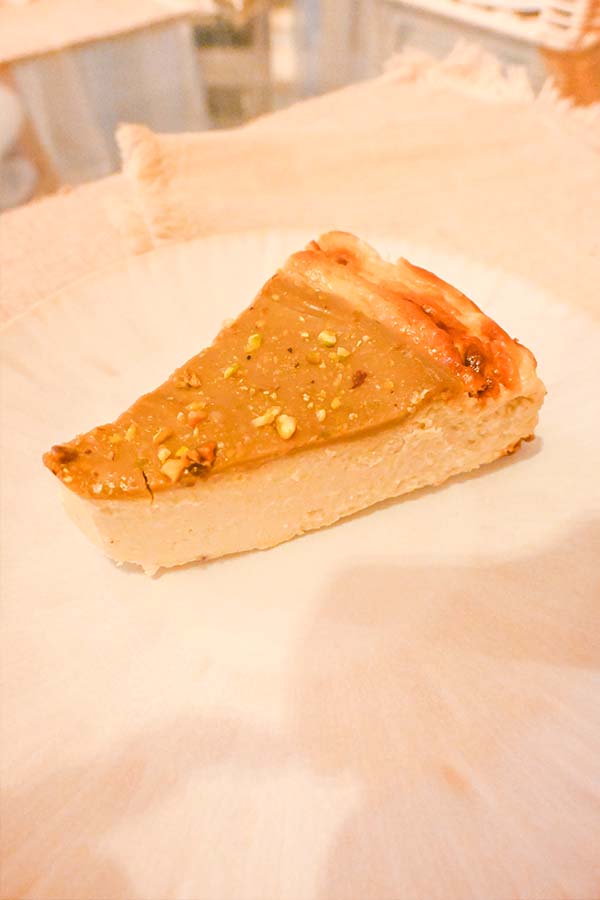
La Tarta de la Madre de Cris – Yummmy! Their cheesecakes are absolutely irresistible. I took a slice to go and at home after trying it, regretted not taking more, it was that good!
Walking through Málaga’s downtown for the first time felt like peeking through a keyhole into something vast, rich, and vibrant. Having lived in a big city before, I know that the more you explore, the more it expands, each walk revealing new streets, hidden corners, and new reasons to return. Even on a short visit, Málaga quickly shows that it’s impossible to take it all in at once.
That’s why, rather than trying to see everything, it’s better to slow down and focus on just one district. Take your time, sit at a café, wander without a strict plan, and notice the small details. Málaga isn’t a city to rush through, it’s a city that rewards those who let it unfold gradually.
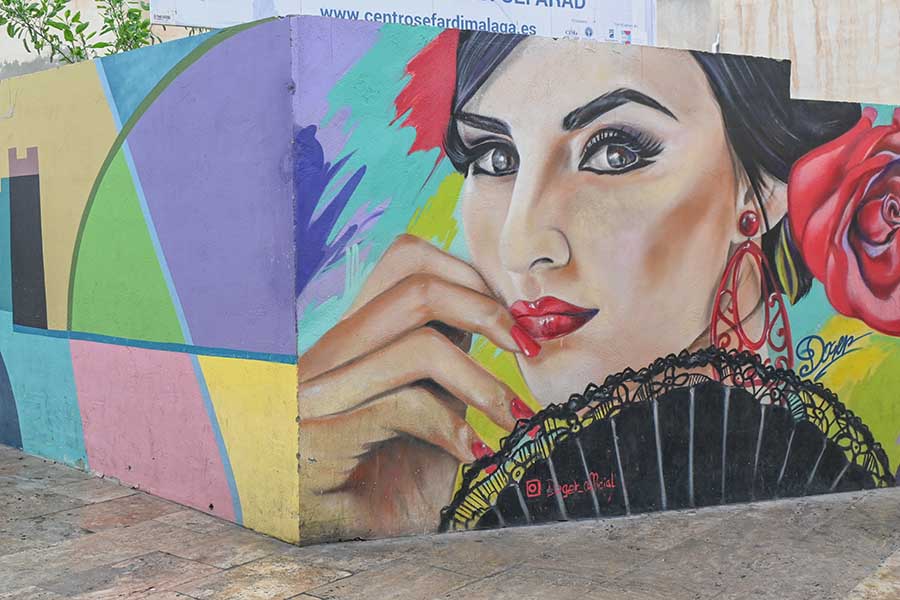
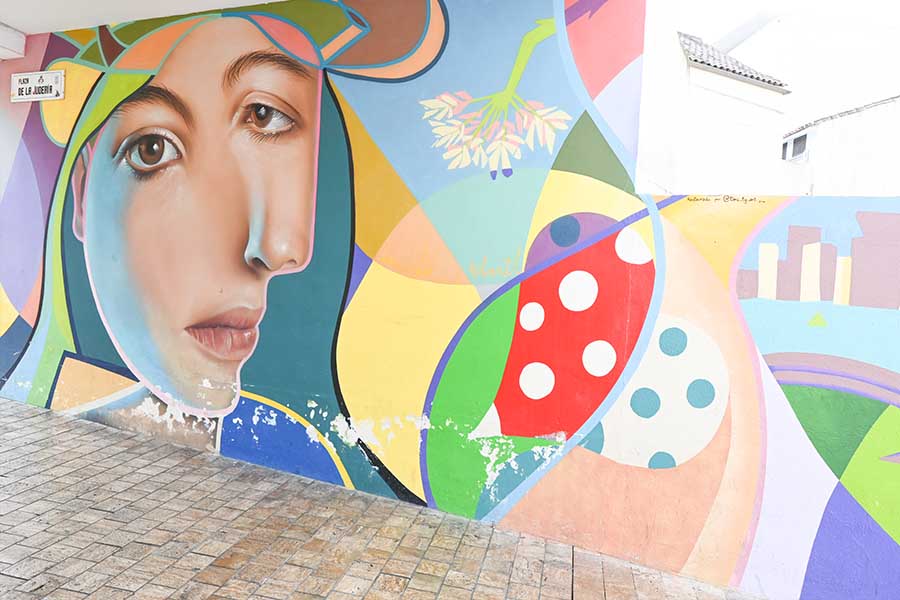
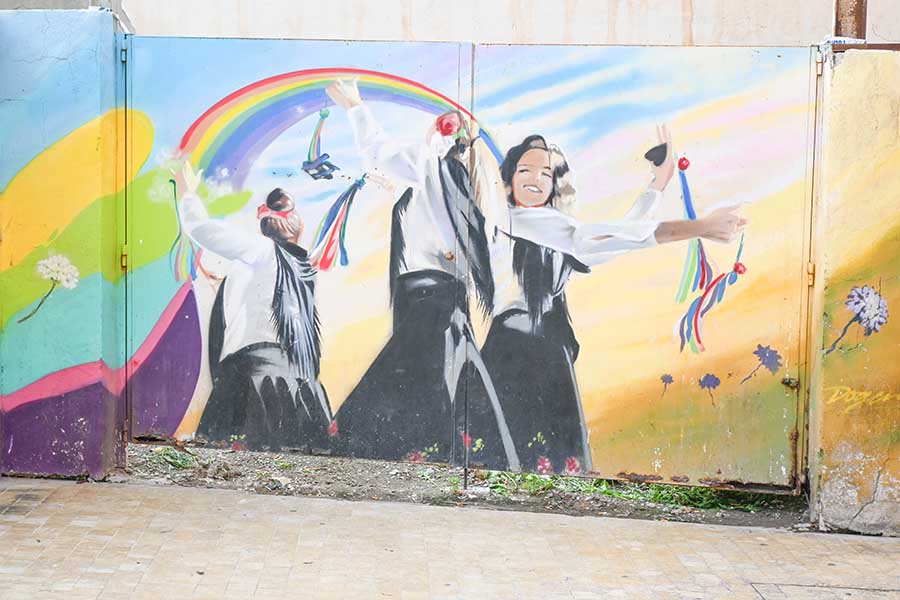
"La Flamenca de El Pimpi" by Jonathan Morillas. These murals are located Plaza de la Judería in Málaga's historic center.
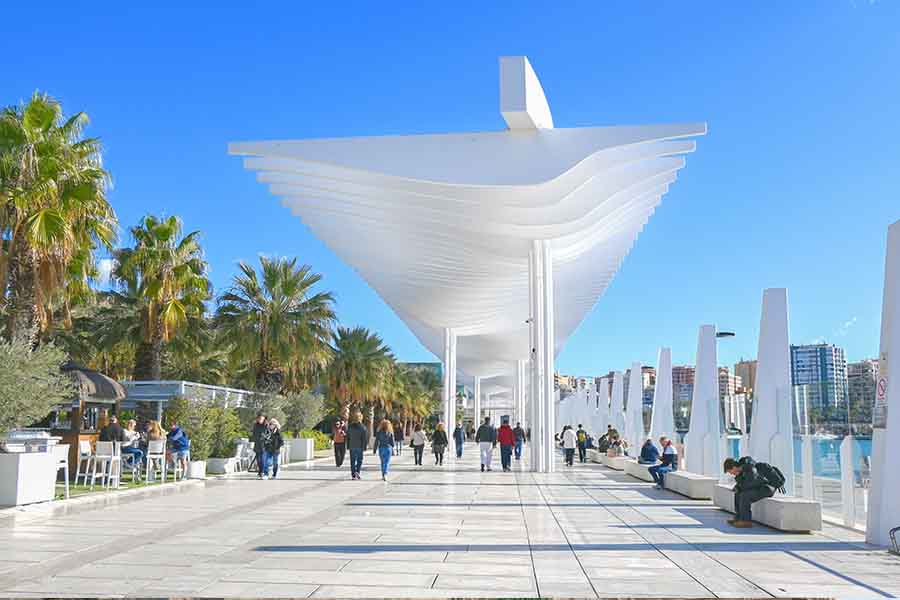
Málaga’s Muelle Dos is home to one of the city’s most striking modern landmarks: the Pergola. This massive, wave-like white structure stretches along the waterfront, designed by Junquera Arquitectos to mimic the movement of the Mediterranean Sea. It serves as the centerpiece of El Palmeral de las Sorpresas (The Palm Grove of Surprises), a sleek promenade filled with over 400 palm trees, fountains, and hidden gardens.
All images in this article were taken by Elena Sullivan, ArsVie Photo Studio and are protected by copyright. If you are interested in using any of the them, please contact me for permission. Thank you for understanding!
Spain Relocation Quiz
Dreaming of living in Spain? Discover which part of the country fits your rhythm, values, and lifestyle.
Hi, there! I’m Elena Sullivan, a fine art photographer, and creative adventurer. My first joyful experimentation with a camera extended into a passionate relationship where harmony represents a constant flow of elegant devotion. I follow my intuition and curiosity in search of eternal connections in nature, then use my camera to reveal it and share it with you! Every of my photo is curated with love and artistic excellence.