• Home
  • About
  • Exhibitions
  • Shop
  • Gallery
  • Publications
  • Speaking
  • Blog
    • Main Blog Page
    • Interior Design
    • Style & Beauty
    • Art & Entertainment
    • Nostalgic & Vintage
    • Travel
    • Museums & Galleries
    • Food & Dining
    • Personal Stories
    • Guest Post
  • Contact
0

Fine Art photography, fine art photo prints, canvas, wall art, macro photography, Spain

“

“Happiness held is the seed; Happiness shared is the flower.”

– John Harrigan

Macro Photography

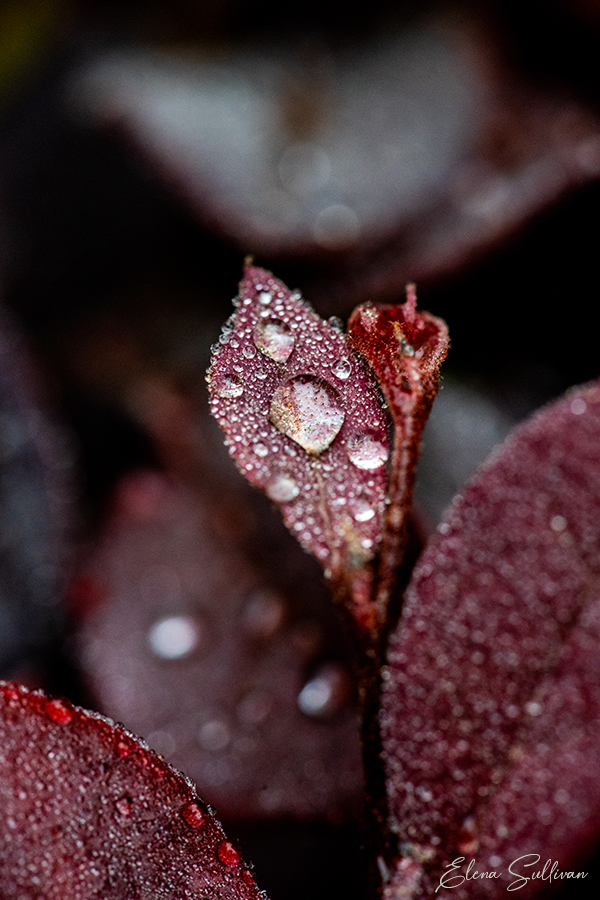
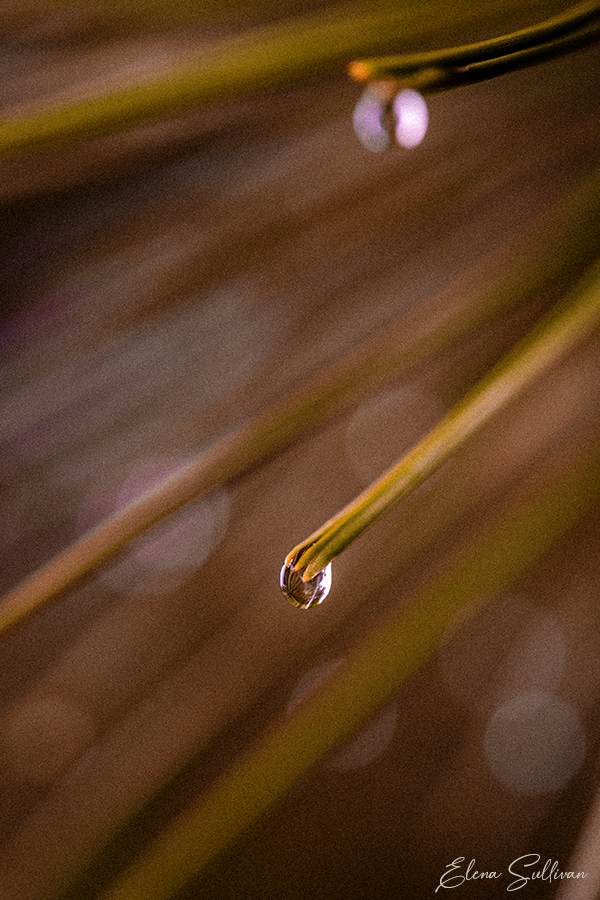
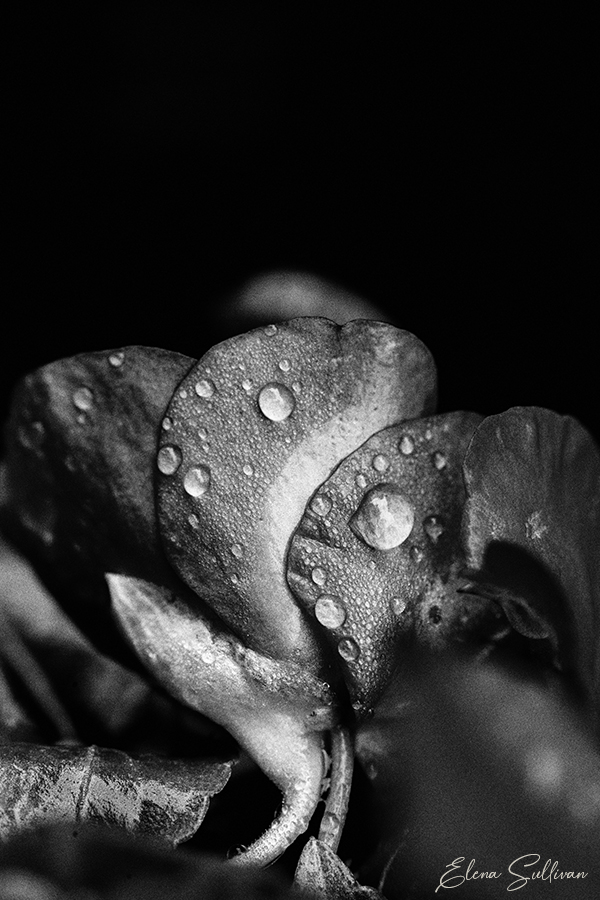
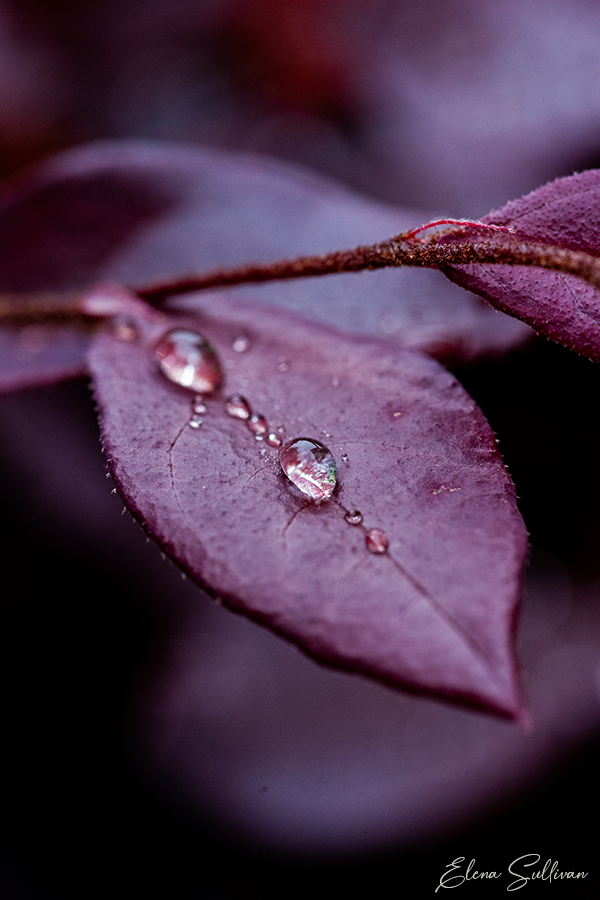
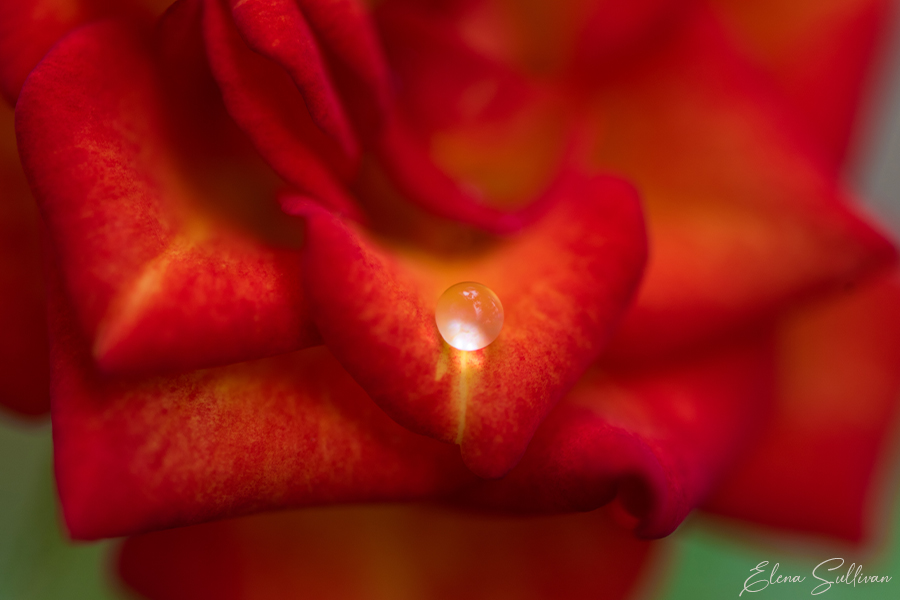
Macro photography makes me curious and eager to explore the tiny world of big ideas. It allows me to take small details and turn them into something large and impactful, displayed on fine art photo prints or canvases.

What I appreciate most about macro photography is how it gently pushes me to notice the unique details in nature that are often right in front of us but easy to miss when we’re rushing through life.

Over time, I’ve developed an ability to find these tiny forms and interesting connections in nature. Although working with a macro lens can be challenging, the satisfaction of capturing these hidden gems makes the effort incredibly rewarding.

Each macro photo becomes a window into a world that many may never have seen, inviting viewers to pause and appreciate the beauty in the small things.
macro photos nature Elena Sullivan photography
macro photography rose flower
macro drops on leaf photo

macro droplets on the camomille
fine art black and white rain drops
macro pink photos

macro photography flower
red flower macro photos Elena Sullivan
macro flower photos

macro photography elena Sullivan
macro photos flower
macro drops photos

tropical nature macro photography
camomille photo droplet water
droplets water on red flower

fine art images by Elena Sullivan
fine art macro photographer Elena Sullivan
fine art macro photos nature Elena Sullivan

fine art nature photography Elena Sullivan
fine art nature photos Elena Sullivan
fine art photography by Elena Sullivan

fine art photography Elena Sullivan Atlanta
fine art photography Elena Sullivan
macro photography rain drops

drops of water fine art photography elena sullivan
macro photography rain drops prints

super macro droplets photos
flower macro photography
black white photos droplets on flowers

macro photography artist
c
macro photography art

macro images artistic
macro fine art photography
pink flower macro photos

fine art photos by Elena Sullivan
fine art photography macro
macro photos fine art prints

nature beauty by Elena Sullivan
nature macro photos Elena Sullivan

Galleries

View other galleries

underwater photos caategory

Underwater

travel photos category

Travel

landscape category

Landscape

black and white photo art project

Light&Shadow

Ready to receive postcards of inspiration?

Get ready to be inspired! Subscribe to my newsletter for exclusive updates, captivating images, and behind-the-scenes stories. Join me on this creative journey!

Sign me up!

Follow Along With Me

What looks like just a simple flowering bush from afar turns into a whole different world up close.
Macro photography has a way of slowing you down and making you notice details you’d normally walk right past.
Tiny textures, soft colors, little imperfections, suddenly everything feels more alive, more interesting.
A gentle reminder that there’s so much beauty hiding in the small things. #macrophotography #flowers #macrophotos #nikoncamera #photographers
•
Follow
What looks like just a simple flowering bush from afar turns into a whole different world up close. Macro photography has a way of slowing you down and making you notice details you’d normally walk right past. Tiny textures, soft colors, little imperfections, suddenly everything feels more alive, more interesting. A gentle reminder that there’s so much beauty hiding in the small things. #macrophotography #flowers #macrophotos #nikoncamera #photographers
2 days ago
View on Instagram |
1/5
Standing on a beach in Spain, looking toward the Rock of Gibraltar, you realize you’re seeing more than a landscape, it’s a rare moment where distance feels symbolic rather than physical. Across the narrow stretch of water lies Africa, behind you stretches Europe, and within one view, three identities coexist: Spain, Gibraltar (a British Overseas Territory), and Morocco. All connected, all present, separated only by a thin line of water that feels less like a barrier and more like a quiet transition.

For me, this place felt unexpectedly personal, as if the landscape reflected something I hadn’t fully articulated. Over the years, moving across seas and continents, living in different countries, shaped how I understand movement, belonging, and identity.

Looking at Africa in the distance, with Gibraltar and Spain on the same horizon, it mirrored that experience of living between cultures and languages. Now, it felt aligned.

We, as humans, create borders, define countries, and build systems that control movement.

And yet, here is a place shaped entirely by nature that quietly dissolves those divisions. From one point, land, water, light, and distance exist together without restriction or hierarchy. It’s a reminder that the world, in its natural form, is far more fluid, open, and interconnected than the structures we impose.

Standing at this intersection of continents and cultures invites a quiet reflection that emerges simply from being there. It stays with you by offering perspective. Looking across the water, you can feel an invisible connection, as if the world and your own story aligns for a moment.

Back at home, while editing my photos, I found myself thinking about Africa, so far away, yet unexpectedly close. In some images, the coastline looks like a mirage, softened by light and distance, somewhere between reality and imagination.

The Rock of Gibraltar feels more than a landmark; it’s a reminder that distant, uncertain goals can come within reach if you keep moving toward them. Distance is not always a limitation, it’s often just perspective.

#spain #travel #rockofgibraltar #andalusia #traveling
Standing on a beach in Spain, looking toward the Rock of Gibraltar, you realize you’re seeing more than a landscape, it’s a rare moment where distance feels symbolic rather than physical. Across the narrow stretch of water lies Africa, behind you stretches Europe, and within one view, three identities coexist: Spain, Gibraltar (a British Overseas Territory), and Morocco. All connected, all present, separated only by a thin line of water that feels less like a barrier and more like a quiet transition.

For me, this place felt unexpectedly personal, as if the landscape reflected something I hadn’t fully articulated. Over the years, moving across seas and continents, living in different countries, shaped how I understand movement, belonging, and identity.

Looking at Africa in the distance, with Gibraltar and Spain on the same horizon, it mirrored that experience of living between cultures and languages. Now, it felt aligned.

We, as humans, create borders, define countries, and build systems that control movement.

And yet, here is a place shaped entirely by nature that quietly dissolves those divisions. From one point, land, water, light, and distance exist together without restriction or hierarchy. It’s a reminder that the world, in its natural form, is far more fluid, open, and interconnected than the structures we impose.

Standing at this intersection of continents and cultures invites a quiet reflection that emerges simply from being there. It stays with you by offering perspective. Looking across the water, you can feel an invisible connection, as if the world and your own story aligns for a moment.

Back at home, while editing my photos, I found myself thinking about Africa, so far away, yet unexpectedly close. In some images, the coastline looks like a mirage, softened by light and distance, somewhere between reality and imagination.

The Rock of Gibraltar feels more than a landmark; it’s a reminder that distant, uncertain goals can come within reach if you keep moving toward them. Distance is not always a limitation, it’s often just perspective.

#spain #travel #rockofgibraltar #andalusia #traveling
Standing on a beach in Spain, looking toward the Rock of Gibraltar, you realize you’re seeing more than a landscape, it’s a rare moment where distance feels symbolic rather than physical. Across the narrow stretch of water lies Africa, behind you stretches Europe, and within one view, three identities coexist: Spain, Gibraltar (a British Overseas Territory), and Morocco. All connected, all present, separated only by a thin line of water that feels less like a barrier and more like a quiet transition.

For me, this place felt unexpectedly personal, as if the landscape reflected something I hadn’t fully articulated. Over the years, moving across seas and continents, living in different countries, shaped how I understand movement, belonging, and identity.

Looking at Africa in the distance, with Gibraltar and Spain on the same horizon, it mirrored that experience of living between cultures and languages. Now, it felt aligned.

We, as humans, create borders, define countries, and build systems that control movement.

And yet, here is a place shaped entirely by nature that quietly dissolves those divisions. From one point, land, water, light, and distance exist together without restriction or hierarchy. It’s a reminder that the world, in its natural form, is far more fluid, open, and interconnected than the structures we impose.

Standing at this intersection of continents and cultures invites a quiet reflection that emerges simply from being there. It stays with you by offering perspective. Looking across the water, you can feel an invisible connection, as if the world and your own story aligns for a moment.

Back at home, while editing my photos, I found myself thinking about Africa, so far away, yet unexpectedly close. In some images, the coastline looks like a mirage, softened by light and distance, somewhere between reality and imagination.

The Rock of Gibraltar feels more than a landmark; it’s a reminder that distant, uncertain goals can come within reach if you keep moving toward them. Distance is not always a limitation, it’s often just perspective.

#spain #travel #rockofgibraltar #andalusia #traveling
Standing on a beach in Spain, looking toward the Rock of Gibraltar, you realize you’re seeing more than a landscape, it’s a rare moment where distance feels symbolic rather than physical. Across the narrow stretch of water lies Africa, behind you stretches Europe, and within one view, three identities coexist: Spain, Gibraltar (a British Overseas Territory), and Morocco. All connected, all present, separated only by a thin line of water that feels less like a barrier and more like a quiet transition.

For me, this place felt unexpectedly personal, as if the landscape reflected something I hadn’t fully articulated. Over the years, moving across seas and continents, living in different countries, shaped how I understand movement, belonging, and identity.

Looking at Africa in the distance, with Gibraltar and Spain on the same horizon, it mirrored that experience of living between cultures and languages. Now, it felt aligned.

We, as humans, create borders, define countries, and build systems that control movement.

And yet, here is a place shaped entirely by nature that quietly dissolves those divisions. From one point, land, water, light, and distance exist together without restriction or hierarchy. It’s a reminder that the world, in its natural form, is far more fluid, open, and interconnected than the structures we impose.

Standing at this intersection of continents and cultures invites a quiet reflection that emerges simply from being there. It stays with you by offering perspective. Looking across the water, you can feel an invisible connection, as if the world and your own story aligns for a moment.

Back at home, while editing my photos, I found myself thinking about Africa, so far away, yet unexpectedly close. In some images, the coastline looks like a mirage, softened by light and distance, somewhere between reality and imagination.

The Rock of Gibraltar feels more than a landmark; it’s a reminder that distant, uncertain goals can come within reach if you keep moving toward them. Distance is not always a limitation, it’s often just perspective.

#spain #travel #rockofgibraltar #andalusia #traveling
Standing on a beach in Spain, looking toward the Rock of Gibraltar, you realize you’re seeing more than a landscape, it’s a rare moment where distance feels symbolic rather than physical. Across the narrow stretch of water lies Africa, behind you stretches Europe, and within one view, three identities coexist: Spain, Gibraltar (a British Overseas Territory), and Morocco. All connected, all present, separated only by a thin line of water that feels less like a barrier and more like a quiet transition.

For me, this place felt unexpectedly personal, as if the landscape reflected something I hadn’t fully articulated. Over the years, moving across seas and continents, living in different countries, shaped how I understand movement, belonging, and identity.

Looking at Africa in the distance, with Gibraltar and Spain on the same horizon, it mirrored that experience of living between cultures and languages. Now, it felt aligned.

We, as humans, create borders, define countries, and build systems that control movement.

And yet, here is a place shaped entirely by nature that quietly dissolves those divisions. From one point, land, water, light, and distance exist together without restriction or hierarchy. It’s a reminder that the world, in its natural form, is far more fluid, open, and interconnected than the structures we impose.

Standing at this intersection of continents and cultures invites a quiet reflection that emerges simply from being there. It stays with you by offering perspective. Looking across the water, you can feel an invisible connection, as if the world and your own story aligns for a moment.

Back at home, while editing my photos, I found myself thinking about Africa, so far away, yet unexpectedly close. In some images, the coastline looks like a mirage, softened by light and distance, somewhere between reality and imagination.

The Rock of Gibraltar feels more than a landmark; it’s a reminder that distant, uncertain goals can come within reach if you keep moving toward them. Distance is not always a limitation, it’s often just perspective.

#spain #travel #rockofgibraltar #andalusia #traveling
Standing on a beach in Spain, looking toward the Rock of Gibraltar, you realize you’re seeing more than a landscape, it’s a rare moment where distance feels symbolic rather than physical. Across the narrow stretch of water lies Africa, behind you stretches Europe, and within one view, three identities coexist: Spain, Gibraltar (a British Overseas Territory), and Morocco. All connected, all present, separated only by a thin line of water that feels less like a barrier and more like a quiet transition.

For me, this place felt unexpectedly personal, as if the landscape reflected something I hadn’t fully articulated. Over the years, moving across seas and continents, living in different countries, shaped how I understand movement, belonging, and identity.

Looking at Africa in the distance, with Gibraltar and Spain on the same horizon, it mirrored that experience of living between cultures and languages. Now, it felt aligned.

We, as humans, create borders, define countries, and build systems that control movement.

And yet, here is a place shaped entirely by nature that quietly dissolves those divisions. From one point, land, water, light, and distance exist together without restriction or hierarchy. It’s a reminder that the world, in its natural form, is far more fluid, open, and interconnected than the structures we impose.

Standing at this intersection of continents and cultures invites a quiet reflection that emerges simply from being there. It stays with you by offering perspective. Looking across the water, you can feel an invisible connection, as if the world and your own story aligns for a moment.

Back at home, while editing my photos, I found myself thinking about Africa, so far away, yet unexpectedly close. In some images, the coastline looks like a mirage, softened by light and distance, somewhere between reality and imagination.

The Rock of Gibraltar feels more than a landmark; it’s a reminder that distant, uncertain goals can come within reach if you keep moving toward them. Distance is not always a limitation, it’s often just perspective.

#spain #travel #rockofgibraltar #andalusia #traveling
Standing on a beach in Spain, looking toward the Rock of Gibraltar, you realize you’re seeing more than a landscape, it’s a rare moment where distance feels symbolic rather than physical. Across the narrow stretch of water lies Africa, behind you stretches Europe, and within one view, three identities coexist: Spain, Gibraltar (a British Overseas Territory), and Morocco. All connected, all present, separated only by a thin line of water that feels less like a barrier and more like a quiet transition.

For me, this place felt unexpectedly personal, as if the landscape reflected something I hadn’t fully articulated. Over the years, moving across seas and continents, living in different countries, shaped how I understand movement, belonging, and identity.

Looking at Africa in the distance, with Gibraltar and Spain on the same horizon, it mirrored that experience of living between cultures and languages. Now, it felt aligned.

We, as humans, create borders, define countries, and build systems that control movement.

And yet, here is a place shaped entirely by nature that quietly dissolves those divisions. From one point, land, water, light, and distance exist together without restriction or hierarchy. It’s a reminder that the world, in its natural form, is far more fluid, open, and interconnected than the structures we impose.

Standing at this intersection of continents and cultures invites a quiet reflection that emerges simply from being there. It stays with you by offering perspective. Looking across the water, you can feel an invisible connection, as if the world and your own story aligns for a moment.

Back at home, while editing my photos, I found myself thinking about Africa, so far away, yet unexpectedly close. In some images, the coastline looks like a mirage, softened by light and distance, somewhere between reality and imagination.

The Rock of Gibraltar feels more than a landmark; it’s a reminder that distant, uncertain goals can come within reach if you keep moving toward them. Distance is not always a limitation, it’s often just perspective.

#spain #travel #rockofgibraltar #andalusia #traveling
Standing on a beach in Spain, looking toward the Rock of Gibraltar, you realize you’re seeing more than a landscape, it’s a rare moment where distance feels symbolic rather than physical. Across the narrow stretch of water lies Africa, behind you stretches Europe, and within one view, three identities coexist: Spain, Gibraltar (a British Overseas Territory), and Morocco. All connected, all present, separated only by a thin line of water that feels less like a barrier and more like a quiet transition.

For me, this place felt unexpectedly personal, as if the landscape reflected something I hadn’t fully articulated. Over the years, moving across seas and continents, living in different countries, shaped how I understand movement, belonging, and identity.

Looking at Africa in the distance, with Gibraltar and Spain on the same horizon, it mirrored that experience of living between cultures and languages. Now, it felt aligned.

We, as humans, create borders, define countries, and build systems that control movement.

And yet, here is a place shaped entirely by nature that quietly dissolves those divisions. From one point, land, water, light, and distance exist together without restriction or hierarchy. It’s a reminder that the world, in its natural form, is far more fluid, open, and interconnected than the structures we impose.

Standing at this intersection of continents and cultures invites a quiet reflection that emerges simply from being there. It stays with you by offering perspective. Looking across the water, you can feel an invisible connection, as if the world and your own story aligns for a moment.

Back at home, while editing my photos, I found myself thinking about Africa, so far away, yet unexpectedly close. In some images, the coastline looks like a mirage, softened by light and distance, somewhere between reality and imagination.

The Rock of Gibraltar feels more than a landmark; it’s a reminder that distant, uncertain goals can come within reach if you keep moving toward them. Distance is not always a limitation, it’s often just perspective.

#spain #travel #rockofgibraltar #andalusia #traveling
Standing on a beach in Spain, looking toward the Rock of Gibraltar, you realize you’re seeing more than a landscape, it’s a rare moment where distance feels symbolic rather than physical. Across the narrow stretch of water lies Africa, behind you stretches Europe, and within one view, three identities coexist: Spain, Gibraltar (a British Overseas Territory), and Morocco. All connected, all present, separated only by a thin line of water that feels less like a barrier and more like a quiet transition.

For me, this place felt unexpectedly personal, as if the landscape reflected something I hadn’t fully articulated. Over the years, moving across seas and continents, living in different countries, shaped how I understand movement, belonging, and identity.

Looking at Africa in the distance, with Gibraltar and Spain on the same horizon, it mirrored that experience of living between cultures and languages. Now, it felt aligned.

We, as humans, create borders, define countries, and build systems that control movement.

And yet, here is a place shaped entirely by nature that quietly dissolves those divisions. From one point, land, water, light, and distance exist together without restriction or hierarchy. It’s a reminder that the world, in its natural form, is far more fluid, open, and interconnected than the structures we impose.

Standing at this intersection of continents and cultures invites a quiet reflection that emerges simply from being there. It stays with you by offering perspective. Looking across the water, you can feel an invisible connection, as if the world and your own story aligns for a moment.

Back at home, while editing my photos, I found myself thinking about Africa, so far away, yet unexpectedly close. In some images, the coastline looks like a mirage, softened by light and distance, somewhere between reality and imagination.

The Rock of Gibraltar feels more than a landmark; it’s a reminder that distant, uncertain goals can come within reach if you keep moving toward them. Distance is not always a limitation, it’s often just perspective.

#spain #travel #rockofgibraltar #andalusia #traveling
•
Follow
Standing on a beach in Spain, looking toward the Rock of Gibraltar, you realize you’re seeing more than a landscape, it’s a rare moment where distance feels symbolic rather than physical. Across the narrow stretch of water lies Africa, behind you stretches Europe, and within one view, three identities coexist: Spain, Gibraltar (a British Overseas Territory), and Morocco. All connected, all present, separated only by a thin line of water that feels less like a barrier and more like a quiet transition. For me, this place felt unexpectedly personal, as if the landscape reflected something I hadn’t fully articulated. Over the years, moving across seas and continents, living in different countries, shaped how I understand movement, belonging, and identity. Looking at Africa in the distance, with Gibraltar and Spain on the same horizon, it mirrored that experience of living between cultures and languages. Now, it felt aligned. We, as humans, create borders, define countries, and build systems that control movement. And yet, here is a place shaped entirely by nature that quietly dissolves those divisions. From one point, land, water, light, and distance exist together without restriction or hierarchy. It’s a reminder that the world, in its natural form, is far more fluid, open, and interconnected than the structures we impose. Standing at this intersection of continents and cultures invites a quiet reflection that emerges simply from being there. It stays with you by offering perspective. Looking across the water, you can feel an invisible connection, as if the world and your own story aligns for a moment. Back at home, while editing my photos, I found myself thinking about Africa, so far away, yet unexpectedly close. In some images, the coastline looks like a mirage, softened by light and distance, somewhere between reality and imagination. The Rock of Gibraltar feels more than a landmark; it’s a reminder that distant, uncertain goals can come within reach if you keep moving toward them. Distance is not always a limitation, it’s often just perspective. #spain #travel #rockofgibraltar #andalusia #traveling
1 week ago
View on Instagram |
2/5
My first spring in Spain will always be tied to these bright yellow mimosa trees.
They’re everywhere right now… along the streets, around every corner, you really can’t miss them.

They just make you feel good. That soft scent in the air, that pop of yellow, it’s like an instant mood lift without even trying.

I didn’t expect to notice them this much, but now I look for them everywhere I go.
Feels like a little sign that spring is really here. #spain #travel #malaga #spring #marbella
My first spring in Spain will always be tied to these bright yellow mimosa trees.
They’re everywhere right now… along the streets, around every corner, you really can’t miss them.

They just make you feel good. That soft scent in the air, that pop of yellow, it’s like an instant mood lift without even trying.

I didn’t expect to notice them this much, but now I look for them everywhere I go.
Feels like a little sign that spring is really here. #spain #travel #malaga #spring #marbella
My first spring in Spain will always be tied to these bright yellow mimosa trees.
They’re everywhere right now… along the streets, around every corner, you really can’t miss them.

They just make you feel good. That soft scent in the air, that pop of yellow, it’s like an instant mood lift without even trying.

I didn’t expect to notice them this much, but now I look for them everywhere I go.
Feels like a little sign that spring is really here. #spain #travel #malaga #spring #marbella
My first spring in Spain will always be tied to these bright yellow mimosa trees.
They’re everywhere right now… along the streets, around every corner, you really can’t miss them.

They just make you feel good. That soft scent in the air, that pop of yellow, it’s like an instant mood lift without even trying.

I didn’t expect to notice them this much, but now I look for them everywhere I go.
Feels like a little sign that spring is really here. #spain #travel #malaga #spring #marbella
My first spring in Spain will always be tied to these bright yellow mimosa trees.
They’re everywhere right now… along the streets, around every corner, you really can’t miss them.

They just make you feel good. That soft scent in the air, that pop of yellow, it’s like an instant mood lift without even trying.

I didn’t expect to notice them this much, but now I look for them everywhere I go.
Feels like a little sign that spring is really here. #spain #travel #malaga #spring #marbella
•
Follow
My first spring in Spain will always be tied to these bright yellow mimosa trees. They’re everywhere right now… along the streets, around every corner, you really can’t miss them. They just make you feel good. That soft scent in the air, that pop of yellow, it’s like an instant mood lift without even trying. I didn’t expect to notice them this much, but now I look for them everywhere I go. Feels like a little sign that spring is really here. #spain #travel #malaga #spring #marbella
2 weeks ago
View on Instagram |
3/5
Remembering our first winter days on the Costa del Sol: gray skies, rain falling, and the coast wrapped in quiet solitude. But even then, I felt the magic of this place, the promise of light tucked behind the clouds.

These photos are from a sunny day I took two weeks ago in Estepona, and they feel like a gentle reminder: the beauty is always here, waiting for you to notice it. White streets blooming with color, flower pots climbing walls, and the mountains watching over the town, Estepona truly earns its name as the “Garden of the Costa del Sol.” Estepona carries centuries of history in its stone walls while flowers soften every corner. Walking here feels less like sightseeing and more like a quiet invitation to slow down, to notice the light, the scent of orange trees, the mountains watching from afar, and the simple beauty of a place that blooms as you wander.

Sometimes all it takes is a little sun to see what’s been here all along. Let these images be a little inspiration for your own wanderings. #spain #estepona #málaga #travel #costadelsol
Remembering our first winter days on the Costa del Sol: gray skies, rain falling, and the coast wrapped in quiet solitude. But even then, I felt the magic of this place, the promise of light tucked behind the clouds.

These photos are from a sunny day I took two weeks ago in Estepona, and they feel like a gentle reminder: the beauty is always here, waiting for you to notice it. White streets blooming with color, flower pots climbing walls, and the mountains watching over the town, Estepona truly earns its name as the “Garden of the Costa del Sol.” Estepona carries centuries of history in its stone walls while flowers soften every corner. Walking here feels less like sightseeing and more like a quiet invitation to slow down, to notice the light, the scent of orange trees, the mountains watching from afar, and the simple beauty of a place that blooms as you wander.

Sometimes all it takes is a little sun to see what’s been here all along. Let these images be a little inspiration for your own wanderings. #spain #estepona #málaga #travel #costadelsol
Remembering our first winter days on the Costa del Sol: gray skies, rain falling, and the coast wrapped in quiet solitude. But even then, I felt the magic of this place, the promise of light tucked behind the clouds.

These photos are from a sunny day I took two weeks ago in Estepona, and they feel like a gentle reminder: the beauty is always here, waiting for you to notice it. White streets blooming with color, flower pots climbing walls, and the mountains watching over the town, Estepona truly earns its name as the “Garden of the Costa del Sol.” Estepona carries centuries of history in its stone walls while flowers soften every corner. Walking here feels less like sightseeing and more like a quiet invitation to slow down, to notice the light, the scent of orange trees, the mountains watching from afar, and the simple beauty of a place that blooms as you wander.

Sometimes all it takes is a little sun to see what’s been here all along. Let these images be a little inspiration for your own wanderings. #spain #estepona #málaga #travel #costadelsol
Remembering our first winter days on the Costa del Sol: gray skies, rain falling, and the coast wrapped in quiet solitude. But even then, I felt the magic of this place, the promise of light tucked behind the clouds.

These photos are from a sunny day I took two weeks ago in Estepona, and they feel like a gentle reminder: the beauty is always here, waiting for you to notice it. White streets blooming with color, flower pots climbing walls, and the mountains watching over the town, Estepona truly earns its name as the “Garden of the Costa del Sol.” Estepona carries centuries of history in its stone walls while flowers soften every corner. Walking here feels less like sightseeing and more like a quiet invitation to slow down, to notice the light, the scent of orange trees, the mountains watching from afar, and the simple beauty of a place that blooms as you wander.

Sometimes all it takes is a little sun to see what’s been here all along. Let these images be a little inspiration for your own wanderings. #spain #estepona #málaga #travel #costadelsol
Remembering our first winter days on the Costa del Sol: gray skies, rain falling, and the coast wrapped in quiet solitude. But even then, I felt the magic of this place, the promise of light tucked behind the clouds.

These photos are from a sunny day I took two weeks ago in Estepona, and they feel like a gentle reminder: the beauty is always here, waiting for you to notice it. White streets blooming with color, flower pots climbing walls, and the mountains watching over the town, Estepona truly earns its name as the “Garden of the Costa del Sol.” Estepona carries centuries of history in its stone walls while flowers soften every corner. Walking here feels less like sightseeing and more like a quiet invitation to slow down, to notice the light, the scent of orange trees, the mountains watching from afar, and the simple beauty of a place that blooms as you wander.

Sometimes all it takes is a little sun to see what’s been here all along. Let these images be a little inspiration for your own wanderings. #spain #estepona #málaga #travel #costadelsol
Remembering our first winter days on the Costa del Sol: gray skies, rain falling, and the coast wrapped in quiet solitude. But even then, I felt the magic of this place, the promise of light tucked behind the clouds.

These photos are from a sunny day I took two weeks ago in Estepona, and they feel like a gentle reminder: the beauty is always here, waiting for you to notice it. White streets blooming with color, flower pots climbing walls, and the mountains watching over the town, Estepona truly earns its name as the “Garden of the Costa del Sol.” Estepona carries centuries of history in its stone walls while flowers soften every corner. Walking here feels less like sightseeing and more like a quiet invitation to slow down, to notice the light, the scent of orange trees, the mountains watching from afar, and the simple beauty of a place that blooms as you wander.

Sometimes all it takes is a little sun to see what’s been here all along. Let these images be a little inspiration for your own wanderings. #spain #estepona #málaga #travel #costadelsol
Remembering our first winter days on the Costa del Sol: gray skies, rain falling, and the coast wrapped in quiet solitude. But even then, I felt the magic of this place, the promise of light tucked behind the clouds.

These photos are from a sunny day I took two weeks ago in Estepona, and they feel like a gentle reminder: the beauty is always here, waiting for you to notice it. White streets blooming with color, flower pots climbing walls, and the mountains watching over the town, Estepona truly earns its name as the “Garden of the Costa del Sol.” Estepona carries centuries of history in its stone walls while flowers soften every corner. Walking here feels less like sightseeing and more like a quiet invitation to slow down, to notice the light, the scent of orange trees, the mountains watching from afar, and the simple beauty of a place that blooms as you wander.

Sometimes all it takes is a little sun to see what’s been here all along. Let these images be a little inspiration for your own wanderings. #spain #estepona #málaga #travel #costadelsol
Remembering our first winter days on the Costa del Sol: gray skies, rain falling, and the coast wrapped in quiet solitude. But even then, I felt the magic of this place, the promise of light tucked behind the clouds.

These photos are from a sunny day I took two weeks ago in Estepona, and they feel like a gentle reminder: the beauty is always here, waiting for you to notice it. White streets blooming with color, flower pots climbing walls, and the mountains watching over the town, Estepona truly earns its name as the “Garden of the Costa del Sol.” Estepona carries centuries of history in its stone walls while flowers soften every corner. Walking here feels less like sightseeing and more like a quiet invitation to slow down, to notice the light, the scent of orange trees, the mountains watching from afar, and the simple beauty of a place that blooms as you wander.

Sometimes all it takes is a little sun to see what’s been here all along. Let these images be a little inspiration for your own wanderings. #spain #estepona #málaga #travel #costadelsol
Remembering our first winter days on the Costa del Sol: gray skies, rain falling, and the coast wrapped in quiet solitude. But even then, I felt the magic of this place, the promise of light tucked behind the clouds.

These photos are from a sunny day I took two weeks ago in Estepona, and they feel like a gentle reminder: the beauty is always here, waiting for you to notice it. White streets blooming with color, flower pots climbing walls, and the mountains watching over the town, Estepona truly earns its name as the “Garden of the Costa del Sol.” Estepona carries centuries of history in its stone walls while flowers soften every corner. Walking here feels less like sightseeing and more like a quiet invitation to slow down, to notice the light, the scent of orange trees, the mountains watching from afar, and the simple beauty of a place that blooms as you wander.

Sometimes all it takes is a little sun to see what’s been here all along. Let these images be a little inspiration for your own wanderings. #spain #estepona #málaga #travel #costadelsol
Remembering our first winter days on the Costa del Sol: gray skies, rain falling, and the coast wrapped in quiet solitude. But even then, I felt the magic of this place, the promise of light tucked behind the clouds.

These photos are from a sunny day I took two weeks ago in Estepona, and they feel like a gentle reminder: the beauty is always here, waiting for you to notice it. White streets blooming with color, flower pots climbing walls, and the mountains watching over the town, Estepona truly earns its name as the “Garden of the Costa del Sol.” Estepona carries centuries of history in its stone walls while flowers soften every corner. Walking here feels less like sightseeing and more like a quiet invitation to slow down, to notice the light, the scent of orange trees, the mountains watching from afar, and the simple beauty of a place that blooms as you wander.

Sometimes all it takes is a little sun to see what’s been here all along. Let these images be a little inspiration for your own wanderings. #spain #estepona #málaga #travel #costadelsol
•
Follow
Remembering our first winter days on the Costa del Sol: gray skies, rain falling, and the coast wrapped in quiet solitude. But even then, I felt the magic of this place, the promise of light tucked behind the clouds. These photos are from a sunny day I took two weeks ago in Estepona, and they feel like a gentle reminder: the beauty is always here, waiting for you to notice it. White streets blooming with color, flower pots climbing walls, and the mountains watching over the town, Estepona truly earns its name as the “Garden of the Costa del Sol.” Estepona carries centuries of history in its stone walls while flowers soften every corner. Walking here feels less like sightseeing and more like a quiet invitation to slow down, to notice the light, the scent of orange trees, the mountains watching from afar, and the simple beauty of a place that blooms as you wander. Sometimes all it takes is a little sun to see what’s been here all along. Let these images be a little inspiration for your own wanderings. #spain #estepona #málaga #travel #costadelsol
3 weeks ago
View on Instagram |
4/5
What if I told you that some of the most beautiful stories of Spain aren’t in majestic palaces or museums but hiding in plain sight, on doorways, staircases, and walls?

Traveling and exploring is about noticing little details that create a bigger picture. Walking through the streets of old towns like Marbella’s Casco Antiguo, you’ll notice decorative elements that elegantly add a personal touch to buildings. They appear around doorways, along stair edges, framing balconies, or lining walls. They are so present yet often overlooked, rarely promoted as points of interest. But if you look closely, spotting each tile can feel like a treasure hunt, a little prize hidden in the maze of streets.

These tiles are called azulejos, and they come in countless colorful designs: geometric patterns, floral motifs, or intricate storytelling scenes. When you start paying attention to these small details, a city shifts from being a backdrop to becoming a story. It’s in a chipped azulejo by a doorway, a faded ceramic street sign, or an iron balcony casting patterned shadows in the afternoon light. Big landmarks impress, but small details pull you in. They slow you down, spark curiosity, and make walking the streets feel like a personal discovery. Even the quietest street suddenly feels alive.
Azulejo is the word used in Spain and Portugal for a glazed tile: a terracotta tile covered with an opaque glaze. The word comes from the Arabic al-zillīj, meaning “polished stone.” Its history stretches back to the centuries of Islamic presence on the Iberian Peninsula. Early tiles focused on intricate geometric mosaics, carefully cut and assembled into mesmerizing patterns. Some of the most stunning examples survive at the Alhambra. Read more on my blog, link the Bio. #spain #travel #history #sevilla #marbella
What if I told you that some of the most beautiful stories of Spain aren’t in majestic palaces or museums but hiding in plain sight, on doorways, staircases, and walls?

Traveling and exploring is about noticing little details that create a bigger picture. Walking through the streets of old towns like Marbella’s Casco Antiguo, you’ll notice decorative elements that elegantly add a personal touch to buildings. They appear around doorways, along stair edges, framing balconies, or lining walls. They are so present yet often overlooked, rarely promoted as points of interest. But if you look closely, spotting each tile can feel like a treasure hunt, a little prize hidden in the maze of streets.

These tiles are called azulejos, and they come in countless colorful designs: geometric patterns, floral motifs, or intricate storytelling scenes. When you start paying attention to these small details, a city shifts from being a backdrop to becoming a story. It’s in a chipped azulejo by a doorway, a faded ceramic street sign, or an iron balcony casting patterned shadows in the afternoon light. Big landmarks impress, but small details pull you in. They slow you down, spark curiosity, and make walking the streets feel like a personal discovery. Even the quietest street suddenly feels alive.
Azulejo is the word used in Spain and Portugal for a glazed tile: a terracotta tile covered with an opaque glaze. The word comes from the Arabic al-zillīj, meaning “polished stone.” Its history stretches back to the centuries of Islamic presence on the Iberian Peninsula. Early tiles focused on intricate geometric mosaics, carefully cut and assembled into mesmerizing patterns. Some of the most stunning examples survive at the Alhambra. Read more on my blog, link the Bio. #spain #travel #history #sevilla #marbella
What if I told you that some of the most beautiful stories of Spain aren’t in majestic palaces or museums but hiding in plain sight, on doorways, staircases, and walls?

Traveling and exploring is about noticing little details that create a bigger picture. Walking through the streets of old towns like Marbella’s Casco Antiguo, you’ll notice decorative elements that elegantly add a personal touch to buildings. They appear around doorways, along stair edges, framing balconies, or lining walls. They are so present yet often overlooked, rarely promoted as points of interest. But if you look closely, spotting each tile can feel like a treasure hunt, a little prize hidden in the maze of streets.

These tiles are called azulejos, and they come in countless colorful designs: geometric patterns, floral motifs, or intricate storytelling scenes. When you start paying attention to these small details, a city shifts from being a backdrop to becoming a story. It’s in a chipped azulejo by a doorway, a faded ceramic street sign, or an iron balcony casting patterned shadows in the afternoon light. Big landmarks impress, but small details pull you in. They slow you down, spark curiosity, and make walking the streets feel like a personal discovery. Even the quietest street suddenly feels alive.
Azulejo is the word used in Spain and Portugal for a glazed tile: a terracotta tile covered with an opaque glaze. The word comes from the Arabic al-zillīj, meaning “polished stone.” Its history stretches back to the centuries of Islamic presence on the Iberian Peninsula. Early tiles focused on intricate geometric mosaics, carefully cut and assembled into mesmerizing patterns. Some of the most stunning examples survive at the Alhambra. Read more on my blog, link the Bio. #spain #travel #history #sevilla #marbella
What if I told you that some of the most beautiful stories of Spain aren’t in majestic palaces or museums but hiding in plain sight, on doorways, staircases, and walls?

Traveling and exploring is about noticing little details that create a bigger picture. Walking through the streets of old towns like Marbella’s Casco Antiguo, you’ll notice decorative elements that elegantly add a personal touch to buildings. They appear around doorways, along stair edges, framing balconies, or lining walls. They are so present yet often overlooked, rarely promoted as points of interest. But if you look closely, spotting each tile can feel like a treasure hunt, a little prize hidden in the maze of streets.

These tiles are called azulejos, and they come in countless colorful designs: geometric patterns, floral motifs, or intricate storytelling scenes. When you start paying attention to these small details, a city shifts from being a backdrop to becoming a story. It’s in a chipped azulejo by a doorway, a faded ceramic street sign, or an iron balcony casting patterned shadows in the afternoon light. Big landmarks impress, but small details pull you in. They slow you down, spark curiosity, and make walking the streets feel like a personal discovery. Even the quietest street suddenly feels alive.
Azulejo is the word used in Spain and Portugal for a glazed tile: a terracotta tile covered with an opaque glaze. The word comes from the Arabic al-zillīj, meaning “polished stone.” Its history stretches back to the centuries of Islamic presence on the Iberian Peninsula. Early tiles focused on intricate geometric mosaics, carefully cut and assembled into mesmerizing patterns. Some of the most stunning examples survive at the Alhambra. Read more on my blog, link the Bio. #spain #travel #history #sevilla #marbella
What if I told you that some of the most beautiful stories of Spain aren’t in majestic palaces or museums but hiding in plain sight, on doorways, staircases, and walls?

Traveling and exploring is about noticing little details that create a bigger picture. Walking through the streets of old towns like Marbella’s Casco Antiguo, you’ll notice decorative elements that elegantly add a personal touch to buildings. They appear around doorways, along stair edges, framing balconies, or lining walls. They are so present yet often overlooked, rarely promoted as points of interest. But if you look closely, spotting each tile can feel like a treasure hunt, a little prize hidden in the maze of streets.

These tiles are called azulejos, and they come in countless colorful designs: geometric patterns, floral motifs, or intricate storytelling scenes. When you start paying attention to these small details, a city shifts from being a backdrop to becoming a story. It’s in a chipped azulejo by a doorway, a faded ceramic street sign, or an iron balcony casting patterned shadows in the afternoon light. Big landmarks impress, but small details pull you in. They slow you down, spark curiosity, and make walking the streets feel like a personal discovery. Even the quietest street suddenly feels alive.
Azulejo is the word used in Spain and Portugal for a glazed tile: a terracotta tile covered with an opaque glaze. The word comes from the Arabic al-zillīj, meaning “polished stone.” Its history stretches back to the centuries of Islamic presence on the Iberian Peninsula. Early tiles focused on intricate geometric mosaics, carefully cut and assembled into mesmerizing patterns. Some of the most stunning examples survive at the Alhambra. Read more on my blog, link the Bio. #spain #travel #history #sevilla #marbella
What if I told you that some of the most beautiful stories of Spain aren’t in majestic palaces or museums but hiding in plain sight, on doorways, staircases, and walls?

Traveling and exploring is about noticing little details that create a bigger picture. Walking through the streets of old towns like Marbella’s Casco Antiguo, you’ll notice decorative elements that elegantly add a personal touch to buildings. They appear around doorways, along stair edges, framing balconies, or lining walls. They are so present yet often overlooked, rarely promoted as points of interest. But if you look closely, spotting each tile can feel like a treasure hunt, a little prize hidden in the maze of streets.

These tiles are called azulejos, and they come in countless colorful designs: geometric patterns, floral motifs, or intricate storytelling scenes. When you start paying attention to these small details, a city shifts from being a backdrop to becoming a story. It’s in a chipped azulejo by a doorway, a faded ceramic street sign, or an iron balcony casting patterned shadows in the afternoon light. Big landmarks impress, but small details pull you in. They slow you down, spark curiosity, and make walking the streets feel like a personal discovery. Even the quietest street suddenly feels alive.
Azulejo is the word used in Spain and Portugal for a glazed tile: a terracotta tile covered with an opaque glaze. The word comes from the Arabic al-zillīj, meaning “polished stone.” Its history stretches back to the centuries of Islamic presence on the Iberian Peninsula. Early tiles focused on intricate geometric mosaics, carefully cut and assembled into mesmerizing patterns. Some of the most stunning examples survive at the Alhambra. Read more on my blog, link the Bio. #spain #travel #history #sevilla #marbella
What if I told you that some of the most beautiful stories of Spain aren’t in majestic palaces or museums but hiding in plain sight, on doorways, staircases, and walls?

Traveling and exploring is about noticing little details that create a bigger picture. Walking through the streets of old towns like Marbella’s Casco Antiguo, you’ll notice decorative elements that elegantly add a personal touch to buildings. They appear around doorways, along stair edges, framing balconies, or lining walls. They are so present yet often overlooked, rarely promoted as points of interest. But if you look closely, spotting each tile can feel like a treasure hunt, a little prize hidden in the maze of streets.

These tiles are called azulejos, and they come in countless colorful designs: geometric patterns, floral motifs, or intricate storytelling scenes. When you start paying attention to these small details, a city shifts from being a backdrop to becoming a story. It’s in a chipped azulejo by a doorway, a faded ceramic street sign, or an iron balcony casting patterned shadows in the afternoon light. Big landmarks impress, but small details pull you in. They slow you down, spark curiosity, and make walking the streets feel like a personal discovery. Even the quietest street suddenly feels alive.
Azulejo is the word used in Spain and Portugal for a glazed tile: a terracotta tile covered with an opaque glaze. The word comes from the Arabic al-zillīj, meaning “polished stone.” Its history stretches back to the centuries of Islamic presence on the Iberian Peninsula. Early tiles focused on intricate geometric mosaics, carefully cut and assembled into mesmerizing patterns. Some of the most stunning examples survive at the Alhambra. Read more on my blog, link the Bio. #spain #travel #history #sevilla #marbella
What if I told you that some of the most beautiful stories of Spain aren’t in majestic palaces or museums but hiding in plain sight, on doorways, staircases, and walls?

Traveling and exploring is about noticing little details that create a bigger picture. Walking through the streets of old towns like Marbella’s Casco Antiguo, you’ll notice decorative elements that elegantly add a personal touch to buildings. They appear around doorways, along stair edges, framing balconies, or lining walls. They are so present yet often overlooked, rarely promoted as points of interest. But if you look closely, spotting each tile can feel like a treasure hunt, a little prize hidden in the maze of streets.

These tiles are called azulejos, and they come in countless colorful designs: geometric patterns, floral motifs, or intricate storytelling scenes. When you start paying attention to these small details, a city shifts from being a backdrop to becoming a story. It’s in a chipped azulejo by a doorway, a faded ceramic street sign, or an iron balcony casting patterned shadows in the afternoon light. Big landmarks impress, but small details pull you in. They slow you down, spark curiosity, and make walking the streets feel like a personal discovery. Even the quietest street suddenly feels alive.
Azulejo is the word used in Spain and Portugal for a glazed tile: a terracotta tile covered with an opaque glaze. The word comes from the Arabic al-zillīj, meaning “polished stone.” Its history stretches back to the centuries of Islamic presence on the Iberian Peninsula. Early tiles focused on intricate geometric mosaics, carefully cut and assembled into mesmerizing patterns. Some of the most stunning examples survive at the Alhambra. Read more on my blog, link the Bio. #spain #travel #history #sevilla #marbella
What if I told you that some of the most beautiful stories of Spain aren’t in majestic palaces or museums but hiding in plain sight, on doorways, staircases, and walls?

Traveling and exploring is about noticing little details that create a bigger picture. Walking through the streets of old towns like Marbella’s Casco Antiguo, you’ll notice decorative elements that elegantly add a personal touch to buildings. They appear around doorways, along stair edges, framing balconies, or lining walls. They are so present yet often overlooked, rarely promoted as points of interest. But if you look closely, spotting each tile can feel like a treasure hunt, a little prize hidden in the maze of streets.

These tiles are called azulejos, and they come in countless colorful designs: geometric patterns, floral motifs, or intricate storytelling scenes. When you start paying attention to these small details, a city shifts from being a backdrop to becoming a story. It’s in a chipped azulejo by a doorway, a faded ceramic street sign, or an iron balcony casting patterned shadows in the afternoon light. Big landmarks impress, but small details pull you in. They slow you down, spark curiosity, and make walking the streets feel like a personal discovery. Even the quietest street suddenly feels alive.
Azulejo is the word used in Spain and Portugal for a glazed tile: a terracotta tile covered with an opaque glaze. The word comes from the Arabic al-zillīj, meaning “polished stone.” Its history stretches back to the centuries of Islamic presence on the Iberian Peninsula. Early tiles focused on intricate geometric mosaics, carefully cut and assembled into mesmerizing patterns. Some of the most stunning examples survive at the Alhambra. Read more on my blog, link the Bio. #spain #travel #history #sevilla #marbella
What if I told you that some of the most beautiful stories of Spain aren’t in majestic palaces or museums but hiding in plain sight, on doorways, staircases, and walls?

Traveling and exploring is about noticing little details that create a bigger picture. Walking through the streets of old towns like Marbella’s Casco Antiguo, you’ll notice decorative elements that elegantly add a personal touch to buildings. They appear around doorways, along stair edges, framing balconies, or lining walls. They are so present yet often overlooked, rarely promoted as points of interest. But if you look closely, spotting each tile can feel like a treasure hunt, a little prize hidden in the maze of streets.

These tiles are called azulejos, and they come in countless colorful designs: geometric patterns, floral motifs, or intricate storytelling scenes. When you start paying attention to these small details, a city shifts from being a backdrop to becoming a story. It’s in a chipped azulejo by a doorway, a faded ceramic street sign, or an iron balcony casting patterned shadows in the afternoon light. Big landmarks impress, but small details pull you in. They slow you down, spark curiosity, and make walking the streets feel like a personal discovery. Even the quietest street suddenly feels alive.
Azulejo is the word used in Spain and Portugal for a glazed tile: a terracotta tile covered with an opaque glaze. The word comes from the Arabic al-zillīj, meaning “polished stone.” Its history stretches back to the centuries of Islamic presence on the Iberian Peninsula. Early tiles focused on intricate geometric mosaics, carefully cut and assembled into mesmerizing patterns. Some of the most stunning examples survive at the Alhambra. Read more on my blog, link the Bio. #spain #travel #history #sevilla #marbella
•
Follow
What if I told you that some of the most beautiful stories of Spain aren’t in majestic palaces or museums but hiding in plain sight, on doorways, staircases, and walls? Traveling and exploring is about noticing little details that create a bigger picture. Walking through the streets of old towns like Marbella’s Casco Antiguo, you’ll notice decorative elements that elegantly add a personal touch to buildings. They appear around doorways, along stair edges, framing balconies, or lining walls. They are so present yet often overlooked, rarely promoted as points of interest. But if you look closely, spotting each tile can feel like a treasure hunt, a little prize hidden in the maze of streets. These tiles are called azulejos, and they come in countless colorful designs: geometric patterns, floral motifs, or intricate storytelling scenes. When you start paying attention to these small details, a city shifts from being a backdrop to becoming a story. It’s in a chipped azulejo by a doorway, a faded ceramic street sign, or an iron balcony casting patterned shadows in the afternoon light. Big landmarks impress, but small details pull you in. They slow you down, spark curiosity, and make walking the streets feel like a personal discovery. Even the quietest street suddenly feels alive. Azulejo is the word used in Spain and Portugal for a glazed tile: a terracotta tile covered with an opaque glaze. The word comes from the Arabic al-zillīj, meaning “polished stone.” Its history stretches back to the centuries of Islamic presence on the Iberian Peninsula. Early tiles focused on intricate geometric mosaics, carefully cut and assembled into mesmerizing patterns. Some of the most stunning examples survive at the Alhambra. Read more on my blog, link the Bio. #spain #travel #history #sevilla #marbella
1 month ago
View on Instagram |
5/5
@elenasullivanphotographer
  • Home
  • About
  • Gallery
  • Blog
  • Privacy Policy
  • Terms and Conditions
  • Shipping Info
  • Return Policy
  • Photo Classes
  • Contact

Copyright © 2026 Elena Sullivan Fine Art Photography. All Rights Reserved. Site Powered by Pix & Hue.